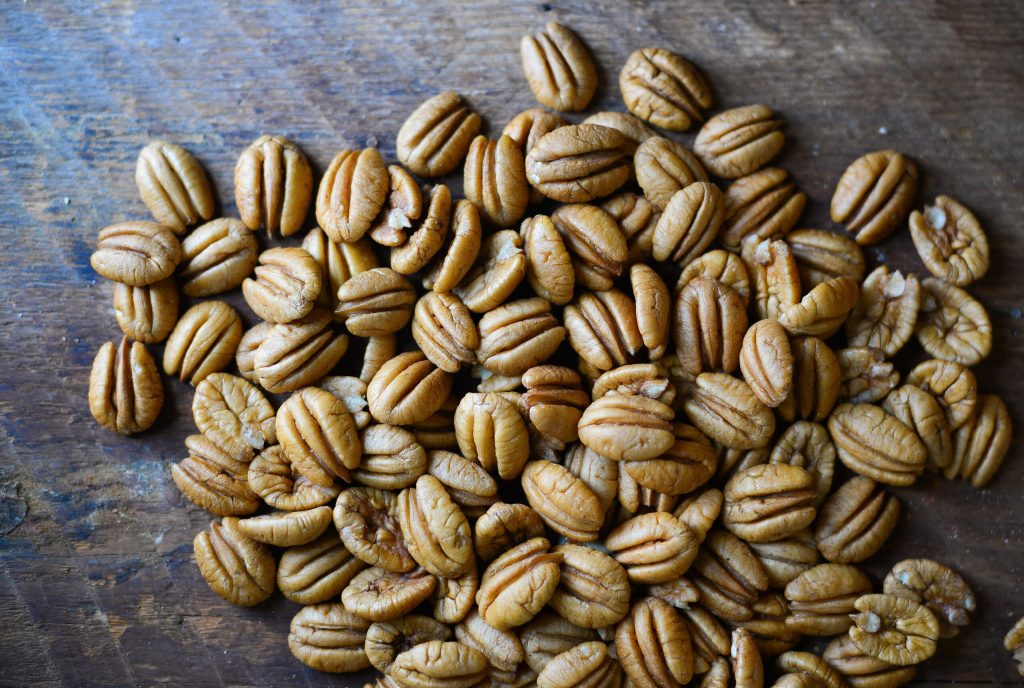
Are you staring at a bag of pecans, wondering if you can keep them fresh for longer? You’re not alone.
Pecans are a delicious and nutritious snack, but they can go bad if not stored properly. Imagine having a stash of fresh pecans ready to use whenever you want, without the worry of them turning stale or rancid. This is where the magic of freezing comes in.
But can you actually freeze pecans without losing their flavor and crunch? You’ll discover the simple steps to freezing pecans successfully, ensuring they stay as tasty as the day you bought them. Let’s dive into how you can make your pecans last longer and enjoy them at their best!

Credit: www.yahoo.com
Why Freeze Pecans
Freezing pecans is a smart way to keep them fresh for a long time. Pecans have natural oils that can go bad if stored improperly. Freezing stops these oils from turning rancid. This keeps the nuts tasty and crunchy.
Freezing pecans also helps save money. You can buy pecans in bulk when prices are low. Then, store them in the freezer and use them as needed. This avoids wasting nuts that spoil quickly at room temperature.
Benefits Of Freezing
- Preserves fresh flavor and crunch
- Prevents nuts from becoming rancid
- Keeps pests and insects away
- Allows buying in bulk and saving money
- Maintains nutritional value longer
- Easy to portion and use when needed
Shelf Life Comparison
| Storage Method | Shelf Life |
|---|---|
| Room Temperature | 1 to 2 months |
| Refrigerator | 6 to 12 months |
| Freezer | Up to 2 years |
Preparing Pecans For Freezing
Preparing pecans for freezing is a key step to keep them fresh, tasty, and ready to use whenever you need. Proper preparation helps prevent freezer burn and preserves the nuts’ natural flavor and crunch. With a little care, you can enjoy pecans long after their harvest season.
Selecting Quality Pecans
Start with fresh, high-quality pecans to ensure the best results. Choose nuts that are plump and have a rich brown color without any dark spots or shriveling. Avoid pecans that smell rancid or stale—your freezer won’t fix bad nuts.
Remember, the quality you freeze is the quality you’ll get later. Have you ever been disappointed by nuts that tasted off after freezing? Picking the right pecans from the start avoids that issue.
Cleaning And Drying
Before freezing, gently clean your pecans to remove any dust or debris. Use a soft brush or a dry cloth—avoid soaking them in water as moisture can cause freezer damage. If you do rinse them, dry pecans thoroughly on a clean towel and air-dry for several hours.
Dry pecans freeze better and last longer. Moisture is the enemy when it comes to storing nuts, so take the time to get them completely dry. This step might seem small but it can make a big difference in taste and texture.
Portioning Tips
Freeze pecans in portions that suit your cooking and snacking needs. Use small airtight containers or resealable freezer bags and label them with the date. Portioning saves you from thawing more than you need and keeps the rest fresh.
Try dividing pecans into half-cup or cup-sized bags. This way, you can grab just the right amount for recipes or a quick snack without hassle. Have you thought about how much you usually use at once? Planning portions ahead can save time later.
Best Freezing Methods
Freezing pecans is a smart way to keep them fresh and flavorful for months. However, the method you choose makes a big difference in preserving their texture and taste. Let’s look at the best ways to freeze pecans so they stay crisp and delicious whenever you need them.
Using Airtight Containers
Airtight containers are a simple and effective way to freeze pecans. They block moisture and air, which helps prevent the nuts from becoming stale or freezer-burned.
Choose containers made from glass or sturdy plastic with a tight-fitting lid. Before sealing, make sure pecans are completely dry to avoid ice crystals forming inside. Label the container with the date so you know how long they’ve been stored.
Vacuum Sealing
Vacuum sealing removes air completely, which is perfect for freezing pecans. This method extends freshness by reducing oxidation and freezer burn risks.
If you have a vacuum sealer, use it to pack your pecans in specially designed bags. Even if you freeze pecans for several months, they will retain their crunch and flavor much better than with regular storage options.
Freezer Bags Vs. Containers
Wondering whether to use freezer bags or containers? Both have pros and cons depending on your needs.
- Freezer bagstake up less space and are flexible, but they’re easier to puncture and may not seal as tightly as containers.
- Containersare sturdier and protect pecans from getting crushed, but they can be bulky and take up more freezer room.
Think about how often you access your pecans. If you use them frequently, containers might be more convenient. If you need to save space or store large batches, freezer bags could be the better choice.

Credit: sugarspunrun.com
Storing Frozen Pecans
Storing frozen pecans correctly preserves their fresh taste and crunch. Proper storage helps keep pecans safe from moisture and odors. It also prevents spoilage during long freezer periods.
Optimal Freezer Conditions
Keep your freezer at 0°F (-18°C) or colder. This temperature stops bacteria growth and slows down oil oxidation. Use a freezer with a steady temperature to avoid thawing and refreezing. Place pecans away from the door to reduce temperature changes.
Avoiding Freezer Burn
Freezer burn dries out pecans and changes their flavor. Protect pecans by using airtight containers or vacuum-sealed bags. Remove as much air as possible before sealing. Wrap pecans in plastic wrap before placing them in bags for extra protection.
Labeling And Dating
Label each package with the date of freezing. Use a permanent marker to write clearly on the container or bag. This helps track how long pecans have been stored. Use older pecans first to keep your supply fresh. Pecans can stay good in the freezer up to 12 months.
Thawing And Using Frozen Pecans
Thawing and using frozen pecans is simple and keeps their quality intact. Proper thawing helps preserve their taste and texture. Using pecans right after thawing enhances your recipes.
Safe Thawing Techniques
Thaw pecans in the refrigerator for several hours or overnight. This slow thaw keeps nuts fresh and prevents moisture buildup. For quicker thawing, spread pecans on a plate at room temperature for about an hour. Avoid thawing pecans in warm water or microwave, as this can make them soggy or bitter.
Maintaining Flavor And Texture
Keep pecans in an airtight container after thawing. This stops them from absorbing other odors. Use thawed pecans within a few days for best flavor. If nuts feel soft or oily, they may have gone bad. Fresh pecans should be crunchy and smell nutty.
Incorporating Into Recipes
Use thawed pecans in baked goods like cookies, cakes, or breads. They add a rich, nutty flavor and crunchy texture. Toss pecans into salads or sprinkle on oatmeal for extra taste. Toast thawed pecans lightly to boost their aroma before adding them to dishes.
Signs Of Spoiled Pecans
Knowing when pecans have gone bad is crucial before you decide to freeze them or use them in your recipes. Spoiled pecans can ruin the taste of your dishes and may even pose health risks. Let’s look at the clear signs that your pecans have passed their prime.
Visual Indicators
Check your pecans closely. If you notice dark spots, mold, or a shriveled appearance, these are clear signs they are spoiled. Pecans that look oily or have an unusual color are also likely past their best.
Sometimes, the shell may seem fine, but the nut inside shows discoloration or dryness. Have you ever opened a bag expecting fresh pecans but found them dull and crumbly? That’s a visual clue you shouldn’t ignore.
Smell And Taste Changes
Fresh pecans have a mild, nutty aroma. If your pecans smell bitter, sour, or like paint, they have likely gone rancid. This off smell is due to the oils breaking down over time.
Tasting a small piece can help confirm spoilage. If the pecan tastes bitter or unpleasantly sharp, discard it immediately. Why risk the flavor of your recipe or your health for a nut that’s lost its freshness?
Health Risks
Eating spoiled pecans can cause stomach discomfort, nausea, or allergic reactions. Moldy nuts may contain harmful toxins that are unsafe to consume. It’s better to be safe and toss any pecans that show signs of spoilage.
Have you ever felt uneasy after eating old nuts? That discomfort is a warning sign your body sends. Protect yourself by recognizing these signs and avoiding spoiled pecans altogether.
Alternatives To Freezing
If you’re wondering about alternatives to freezing pecans, there are practical options that can keep your nuts fresh without needing a freezer. These methods can help you maintain flavor and texture while fitting your kitchen setup and usage habits. Let’s look at how refrigeration, room temperature storage, and vacuum sealing can be game changers for your pecan storage.
Refrigeration Tips
Storing pecans in the refrigerator is a great way to extend their shelf life without freezing. Keep them in an airtight container or a resealable plastic bag to prevent moisture and odors from affecting the nuts.
Refrigerated pecans can last several months, which is perfect if you use them regularly but don’t want them to go stale. Have you noticed how refrigerated pecans maintain their crunch better than those left out?
Room Temperature Storage
You can store pecans at room temperature if you plan to use them within a couple of weeks. Place them in a cool, dark place away from direct sunlight and heat sources.
Use containers with tight lids to keep air and humidity out. This method suits you if you bake frequently and go through pecans quickly, but be mindful of warmer climates where nuts can spoil faster.
Using Vacuum Sealers Without Freezing
Vacuum sealing pecans removes air, which slows down oxidation and keeps the nuts fresh longer. You don’t have to freeze them right away; vacuum-sealed pecans stored in a pantry or refrigerator last much longer than those in regular bags.
If you have a vacuum sealer, try this method to preserve the nutty flavor and crunch. Have you ever noticed how vacuum sealing can make a difference in the freshness of other foods? It works just as well with pecans.

Credit: thepecannation.com
Frequently Asked Questions
Can Pecans Be Frozen For Long-term Storage?
Yes, pecans can be frozen to extend their shelf life. Freezing keeps them fresh for up to two years. Always use airtight containers or freezer bags to prevent moisture and odors from affecting their quality.
How Do I Freeze Pecans Properly At Home?
To freeze pecans, place them in airtight containers or heavy-duty freezer bags. Remove as much air as possible before sealing. Store in the coldest part of your freezer to maintain freshness and prevent freezer burn.
Will Freezing Pecans Affect Their Taste Or Texture?
Freezing pecans does not significantly change their taste or texture. When properly stored, they retain their natural flavor and crunch. Thaw them at room temperature before use for best results.
Can I Freeze Shelled And Unshelled Pecans?
Yes, both shelled and unshelled pecans freeze well. Shelled pecans need airtight packaging, while unshelled pecans offer extra protection naturally. Both types freeze effectively to preserve freshness.
Conclusion
Freezing pecans keeps them fresh for many months. It stops them from going bad or tasting bitter. Just store pecans in an airtight container or bag before freezing. When you need them, thaw pecans slowly at room temperature. This way, they keep their crunch and flavor.
Freezing is a simple, easy way to save pecans. It helps reduce waste and saves money too. Now, you can enjoy pecans anytime without worry. Simple and smart storage works best.