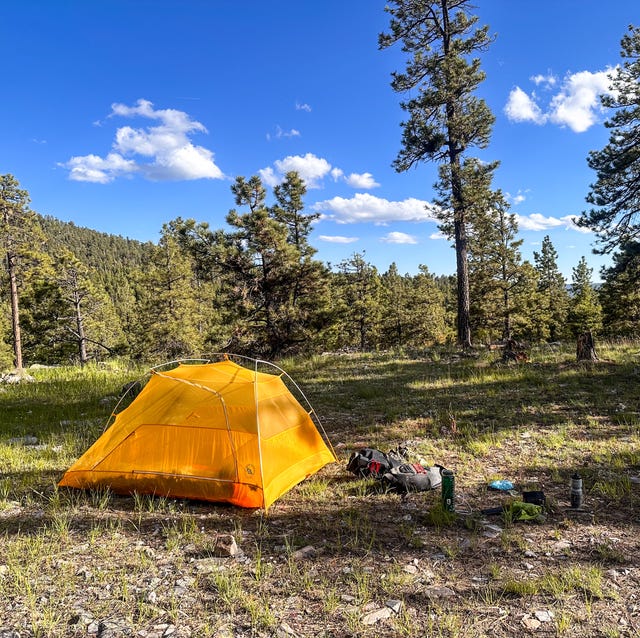
You’ve just returned from an amazing camping trip, and your tent is covered in dirt, mud, and sweat. Now, you’re wondering: can you simply toss your tent into the washing machine to clean it quickly?
It sounds easy, but washing a tent isn’t as straightforward as your regular laundry. If you want to keep your tent in great shape and avoid ruining it, you need to know the right way to clean it. You’ll discover whether machine washing your tent is safe, how to do it properly if it is, and smart tips to keep your gear fresh for your next adventure.
Keep reading to protect your investment and make cleaning your tent hassle-free.
Machine Washing Tents: Is It Safe?
Cleaning your tent is important to keep it ready for your next trip. You might wonder if it is safe to use a washing machine for this job. Machine washing tents can be risky if you do not know which types are suitable and what problems may occur.
This guide will help you understand which tents can be machine washed and the risks involved. Knowing this can protect your tent and make cleaning easier.
Types Of Tents Suitable For Machine Wash
Not all tents are made for machine washing. Some tents have materials and coatings that can be damaged by a washing machine. Here are some tents that are usually safe to wash in a machine:
- Tents made with nylon fabric without waterproof coating
- Small tents without heavy poles or frames
- Tents labeled by the manufacturer as machine washable
- Simple designs without extra attachments or complex zippers
Risks Of Machine Washing Tents
Machine washing can harm your tent if it is not designed for it. Here are some risks to consider before you put your tent in a washing machine:
| Risk | Description |
| Fabric Damage | Harsh washing can tear or weaken tent fabric |
| Coating Loss | Waterproof layers may wear off or peel |
| Frame Bending | Metal or fiberglass poles can bend or break |
| Zipper Damage | Zippers may get stuck or break from rough washing |
| Color Fading | Colors might fade or bleed in the wash |

Credit: www.popularmechanics.com
Preparing Your Tent For Cleaning
Cleaning your tent is important to keep it in good condition. Before washing, prepare your tent properly.
Follow simple steps to ensure your tent is ready for a thorough clean. This helps to avoid damage during washing.
Removing Dirt And Debris
First, remove all dirt and debris from your tent. Shake the tent gently to get rid of loose particles.
Use a soft brush or a cloth to wipe away stubborn dirt. Be gentle to avoid tearing the fabric.
- Shake the tent to remove loose dirt
- Use a soft brush for stubborn spots
- Be gentle to protect the fabric
Checking For Damage
Inspect your tent for any damage before washing. Look for tears, holes, or broken zippers.
Repair any damage to prevent worsening during the cleaning process. Use patch kits for small holes.
- Check for tears and holes
- Inspect zippers for damage
- Repair small holes with patch kits
Detaching Tent Accessories
Remove all accessories from your tent before cleaning. This includes poles, stakes, and any attached ropes.
Store these accessories separately to avoid losing them. This makes washing easier and more effective.
- Remove tent poles and stakes
- Detach any ropes
- Store accessories safely
Choosing The Right Washing Settings
Machine washing a tent requires care. Using the right settings helps keep the tent safe.
Incorrect settings can damage the fabric or reduce waterproofing. Choose settings that clean gently.
Recommended Water Temperature
Cold water is best for washing tents. Warm or hot water can harm the fabric and coatings.
Cold water cleans dirt without shrinking or weakening the material. It also saves energy.
Selecting Gentle Wash Cycles
Choose a gentle or delicate wash cycle. These cycles use slow spin speeds and less agitation.
Strong cycles can tear seams or damage waterproof layers. Gentle cycles protect your tent better.
Using Appropriate Detergents
Use mild detergents made for delicate fabrics. Avoid bleach or harsh chemicals that harm tent materials.
Do not use fabric softeners. They can clog tent fibers and reduce water resistance.
- Mild soap or specialized tent cleaner
- No bleach or strong stain removers
- No fabric softeners

Credit: www.reddit.com
Drying And Storing Your Tent
Proper drying and storage keep your tent safe and ready for use. Wet tents can get moldy or damaged.
Follow simple steps to dry and store your tent correctly. This helps it last longer and stay clean.
Air Drying Tips
Always dry your tent fully before storing it. Use fresh air and shade to prevent damage.
Hang your tent or spread it out flat. Avoid folding it while wet to stop mold and mildew.
- Choose a dry, shaded spot outdoors
- Open all doors and windows of the tent
- Use a line or rope to hang the tent if possible
- Check inside and outside for damp spots
Avoiding Heat Damage
Heat can damage the fabric and waterproof coating of your tent. Avoid direct sunlight for long periods.
Do not use heaters or dryers on your tent. Let it dry naturally at room temperature or outdoors in shade.
- Never place your tent near a fire or heater
- Keep away from hot surfaces and direct sun
- Use fans or air movement to speed drying safely
Proper Storage Techniques
Store your tent in a cool, dry place after it is completely dry. Use a loose bag or container for storage.
Avoid tight packing to protect the fabric and poles. Check your tent regularly to keep it fresh.
- Use a large cloth bag instead of a small stuff sack
- Keep away from damp basements or attics
- Store poles separately to prevent damage
- Check for insects or mold before storage
Alternative Cleaning Methods
Cleaning a tent is important to keep it in good shape. Machine washing can be risky and may damage the fabric or waterproof coatings.
There are safer ways to clean your tent that protect its materials. These methods help remove dirt without harsh treatments.
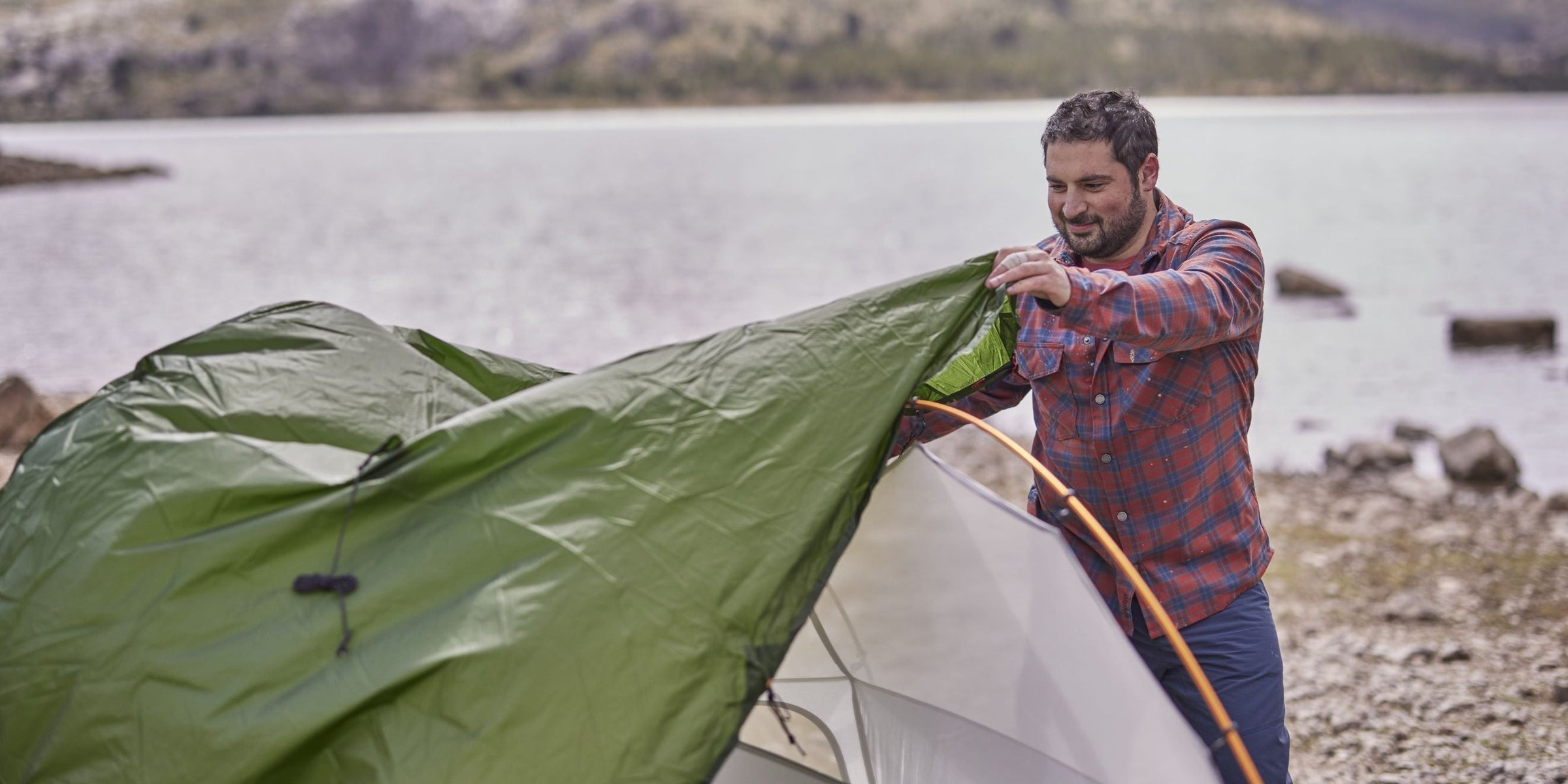
Hand Washing Tents
Hand washing is gentle and lets you control how much water and soap you use. It keeps the tent fabric safe and lasts longer.
Use a soft sponge or cloth with mild soap mixed in warm water. Avoid strong detergents and bleach as they can harm the tent.
- Set up the tent outside or in a large tub
- Use a soft brush or sponge with mild soap
- Clean the surface gently to remove dirt
- Rinse well with clean water
- Let the tent air dry completely before storing
Spot Cleaning Stains
Spot cleaning targets small stains without washing the whole tent. This saves time and protects the tent fabric.
Use a soft cloth and mild soap solution to rub the stain gently. Rinse the area with water and dry it with a towel or air dry.
- Mix mild soap with water
- Apply to the stained area using a soft cloth
- Rub gently to lift the stain
- Rinse the spot with clean water
- Dry the area completely before use or storage
Credit: alpkit.com
Frequently Asked Questions
Can I Safely Machine Wash My Tent?
Yes, you can machine wash some tents, but check the label first. Use a gentle cycle, cold water, and mild soap. Avoid harsh detergents and high heat to protect fabric and coatings.
What Machine Settings Are Best For Washing A Tent?
Use a delicate or gentle cycle with cold water. Avoid high spin speeds to prevent fabric damage. Select a mild detergent designed for outdoor gear or delicate fabrics.
Will Machine Washing Damage My Tent’s Waterproof Coating?
Machine washing can strip waterproof coatings if done improperly. Use gentle soap and cold water. Avoid bleach, fabric softeners, or hot water to maintain waterproofing.
How Often Should I Wash My Tent?
Wash your tent only when it’s visibly dirty or has a strong odor. Frequent washing can wear out fabric and coatings prematurely.
Conclusion
Machine washing a tent can be risky and may cause damage. Always check the tent’s care label first. Use gentle settings and mild soap if washing by machine. Avoid harsh detergents and high spin speeds. Air drying is best to keep fabric safe.
Hand washing often works better and is safer. Clean tents last longer and stay waterproof. Take good care to enjoy your camping trips fully.