Are you wondering if it’s safe to mix fresh breast milk with refrigerated milk? You’re not alone.
Many parents face this question when managing their baby’s feeding routine. Knowing the right way to combine breast milk can save you time and reduce waste, but it’s important to do it safely to protect your little one’s health. Keep reading to discover simple, clear answers that will help you handle your breast milk with confidence.

Credit: kiinde.com
Breast Milk Storage Basics
Proper breast milk storage keeps your baby safe and nourished. Knowing the basics helps you handle milk correctly. This includes understanding how to store fresh and refrigerated milk and how long each type lasts. Safe storage prevents waste and protects your baby’s health.
Fresh Vs Refrigerated Milk
Fresh breast milk is milk you just expressed. It is at room temperature or cooled but not stored long. Refrigerated milk has been cooled and kept in the fridge for some time. Fresh milk has more nutrients and is best used quickly. Refrigerated milk is safe but has a shorter shelf life. Mixing fresh and refrigerated milk is possible but requires care.
Storage Duration Guidelines
| Milk Type | Storage Time | Storage Condition |
|---|---|---|
| Fresh Milk | 4 hours | Room temperature (up to 77°F / 25°C) |
| Refrigerated Milk | 4 days | In fridge (39°F / 4°C or lower) |
| Frozen Milk | 6 months (best), up to 12 months (acceptable) | Freezer (-4°F / -20°C or lower) |
Always label milk with the date and time. Use the oldest milk first. Never refreeze thawed milk. Follow these rules to keep milk safe and fresh.

Credit: www.breastfeedingnetwork.org.uk
Safety Concerns When Mixing Milk
Mixing fresh and refrigerated breast milk requires care to keep the milk safe. Parents want to feed their babies the best milk possible. Understanding safety concerns helps avoid risks to baby’s health. Proper handling stops bacteria from growing and protects the milk’s nutrients.
Bacterial Growth Risks
Bacteria grow faster at room temperature. Mixing warm fresh milk with cold refrigerated milk can raise the temperature. This creates a perfect place for bacteria to multiply quickly. Bacteria can cause stomach upset or infections in babies.
To reduce risks:
- Cool fresh milk before adding it to refrigerated milk.
- Mix milk in small amounts to keep it cold.
- Use milk within recommended storage times.
Nutrient Preservation
Breast milk has important vitamins and antibodies. Mixing milk at the wrong temperature can reduce these nutrients. Heat can break down some helpful proteins and immune factors. This lowers the milk’s ability to protect and nourish the baby.
Keep nutrients intact by:
- Adding cooled fresh milk to cold stored milk gently.
- Avoiding warming milk multiple times.
- Using milk within safe storage limits to preserve quality.
How To Mix Fresh And Refrigerated Milk Safely
Mixing fresh and refrigerated breast milk can be a practical way to ensure your baby gets the right amount of nourishment without wasting precious milk. However, doing it safely is key to preserving the milk’s nutrients and preventing bacterial growth. Let’s look at how you can combine these two types of milk while keeping everything safe and healthy for your little one.
Temperature Matching Tips
Before mixing, make sure both fresh and refrigerated milk are close to the same temperature. Cold milk straight from the fridge can shock fresh milk, causing nutrient breakdown or spoilage.
- Warm refrigerated milk gently by placing its container in a bowl of warm water until it feels lukewarm to the touch.
- Never use a microwave to warm milk because it heats unevenly and can create hot spots that harm your baby’s mouth.
- Check the temperature by dripping a bit on your wrist; it should feel comfortably warm, not hot or cold.
Matching temperatures helps keep the milk stable and safe for your baby to drink. Have you noticed how temperature affects the taste or your baby’s reaction to milk?
Proper Containers And Handling
Use clean, sterilized containers designed for breast milk storage to avoid contamination. Glass or BPA-free plastic bottles with tight-fitting lids work best.
- Pour refrigerated milk into the container first, then add the fresh milk slowly to prevent mixing air bubbles that can degrade milk quality.
- Label your containers with the date and time you expressed the milk to keep track of freshness.
- Always store mixed milk in the refrigerator immediately and use it within 24 hours for best safety.
Handling milk with clean hands and tools reduces the risk of bacteria. What cleaning routine do you follow to keep your baby’s milk safe?
Best Practices For Milk Storage
Storing breast milk properly is key to keeping it safe and nutritious for your baby. Mixing fresh and refrigerated milk can be done safely, but only if you follow certain storage rules carefully. Knowing how to manage timing and freezing can save you time and reduce waste.
Labeling And Timing
Always label your milk containers with the date and time you expressed the milk. This helps you use the oldest milk first, keeping your stash fresh and safe.
If you add fresh milk to refrigerated milk, cool the fresh milk first before mixing. Adding warm milk can raise the temperature and encourage bacteria growth.
Ask yourself: how often do you check the dates on your milk? Making it a habit can prevent accidental use of expired milk.
Freezing Considerations
Freeze milk in small portions, about 2 to 4 ounces, so you only thaw what you need. This reduces waste and keeps leftovers safe.
Thawed milk can be kept in the fridge for up to 24 hours but should never be refrozen. Mixing frozen and fresh milk directly is not recommended because it causes uneven temperatures.
Remember to leave some space in the container before freezing, since milk expands as it freezes. Have you noticed containers cracking? This simple step can help avoid that.
Signs Of Spoiled Breast Milk
Knowing the signs of spoiled breast milk is crucial when mixing fresh and refrigerated milk. Spoiled milk can pose health risks for your baby, so it’s important to recognize the red flags early. Let’s dive into how you can tell if breast milk has gone bad and when it’s time to throw it away.
Visual And Smell Indicators
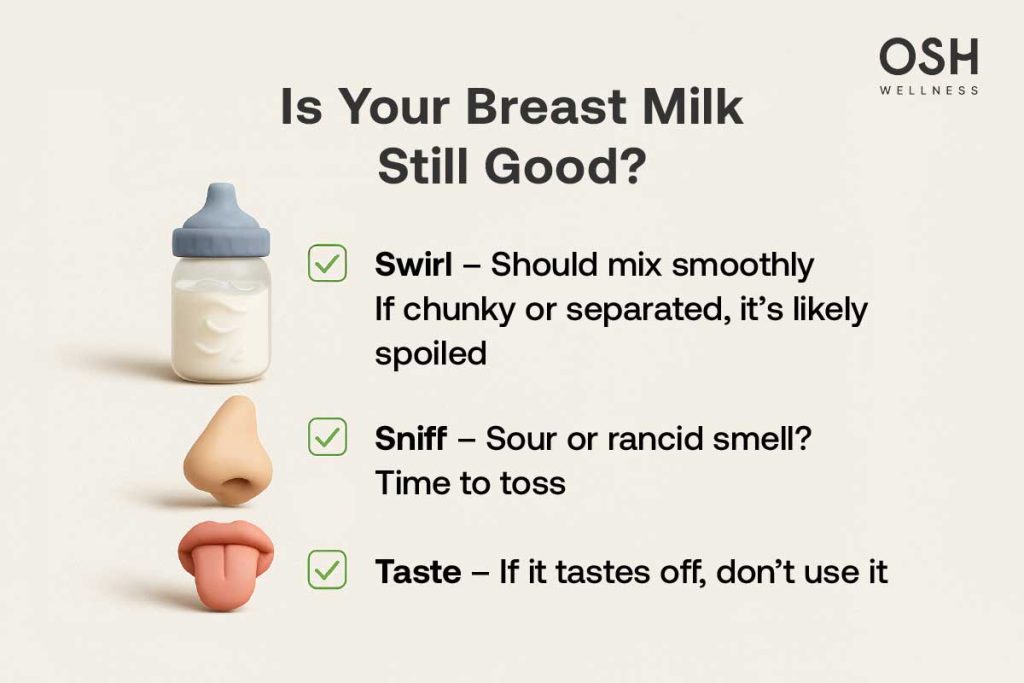
Breast milk that has spoiled often looks different. Fresh milk is usually white or slightly yellowish, but if you see a distinct separation of layers that doesn’t mix back when shaken, it might be a problem.
Smell is another strong clue. Fresh breast milk has a mild, sweet scent. If you notice a sour, rancid, or off-putting odor, it’s a clear sign the milk has spoiled.
Have you ever noticed a strange smell in your stored milk and wondered if it’s safe? Trust your nose—it’s usually right.
When To Discard Milk
Not all separation means spoilage. Breast milk naturally separates into layers after sitting for a while; gently swirling the container often mixes it back together.
However, if the milk smells bad, looks curdled, or has changed color, it’s best to discard it. Don’t take chances—your baby’s health is more important than saving a bottle.
Also, consider how long the milk has been stored. Milk kept in the fridge for more than 4 days or frozen for longer than recommended should be thrown out, even if it looks and smells okay.
Expert Tips For Breastfeeding Moms
Breastfeeding can feel overwhelming, especially when you’re juggling fresh and refrigerated breast milk. Knowing how to handle your milk properly can make feeding time smoother and keep your baby healthy. Here are some expert tips to help you manage your milk with confidence.
Maintaining Milk Quality
Always cool fresh milk before mixing it with refrigerated milk. Adding warm fresh milk directly can raise the temperature and increase the risk of bacteria growth.
Label your milk with dates to use the oldest milk first. This simple habit helps prevent spoilage and ensures your baby gets the freshest milk possible.
Have you noticed changes in smell or color? Trust your senses—discard milk that seems off to keep your baby safe.
Managing Milk Supply
Track your pumping and feeding schedule to understand your milk supply patterns. This helps you decide how much fresh and refrigerated milk to mix for each feeding.
Try combining smaller amounts of fresh milk with refrigerated milk to stretch your supply without compromising nutrition.
If you find your supply dipping, consider nursing more often or pumping after feedings to boost production.

Credit: www.junobie.com
Frequently Asked Questions
Can I Mix Fresh And Refrigerated Breast Milk Safely?
Yes, you can mix fresh and refrigerated breast milk if both are chilled properly. Combine only after cooling fresh milk to the same temperature. Avoid mixing warm fresh milk directly with refrigerated milk to prevent bacterial growth.
How Long Can Mixed Breast Milk Be Stored?
Mixed breast milk can be stored in the refrigerator for up to 24 hours. Always use clean containers and label the milk with the date and time. Discard any milk left after 24 hours to ensure safety.
Should Fresh Milk Be Cooled Before Mixing With Refrigerated Milk?
Yes, fresh milk should be cooled to refrigerator temperature before mixing. Adding warm milk directly can raise the temperature, encouraging bacteria growth. Cooling maintains milk quality and safety for your baby.
Can Mixing Breast Milk Affect Its Nutrient Quality?
Mixing fresh and refrigerated breast milk does not significantly affect nutrient quality. Proper handling and storage preserve vitamins and antibodies. Always follow safe storage guidelines to maintain milk’s nutritional value.
Conclusion
Mixing fresh and refrigerated breast milk requires care. Always prioritize your baby’s health. Ensure the milk is stored safely. Fresh milk can be mixed with refrigerated milk. But, cool the fresh milk first. This prevents temperature shock. Use mixed milk within 24 hours.
Discard any leftover milk. Keep feeding equipment clean and sterilized. Follow safe handling guidelines. Consult healthcare providers for personal advice. Understanding these steps helps. It ensures your baby receives the best nutrition. Always stay informed and cautious. Your attention ensures your baby’s safety and health.