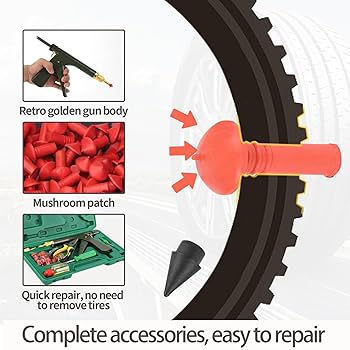
Have you ever felt that sudden panic when you spot a flat tire on your motorcycle? You probably wonder, “Can I patch a motorcycle tire myself, or is it better to replace it?”
Fixing a tire might seem tricky, but knowing the right steps can save you time and money. You’ll discover exactly when and how you can patch your motorcycle tire safely. Stick with me, and you’ll gain the confidence to handle this common problem like a pro.

Credit: www.amazon.com
Assessing Tire Damage
Before patching a motorcycle tire, you must check the damage carefully. Not all tire problems can be fixed. You need to know what to look for.
This guide helps you find punctures, check the tread and sidewall, and decide if repair is possible.
Identifying Punctures And Cuts
Look closely for holes or cuts on the tire surface. Small punctures often cause slow leaks. Cuts may be deeper and more serious.
- Check the tread area for nails or sharp objects.
- Inspect the sidewall for cracks or splits.
- Use soapy water to find air bubbles indicating leaks.
- Mark any damage spots to examine further.
Checking Tire Tread And Sidewall
The tread must have enough depth to grip the road safely. The sidewall should be free from bulges or deep cracks.
| Part of Tire | What to Check | Signs of Damage |
| Tread | Depth and even wear | Worn out, bald spots, cuts |
| Sidewall | Surface condition | Bulges, cracks, deep cuts |
Determining Repairability
Not every tire can be patched. Some damage is too large or in the wrong place. You need to decide if patching is safe.
- Measure the size of the puncture or cut.
- Check if the damage is inside the tread area only.
- Do not patch sidewall damage or large holes over 6mm.
- If unsure, consult a tire professional for advice.

Credit: www.bikesales.com.au
Tools And Materials Needed
Patching a motorcycle tire needs the right tools and materials. This helps fix the tire safely and correctly.
Below are the key items to have on hand before starting the repair process.
Essential Repair Kits
An essential repair kit contains all parts needed to patch a tire. It saves time and makes the process easier.
- Tire plugs or patches
- Rubber cement or vulcanizing glue
- Reaming tool to clean the puncture hole
- Insertion tool to place the plug or patch
- Tire pressure gauge
- Air compressor or pump
- Sandpaper for roughening the repair area
Additional Safety Gear
Safety gear protects you during the tire repair. It also helps prevent accidents and injuries.
| Safety Item | Purpose |
| Gloves | Protect hands from sharp objects and chemicals |
| Eye Protection | Shield eyes from debris and glue fumes |
| Knee Pads | Comfort when kneeling during repair |
| Work Light | Better visibility in low-light conditions |
Step-by-step Patch Process
Patching a motorcycle tire is possible if you follow the right steps. This guide shows you how to patch your tire safely and effectively.
Each step is important to ensure the patch holds and the tire works well. Read carefully before you start.
Removing The Tire
Start by removing the tire from the motorcycle. Use a wrench to loosen the axle nuts and remove the wheel. Then use tire irons to pry the tire off the rim carefully.
Locating The Leak
Find where the tire is leaking air. Inflate the tire and listen for a hissing sound. You can also apply soapy water around the tire and look for bubbles.
Preparing The Surface
Clean the area around the leak well. Use sandpaper to roughen the surface so the patch will stick better. Make sure the surface is dry and free from dirt.
- Clean the leak area with a cloth
- Sand the surface lightly
- Remove dust with a brush
- Apply rubber cement and wait a few minutes
Applying The Patch
Place the patch over the prepared area. Press it firmly and hold for a few minutes to ensure it sticks. Avoid moving the patch during this time.
| Patch Type | Use |
|---|---|
| Plug Patch | For small punctures in the tread |
| Internal Patch | For larger holes or sidewall damage |
Reassembling The Tire
Put the tire back on the rim carefully. Inflate the tire to the correct pressure and check for leaks again. Reattach the wheel to the motorcycle and tighten the nuts securely.

Credit: www.reddit.com
Safety Precautions
Patching a motorcycle tire can save money and time. Still, it is important to know when it is safe to patch and when it is not. Safety should always come first.
Understanding the risks of improper repairs helps you avoid accidents and damage. Always inspect the tire carefully before deciding to patch it.
When Not To Patch A Tire
Some tire damages are too dangerous to fix with a patch. Avoid patching if the damage is in these areas or conditions.
- The hole is larger than 1/4 inch (6 mm).
- The damage is on the sidewall or shoulder of the tire.
- The tire has multiple punctures close together.
- The tire shows signs of severe wear or cracking.
- The puncture is caused by a sharp object that left jagged edges.
Risks Of Improper Repairs
Improper repairs can cause serious problems. They may lead to tire failure or accidents.
| Risk | Cause | Effect |
|---|---|---|
| Air leakage | Poor patch application | Flat tire or sudden loss of pressure |
| Weak tire structure | Patch placed on damaged sidewall | Tire blowout while riding |
| Uneven wear | Incorrect patch size or placement | Reduced tire life and handling issues |
| Accident risk | Ignoring tire condition before patching | Loss of control and injury |
Alternative Repair Options
Motorcycle tires can get damaged while riding. Fixing them quickly keeps you safe and riding longer.
There are a few ways to repair tires. Some repairs you can do yourself, others need experts.
Plug Vs. Patch
A plug fills the hole from outside the tire. A patch seals the hole from inside.
- Plug is quick and easy but less durable.
- Patch needs the tire to be removed and inspected.
- Patch often lasts longer and is safer.
- Plugs are good for small punctures on the tread.
- Patches are better for bigger or sidewall damage.
Professional Repair Services
| Service | What It Includes | Benefits |
| Tire Inspection | Check for damage inside and outside | Detects hidden problems |
| Proper Patching | Remove tire, clean, and patch inside | Strong, long-lasting repair |
| Balancing | Balance tire after repair | Smoother ride and less wear |
| Replacement Advice | Recommend new tires if repair is unsafe | Ensures rider safety |
Professionals have tools and skills. They make sure the tire is safe after repair.
Maintenance Tips Post-repair
Patching a motorcycle tire can save you money and time. After repair, you must keep the tire in good shape.
Proper care helps the patch last longer and keeps you safe on the road.
Regular Tire Inspections
Check your tire often for new damage or wear. Look closely at the patched area and the whole tire.
Find cracks, nails, or other sharp objects that could cause another flat.
- Inspect tires before each ride
- Look for bulges or uneven wear
- Check the patch for any peeling or damage
- Replace tires if damage is severe
Proper Inflation And Storage
Keep your tire inflated to the recommended pressure. This helps the patch stay secure and the tire last longer.
Store your motorcycle in a cool, dry place away from sunlight. Sunlight and heat can weaken the tire and patch.
- Use a tire gauge to check pressure regularly
- Do not overinflate or underinflate tires
- Store bike indoors or cover tires if outside
- Avoid placing weight on the patched tire during storage
Frequently Asked Questions
How Do I Patch A Motorcycle Tire?
To patch a motorcycle tire, first locate the puncture. Clean the area and use a patch kit to seal it. Ensure the patch adheres well by pressing firmly. Reinflate the tire to the recommended pressure and check for leaks. Always consult your tire’s manual for specific guidance.
Can I Ride With A Patched Motorcycle Tire?
Riding with a patched motorcycle tire is possible for short distances. However, it’s a temporary fix. For long-term safety, consider replacing the tire. A patch might not hold under high speeds or heavy loads. Regularly inspect the tire for signs of wear or further damage.
Is Patching A Motorcycle Tire Safe?
Patching a motorcycle tire can be safe if done correctly. Ensure the patch is secure and the tire is properly inflated. However, it’s a temporary solution. A patched tire might not perform well under extreme conditions. For peace of mind, it’s best to replace the tire soon.
How Long Does A Patched Tire Last?
A patched tire’s lifespan varies depending on usage and conditions. Generally, it’s a temporary fix and shouldn’t be relied upon for long-term use. Check the patch regularly for integrity. For extended safety, replace the tire as soon as possible to avoid potential risks.
Conclusion
Patching a motorcycle tire can save time and money. Small holes or punctures often fix well with a patch. Larger damage or sidewall issues need tire replacement. Always check the tire carefully before patching. Safety should never be ignored on the road.
Proper tools and steps make patching easier. Still unsure? Visit a professional for advice. Riding with a good tire keeps you safe and confident. Choose wisely and keep your motorcycle ready to ride.