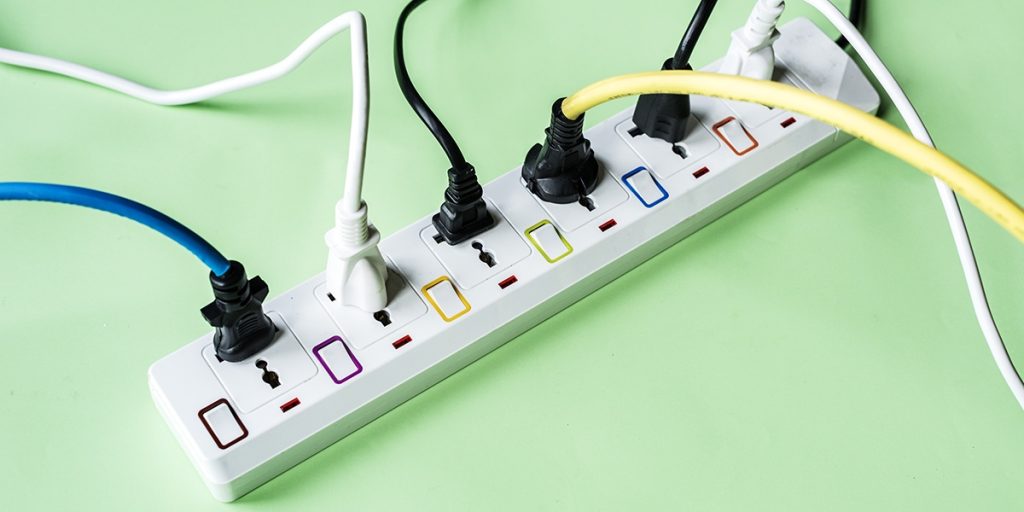
Are you wondering if it’s safe to plug your air conditioner into a power strip? You might think it’s a simple solution when outlets are scarce, but doing so could lead to unexpected problems.
Your comfort and safety depend on getting this right. Keep reading to find out what experts say, what risks you should avoid, and the best way to power your air conditioner without any worry. Don’t make a costly mistake—here’s what you need to know before you plug in.
Why Air Conditioners Need Special Power
Air conditioners use high powerto run properly. They need more electricitythan small devices. This means they require a special power source.
The voltageand currentmust match the air conditioner’s needs. Too little power can cause damage or poor performance. Most air conditioners need a dedicated outlet for safety and efficiency.
| Requirement | Details |
|---|---|
| Voltage | Usually 110-240 volts depending on model |
| Current | Higher than many household devices; often 10-15 amps or more |
| Power Strip Use | Not recommended due to overload risk |

Credit: www.reddit.com
Limitations Of Power Strips
Power strips have a maximum load capacitythat is often lower than an air conditioner’s power needs. Plugging an air conditioner into a power strip may cause the strip to overload. Overloading can lead to heat buildup, which increases fire risks.
Power strips are not designed to handle the high currentdrawn by air conditioners. The wires inside can get hot and damage the strip or outlet. This heat can also cause the plastic casing to melt.
Power strips usually have a circuit breakerto protect against overload. But these breakers may not trip fast enough for an air conditioner’s load. This delay can allow dangerous heat to build up before shutting off power.
Dangers Of Using Power Strips With Air Conditioners
Plugging an air conditioner into a power stripcan cause serious problems. Power strips are not built for high-power devices like air conditioners.
Fire hazardsoccur because power strips can overheat. This happens when too much electricity flows through small wires inside the strip.
Electrical overloadis common when many devices run on one power strip. The air conditioner uses a lot of power, which can cause the strip to fail.
Damage to the appliancehappens if the power supply is unstable. Air conditioners may stop working or get broken if the power strip cannot handle the load.
- Power strips are for low-power devices only.
- Air conditioners need direct wall outlet connections.
- Using a power strip can void the warranty.
- Always check the power rating before plugging in.

Credit: www.hickoryheatingandcooling.com
Safe Alternatives For Air Conditioner Power
A dedicated wall outletis the safest choice for air conditioners. These outlets are designed to handle the high power needsof AC units, reducing the risk of overheatingor electrical fires.
Using extension cords requires care. Choose cords with high gauge wirethat can carry the AC’s power load. Avoid thin or cheap cords as they can cause overheating. Never use cords that are damaged or frayed.
| Alternative | Description | Benefit |
|---|---|---|
| Dedicated Wall Outlet | Outlet installed for AC only | Safe power supply, prevents overload |
| Extension Cords | Heavy-duty cords with proper gauge | Temporary use with caution |
| Suitable Circuits | Install circuits rated for AC power | Long-term safety and efficiency |
Installing a suitable circuitfor your air conditioner is best for long-term use. These circuits have the right breakersand wiring to support the AC’s power. This reduces risk of tripsor electrical hazards.
Tips For Preventing Electrical Issues
Check the power ratingson both the air conditioner and the power strip. Make sure the power strip can handle the air conditioner’s wattage to prevent overheating. Using a power strip with lower ratings than needed can cause electrical fires or damage.
- Avoid daisy-chainingpower strips. Plugging one power strip into another increases the risk of overload and fire.
- Keep power strips away from water and heat sources.
Perform regular maintenance and inspectionon cords and plugs. Look for frayed wires, burn marks, or loose connections. Replace any damaged parts immediately to ensure safety and avoid electrical issues.

Credit: northnjhvac.com
Frequently Asked Questions
Can I Use A Power Strip For My Air Conditioner?
No, it’s not recommended to plug an air conditioner into a power strip. Air conditioners require high power and can overload the strip, causing overheating and potential fire hazards. Always plug air conditioners directly into a dedicated wall outlet for safety and optimal performance.
Why Is A Power Strip Unsafe For Air Conditioners?
Power strips are designed for low-power devices. Air conditioners draw high current, which can exceed the power strip’s capacity. This overload increases the risk of electrical fires, damage to the unit, and power interruptions. Using a dedicated outlet ensures proper power supply and safety.
What Happens If I Plug Ac Into A Power Strip?
Plugging an air conditioner into a power strip can cause the strip to overheat and trip circuit breakers. It may damage both the AC and the power strip. This practice risks electrical fires and voids manufacturer warranties. Always use a direct wall socket instead.
Can Power Strips Handle The Load Of Air Conditioners?
Most power strips cannot handle the heavy electrical load of air conditioners. They are built for small appliances and electronics. Using them with AC units may cause overheating and electrical failure. Check the AC’s amperage rating and use a dedicated circuit for safe operation.
Conclusion
Plugging an air conditioner into a power strip is not safe. These units need a strong, direct electrical connection. Power strips can overheat and cause fires. Always use a proper outlet designed for heavy appliances. This keeps your home and family safe.
Choose safety over convenience every time.