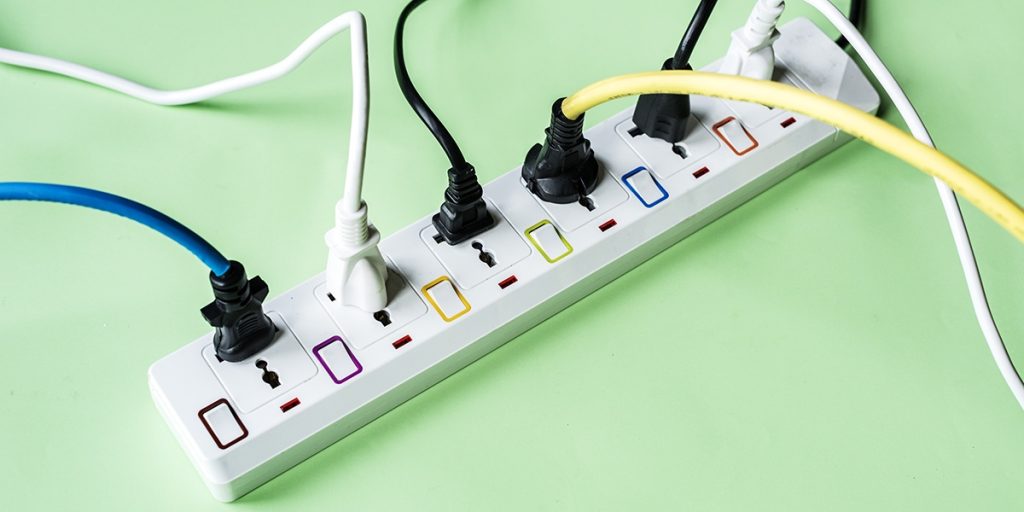
Are you wondering if it’s safe to plug your air conditioner into a power strip? You might think it’s a simple solution to get extra outlets, but this small decision could have big consequences.
Using a power strip for an air conditioner isn’t just about convenience—it’s about safety, efficiency, and protecting your home. Keep reading to find out why this matters and what you should do instead to keep your cool without risking damage or hazards.
Air Conditioner Power Needs
Air conditioners use a lot of electric power. Most small units need around 500 to 1500 watts. Larger models can use more than 2000 watts. The amperageis usually between 5 to 15 amps, depending on size and type.
Power strips are not designed for high power devices. They usually support less than 15 amps. Plugging an air conditioner into a power strip can cause overload. This may lead to damage or fire risk.
| Device | Typical Wattage | Typical Amperage |
|---|---|---|
| Small Window AC | 500 – 1500 W | 5 – 10 A |
| Medium Split AC | 1500 – 2000 W | 10 – 15 A |
| Large Central AC | 2000+ W | 15+ A |
| Power Strip Capacity | Usually under 1800 W | Under 15 A |
Knowing power needs helps avoid electrical problems. It keeps your home safeand the air conditioner working well.

Credit: www.realtor.com
Risks Of Using Power Strips
Power strips are not designed for air conditioners. Air conditioners need high power. Power strips can easily overload circuits. Overloaded circuits may cause tripped breakersor electrical fires.
Fire hazards increase if power strips overheat. This happens when too many devices draw too much current. Wires inside the strip can melt or spark. Sparks can ignite nearby flammable materials.
Using power strips can also damage the air conditioner. Voltage drops or surges can harm the compressor and motor. This reduces the unit’s lifespanand efficiency.
Types Of Power Strips
Standard power stripsare basic and affordable. They allow you to plug in several devices but have no extra safety features. These strips are not good for high-power devices like air conditioners.
Surge protectorsadd a layer of safety. They protect your devices from sudden electrical spikes. They are better than standard strips but still might not handle the high current of an air conditioner well.
Heavy-duty stripsare made for strong appliances. They can handle higher power loads and offer better safety. These are the best choice if you need to plug an air conditioner into a power strip.

Credit: www.reddit.com
Manufacturer Recommendations
Manufacturers advise against plugging an air conditioner into a power strip. These devices need direct connection to a wall outlet for safety and proper power. Using a power strip can cause overheating or damage to the air conditioner.
What Ac Manuals Say
Most AC manualsadvise against plugging units into power strips. Power strips can overloador cause firesdue to high current draw. Air conditioners need a dedicated outletfor safe operation. Many manuals state that using an extension cord or power strip voids the warranty. Always check the specific manual for your model’s electrical needs.
Electrical Codes And Standards
Electrical codes require air conditioners to connect directly to a wall outlet. This ensures the unit gets stable power. Codes also prevent electrical hazardsfrom improper wiring. Using power strips or extension cords is often against local laws. Following codes keeps homes safe and avoids fines.
Safe Alternatives
Air conditioners need lots of power. Plugging them into a power strip can cause overheatingor fire. Using a direct wall outletis the safest way. Wall outlets provide stable powerand handle the load well.
A dedicated circuitis best for air conditioners. This means the circuit only powers the AC. It stops other devices from drawing too much current. This keeps the circuit from trippingor damagingwiring.
- Extension cords should be heavy-dutyand rated for AC power.
- Never use thin or cheap cords.
- Keep extension cords shortto avoid voltage drops.
- Check the cord for damagebefore use.

Credit: www.hickoryheatingandcooling.com
Signs Of Electrical Issues
Tripped breakersoften signal that the air conditioner is drawing too much power. This can happen when plugged into a power strip not made for high energy devices. Frequent breaker trips suggest an electrical overload or a faulty circuit.
Warm outlets and cordsare a clear sign of trouble. Heat means electricity is struggling to flow properly. This can cause damage to the cord, outlet, or the power strip itself. It is unsafe to ignore this warning.
Unusual noises or smellssuch as buzzing, crackling, or burning odors indicate a serious electrical problem. These signs can mean wires are loose or overloaded. Immediate action is needed to prevent fire hazards.
Tips For Safe Ac Operation
Regular maintenancekeeps your air conditioner working well. Clean or replace filters often. Dirt blocks airflow and lowers cooling. Check the coils for dirt and clean gently. A clean AC uses less power and cools better.
Proper plugging practicesare very important for safety. Always plug the AC directly into a wall outlet. Avoid power strips or extension cords. These can overheat and cause fires. Make sure the outlet matches the AC’s power needs.
Professional inspectionshelp catch problems early. Have a technician check your AC each year. They look for worn parts and leaks. Fixing small issues saves money and keeps the AC safe. Trust experts for safe and smooth operation.
Frequently Asked Questions
Can I Safely Use A Power Strip For My Air Conditioner?
No, it is unsafe to use a power strip for an air conditioner. Air conditioners draw high current, which can overload power strips, causing overheating or fire hazards. Always plug air conditioners directly into a dedicated wall outlet designed for high power appliances.
What Happens If I Plug An Air Conditioner Into A Power Strip?
Plugging an air conditioner into a power strip can cause the strip to overheat and fail. Power strips are not built to handle the high wattage of air conditioners. This increases the risk of electrical fires and damage to your appliance.
Are All Power Strips Unsuitable For Air Conditioners?
Most standard power strips are unsuitable for air conditioners. Only heavy-duty, surge-protected power strips rated for high amperage might handle it. However, it’s best to avoid power strips altogether and use a dedicated outlet for safety and optimal performance.
Why Do Air Conditioners Need A Dedicated Outlet?
Air conditioners require a dedicated outlet because they consume high electricity. A dedicated outlet prevents overload and ensures stable power supply. This reduces the risk of electrical hazards and helps the air conditioner function efficiently.
Conclusion
Plugging an air conditioner into a power strip is not safe. Air conditioners need a strong, steady power source. Power strips can overheat and cause fires. Use a dedicated outlet for your air conditioner. This keeps your home safe and your device working well.
Always check the air conditioner’s power needs before plugging it in. Safety comes first with electrical devices. Keep your cool without risking damage or danger.