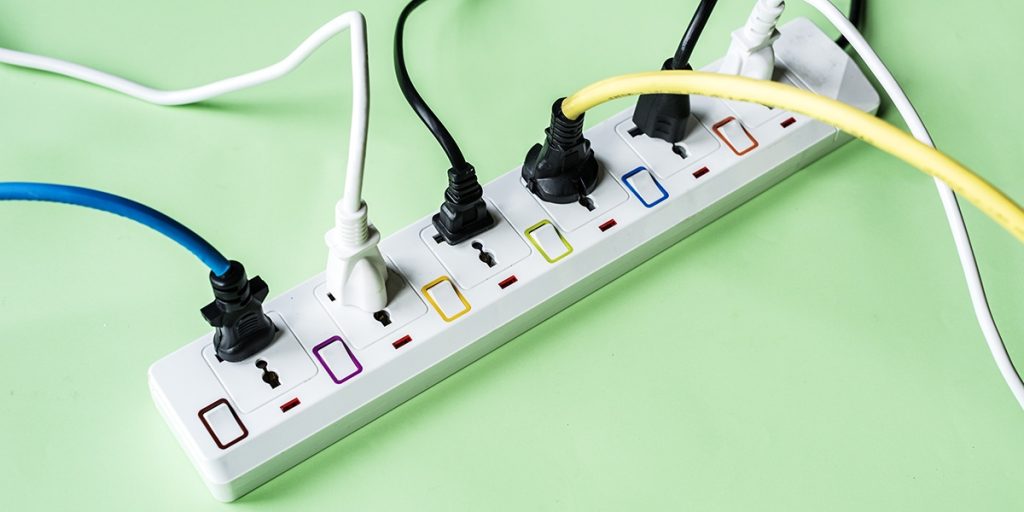
Are you wondering if you can plug your air conditioner into an extension cord? It might seem like a quick fix, especially when the outlet is just out of reach.
But before you do, there are important things you need to know that could save you from costly damage or even a dangerous situation. Keep reading to find out the truth and learn the safest way to power your air conditioner without risking your home or comfort.

Credit: northnjhvac.com
Risks Of Using Extension Cords
Using extension cords for air conditioners can be risky. These cords are not always made for high power devices. This can cause safety problems and damage.
This section explains the main risks when plugging an air conditioner into an extension cord. Learn about fire hazards, electrical overload, and reduced efficiency.
Fire Hazards
Extension cords can overheat if they carry too much current. This can cause the cord’s insulation to melt. Melted insulation can lead to sparks and fires.
- Cheap or damaged cords increase fire risk.
- Using cords not rated for the air conditioner’s power is dangerous.
- Overheating cords can start fires in walls or floors.
- Never cover extension cords with rugs or furniture.
Electrical Overload
Extension cords have limits on how much electricity they can carry. Air conditioners draw a lot of power. If the cord is not strong enough, it may overload.
| Extension Cord Gauge | Maximum Amperage | Suitable For |
| 16-gauge | 10 amps | Small appliances only |
| 14-gauge | 15 amps | Medium power devices |
| 12-gauge | 20 amps | Heavy-duty appliances like air conditioners |
Using a cord with the wrong gauge can cause overload. This may trip circuit breakers or damage the air conditioner.
Reduced Efficiency
Extension cords can reduce the power that reaches an air conditioner. This happens because of voltage drops in the cord. The longer or thinner the cord, the bigger the drop.
- The air conditioner may run less efficiently.
- It may use more electricity to cool the room.
- The unit’s lifespan can be shortened due to strain.
- Performance drops can make rooms less comfortable.
Air Conditioner Power Requirements
Air conditioners need a steady power supply to work well. Using the right type of power source is important for safety and performance.
Many wonder if they can plug their air conditioner into an extension cord. To answer this, you must understand the power needs of your unit.
Voltage And Amperage Needs
Air conditioners usually require a specific voltage and amperage. These vary by the size and model of the unit. Using a power source that does not meet these needs can cause damage.
- Check the label on your air conditioner for voltage (usually 110-120V or 220-240V).
- Look for the amperage rating, which shows how much current it draws.
- Make sure your outlet and cords can handle both voltage and amperage safely.
- Using a cord or outlet with a lower rating than needed can cause overheating or fire risks.
Starting Vs Running Power
Air conditioners use more power when starting than when running. This is called the starting or surge power. It is higher than the regular running power.
| Power Type | Definition | Typical Usage |
|---|---|---|
| Starting Power | The extra power needed to start the compressor and fan. | Lasts a few seconds during startup. |
| Running Power | The power used to keep the air conditioner running steadily. | Continuous during operation. |
Extension cords often cannot handle the high starting power. This can cause voltage drops and damage the air conditioner. It is safer to plug the unit directly into a suitable wall outlet.
Types Of Extension Cords
Using an extension cord for an air conditioner needs care. Not all cords are safe for heavy appliances.
Choosing the right type depends on the cord’s size, length, and where you will use it.
Gauge And Length
The gauge number shows the thickness of the cord’s wire. Lower numbers mean thicker wires.
Thicker wires carry more power and reduce the risk of overheating.
- A 12-gauge cord is thick and good for air conditioners.
- 14-gauge cords may work for small units but not for long distances.
- Longer cords need thicker wires to keep the power steady.
Indoor Vs Outdoor Cords
Indoor cords are lighter and not built to handle weather or rough use.
Outdoor cords have tougher insulation to protect against rain, sun, and dirt.
- Use indoor cords only inside and away from water.
- Outdoor cords are safe for use on patios or near windows.
- Choose outdoor cords for air conditioners placed outside or near open windows.
Safe Practices For Extension Cord Use
Using an extension cord with an air conditioner needs care. It can be unsafe if done wrong.
Follow these safe practices to avoid accidents and keep your air conditioner working well.
Choosing The Right Cord
Pick an extension cord that can handle the air conditioner’s power needs. Use a heavy-duty cord with a thick gauge.
Check the cord’s amp and watt ratings. They must match or be higher than your air conditioner’s requirements.
- Use a cord rated for outdoor use if needed
- A 12 or 14 gauge cord is often good for air conditioners
- Avoid thin or cheap cords to prevent overheating
Proper Cord Placement
Place the cord so it does not get pinched or damaged. Keep it away from water and sharp edges.
Do not run the cord under rugs or furniture. This can cause heat buildup and fire risk.
- Keep the cord straight and untangled
- Use cord covers if the cord crosses walkways
- Keep the cord dry and away from heat sources
Regular Inspection
Check the extension cord often for damage. Look for cracks, frays, or exposed wires.
Replace the cord if you see any damage. Do not use cords that look worn out or broken.
- Inspect plugs and connectors for damage
- Test the cord by unplugging and plugging it in safely
- Store cords properly when not in use to avoid damage
Alternatives To Extension Cords
Using an extension cord for an air conditioner is not always safe. It can cause overheating or electrical fires. There are better options to power your air conditioner safely.
This guide explains three alternatives to extension cords. These methods help ensure your air conditioner runs smoothly and safely.
Installing Additional Outlets
Adding more outlets near your air conditioner is a safe and permanent solution. This way, you do not need to rely on extension cords.
- Hire a licensed electrician to add outlets.
- Choose outlets rated for heavy appliances.
- Make sure outlets are properly grounded.
- Place outlets close to where you use the air conditioner.
Using Heavy-duty Power Strips
Heavy-duty power strips can handle more power than regular ones. They offer a safer way to plug in your air conditioner if no outlet is nearby.
| Feature | Heavy-Duty Power Strip | Regular Power Strip |
| Power Rating | 15 amps or more | 10 amps or less |
| Surge Protection | Usually included | Often missing |
| Cord Thickness | Thicker, less heat | Thinner, can overheat |
| Suitable for Air Conditioners | Yes | No |
Professional Electrical Solutions
Sometimes, professional help is best. Electricians can check your home’s wiring and suggest upgrades.
Here are some professional solutions:
- Upgrade your circuit breaker to support more power.
- Install a dedicated circuit for your air conditioner.
- Replace old wiring to prevent electrical hazards.
- Use surge protectors designed for heavy appliances.

Credit: www.reddit.com
Credit: www.professionalservicestoday.com
Frequently Asked Questions
Can I Safely Use An Extension Cord For My Air Conditioner?
Using an extension cord for an air conditioner is generally unsafe. Air conditioners need a high power supply, which most extension cords can’t handle. Using one can cause overheating, fire hazards, or damage to the unit. Always plug your AC directly into a wall outlet.
What Type Of Extension Cord Is Suitable For Air Conditioners?
If you must use an extension cord, select a heavy-duty, grounded cord. It should have a wire gauge of at least 12 AWG or lower for better current capacity. Ensure the cord is rated for the AC’s amperage and length to avoid voltage drops and hazards.
Why Do Air Conditioners Require Special Power Connections?
Air conditioners draw high current, especially during startup. Standard outlets or thin extension cords may not support this load. Using proper wiring and outlets prevents overheating, electrical fires, and damage to the AC unit. Always follow manufacturer guidelines for power connections.
Can An Extension Cord Cause My Air Conditioner To Overheat?
Yes, an inadequate extension cord can cause overheating. Thin or long cords increase resistance, leading to voltage drops and excess heat. This can damage the air conditioner’s motor and increase fire risk. Use only heavy-duty, properly rated cords if absolutely necessary.
Conclusion
Plugging an air conditioner into an extension cord is not safe. Extension cords may overheat and cause fire risks. Always use a direct wall outlet for your AC. Check the power rating to avoid electrical problems. Choose the right cord only if absolutely necessary and it matches the AC’s power needs.
Safety should be your top priority to keep your home secure. Stay cautious and protect your appliances and family from harm.