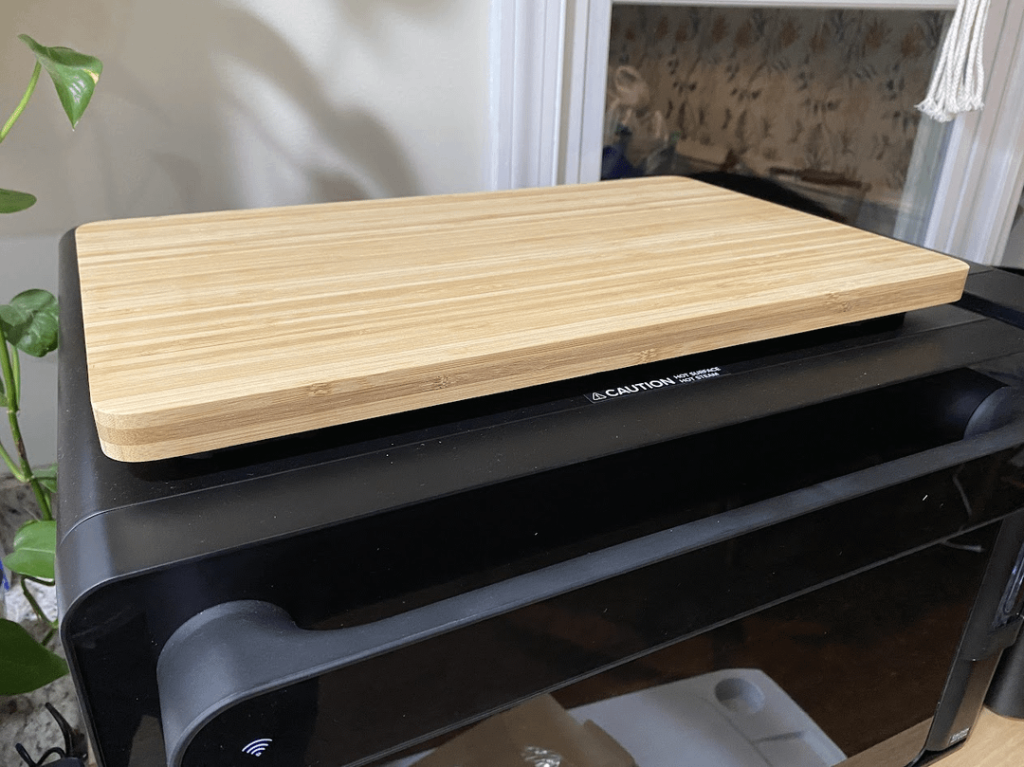
Have you ever wondered if you can put your wooden cutting board in the oven? It’s a question many home cooks ask, especially when trying to save time or get creative in the kitchen.
You might think it’s harmless, but what really happens when wood meets oven heat? Before you risk ruining your favorite cutting board or even causing a fire, keep reading. This article will give you clear answers and smart tips to protect your kitchen tools—and your safety.
Don’t make a costly mistake; find out what you need to know right now.

Credit: www.amazon.com
Wooden Cutting Boards And Heat Exposure
Wooden cutting boards are popular in kitchens because they are strong and look nice. Many people wonder if they can put these boards in the oven safely.
Heat can change how wood behaves. It is important to know what happens when wood is exposed to high temperatures like in an oven.
Material Properties Of Wood
Wood is made of fibers that come from trees. It is natural and porous, which means it can absorb water and air.
Wood changes size and shape when it gets wet or dry. It can also get weaker or crack under heat. These properties affect how wood handles oven heat.
How Wood Reacts To Oven Temperatures
When wood is heated in an oven, it dries out quickly. This makes the wood shrink and can cause cracks or splits.
Oven heat can burn the wood or make it change color. It can also release smells or smoke. These effects make wooden cutting boards unsafe for oven use.
- Wood loses moisture and shrinks at high heat
- Cracks and splits can form
- Wood may burn or discolor
- Heat can cause unpleasant smells
- Wood is not designed for oven temperatures

Credit: www.amazon.in
Risks Of Putting Wood In The Oven
Wooden cutting boards are great for food prep. Some people wonder if they can use them in the oven. Putting wood in the oven can cause problems.
Wood is not made to handle high oven heat. It can be unsafe and damage the board. Let’s look at the main risks of putting wood in the oven.
Fire Hazards
Wood is flammable. When exposed to oven heat, it can catch fire. This is very dangerous in a kitchen.
Ovens get very hot, often over 400°F (204°C). Wood can ignite or smolder at these temperatures. This can start a fire inside the oven or the kitchen.
- Wood can catch fire quickly
- Oven heat is much higher than safe wood temperatures
- Fire can damage your oven and home
Warping And Cracking
Wood reacts to heat by changing shape. High oven heat can dry out the wood fast. This causes warping and cracking.
Warped or cracked boards are unsafe for cutting food. They can harbor bacteria and break easily. The board may also lose its smooth surface.
- Heat dries wood quickly
- Wood changes shape and cracks
- Damaged boards are unsafe and unusable
Release Of Harmful Chemicals
Some wooden boards have finishes or treatments. Heat from the oven can release harmful chemicals from these coatings. This can affect food safety.
Even untreated wood may release small amounts of natural compounds that taste or smell bad. These can make your food unsafe or unpleasant.
- Finishes can release toxic fumes in heat
- Natural wood compounds may affect food
- Oven heat increases chemical release risks
Safe Alternatives For Oven Use
Wooden cutting boards are not safe for oven use. Heat can damage the wood and cause warping or cracking. It can also release harmful fumes or catch fire.
There are better options for using in the oven. These alternatives can handle high temperatures safely and protect your food.
Heat-resistant Cutting Boards
Some cutting boards are made from materials that resist heat well. These boards can handle warm conditions but not very high oven temperatures.
Boards made from bamboo or thick plastic can tolerate some heat. They are good for warm foods but should not be placed inside a hot oven for long.
- Bamboo boards resist moderate heat and moisture
- Thick plastic boards can handle heat but may melt if too hot
- Always check manufacturer guidelines before heating
Oven-safe Cookware Options
Use cookware made for ovens to keep food safe and cook well. These items can handle high heat without damage.
Materials like glass, metal, and ceramic are good choices. They heat evenly and do not catch fire or release harmful chemicals.
- Glass baking dishes
- Metal pans and trays
- Ceramic casseroles
- Silicone mats and molds

Credit: www.amazon.com
Maintenance Tips For Wooden Boards
Wooden cutting boards need proper care to last longer and stay safe to use. Cleaning and maintaining them prevents cracks and bacteria buildup. This guide helps you keep your wooden boards in good shape.
Following easy steps for cleaning and oiling will keep your board smooth and strong. These tips are simple to follow and work well for all wooden boards.
Cleaning And Drying
Clean your wooden board right after use. Avoid soaking it in water to prevent warping. Use mild soap and warm water to wash the surface gently.
- Rinse board with warm water immediately after use.
- Use a soft sponge and mild soap to clean it.
- Do not put the board in the dishwasher.
- Dry the board with a clean towel after washing.
- Stand the board upright to air dry fully.
Oiling And Conditioning
Oiling your wooden board keeps it from drying out and cracking. Use food-safe oils like mineral oil or beeswax to condition the surface. Apply oil regularly to maintain the wood’s natural shine and strength.
| Oiling Frequency | Recommended Oil |
| Once a month | Food-grade mineral oil |
| Every 3 months | Beeswax conditioner |
| As needed | Coconut oil (unscented, pure) |
When To Avoid Using Wooden Boards
Wooden cutting boards are great for many kitchen tasks. But they are not safe for every cooking method.
Using wooden boards in the oven can cause damage. It can also create unsafe conditions in your kitchen.
High Heat Cooking
Wood is not meant to handle very high heat. Putting a wooden board in a hot oven can cause it to burn.
High heat can make the wood crack or warp. This ruins the board and might make it unsafe to use.
- Wood can catch fire at high temperatures
- Heat damages the wood’s surface and shape
- Burnt wood can release harmful chemicals
Prolonged Heat Exposure
Leaving a wooden board in the oven for a long time is risky. Prolonged heat weakens the wood fibers.
This can cause the board to dry out and split. It also makes the board less durable and harder to clean.
- Long heat exposure dries out the wood
- Dry wood cracks and loses strength
- Damaged boards can harbor bacteria
Frequently Asked Questions
Can A Wooden Cutting Board Withstand Oven Heat?
No, wooden cutting boards are not designed for oven use. The intense heat can cause them to warp, crack, or even ignite. It’s best to use materials specifically designed for high temperatures when baking or roasting.
What Happens If You Bake A Wooden Cutting Board?
Baking a wooden cutting board can lead to severe damage. The heat can cause it to dry out, crack, or split. Additionally, the wood might absorb unwanted odors or flavors from the oven, ruining its usability.
Are There Alternatives To Using Wood In The Oven?
Yes, there are alternatives. Use oven-safe materials like metal, silicone, or glass for cooking or baking. These materials are designed to withstand high temperatures and provide better results without compromising safety.
How Can I Maintain My Wooden Cutting Board?
To maintain your wooden cutting board, regularly clean it with mild soap and water. Dry it immediately to prevent warping. Occasionally, apply mineral oil to keep the wood conditioned and prevent drying.
Conclusion
Wooden cutting boards do not belong in the oven. Heat can cause them to crack or warp. This damages the board and may create unsafe cooking conditions. For cooking or baking, choose oven-safe materials like metal or glass. Keep wooden boards for chopping and serving only.
Taking care of your cutting board helps it last longer. Always follow safe kitchen practices to protect your tools and food. Simple steps make a big difference in kitchen safety.