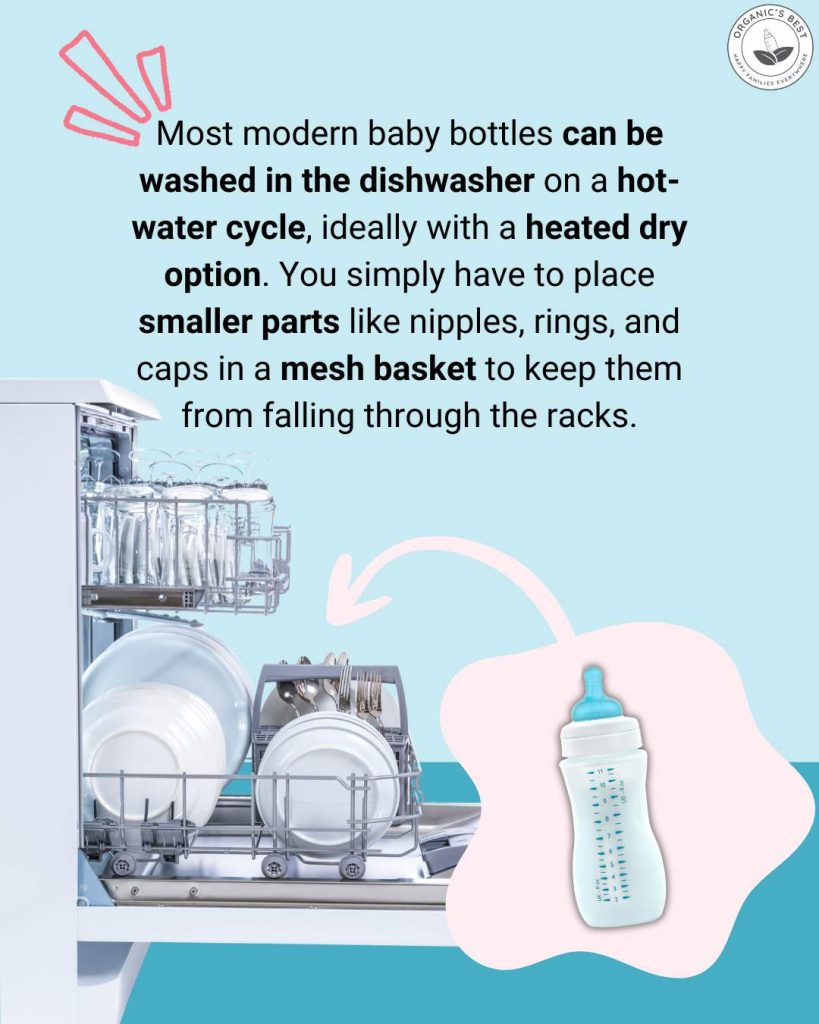
Are you a busy parent juggling endless tasks and wondering if you can save time by tossing baby bottles into the dishwasher? You’re not alone.
With all the advice and tips out there, it’s easy to feel overwhelmed. But let’s face it, you want to ensure your baby’s bottles are squeaky clean without adding more to your to-do list. So, what’s the real deal? Can your dishwasher be the secret weapon in your parenting toolkit, or is it a recipe for disaster?
Keep reading to uncover the facts, bust some myths, and discover the best practices for making your life just a little bit easier while keeping your baby safe and happy.
Credit: www.foodnetwork.com
Dishwasher Safety For Baby Bottles
Keeping baby bottles clean is essential, but you might wonder if putting them in the dishwasher is safe. Understanding dishwasher safety for baby bottles helps protect your little one’s feeding gear from damage while ensuring thorough cleaning. Let’s look at what materials can handle the dishwasher and how to avoid harming the bottles and nipples.
Materials That Withstand Dishwasher
Not all baby bottles are made equal when it comes to dishwasher safety. Look for bottles made from high-quality plastic labeled BPA-free, glass, or stainless steel. These materials usually tolerate the heat and water pressure inside the dishwasher without warping or breaking.
Plastic bottles that are dishwasher-safe often have a symbol on the bottom—check for it before placing them in the dishwasher. Glass bottles naturally resist heat but can be prone to chipping if they move around during the wash cycle. Stainless steel bottles are tough but make sure the manufacturer confirms they are dishwasher-friendly.
Avoiding Damage To Bottles And Nipples
Even dishwasher-safe bottles can suffer if not loaded carefully. Nipples are more delicate than bottles and may lose shape or crack if exposed to high heat or harsh detergents.
- Place bottles and nipples on the top rack to avoid direct contact with the heating element.
- Use a gentle or baby-specific dishwasher cycle, if available.
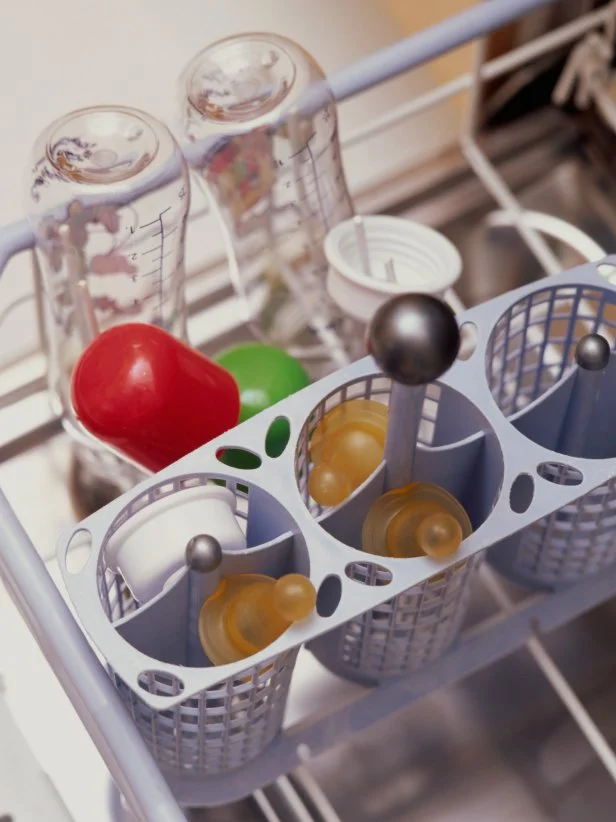
- Secure small parts in a mesh basket to prevent them from flying around and getting damaged.
Have you noticed your baby’s nipples wearing out faster after dishwasher cleaning? This usually happens because of heat exposure or rough handling inside the dishwasher. Consider hand-washing nipples or using sterilizers designed for baby items to extend their lifespan.

Credit: www.searshomeservices.com
Choosing The Right Dishwasher Setting
Choosing the right dishwasher setting ensures baby bottles come out clean and safe. Different cycles offer unique benefits. Some settings focus on high heat, while others use gentle washing. Picking the correct one protects bottles from damage and removes germs effectively.
High-temperature Wash Benefits
High-temperature washes use hot water to kill bacteria and germs. This setting helps sanitize baby bottles well. It also removes milk residue and oils thoroughly. Hot water can make bottles very clean and safe for babies. But some bottles may not handle heat well, so check the label first.
Using Gentle Or Baby Bottle Cycles
Gentle or baby bottle cycles use lower heat and softer water pressure. These settings protect delicate bottle parts like nipples and seals. They clean without causing cracks or warping. This cycle is ideal for plastic bottles and sensitive materials. It balances cleanliness with care for baby items.
Preparing Bottles For Dishwasher Cleaning
Preparing baby bottles for dishwasher cleaning ensures they come out spotless and safe. Proper preparation removes leftover milk and prevents damage. It also helps the dishwasher reach every part of the bottle.
Follow simple steps to get the best cleaning results. This preparation saves time and protects your baby’s health.
Pre-rinsing And Disassembling Parts
Start by rinsing bottles with warm water. This removes milk residue and stops buildup.
Take apart all bottle pieces. Separate nipples, rings, and caps.
- Disassemble each part completely.
- Check for small milk deposits.
- Use a small brush if needed.
Disassembling allows water and detergent to clean inside every piece.
Placement Tips For Effective Cleaning
Place bottles and parts carefully in the dishwasher.
- Put bottles upright on the top rack.
- Arrange nipples and small parts in a mesh basket.
- Avoid crowding to let water flow freely.
- Keep parts away from heating elements.
Correct placement ensures thorough washing and protects delicate pieces.
Detergents And Rinse Aids
Choosing the right detergent and rinse aid is key when cleaning baby bottles in the dishwasher. Baby items need extra care to stay safe and clean. Harsh chemicals can harm your baby’s health or damage the bottles. Detergents and rinse aids help remove milk residue and germs effectively. Using the correct products keeps bottles hygienic and safe for feeding.
Safe Detergents For Baby Items
Select detergents made for delicate baby products. These are usually free from strong fragrances and dyes. Look for labels that say “baby-safe” or “gentle formula.” Plant-based or natural detergents work well and reduce chemical exposure. Avoid powders or pods that may leave residue on bottles. Liquid detergents made for sensitive skin are a good choice. Always rinse bottles thoroughly after washing to remove detergent traces.
Avoiding Harmful Chemicals
Steer clear of detergents with bleach, phosphates, or antibacterial agents. These can irritate your baby’s skin or digestive system. Avoid products containing parabens, sulfates, or synthetic fragrances. These chemicals may linger on bottles after washing. Check the ingredient list to ensure no harsh substances are present. Choose rinse aids that are free from harmful chemicals. Some rinse aids can cause buildup or leave harmful residues. Using water-only rinse aids or skipping them can be safer for baby items.
Alternative Cleaning Methods
Cleaning baby bottles properly keeps your little one safe from germs. Some parents prefer not to use the dishwasher for bottles. Alternative cleaning methods can be just as effective. These methods ensure bottles stay clean and free from harmful bacteria.
Hand Washing Best Practices
Hand washing baby bottles requires care and attention. Use warm, soapy water and a bottle brush. Scrub all parts, including nipples and caps. Rinse bottles thoroughly with clean water. Place bottles on a clean towel to air dry. Avoid using harsh chemicals or abrasive sponges. Clean hands before starting the washing process.
Sterilizing Bottles Outside Dishwasher
Sterilizing kills bacteria that washing may miss. Boiling bottles in water for five minutes works well. Use a pot large enough to hold all parts. Remove bottles carefully using tongs to avoid burns. Another option is a microwave steam sterilizer. Follow the product instructions for safety. Sterilizing after washing helps keep bottles extra clean.

Credit: www.reddit.com
Common Mistakes To Avoid
Cleaning baby bottles in the dishwasher saves time but mistakes can harm the bottles or your dishwasher. Avoiding common errors ensures bottles stay safe and clean. Understanding these mistakes helps protect your baby’s health and your kitchen tools.
Overloading The Dishwasher
Putting too many items in the dishwasher blocks water and detergent flow. Bottles may not get clean or rinse well. Crowded racks can cause bottles to tip over or get damaged. Leave enough space between bottles and parts for effective cleaning.
Ignoring Manufacturer Instructions
Each bottle brand has specific cleaning rules. Some bottles cannot go in the dishwasher. High heat or strong detergents may damage certain plastics or coatings. Always check the bottle’s label or user guide before washing. Following instructions keeps bottles safe and lasts longer.
Frequently Asked Questions
Can Baby Bottles Go In The Dishwasher Safely?
Yes, most baby bottles are dishwasher-safe. Use the top rack to avoid heat damage. Check manufacturer guidelines for specific instructions.
How To Position Baby Bottles In The Dishwasher?
Place bottles upright on the top rack. Secure smaller parts in a dishwasher basket. This ensures thorough cleaning and prevents damage.
Does Dishwasher Cleaning Remove All Bacteria From Bottles?
Dishwashers with a hot water cycle effectively kill most bacteria. For extra safety, use a sterilizer or boil bottles occasionally.
Can Dishwasher Heat Damage Baby Bottle Nipples?
High heat can warp or damage nipples. Use the top rack and a gentle cycle to protect bottle parts during washing.
Conclusion
You can safely clean baby bottles in the dishwasher. Place bottles on the top rack to avoid damage. Use a gentle cycle and mild detergent. Make sure bottles are dishwasher-safe before washing. Hand wash small parts to prevent loss. Regular cleaning keeps bottles hygienic for your baby.
This method saves time and effort daily. Always check bottles for cracks or wear after washing. Clean bottles mean healthy feeding times and happy babies. Simple steps can make bottle cleaning easy and safe.