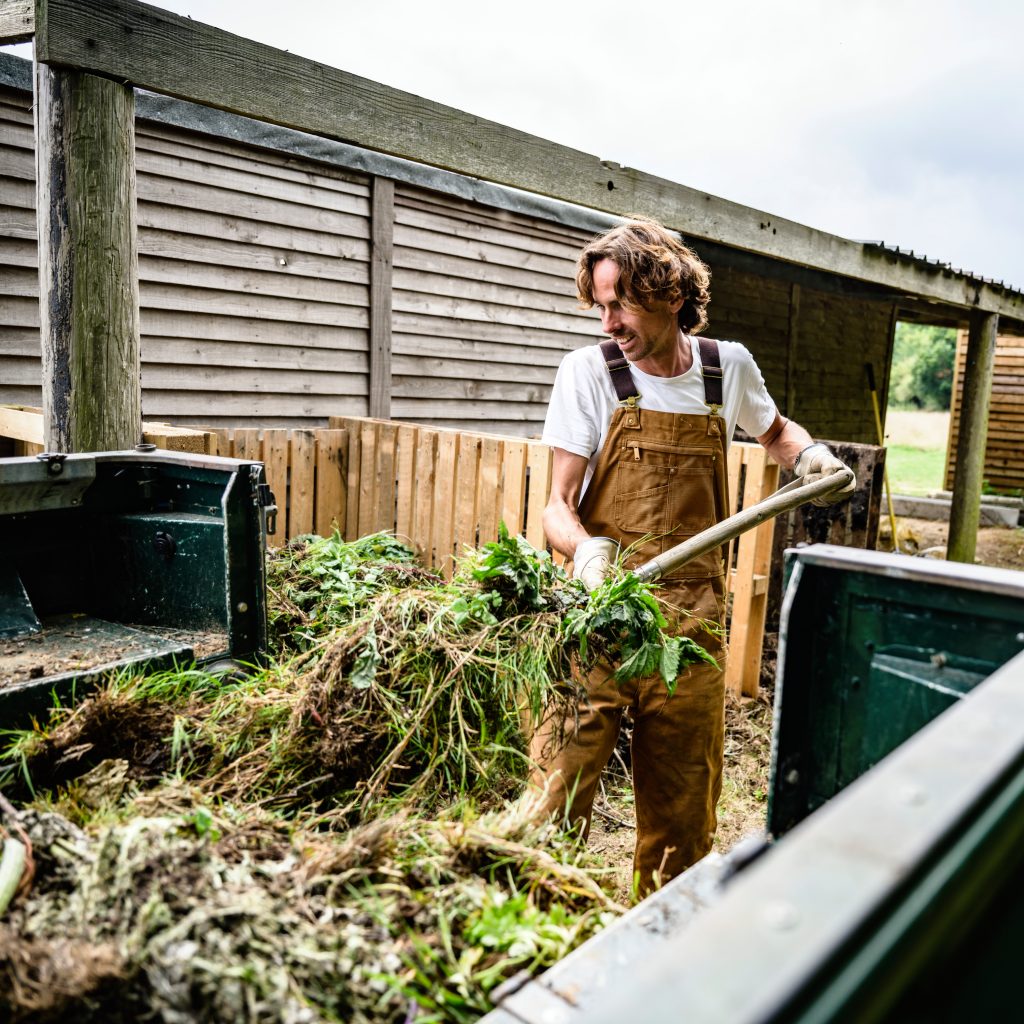
Have you ever wondered if you can put bread in your compost bin? You might be surprised to learn that not all kitchen scraps are created equal when it comes to composting.
Understanding what goes into your compost bin can make a big difference in how well it works and how quickly it breaks down. If you want to avoid pests, bad smells, and keep your compost healthy, it’s important to know the right way to handle bread and other leftovers.
Keep reading to find out if bread belongs in your compost and how to compost it properly for the best results.

Credit: www.youtube.com
Bread And Composting Basics
Bread is a common kitchen leftover. Many wonder if bread can go into the compost bin. Composting turns food waste into rich soil material.
Not all food scraps compost the same way. Bread has some special traits to consider before adding it to compost.
What Happens To Bread In Compost
Bread breaks down quickly in a compost pile. Microorganisms like bacteria and fungi feed on it. This helps create healthy compost.
Too much bread can cause problems. It may attract pests like rats or flies. Bread can also make the compost pile too wet or smelly.
- Bread adds carbon and nutrients to compost.
- It decomposes faster than many other foods.
- Large amounts can invite unwanted pests.
- Proper mixing with other materials helps balance moisture.
Types Of Bread Suitable For Compost
Most bread types can go in compost if added in small amounts. Fresh bread and dry bread both break down well. Avoid bread with mold if possible.
Heavy bread with seeds or nuts may take longer to decompose. White bread, whole wheat, and rye bread work fine. Bread with lots of preservatives may slow composting.
- White bread
- Whole wheat bread
- Rye bread
- Dry or stale bread
- Bread without heavy preservatives
Credit: www.mcenroeorganicfarm.com
Benefits Of Composting Bread
Composting bread helps reduce waste and enrich soil. Bread breaks down quickly in compost bins.
Adding bread to compost supports healthy plants and lowers landfill trash. It’s a smart way to use leftover bread.
Nutrient Contribution To Soil
Bread adds important nutrients to compost. It contains carbohydrates and small amounts of protein and minerals.
- Carbohydrates feed beneficial microbes in soil
- Protein helps improve soil structure
- Minerals support plant growth
- Breaks down quickly to release nutrients fast
Reducing Food Waste Impact
Throwing bread away adds to landfill waste. Composting bread lowers methane gas from rotting bread in landfills.
| Benefit | Impact |
| Less landfill waste | Reduces trash volume |
| Lower greenhouse gases | Decreases methane emissions |
| Resource saving | Uses bread leftovers productively |
Potential Issues With Bread In Compost
Bread can be composted, but it may cause problems. Understanding these issues helps maintain a healthy compost.
Let’s explore some challenges with adding bread to your compost bin.
Attracting Pests And Rodents
Bread in compost can attract pests like mice and rats. These animals are drawn to the smell and texture of bread.
Keeping pests out of your compost is crucial. They can spread disease and create a mess.
- Cover bread with leaves or grass
- Use a closed compost bin
- Check for signs of pests regularly
Mold Growth Concerns
Bread can quickly grow mold in a compost bin. Mold can spread and affect other compost materials.
Moldy bread can slow down the composting process. It may also produce unpleasant smells.
- Break bread into smaller pieces
- Mix bread with dry materials
- Avoid adding too much bread at once
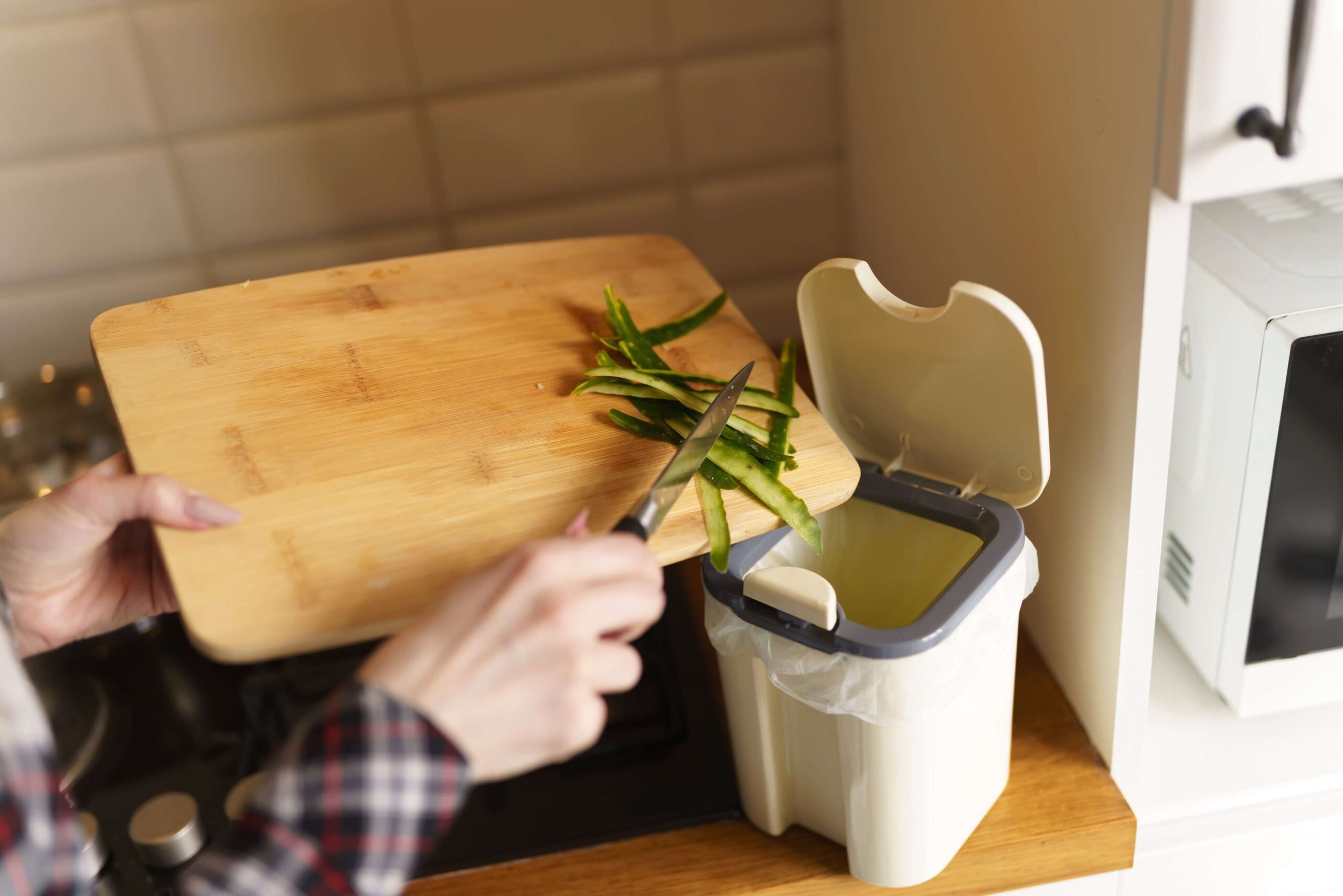
Credit: www.texasdisposal.com
Best Practices For Composting Bread
Composting bread helps reduce food waste and enriches soil. You must prepare it properly to avoid pests and odors. This guide shares tips on how to compost bread safely and effectively.
Adding bread alone can cause problems. Balancing bread with other compost materials is important for good results. Learn how to prepare and mix bread in your compost bin.
Preparation Tips Before Composting
Break bread into small pieces before adding it to the compost bin. This helps microbes break it down faster. Avoid bread with mold or preservatives as they can harm compost quality.
- Remove any plastic or packaging materials
- Tear bread into small chunks or crumbs
- Avoid large amounts of bread at once
- Skip bread with heavy mold or artificial additives
- Consider drying bread to reduce moisture
Balancing Bread With Other Materials
| Material Type | Examples | Role in Compost |
| Green Materials | Fruit scraps, vegetable peels, coffee grounds | Provide nitrogen for microbes |
| Brown Materials | Dry leaves, straw, shredded paper | Add carbon and absorb moisture |
| Bread | Sliced bread, crumbs, stale bread | High moisture and sugar, use sparingly |
Mix bread with brown materials to prevent clumping and bad smells. Too much bread creates wet spots that slow composting. Balance bread by layering it between green and brown waste.
Alternatives To Composting Bread
Bread can be tricky to compost because it attracts pests and molds fast. There are better ways to handle leftover bread.
Here are some safe and creative ideas to reduce bread waste without adding it to your compost bin.
Feeding Bread To Animals Safely
Many animals like bread, but feeding it carelessly can harm them. Always give small amounts and avoid moldy bread.
Fresh bread can be given to ducks, chickens, and some pets in moderation. It should not replace their main diet.
- Break bread into small pieces to avoid choking
- Check that bread has no mold or added spices
- Feed animals in safe, designated areas
- Do not feed bread to wild animals too often
Creative Ways To Reduce Bread Waste
Instead of throwing bread away, you can reuse it in many simple ways. This reduces waste and saves money.
Try turning stale bread into snacks or meals. These ideas help you enjoy bread longer without composting it.
- Make breadcrumbs to use for cooking or coating
- Toast slices for croutons in salads and soups
- Use bread to soak up sauces in recipes
- Create bread pudding or French toast with old bread
- Share extra bread with neighbors or food banks
Expert Tips For Eco-friendly Waste Management
Composting helps reduce waste and enrich soil. Many wonder if bread can go in compost bins.
Bread breaks down but can attract pests. Let’s explore how to compost it safely and well.
Maximizing Compost Efficiency
Bread adds carbon and moisture to compost. Cut it into small pieces to speed decay.
Mix bread with dry leaves or paper. This keeps the compost balanced and less sticky.
- Break bread into smaller bits
- Mix with brown materials like leaves
- Cover bread to avoid pests
- Turn compost regularly for air
Avoiding Common Composting Mistakes
Adding too much bread can cause bad smells and pests. Use bread sparingly in compost.
Do not add moldy or heavily processed bread. These can harm the compost balance.
- Do not add large amounts of bread at once
- Avoid bread with mold or chemicals
- Keep compost dry to prevent odors
- Cover food scraps to deter animals
Frequently Asked Questions
Can I Compost Bread In My Home Compost Bin?
Yes, you can compost bread in a home bin. Break it into small pieces for faster decomposition. Avoid moldy or heavily processed bread to prevent pests and odors.
Does Bread Attract Pests In Compost Bins?
Bread can attract pests like rats and flies if added in large amounts. Use it sparingly and bury it under other compost materials to reduce pest issues.
How Long Does Bread Take To Decompose In Compost?
Bread usually breaks down within 1 to 2 weeks in a warm, well-maintained compost bin. Cutting it into smaller pieces speeds up the process.
Can Moldy Bread Be Composted Safely?
Moldy bread can be composted safely as mold breaks down naturally. However, add it in moderation and mix well to avoid bad smells and pests.
Conclusion
Bread can go in your compost bin but needs care. Avoid adding large amounts at once to stop pests. Break bread into small pieces for faster composting. Mix it well with dry leaves or paper for balance. Keep your compost moist but not too wet.
Watch for mold or bugs and adjust as needed. Composting bread helps reduce waste and enrich soil. Simple steps make your compost healthy and effective. Give it a try and see the benefits grow.