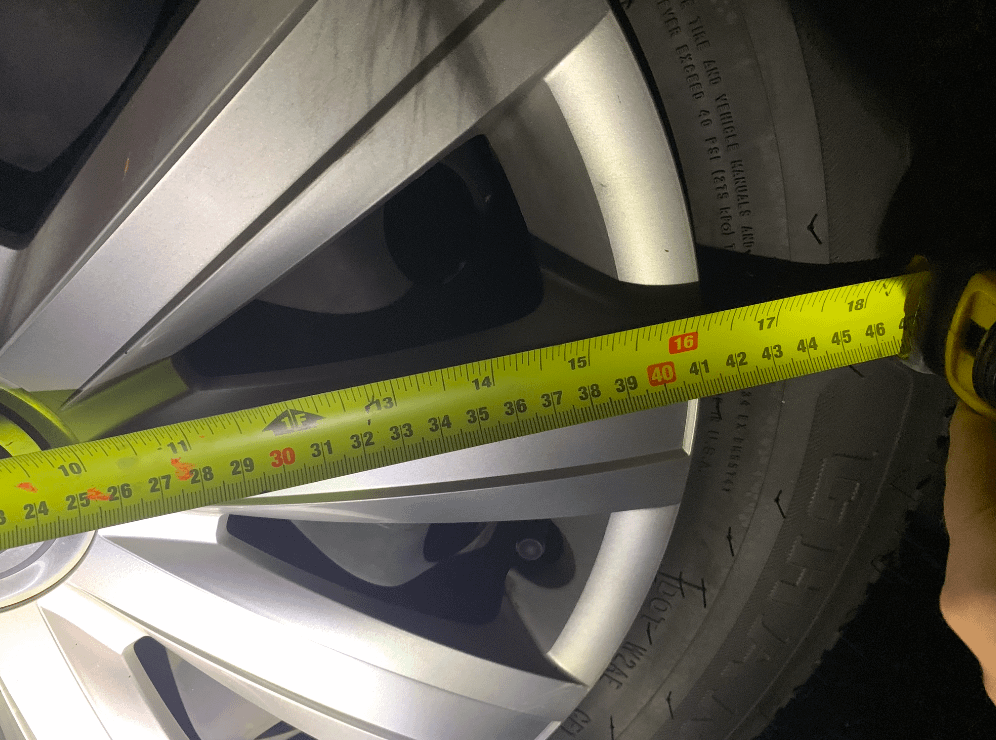
Are you thinking about putting different size tires on your car but aren’t sure if it’s safe or smart? You’re not alone.
Many drivers wonder if mixing tire sizes will affect their car’s performance or cause problems down the road. The truth is, changing your tire sizes can impact how your car handles, how comfortable your ride is, and even your safety.
Before you make a decision, it’s important to understand what happens when you use different size tires and whether it’s the right choice for your vehicle. Keep reading to find out everything you need to know about using different size tires on your car.
Tire Size Basics
Tires come in many sizes to fit different cars. The right size helps your car drive safely and smoothly.
Choosing the right tire size is important. Wrong sizes can cause problems with handling and safety.
How Tire Sizes Are Measured
Tire size is shown as a code on the tire sidewall. It shows width, height, and wheel size.
The size looks like this: 205/55R16. The first number is tire width in millimeters.
- 205 means the tire is 205 mm wide
- 55 is the aspect ratio, or tire height as a percent of width
- R means radial construction
- 16 is the wheel diameter in inches
Importance Of Matching Tire Sizes
Using the same tire size on all wheels keeps your car balanced. Different sizes can cause handling problems.
Mismatched tires can affect braking and wear out parts faster. They may also confuse your car’s safety systems.
- Better control and stability
- Even tire wear
- Correct speedometer reading
- Proper function of ABS and traction control
Mixing Tire Sizes
Using different size tires on your car can affect safety and performance. Some drivers wonder if mixing tire sizes is okay.
It is important to know how tire sizes work before changing them. This helps you avoid problems on the road.
Possible Combinations
You can mix tire sizes in a few ways. Some combinations work better than others. Knowing these helps keep your car safe.
- Same size tires on all wheels: Best for balance and control.
- Bigger tires on the rear: Common for trucks and some sports cars.
- Different width but same diameter: Sometimes used for better grip.
- Mixing tire brands or tread patterns: May affect traction and handling.
Common Practices In Tire Sizing
Most cars come with the same tire size on all wheels. This keeps driving smooth and safe. Car makers design this way.
Some cars use different sizes front and back. This is usual in performance or all-wheel-drive cars. It helps with grip and handling.
- Check your car manual for recommended tire sizes.
- Use tires with the same diameter to avoid speedometer errors.
- Keep tire pressure correct for each tire size.
- Replace all tires at the same time if possible.
Impact On Vehicle Performance
Putting different size tires on your car can affect how it drives. It changes the way your vehicle handles and its fuel use. These changes also affect parts like the suspension.
This guide explains how tire size differences impact handling, fuel efficiency, and suspension wear.
Handling And Stability
Different tire sizes can make your car harder to control. The grip on each tire may not match, causing uneven traction.
- The car may pull to one side during driving.
- Braking distance can increase.
- Turning response might feel slow or uneven.
- Risk of losing stability on wet or slippery roads rises.
Fuel Efficiency Considerations
Tires of different sizes affect fuel use by changing how hard the engine works. Larger or mismatched tires add resistance.
| Tire Size Combination | Effect on Fuel Efficiency |
| All tires same size | Best fuel efficiency |
| Front larger than rear | Moderate increase in fuel use |
| Rear larger than front | Higher fuel consumption |
| Mixed sizes on all wheels | Most fuel inefficient |
Wear And Tear On Suspension
Suspension parts work harder with different tire sizes. Uneven tire size changes the weight and force on each wheel.
Signs of suspension wear due to mismatched tires:
- Uneven tire wear
- Vibrations felt inside the car
- Noise from suspension parts
- Loose or shaky steering

Credit: carfromjapan.com
Safety Concerns
Using different size tires on your car can affect safety. Tires help your car stop, grip the road, and stay stable. Changes in tire size might cause problems in these areas.
It is important to understand how different tire sizes impact your car’s performance. This helps you avoid accidents and keep control of your vehicle.
Braking Efficiency
Different size tires can change how your car brakes. Larger or smaller tires affect the distance needed to stop. This can make braking less predictable.
If the tires do not match, the brakes may work unevenly. This can cause the car to pull to one side or increase stopping time. Proper tire size helps keep braking safe and steady.
Traction And Grip Issues
Tires with different sizes can have different grip levels. This affects how well your car sticks to the road. Poor grip can lead to slipping or loss of control.
Mixing tire sizes can confuse your car’s traction control system. This may reduce its ability to keep your car stable on wet or slippery roads.
Potential Risks On Different Terrains
Different sized tires can cause issues on rough or uneven ground. They may affect how your car handles dirt, gravel, or snow. This can increase the chance of getting stuck or losing control.
Off-road driving or bad weather needs tires that work well together. Using mismatched sizes may reduce your car’s ability to handle tough terrain safely.
Manufacturer Recommendations
Car makers design tires to match your car’s needs. They give rules on tire size for safety and performance.
Using the right size tires helps your car work well. It also keeps you safe on the road.
Why Follow Oem Guidelines
OEM means Original Equipment Manufacturer. These guidelines come from the car maker.
Following them keeps your car balanced and drives smoothly. It also helps your tires last longer.
- Ensures correct speedometer readings
- Keeps car handling safe and stable
- Protects suspension and brakes
- Maintains fuel efficiency
- Prevents uneven tire wear
Consequences Of Ignoring Recommendations
Using the wrong tire size can cause many problems. It may make your car unsafe to drive.
It can also damage parts of your car and cost more money in repairs.
- Wrong speedometer and odometer readings
- Poor handling and increased accident risk
- Damage to suspension and drivetrain
- Faster and uneven tire wear
- Reduced fuel economy
- Possible warranty issues

Credit: www.reddit.com
When Different Sizes Are Acceptable
Using different size tires on your car can seem risky. Still, some situations allow it safely. Knowing when it is okay helps you avoid damage.
This guide covers common cases where using different tire sizes works well. Each case has its own reasons and rules.
Staggered Tire Setups
Staggered setups use wider tires on the rear axle. This design gives better traction and handling. Sports cars often use this setup.
- Front tires are narrower for steering control
- Rear tires are wider for power and grip
- Wheel diameters usually stay the same
- It improves cornering and stability
Always match the tire diameter closely to avoid speedometer errors and handling problems.
Off-road And Performance Vehicles
Off-road vehicles often need bigger tires on one axle. This helps clear mud or rocks. Performance vehicles might use different sizes for better traction.
| Vehicle Type | Reason for Different Sizes | Common Tire Setup |
| Off-Road Truck | More ground clearance | Larger rear tires |
| Performance Car | Improved rear grip | Wider rear tires |
| Custom SUV | Handling balance | Mixed front and rear sizes |
Check your vehicle manual before changing tire sizes for off-road or performance use.
Temporary Situations
Sometimes, different size tires are okay for short times. This happens if you replace one tire or use a spare. It is not a long-term fix.
Temporary use tips:
- Keep speed low and drive carefully
- Replace the mismatched tire soon
- Use the same diameter, if possible
- Avoid long trips with different sizes
Tips For Choosing The Right Tires
Choosing the right tires for your car is important for safety and performance. Different tire sizes can affect how your car drives.
It is okay to use different size tires if done correctly. Here are some tips to help you choose the right tires.
Consulting A Tire Professional
A tire professional can give you advice based on your car and driving needs. They know which tire sizes work best and are safe.
They can also help you find tires that fit your budget and style. Getting expert help reduces the risk of problems later.
Checking Vehicle Specifications
Your car’s manual has important information about tire sizes. Follow these specs to keep your car safe and balanced.
Using the wrong tire size can harm your car’s handling and cause uneven wear. Check the tire pressure and load rating too.
- Look for recommended tire size in the manual or door sticker
- Check load index and speed rating
- Match tire pressure to the manufacturer’s advice
Balancing Aesthetics And Functionality
Different tire sizes can change how your car looks. Some sizes give a sportier or taller look.
But it is important to not sacrifice safety for style. Choose tires that fit well and work with your car’s system.
- Pick tires that match your driving style
- Keep tire sizes compatible with your car’s suspension
- Consider how tires affect fuel efficiency and comfort

Credit: carfromjapan.com
Maintaining Mixed Tire Sizes
Using different size tires on your car can affect its handling and safety. Proper care helps keep your vehicle balanced and safe. This guide covers key maintenance tips to manage mixed tire sizes well.
Check your tires often to spot issues early. Follow these simple steps to keep your tires in good shape.
Regular Inspections
Inspect your tires every few weeks. Look for uneven wear, cracks, or damage. Mixed tire sizes can cause uneven tread wear. Catching problems early prevents bigger issues later.
- Check tread depth on all tires
- Look for sidewall cracks or bulges
- Inspect tire wear patterns
- Ensure tires are clean and free from debris
Rotation And Alignment
Rotate your tires regularly to balance wear. Mixed sizes need careful rotation plans. Alignment keeps tires pointing straight. Poor alignment causes uneven wear and poor handling.
| Maintenance Task | Frequency |
| Tire Rotation | Every 5,000 to 7,000 miles |
| Wheel Alignment | Once a year or after suspension work |
| Tire Balance | When new tires are installed or vibration occurs |
Monitoring Tire Pressure
Check tire pressure weekly. Different sizes may need different air pressures. Proper inflation improves safety and fuel efficiency. Use a reliable gauge and adjust pressures as recommended.
Quick Tire Pressure Tips:
- Check pressure when tires are cold
- Use manufacturer’s pressure guide
- Adjust pressure for mixed tire sizes if needed
- Keep a portable pressure gauge in your car
Frequently Asked Questions
Can I Mix Tire Sizes On The Same Axle?
Mixing tire sizes on the same axle is not recommended. It can cause uneven wear and handling problems. Always use matching sizes on each axle to ensure safety and performance.
What Happens If I Use Different Size Tires?
Using different size tires affects vehicle stability and traction. It can lead to inaccurate speedometer readings and potential drivetrain damage. Consistency in tire size is crucial for optimal driving safety.
Are Different Tire Sizes Legal On Cars?
Laws vary by location, but most regions require matching tire sizes on axles. Check local regulations before using different tire sizes to avoid fines and ensure vehicle compliance.
How Do Different Size Tires Affect Fuel Efficiency?
Different size tires can reduce fuel efficiency due to increased rolling resistance. Larger tires may cause the engine to work harder, leading to higher fuel consumption.
Conclusion
Choosing different size tires can affect your car’s safety and performance. Small changes might be okay, but big differences can cause problems. Always check your car’s manual or ask a tire expert before switching sizes. Proper tires help your car drive smoothly and stay safe on the road.
Remember, the right tires keep control and improve fuel use. Think carefully before mixing tire sizes. Safe driving starts with good tires.