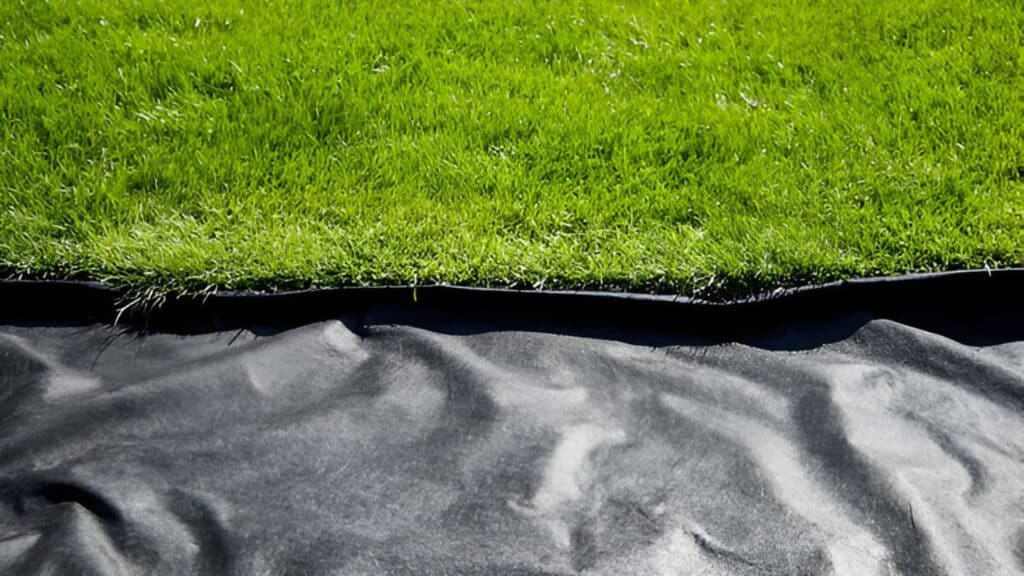
Are you thinking about using landscape fabric to control weeds in your yard? You might wonder, “Can I put landscape fabric over grass?”
It’s a common question because you want a clean, healthy garden without spending hours pulling weeds. The answer isn’t as simple as yes or no. How you prepare your lawn and use the fabric can make a big difference in your results.
Keep reading, and you’ll discover the best way to protect your garden, save time, and get the beautiful outdoor space you deserve.
Purpose Of Landscape Fabric
Landscape fabric is a tool used in gardening and landscaping. It helps manage soil and plant growth. Many gardeners use it to make their outdoor space easier to care for.
This fabric is placed over soil or grass to serve different purposes. It works by controlling weeds, keeping soil moist, and improving garden upkeep.
Weed Control Benefits
One main reason to use landscape fabric is to block weeds. Weeds compete with plants for water and nutrients. The fabric stops light from reaching weed seeds, which lowers their growth.
- Prevents weed seeds from sprouting
- Reduces need for chemical herbicides
- Keeps garden beds looking tidy
Soil Moisture Retention
Landscape fabric helps keep water in the soil. It slows down evaporation from the surface. This means plants get water for longer periods, especially during dry weather.
| Benefit | Description |
| Water Conservation | Reduces water loss by covering soil |
| Root Health | Keeps soil moist for better root growth |
| Less Frequent Watering | Plants need watering less often |
Improving Garden Maintenance
Using landscape fabric makes garden care easier. It lowers the time spent on weeding and watering. This helps gardeners focus on other tasks.
- Reduces weed growth to save time
- Keeps soil neat and tidy
- Supports healthy plants with stable soil moisture
- Makes mulching easier and lasts longer

Credit: www.amazon.ca
Challenges Of Placing Fabric On Grass
Using landscape fabric over grass may seem like a good way to stop weeds. The fabric blocks sunlight and stops growth. Still, there are several challenges to consider before placing fabric on grass.
This article explains three main challenges: how grass grows under fabric, risks of mold and rot, and concerns about fabric durability. These points can help you make the right choice.
Grass Growth Under Fabric
Grass can still grow even if fabric covers it. The fabric blocks sunlight, but grass may survive for a while by using stored energy in its roots. This can cause uneven ground and bumps.
- Grass may die slowly, leaving dead patches.
- Roots can grow under the fabric and lift it.
- Some grass types are tougher and resist fabric better.
- Water can still reach grass through fabric holes.
Potential For Mold And Rot
When fabric covers grass, moisture often gets trapped underneath. This wet environment can cause mold and rot. Mold grows well in dark, damp places under the fabric.
| Issue | Cause | Effect |
| Mold Growth | Trapped moisture | Unpleasant smell, health risks |
| Rot | Wet conditions | Damage to grass roots and soil |
| Fabric Damage | Decay from moisture | Weakened fabric strength |
Fabric Durability Concerns
Landscape fabric faces wear and tear when placed over grass. Roots and soil movement can tear the fabric. Sunlight may also weaken it if not covered properly.
- Sharp grass roots can puncture fabric.
- Soil shifting causes fabric to wrinkle or rip.
- Ultraviolet light breaks down fabric fibers.
- Heavy foot traffic wears fabric faster.
- Low-quality fabric lasts shorter under these conditions.
Preparing Grass Before Installation
Installing landscape fabric requires proper preparation of the grass area. This ensures the fabric works effectively and lasts longer.
Follow these steps to prepare your grass for landscape fabric installation.
Mowing And Trimming
Mow the grass to a short length. This helps in laying the fabric flat and even.
- Set your mower to the lowest height.
- Trim the edges with a string trimmer.
- Collect all clippings to leave a clean surface.
Grass Removal Techniques
Removing grass ensures the landscape fabric sits properly. Choose the method that suits you best.
| Technique | Description |
| Manual Digging | Use a spade to remove grass by hand. |
| Sod Cutter | Machine that cuts grass in strips for removal. |
| Herbicide | Apply to kill grass before laying fabric. |
Soil Preparation
Prepare the soil to support the landscape fabric. This step is crucial for a smooth installation.
Step-by-step Installation Guide
Installing landscape fabric over grass helps control weeds and improves soil moisture. It creates a barrier that stops grass from growing through your garden beds.
This guide shows you how to measure, cut, and secure the fabric. You will also learn how to add mulch or gravel for a clean finish.
Measuring And Cutting Fabric
Start by measuring the area where you want to put the fabric. Use a tape measure to get the length and width of the space.
Cut the fabric to size using sharp scissors or a utility knife. Leave extra fabric around the edges to cover the ground fully.
- Measure length and width of the area
- Mark fabric with chalk or pencil
- Cut fabric with scissors or utility knife
- Leave 6-12 inches extra fabric on all sides
Securing Fabric Properly
Place the fabric over the grass. Smooth it out to remove wrinkles and air pockets. Make sure the fabric lays flat on the ground.
Use landscape staples or pins to hold the fabric in place. Secure staples every few feet along the edges and seams.
- Lay fabric flat on the ground
- Overlap seams by 6 inches if needed
- Use staples or pins to secure edges
- Staple every 3-4 feet for stability
Adding Mulch Or Gravel
Cover the fabric with mulch or gravel to protect it from sun damage. This also improves the look of your garden bed.
Spread a 2-3 inch layer evenly over the fabric. Avoid piling mulch too high to allow water to reach the soil.
- Choose mulch or gravel for cover
- Spread 2-3 inches thick layer
- Keep mulch below plant crowns
- Water the area lightly after installation
Maintaining Fabric Over Time
Landscape fabric can help control weeds and improve garden health. It needs regular care to work well over time. Checking the fabric often keeps your garden tidy and plants healthy.
Proper maintenance stops grass and weeds from growing through the fabric. It also prevents damage that can reduce its effectiveness. Learn how to keep your landscape fabric in good shape.
Checking For Grass Growth
Grass can sometimes grow through small holes or edges of the fabric. Look closely every few weeks to find new growth early. Catching grass soon makes it easier to remove.
Use a hand tool or your fingers to pull out any grass shoots. Do not pull too hard to avoid tearing the fabric. Keep the fabric edges tight to the ground to stop grass from sneaking in.
Repairing Tears Or Damage
Fabric can tear from weather, animals, or gardening tools. Fix small tears quickly to stop weeds from growing through. Use landscape fabric tape or a patch of similar fabric.
Clean the area around the tear before patching. Cut the patch larger than the hole. Secure it firmly with landscape staples to keep it in place.
- Remove dirt and debris from the damaged spot
- Cut a patch that covers the tear by at least 2 inches
- Use fabric tape or staples to secure the patch
- Press down edges to prevent lifting
Replacing Fabric When Needed
Landscape fabric does not last forever. Over time, it may break down or get too damaged. Replace the fabric if it has many holes or weak spots.
Remove old fabric carefully to avoid disturbing plants. Lay new fabric smoothly and secure it well. This keeps your garden protected from weeds and grass.

Credit: www.bobvila.com
Alternatives To Landscape Fabric
Landscape fabric can block weeds but may cause problems for grass underneath. Many gardeners look for other ways to keep weeds away without harming the soil or plants.
Here are some good options to try instead of landscape fabric. These methods help control weeds and keep your garden healthy.
Organic Mulch Options
Organic mulches cover the soil and stop weeds by blocking sunlight. They also add nutrients as they break down.
- Wood chips
- Bark mulch
- Straw or hay
- Leaves
- Grass clippings
Chemical Weed Barriers
Chemical weed barriers use herbicides to stop weed growth. They need careful use to avoid damage to other plants.
| Type | Effect | Notes |
| Pre-emergent herbicides | Stop weed seeds from sprouting | Apply before weeds grow |
| Post-emergent herbicides | Kills growing weeds | Use on visible weeds only |
| Natural herbicides | Use plant-based ingredients | Less harmful to environment |
Natural Ground Covers
Natural ground covers are plants that grow low and spread fast. They block weeds by taking space and light.
- Clover
- Vinca minor
- Ajuga
- Periwinkle
- Creeping thyme
Common Mistakes To Avoid
Using landscape fabric over grass can help control weeds. It also lets water pass through to the soil. But many people make mistakes that reduce its effectiveness.
Avoiding these errors will help your fabric last longer. It will also keep your garden healthy and neat.
Installing Over Thick Grass
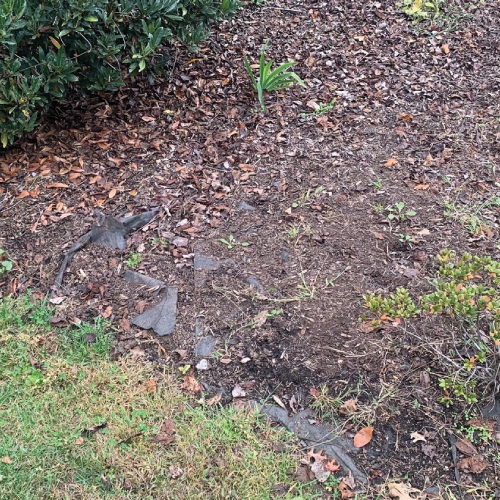
Putting landscape fabric directly over thick grass is a big mistake. The grass will keep growing under the fabric. This causes bumps and tears in the material.
It is better to cut or remove the grass first. This stops the grass from pushing through and ruining the fabric.
Skipping Soil Preparation
Many forget to prepare the soil before laying fabric. If the soil is uneven or full of weeds, the fabric won’t work well.
Clear the soil of weeds and smooth it out. This helps the fabric lie flat and stop weeds from growing.
- Remove rocks and sticks
- Pull out any weeds or roots
- Level the ground with a rake
Ignoring Fabric Maintenance
Some think landscape fabric needs no care after installation. This is wrong. Over time, soil and debris can cover the fabric and block water.
Check the fabric regularly. Remove leaves and dirt. This keeps water flowing and stops weeds from growing on top.
- Clear debris at least twice a year
- Fix any tears or holes quickly
- Add mulch to protect the fabric
Credit: www.carringtonlawn.com
Frequently Asked Questions
Can I Install Landscape Fabric Directly Over Grass?
Yes, you can install landscape fabric over grass, but it’s best to mow and remove thick growth first. This prevents weeds and helps fabric lay flat, improving its effectiveness for weed control and soil protection.
How Long Does Landscape Fabric Last On Grass?
Landscape fabric typically lasts 5 to 10 years when installed properly over grass. Its durability depends on sunlight exposure, fabric quality, and maintenance, ensuring long-term weed prevention and soil erosion control.
Will Grass Grow Through Landscape Fabric?
Grass can grow through landscape fabric if it’s thin or damaged. Proper installation with a high-quality, thick fabric and securing edges reduces grass growth and maintains a clean, weed-free garden bed.
Should I Remove Grass Before Laying Landscape Fabric?
Removing grass is recommended for better fabric performance. It stops grass roots from growing through and ensures the fabric lies flat, creating an effective barrier against weeds and improving overall garden health.
Conclusion
Putting landscape fabric over grass can work well with care. It stops weeds and keeps soil dry. But grass may grow through if not done right. Clear the grass first for best results. Choose the right fabric for your garden needs.
Regular checks help keep your landscape healthy and neat. This simple step saves time and effort later. Try it for a cleaner, easier garden space.