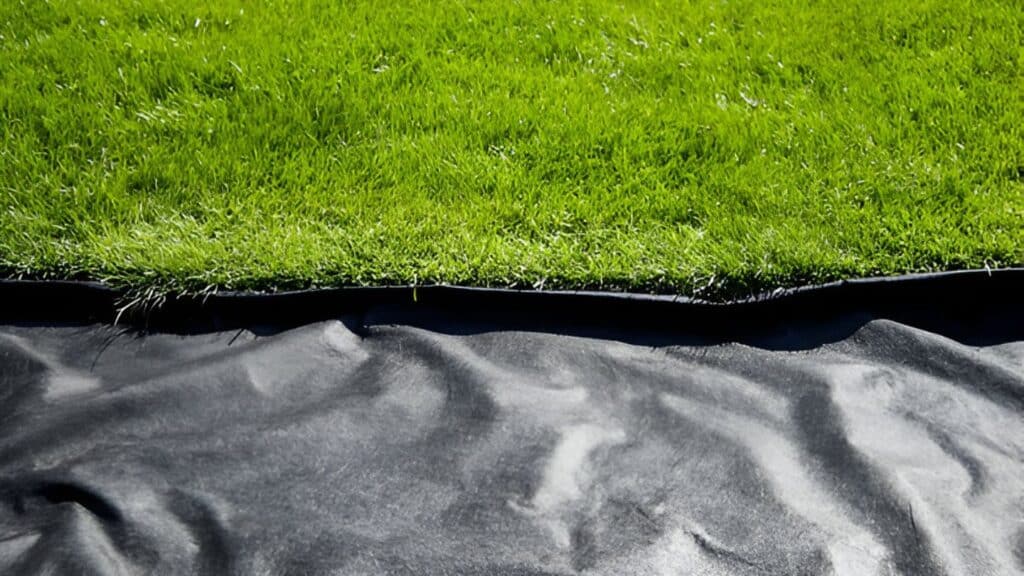
Are you wondering if you can put landscaping fabric over your grass to control weeds and improve your garden? You’re not alone.
Many homeowners ask this because it sounds like an easy way to create a neat, low-maintenance yard. But before you roll out that fabric, it’s important to know how it affects your lawn and plants. You’ll discover the truth about using landscaping fabric over grass and learn the best tips to make your garden thrive.
Keep reading to avoid common mistakes and get your landscaping just right!
Benefits Of Using Landscaping Fabric
Landscaping fabric is a useful tool for gardeners. It helps control weeds and keeps the soil healthy.
Putting landscaping fabric over grass can improve your garden’s look and make care easier.
Weed Control Advantages
Landscaping fabric stops weeds from growing by blocking sunlight. Without light, weeds cannot grow well.
This means less time spent pulling weeds and less use of chemicals in your garden.
- Blocks sunlight to prevent weed growth
- Reduces need for herbicides
- Keeps garden tidy and clean
Soil Moisture Retention
Fabric helps keep the soil moist by reducing water evaporation. This is good for plants during dry times.
Less watering is needed, saving time and water resources.
- Reduces water loss from soil
- Keeps roots hydrated longer
- Helps plants grow better in dry weather
Improved Garden Maintenance
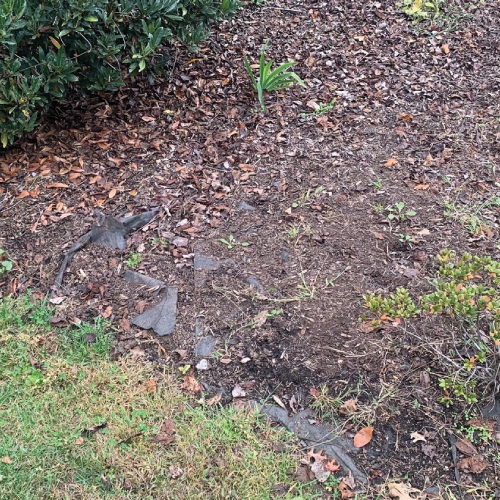
Using landscaping fabric makes garden work easier. It reduces mud and soil erosion in your garden area.
The fabric also keeps mulch in place, making the garden look neat and well-kept.
- Prevents soil erosion
- Keeps mulch from washing away
- Makes garden areas cleaner and easier to manage
Credit: www.carringtonlawn.com
Challenges Of Placing Fabric Over Grass
Using landscaping fabric directly over grass seems easy. It can stop weeds and help with soil control. Yet, placing fabric over live grass brings some problems.
Grass under the fabric can cause trouble for your garden. It is important to know these issues before laying fabric on grass.
Grass Growth Issues
Grass tries to grow even under landscaping fabric. It can push through small holes or edges. This makes the fabric less useful for stopping weeds.
Dead grass under the fabric can also create a layer of decay. This affects soil health and plant growth above.
Potential For Soil Compaction
Placing fabric on grass can press the soil down. Compacted soil stops air and water from reaching roots. This harms plants and slows their growth.
Heavy foot traffic on fabric over grass makes compaction worse. It is harder for roots to spread in hard soil.
Drainage Concerns
Landscaping fabric can block water from soaking into the soil. Water may pool above the fabric or run off. This causes poor drainage and weak plant roots.
Wet soil under fabric can also stay soggy for long. This creates a bad environment for grass and other plants.
Preparation Before Installing Fabric
Before laying landscaping fabric, you need to prepare the ground. Proper preparation ensures the fabric works well and lasts longer.
Follow these steps to get your area ready. This will help prevent weeds and keep your landscape looking neat.
Grass Cutting And Clearing
Start by cutting the grass as short as possible. Short grass makes it easier to lay the fabric flat.
Clear away all debris, such as leaves and stones. A clean surface helps the fabric lay evenly.
- Mow the grass to a very low height
- Remove all fallen leaves and branches
- Pick up stones and other hard objects
Soil Assessment And Treatment
Examine the soil to check its condition. Good soil helps plants grow better with the fabric.
Treat the soil if needed. This could mean adding nutrients or adjusting pH levels.
- Test soil pH levels
- Add compost for better soil health
- Ensure soil is not too compact
Tools And Materials Needed
Gather all the tools and materials before you start. This makes the process quicker and more efficient.
You will need some basic gardening tools and materials. Here is a simple list to help you prepare.
- Garden gloves for protection
- Rake for clearing debris
- Spade or hoe for soil work
- Landscaping fabric and pins
- Scissors for cutting the fabric
Step-by-step Installation Process
Putting landscaping fabric over grass helps control weeds and improve garden beds. The process needs care for best results.
Follow these steps to lay the fabric properly and keep your landscape looking neat.
Laying And Securing Fabric
Start by cutting the grass short to make the fabric lay flat. Roll out the fabric over the grass, covering the area.
Overlap fabric edges by 6 inches to stop weeds from growing between seams. Use landscape staples or pins to hold the fabric tight.
- Trim grass low before starting
- Roll fabric smoothly over grass
- Overlap edges by 6 inches
- Secure fabric with landscape staples
- Place staples every 1 to 2 feet
Adding Mulch Or Gravel
Cover the fabric with mulch or gravel to protect it from sunlight. This also adds a clean look to your garden.
Spread mulch or gravel evenly in a layer about 2 to 3 inches thick. Avoid piling too much to keep water flowing well.
- Use organic mulch or decorative gravel
- Spread 2 to 3 inches thick layer
- Keep mulch away from plant stems
- Check for bare spots and fill them
Maintenance Tips Post-installation
Check the fabric and mulch regularly. Fix any tears or spots where weeds may grow through.
Remove leaves and debris on top to keep the area healthy. Replace mulch yearly to keep it fresh and effective.
- Inspect fabric for damage every season
- Pull weeds growing through edges
- Remove leaves and debris often
- Refresh mulch or gravel yearly
Alternatives To Landscaping Fabric Over Grass
Using landscaping fabric over grass can sometimes cause problems like poor drainage and grass growth. Many gardeners look for other ways to control weeds and improve their garden beds. There are several effective alternatives that work well without covering grass with fabric.
This guide explores options like organic mulch, chemical weed barriers, and hardscaping solutions. Each method has benefits to keep your garden healthy and tidy.
Organic Mulch Options
Organic mulch improves soil health while stopping weeds. It breaks down over time and adds nutrients to the soil. Common types include wood chips, straw, and leaves.
- Wood chips keep soil moist and cool.
- Straw decomposes fast and adds organic matter.
- Leaves are free and provide good coverage.
- Grass clippings recycle nutrients back to the soil.
Chemical Weed Barriers
Chemical weed barriers use herbicides to stop grass and weeds from growing. They work by killing seeds or young plants. This method needs careful use to avoid harming desired plants.
| Chemical Type | Use | Notes |
| Pre-emergent Herbicides | Stops seed germination | Apply before weeds sprout |
| Post-emergent Herbicides | Kills existing weeds | Use on young weeds only |
| Selective Herbicides | Targets specific plants | Safe for lawn grass |
Hardscaping Solutions
Hardscaping uses solid materials to block grass growth and reduce maintenance. It includes paths, patios, and rock beds. These options create strong barriers against weeds and grass.
- Stone or brick walkways prevent grass growth.
- Gravel beds allow water to drain and stop weeds.
- Concrete patios create durable, weed-free areas.
- Raised beds with edging keep grass out.
Common Mistakes To Avoid
Putting landscaping fabric over grass can help control weeds and improve your garden. You must avoid some common mistakes to get the best results.
These mistakes can cause problems like poor growth, fabric damage, and water issues.
Skipping Proper Preparation
Do not lay landscaping fabric directly on grass without preparation. Grass and weeds will continue to grow under the fabric and push it up.
Clear the area by cutting the grass short and removing debris. This helps the fabric lie flat and last longer.
Using Incorrect Fabric Types
Not all landscaping fabrics are the same. Using the wrong type can block water or break down too fast.
Choose a fabric that lets water and air pass through. This keeps plants healthy and prevents water buildup.
- Use woven fabrics for durability
- Avoid plastic sheeting that blocks water
- Pick UV-resistant fabric for outdoor use
Ignoring Drainage Needs
Landscaping fabric that stops water from draining causes soil problems. Water can pool and harm plants.
Make sure the fabric allows water to flow through and the soil drains well. This keeps roots healthy and prevents mold.
Expert Recommendations For Best Results
Putting landscaping fabric over grass can help control weeds and improve your garden’s health. It stops grass from growing through while letting water and air pass.
Follow expert tips to get the best results and keep your garden looking neat and healthy.
Ideal Timing For Installation
Clear the area before laying fabric. Remove tall grass and weeds to prevent growth under the fabric.
Install landscaping fabric in dry weather. This helps the fabric stay in place and stops mold or mildew.
- Cut grass short before installation
- Wait for a dry day to lay fabric
- Apply fabric before planting new plants
Combining Fabric With Other Methods
Use mulch on top of the fabric. Mulch protects the fabric from sun damage and keeps soil moist.
Use edging materials to keep the fabric in place. Edging also stops grass from growing around the fabric edges.
- Apply a 2-3 inch layer of mulch on fabric
- Use plastic or metal edging along fabric borders
- Pair fabric with regular weeding for best control
Regular Inspection And Repairs
Check your landscaping fabric every few months. Look for tears or spots where grass grows through.
Fix damage quickly by patching or replacing fabric pieces. This keeps weeds from returning and stops grass growth.
- Inspect fabric after storms or heavy rain
- Remove debris that can damage fabric
- Replace damaged fabric sections as needed
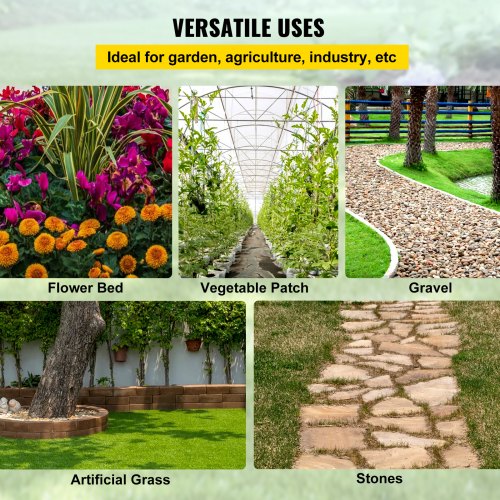
Credit: www.vevor.ca
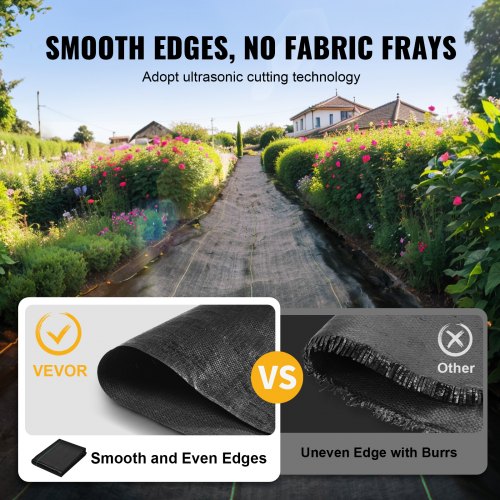
Credit: www.vevor.ca
Frequently Asked Questions
Can I Put Landscaping Fabric Directly Over Grass?
Yes, you can place landscaping fabric over grass. However, it’s best to mow and water the grass first. This prevents uneven growth and helps the fabric lay flat for better weed control.
Will Landscaping Fabric Kill Grass Underneath?
Landscaping fabric blocks sunlight, which can eventually kill grass beneath it. Over time, the grass will weaken and die due to lack of light and air circulation.
How Long Does Landscaping Fabric Last Over Grass?
Landscaping fabric typically lasts 5 to 10 years over grass. Its durability depends on fabric quality, weather, and maintenance. Regular checks help ensure it remains effective.
Should I Remove Grass Before Laying Landscaping Fabric?
Removing grass before laying fabric is ideal for best results. It prevents grass from growing through and reduces future maintenance. Use a shovel or sod cutter for removal.
Conclusion
Placing landscaping fabric over grass can help control weeds and soil erosion. It blocks sunlight, making grass under it die over time. Prepare the area well before laying the fabric for best results. Remember to secure the fabric tightly to prevent it from moving.
Regularly check the fabric to keep it in good shape. This method works best for creating new garden beds or paths. Keep in mind, landscaping fabric is not a permanent solution for grass removal. Use it wisely to improve your garden’s look and health.