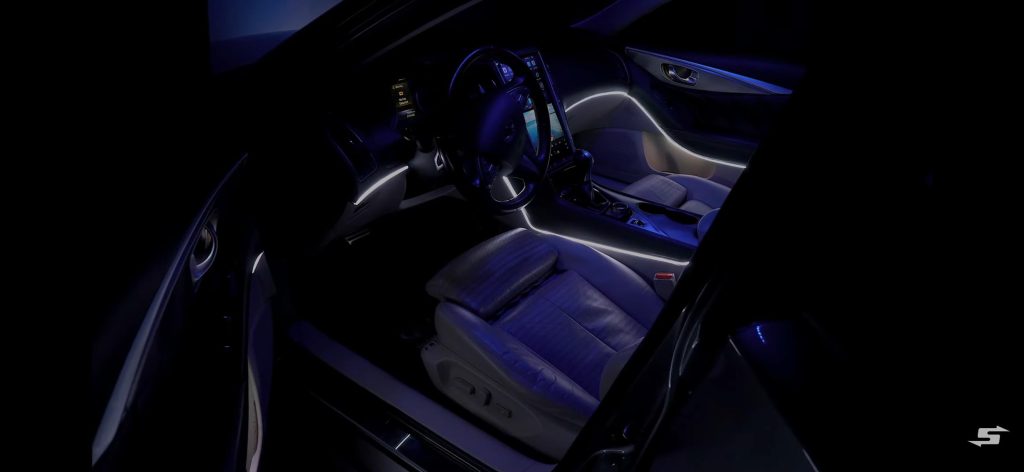
Are you thinking about adding LED lights to your car but unsure if it’s a good idea? You’re not alone.
Many car owners wonder if LED lights are safe, legal, and worth the upgrade. Imagine driving with brighter, more stylish lights that make your car stand out and improve your visibility on the road. But before you jump in, there are important things you need to know.
This guide will answer your questions, clear up common doubts, and help you decide if LED lights are the right choice for your car. Keep reading to find out everything you need!

Credit: www.reddit.com
Choosing The Right Led Lights
LED lights can improve your car’s look and visibility. Picking the right ones is important for safety and style.
This guide helps you understand types, brightness, colors, and compatibility for your car’s LED lights.
Types Of Led Lights For Cars
There are many LED light types for cars. Each type serves a different purpose and fits different car parts.
- Headlights: Bright and clear for night driving
- Fog lights: Low and wide beam to cut through fog
- Interior lights: For cabin illumination
- Brake lights: Signal stopping to other drivers
- Turn signals: Show your intention to turn or change lanes
Brightness And Color Options
Brightness and color affect how your LED lights look and perform. Choose the right settings for safety and style.
| Brightness | Measured in lumens |
| Low | 500-1000 lumens, good for interior lights |
| Medium | 1000-3000 lumens, fits most headlights |
| High | 3000+ lumens, very bright but may blind others |
| Color | Common options available |
| Cool White | Bright and clear, good for headlights |
| Warm White | Soft and cozy, good for interior lights |
| Blue or Red | Usually for styling, check local laws |
Compatibility With Your Vehicle
Not all LED lights fit every car. Check your vehicle’s manual or consult a professional before buying.
- Check the size and shape of your current bulbs
- Look for LED lights that match your car’s voltage
- Ensure the light color is legal in your area
- Consider if your car needs extra adapters for LED bulbs
- Test if the lights fit well without blocking other parts
Legal Considerations
Adding LED lights to your car can change its look. But there are rules about where and how you use these lights.
Knowing the laws can help you avoid fines or problems with the police.
Laws On Led Lighting In Vehicles
Many places have rules about LED lights on cars. These rules cover color, brightness, and where you can place the lights.
Usually, headlights and brake lights must be specific colors like white, red, or amber. Other colors might be illegal on public roads.
- White or yellow for front lights
- Red for brake and rear lights
- No flashing or strobe lights unless emergency vehicle
- Lights must not blind other drivers
Avoiding Common Legal Issues
Install LED lights carefully. Avoid colors or positions that can confuse other drivers.
Check if your lights are too bright or flashing. These can cause accidents or attract police attention.
- Use lights only for decoration when parked
- Turn off non-standard lights while driving
- Follow vehicle inspection rules
- Keep documentation for installed lights
State-specific Regulations
Each state has its own rules about LED lights on cars. Some states allow more colors than others.
Check your state’s vehicle code or DMV website before installing LED lights.
- Some states ban blue or red LEDs on private cars
- Others limit LED light placement to certain areas
- States differ on brightness and flashing light rules
- Penalties vary from fines to vehicle impoundment
Preparing For Installation
Installing LED lights in your car needs careful planning. Getting ready helps avoid mistakes and saves time.
This guide covers the tools, safety steps, and how to find the right wiring parts.
Tools And Materials Needed
Before you start, gather all the tools and materials. This makes the job smoother and safer.
- LED light strips or bulbs suitable for cars
- Wire cutters and strippers
- Electrical tape or heat shrink tubing
- Multimeter to check voltage
- Screwdrivers (flat and Phillips)
- Fuse taps or connectors
- Zip ties to secure wires
- Power source like the car battery or fuse box
- Gloves to protect your hands
- Owner’s manual for wiring diagrams
Safety Precautions
Safety is very important when working with car electronics. Follow these rules to protect yourself and your vehicle.
- Disconnect the car battery before starting any work.
- Wear insulated gloves to avoid electric shock.
- Work in a dry area to prevent slipping or short circuits.
- Use proper tools to avoid damaging wires or connectors.
- Double-check connections before powering the lights.
- Do not overload the car’s electrical system.
- Keep flammable materials away from work area.
- Follow the car manufacturer’s wiring guidelines.
Locating Wiring And Components
Finding the right wires is key to connecting LED lights correctly. Use your car’s manual and tools to identify them.
| Component | Location | Notes |
| Fuse Box | Under dashboard or engine bay | Contains fuses and power sources |
| Ground Wire | Metal part of car body | Connects to chassis for grounding |
| Power Wire | From fuse box or battery | Supplies 12V power to lights |
| Switch Wiring | Dashboard or steering column | Controls turning lights on/off |
| Lighting Harness | Behind headlights or taillights | Original car light connections |

Credit: www.reddit.com
Step-by-step Installation Process
Installing LED lights in your car can improve its look and visibility. This guide helps you install them safely and correctly.
Follow each step carefully to avoid damage and ensure your new lights work well.
Removing Old Lights
First, you need to take out the old lights from your car. This clears space for the new LED lights.
Usually, you remove screws or clips holding the light in place. Keep these parts for later use.
- Open the car hood or trunk to access the light housing
- Unscrew or unclip the old light carefully
- Disconnect the wiring harness from the old light
- Remove the old light from its socket
Wiring The Led Lights
Next, connect the LED lights to your car’s wiring. This step powers the new lights.
Match the wires from the LED lights to your car’s wires by color or function. Use connectors or electrical tape to secure them.
- Identify positive and negative wires on both LED and car wiring
- Connect positive wires together and negative wires together
- Use wire connectors or electrical tape to secure connections
- Make sure wires are not loose or exposed
Testing And Troubleshooting
After wiring, test your LED lights to check if they work. This avoids problems later.
If the lights do not turn on, check all connections and fuses. Fix any loose wires or replace blown fuses.
- Turn on your car’s lights to test the LEDs
- Check for blinking or dim lights as signs of bad connections
- Inspect all wiring and connectors again
- Replace any blown fuse in the car’s fuse box
Maintaining Your Led Lights
LED lights in your car need care to work well. Clean and check them often. This keeps them bright and safe.
Good maintenance helps you avoid problems. It also makes your LED lights last longer.
Cleaning Tips
Keep your LED lights clean to avoid dirt build-up. Use a soft cloth and mild cleaner. Do not use strong chemicals that can damage the lights.
- Turn off lights before cleaning
- Use a damp microfiber cloth
- Wipe gently to avoid scratches
- Dry lights with a soft towel
- Clean regularly, especially after rain or dust
Handling Common Issues
If your LED lights flicker or dim, check the wiring first. Loose wires or bad connections cause these problems. Replace any broken parts quickly to avoid bigger damage.
| Issue | Possible Cause | Action |
| Flickering | Loose wiring | Check and tighten connections |
| Dim light | Low voltage | Test battery and alternator |
| Light not turning on | Burned out LED or fuse | Replace LED or fuse |
| Water inside light | Seal failure | Replace seal or light housing |
Extending The Lifespan
Protect your LED lights from heat and moisture. Use only recommended bulbs. Avoid changing bulbs often to reduce wear.
- Use LED lights made for cars
- Keep lights dry and sealed
- Do not touch bulbs with bare hands
- Turn off lights when not needed
- Check electrical system regularly
Benefits Of Led Lights In Cars
LED lights are popular for use in cars. Many drivers want to know if they can add LED lights to their vehicles.
LEDs offer several benefits that improve your driving experience and car appearance.
Energy Efficiency
LED lights use less power than traditional bulbs. This helps save your car’s battery and fuel.
Because LEDs need less energy, they put less strain on your car’s electrical system.
- Lower energy consumption
- Longer battery life
- Less heat produced
Improved Visibility
LED lights are brighter and clearer than old-style bulbs. They help you see better on dark roads.
Better lighting means you can spot obstacles and other cars faster, which improves safety.
- Brighter light output
- Sharper beam patterns
- Faster start-up time
Aesthetic Enhancements
LED lights come in many colors and shapes. They can make your car look modern and stylish.
Using LED lights inside and outside your car can give it a unique and fresh look.
- Custom colors for interior lighting
- Sleek designs for headlights and taillights
- Options for daytime running lights

Credit: www.carifex.com
Frequently Asked Questions
Can I Legally Install Led Lights In My Car?
Yes, you can install LED lights in your car. However, check local laws for color and placement restrictions to avoid fines.
Are Led Lights Safe For Car Use?
LED lights are safe if installed correctly. Use proper wiring and avoid excessive brightness to prevent glare or electrical issues.
Do Led Lights Drain My Car Battery?
LED lights consume less power than traditional bulbs. They typically do not drain your car battery if used properly.
Will Led Lights Improve My Car’s Visibility?
LED lights offer brighter, clearer illumination than standard bulbs. They enhance visibility and improve driving safety, especially at night.
Conclusion
LED lights can enhance your car’s look and safety. They save energy and last longer. Check your local laws before installing them. Choose the right type for your car’s model. Ensure proper installation for best results. Remember, safety comes first.
Always opt for high-quality LED lights. They may cost more but last longer. Enjoy a brighter, more efficient lighting experience. Make your driving safer and more stylish. With LED lights, your car can shine brightly. Choose wisely, install correctly, and enjoy the benefits.
Happy driving with your new LED lights!