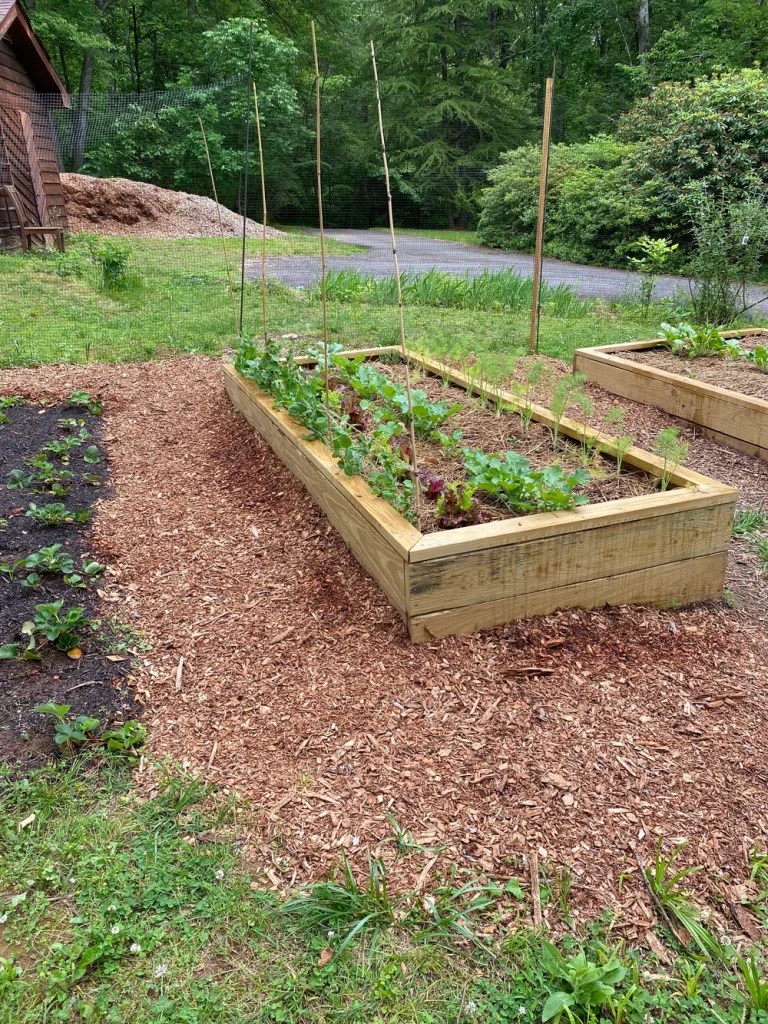
Are you wondering if you can put mulch in your raised garden bed? You’re not alone.
Many gardeners ask this question because mulch can seem like a simple way to improve soil and keep plants healthy. But is it really the right choice for your raised bed? Understanding how mulch works and what it does can make a big difference in your garden’s success.
Keep reading to discover the benefits, potential drawbacks, and tips for using mulch the right way in your raised garden bed. This could be the key to making your garden thrive like never before.
Benefits Of Mulching Raised Beds
Mulching raised garden beds is a helpful gardening practice. It adds a protective layer over the soil. This layer improves the health and growth of plants in many ways.
Using mulch in raised beds can save water, reduce weeds, keep soil warm, and add nutrients. Let’s explore these benefits in detail.
Moisture Retention
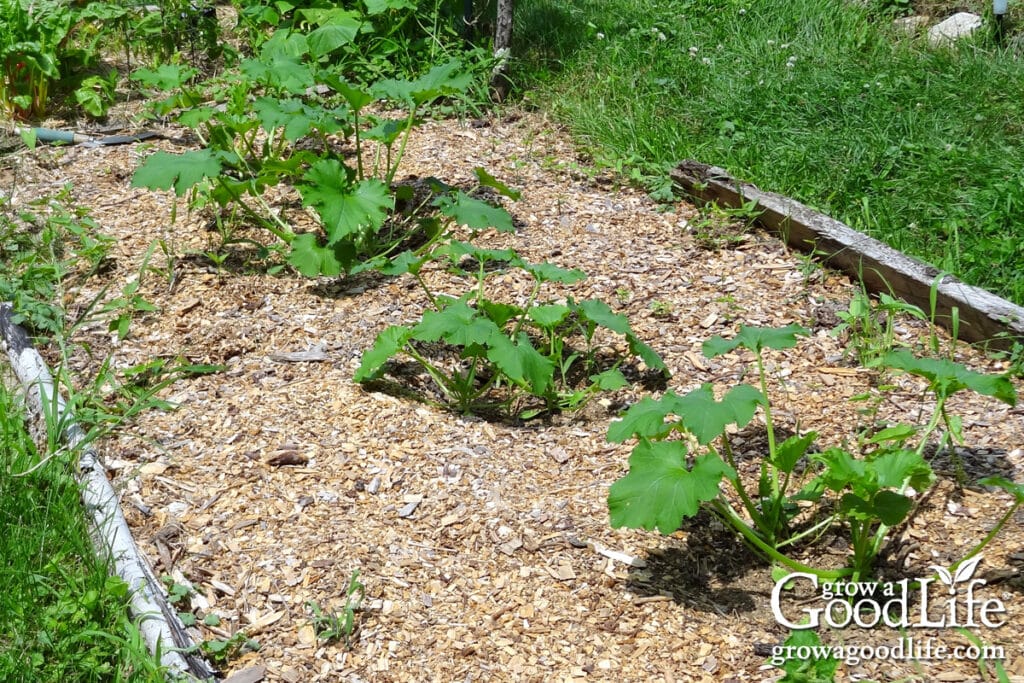
Mulch helps keep soil moist by reducing evaporation. This means plants get more water for longer. It also lowers the need for frequent watering.
Weed Suppression
A thick layer of mulch blocks sunlight from reaching weed seeds. This stops weeds from growing and competing with your plants. Mulching saves time spent on weeding.
- Reduces weed growth naturally
- Keeps soil surface covered
- Prevents weed seeds from sprouting
- Limits the spread of existing weeds
Soil Temperature Control
Mulch acts as a blanket that warms soil during cool weather. It also cools soil in hot weather. This balance helps plants grow in a stable environment.
Nutrient Enhancement
| Mulch Type | Nutrient Added | Benefit |
| Compost | Organic matter | Improves soil fertility |
| Wood chips | Slow-release nutrients | Feeds plants over time |
| Grass clippings | Nitrogen | Boosts plant growth |
As mulch breaks down, it feeds the soil with nutrients. This helps plants get the food they need to grow strong and healthy.
Credit: growagoodlife.com
Types Of Mulch For Raised Beds
Mulch helps keep soil moist and controls weeds in raised garden beds. It also adds nutrients and protects plants.
Choosing the right mulch depends on your plants and gardening goals. There are two main types of mulch: organic and inorganic.
Organic Mulches
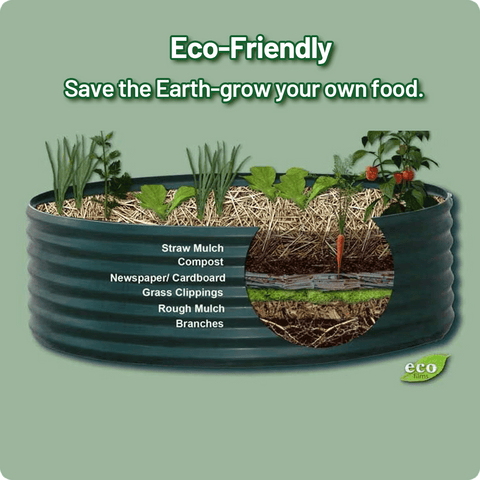
Organic mulches come from natural materials. They break down over time and improve soil quality. Common types include wood chips, straw, leaves, and grass clippings.
- Wood chips: Slow to decompose and good for long-term use.
- Straw: Light and helps retain moisture.
- Leaves: Easy to find and add nutrients.
- Grass clippings: Best used in thin layers to avoid matting.
Inorganic Mulches
Inorganic mulches do not break down. They control weeds and keep soil temperature steady. Examples are plastic sheeting, landscape fabric, and gravel.
| Type | Benefits | Drawbacks |
| Plastic Sheeting | Stops weeds, warms soil | Does not add nutrients, can trap water |
| Landscape Fabric | Allows water flow, reduces weeds | Can degrade over time |
| Gravel | Long-lasting, good for drainage | Can heat soil, no nutrients |
Choosing The Right Mulch
Select mulch based on plant needs and garden conditions. Consider moisture, soil type, and how long you want the mulch to last.
- Use organic mulch to improve soil health.
- Choose inorganic mulch for low maintenance.
- Check if mulch affects soil temperature or moisture.
- Replace organic mulch regularly as it breaks down.
How To Apply Mulch In Raised Beds
Mulching your raised garden bed can help retain moisture and control weeds. It is an easy task that benefits your plants greatly.
Follow these steps to apply mulch effectively in your raised garden beds. Proper mulching will keep your garden healthy and thriving.
Preparing The Soil
Before adding mulch, prepare the soil well. Remove any weeds and loosen the soil surface.
Ensure the soil is moist but not too wet. This helps the mulch work better.
- Remove weeds and debris
- Loosen the topsoil
- Moisten the soil lightly
Layer Thickness
Apply mulch in a thick enough layer to be effective. A 2 to 3-inch layer is usually sufficient.
Too thin a layer will not control weeds well. Too thick a layer may block water.
- 2 to 3 inches thick
- Evenly spread across the bed
Timing For Mulching
The best time to mulch is in late spring. This is when the soil is warm and plants are growing.
Mulching in spring helps retain moisture during dry summer months.
- Late spring is ideal
- Helps retain moisture in summer
Common Mistakes To Avoid
Mulching helps keep soil moist and healthy in raised beds. But some mistakes can harm your plants.
Learn what to avoid when using mulch to protect your garden and help plants grow strong.
Overmulching
Adding too much mulch can stop water and air from reaching roots. This can cause plants to suffer.
- Use 2 to 3 inches of mulch only.
- Too thick mulch keeps soil wet and cold.
- Check mulch depth often and remove excess.
Using Weed-infested Mulch
Mulch that has weeds or seeds can spread unwanted plants in your garden bed. This makes weeding harder.
Always use clean mulch from a trusted source. Avoid mulch with visible weeds or seeds.
Mulching Too Close To Plant Stems
Mulch touching plant stems can cause rot and attract pests. Leave space around stems for air flow.
| Mulching Mistake | What Happens | How to Fix |
|---|---|---|
| Overmulching | Blocks air and water | Use only 2-3 inches thick |
| Weed-Infested Mulch | Spreads weeds | Use clean, weed-free mulch |
| Mulch on Plant Stems | Causes rot and pests | Keep mulch 2-3 inches from stems |
Maintenance Tips For Mulched Beds
Mulch helps keep your raised garden bed healthy and moist. It also stops weeds from growing. To get the best results, you need to take care of your mulch regularly.
Checking the mulch often and fixing small problems early keeps your garden bed in top shape. Here are some simple tips to help you maintain your mulched beds.
Monitoring Mulch Condition
Look at your mulch every week. Check if it looks dry, thin, or broken down. Mulch that is too thin will not protect the soil well. Also watch for mold or bad smells. These signs mean the mulch needs attention.
Replenishing Mulch
Add fresh mulch to your bed as needed. This keeps a thick layer that blocks weeds and holds moisture. Aim for a 2 to 3-inch layer of mulch. Too much mulch can stop water from reaching plants.
- Remove old mulch if it looks slimy or smells bad
- Spread new mulch evenly over the soil surface
- Keep mulch a few inches away from plant stems
- Use natural mulch like wood chips, straw, or leaves
Handling Pest Issues
Mulch can hide pests like slugs, insects, or rodents. Watch for holes in leaves or damaged plants. Remove pests by hand or use safe pest control methods.
| Common Pest | Signs | Control Tips |
|---|---|---|
| Slugs | Holes in leaves, slimy trails | Handpick at night, use slug traps |
| Aphids | Sticky leaves, curled growth | Spray water, introduce ladybugs |
| Rodents | Chewed stems, tunnels | Use barriers, remove mulch near base |

Credit: www.reddit.com
Credit: www.ollegardens.com
Frequently Asked Questions
Can I Use Mulch In Raised Garden Beds?
Yes, mulch is ideal for raised beds. It helps retain moisture, regulate soil temperature, and suppress weeds, improving plant health and growth.
What Types Of Mulch Work Best In Raised Beds?
Organic mulches like straw, wood chips, and shredded leaves work best. They enrich soil as they decompose and maintain a balanced moisture level.
How Often Should I Replace Mulch In Raised Beds?
Replace mulch annually or when it decomposes. Refreshing mulch keeps soil healthy, prevents weeds, and maintains proper moisture for your plants.
Will Mulch Attract Pests To My Raised Garden Bed?
Proper mulch use rarely attracts pests. Avoid piling mulch against plant stems to prevent moisture buildup and reduce pest risks.
Conclusion
Mulch helps keep soil moist and stops weeds from growing. It also adds nutrients as it breaks down over time. Choose the right mulch for your raised garden bed. Avoid piling mulch too thick to let air reach roots. Mulching saves water and protects plants from heat.
It makes your garden look neat and healthy. Mulch is a smart, easy way to support your plants. Try adding mulch and watch your garden thrive this season.