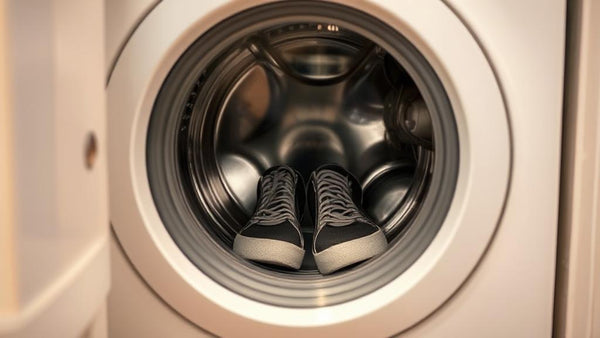
Are your shoes looking dirty and smelly, and you’re wondering if tossing them in the washer and dryer is a good idea? You’re not alone.
Many people ask this question because cleaning shoes by hand can be tiring and time-consuming. But before you grab your sneakers and head to the laundry room, it’s important to know what really works and what might damage your shoes.
Keep reading to discover simple tips that will help you clean your shoes safely and keep them looking fresh longer.

Credit: smol.com
Types Of Shoes Suitable For Washing
Not all shoes can go in the washer and dryer safely. Some materials handle water and heat better than others.
Knowing which types of shoes you can wash helps keep them in good shape for longer.
Canvas And Fabric Shoes
Canvas and fabric shoes are the easiest to clean in a washing machine. These shoes dry quickly and usually do not get damaged by water.
- Remove loose dirt before washing
- Use cold water and gentle cycle
- Air dry to avoid shrinking or warping
Sneakers And Athletic Shoes
Most sneakers and athletic shoes can be washed in the machine if they are made of synthetic or mesh materials.
| Material | Washer Safe | Dryer Safe |
| Mesh | Yes | No |
| Synthetic Leather | Yes | No |
| Foam | Yes | No |
Avoid using the dryer to keep the shoes from losing shape or getting damaged.
Leather And Suede Shoes
Leather and suede shoes are not good for machine washing. Water can ruin their texture and cause stains.
- Use a soft brush to clean dirt
- Apply special leather cleaner
- Air dry away from direct heat or sunlight
Delicate And Specialty Footwear
Delicate shoes like high heels, dress shoes, or shoes with embellishments should never go in the washer or dryer.
These shoes need gentle hand cleaning with mild soap and a soft cloth. Always avoid soaking them.
Preparing Shoes For Washer
Washing shoes in a machine can be safe if you prepare them correctly. Proper preparation protects your shoes and your washer.
Before placing shoes in the washer, you need to clean and prepare them well. This helps keep your shoes in good shape.
Removing Laces And Insoles
Take out the laces from your shoes before washing. Laces can tangle or get damaged in the washer.
Remove the insoles too. Insoles can absorb water and take longer to dry if left inside.
Brushing Off Dirt And Debris
Brush off loose dirt and mud with a soft brush. This stops the washer from getting clogged.
Cleaning off large debris also helps your shoes get cleaner during the wash.
Using A Laundry Bag Or Pillowcase
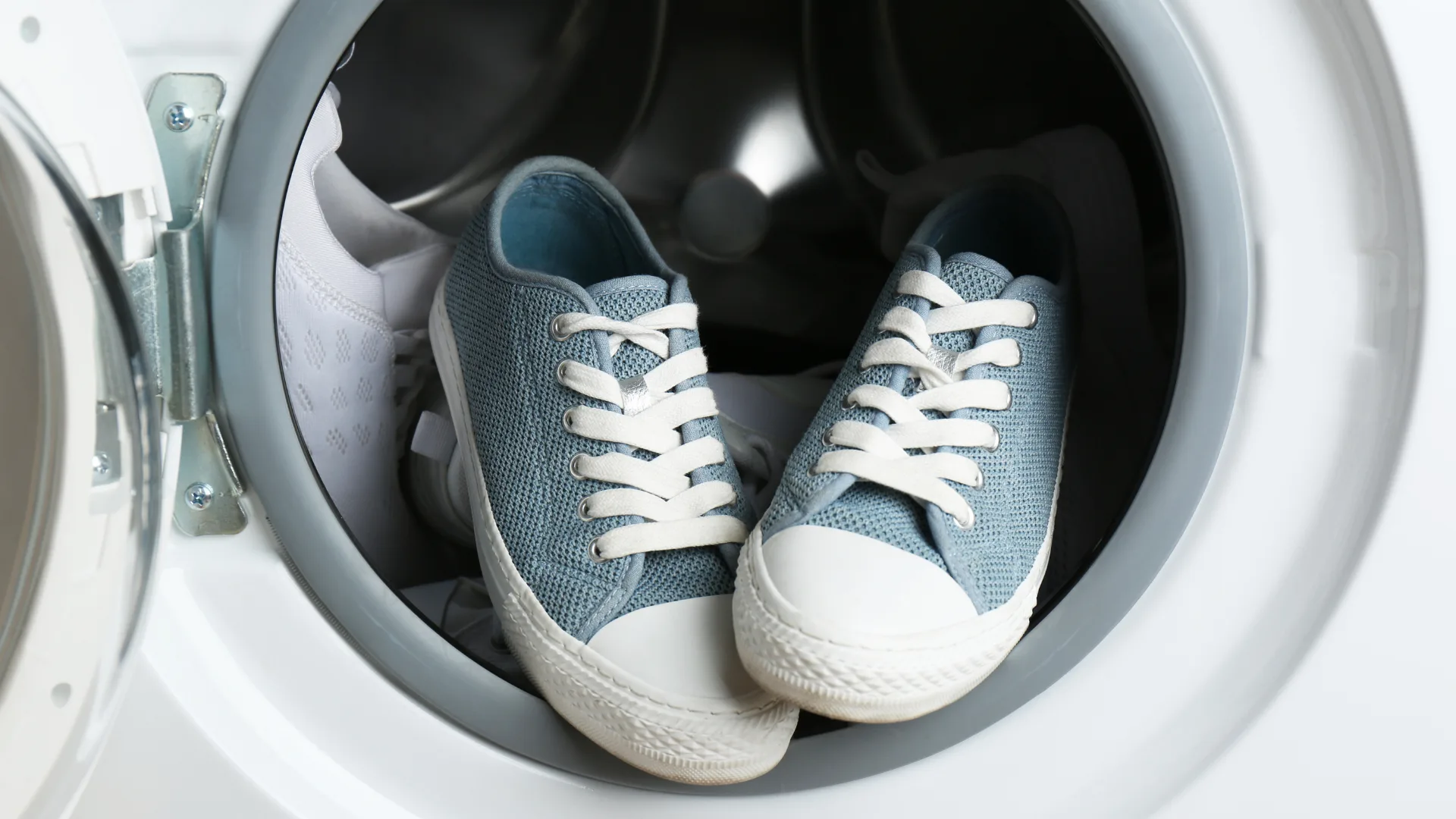
Place shoes inside a laundry bag or pillowcase. This protects them from rough washing.
Using a bag also prevents your shoes from hitting the washer drum hard.
- Use a mesh laundry bag for airflow
- Tie the pillowcase securely
- Add towels to balance the load
Best Washer Settings For Shoes
Cleaning shoes in a washing machine can save time and effort. Using the right washer settings helps protect your shoes. It also ensures they come out clean and undamaged.
Not all shoes are the same, so knowing the best settings is important. This guide covers the best cycle, water temperature, and detergents for washing shoes.
Choosing The Right Cycle
Use a gentle or delicate cycle to wash your shoes. These cycles reduce wear and tear during washing. Avoid heavy or high-speed cycles that can damage shoes.
If your washer has a cycle for sportswear or sneakers, choose that. It is designed for items that need careful cleaning but still get dirt out well.
- Gentle or delicate cycle
- Low spin speed
- Sportswear/sneaker cycle if available
Water Temperature Tips
Use cold water to wash your shoes. Cold water prevents glue from melting inside the shoes. It also stops colors from fading or bleeding.
Hot or warm water can weaken adhesives and cause shoes to shrink or lose shape. Cold water is safe for most shoe materials like canvas, mesh, and synthetic fabrics.
- Always choose cold water
- Cold water protects glue and colors
- Hot water can damage shoes
Detergents And Cleaning Agents
Use a mild liquid detergent to clean your shoes. Harsh detergents can damage fabric and colors. Avoid bleach or strong chemicals that harm shoe materials.
For extra cleaning power, add a small amount of baking soda. It helps remove odors and stains gently. Avoid fabric softeners, which can leave residues on shoes.
- Mild liquid detergent
- No bleach or strong chemicals
- Optional: small amount of baking soda for odor
- Avoid fabric softeners
Credit: www.bhg.com.au
Drying Shoes Safely
Drying shoes after washing is important to keep them in good shape. You can dry shoes by air or use a machine dryer. Each method has benefits and risks.
This guide helps you choose the best way to dry your shoes without damage.
Air Drying Vs Machine Drying
Air drying is the safest way to dry shoes. It uses natural air and gentle heat. Machine drying is faster but can harm shoes if done wrong.
- Air Drying:Place shoes in a well-ventilated area away from direct sunlight.
- Machine Drying:Use a low heat setting and check shoes often.
- Time:Air drying takes longer but preserves shoe shape and materials.
- Risk:Machine drying can cause shrinkage, warping, or glue failure.
Using Dryer Settings Correctly
Choosing the right dryer settings helps protect your shoes. Use low heat and short cycles. Avoid high heat to stop damage.
| Dryer Setting | Effect on Shoes |
| Low Heat | Safe, reduces risk of shrinkage and glue damage |
| Medium Heat | May cause slight warping or material weakening |
| High Heat | High risk of damage, avoid if possible |
| Air Fluff/No Heat | Gentle, good for delicate shoes but slower drying |
Preventing Shoe Damage During Drying
Take steps to protect your shoes while drying. This helps keep them looking and fitting well.
- Remove insoles and laces to dry separately.
- Stuff shoes with paper towels to keep their shape.
- Use a mesh laundry bag when machine drying.
- Keep shoes away from direct heat sources.
- Check shoes often during the drying process.
Common Mistakes To Avoid
Washing and drying shoes can be tricky. Many people make mistakes that damage their shoes. Knowing what to avoid helps keep your shoes safe and clean.
Here are common errors to watch out for when putting shoes in the washer and dryer.
Ignoring Manufacturer Instructions
Shoe makers give care instructions for a reason. Ignoring them can ruin your shoes. Some shoes can be washed in machines, but others cannot.
- Check the label inside your shoes for washing advice.
- Do not wash leather or suede shoes in machines.
- Follow drying instructions carefully to avoid shrinking or warping.
Overloading The Washer Or Dryer
Putting too many shoes or other items in at once causes problems. The washer or dryer may not clean or dry well. Shoes can also hit each other hard and get damaged.
| Problem | Effect | Tip |
| Overcrowded washer | Shoes do not get cleaned properly | Wash fewer shoes at a time |
| Overloaded dryer | Shoes dry unevenly and lose shape | Dry shoes one pair or with towels only |
| Shoes banging together | Scuffs and tears on shoes | Use a laundry bag or pillowcase |
Using Harsh Chemicals
Strong detergents and bleach can harm shoe materials. They may cause colors to fade or fabric to weaken. Use gentle products made for delicate fabrics.
- Choose mild liquid detergent without bleach.
- Avoid fabric softeners that leave residue.
- Spot test a small area before washing the entire shoe.

Credit: laundrysauce.com
Alternatives To Washer And Dryer
Washing shoes in the washer and dryer can be harsh. It may damage them. There are gentler ways to clean your shoes. These methods are safer and can extend the life of your shoes.
Let’s explore some alternative cleaning methods. Hand washing, spot cleaning, and special products can help. These methods are effective and easy to do at home.
Hand Washing Techniques
Hand washing shoes is a gentle and effective method. Use mild soap and warm water. A soft brush can help remove dirt.
Rinse the shoes with clean water. Avoid soaking them for too long. Dry them with a towel and let them air dry completely.
Spot Cleaning Methods
Spot cleaning is useful for small stains. Use a damp cloth and a bit of soap. Gently rub the stained area until it fades.
For stubborn stains, a soft-bristled toothbrush can help. Rinse the area with clean water and dry it with a towel.
Using Shoe Cleaning Products
There are products made for cleaning shoes. They come in sprays, foams, and wipes. These products are easy to use and effective.
Follow the instructions on the product. Test it on a small area first. This ensures it won’t damage your shoes.
- Sprays for quick cleaning
- Foams for deep cleaning
- Wipes for on-the-go cleaning
Frequently Asked Questions
Can I Wash All Types Of Shoes In The Washer?
Not all shoes are washer-safe. Canvas and synthetic shoes usually work well. Leather, suede, and delicate shoes should avoid the washer to prevent damage.
Will Putting Shoes In The Dryer Ruin Them?
Dryers can shrink or warp shoes, especially leather or rubber. Air-drying is safer. Use low heat or a shoe dryer if necessary.
How To Prepare Shoes Before Washing In A Machine?
Remove laces and insoles. Brush off excess dirt. Place shoes in a mesh laundry bag for protection during the wash cycle.
What Washing Settings Are Best For Cleaning Shoes?
Use cold water and a gentle cycle to protect shoes. Avoid harsh detergents. Add towels to balance the load and reduce noise.
Conclusion
Washing shoes in a machine can save time and effort. Not all shoes handle the washer or dryer well. Always check the label before washing. Use gentle cycles and cold water to protect your shoes. Avoid the dryer for delicate or leather shoes.
Air drying helps maintain shoe shape and quality. Taking these steps keeps your shoes clean and lasting longer. Clean shoes look better and feel fresh every day. Choose the right method for your shoe type. Simple care makes a big difference in shoe life.