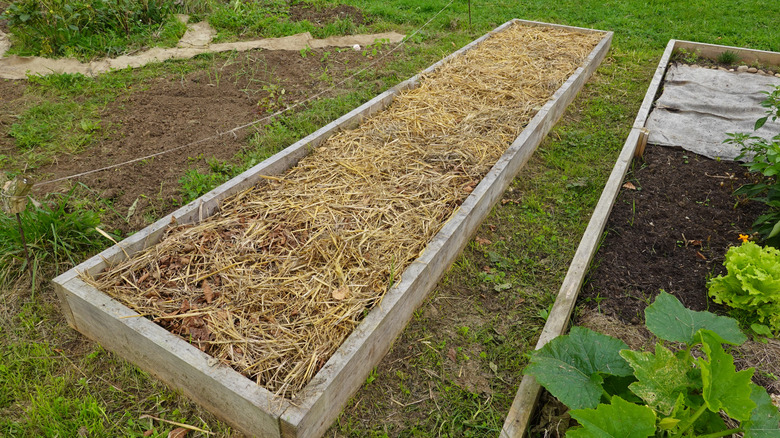
Are you wondering if you can put straw in your raised garden bed? You’re not alone.
Many gardeners ask this because straw seems like a simple, natural option. But before you grab that bale, it’s important to know how straw can affect your plants and soil. Using straw the right way can boost your garden’s health, while using it the wrong way might cause problems you don’t want.
Keep reading to discover the truth about straw in raised beds—and how to make your garden thrive.

Credit: savvygardening.com
Benefits Of Straw In Raised Beds
Straw is a popular addition to raised garden beds. It offers many benefits that help plants grow better.
Using straw can improve the soil and make gardening easier. It helps with moisture, fertility, and weed control.
Improving Soil Moisture Retention
Straw keeps the soil moist by reducing water evaporation. This helps plants get water for longer times.
It acts like a cover that blocks sun and wind from drying the soil quickly. This means less watering is needed.
Enhancing Soil Fertility
As straw breaks down, it adds organic matter to the soil. This improves the soil’s structure and health.
The decomposed straw feeds helpful microbes and worms. These creatures make nutrients more available to plants.
Weed Suppression Advantages
Straw forms a thick layer that blocks light from reaching weed seeds. This stops many weeds from growing.
With fewer weeds, your plants get more space and nutrients. This reduces the work needed for weeding.
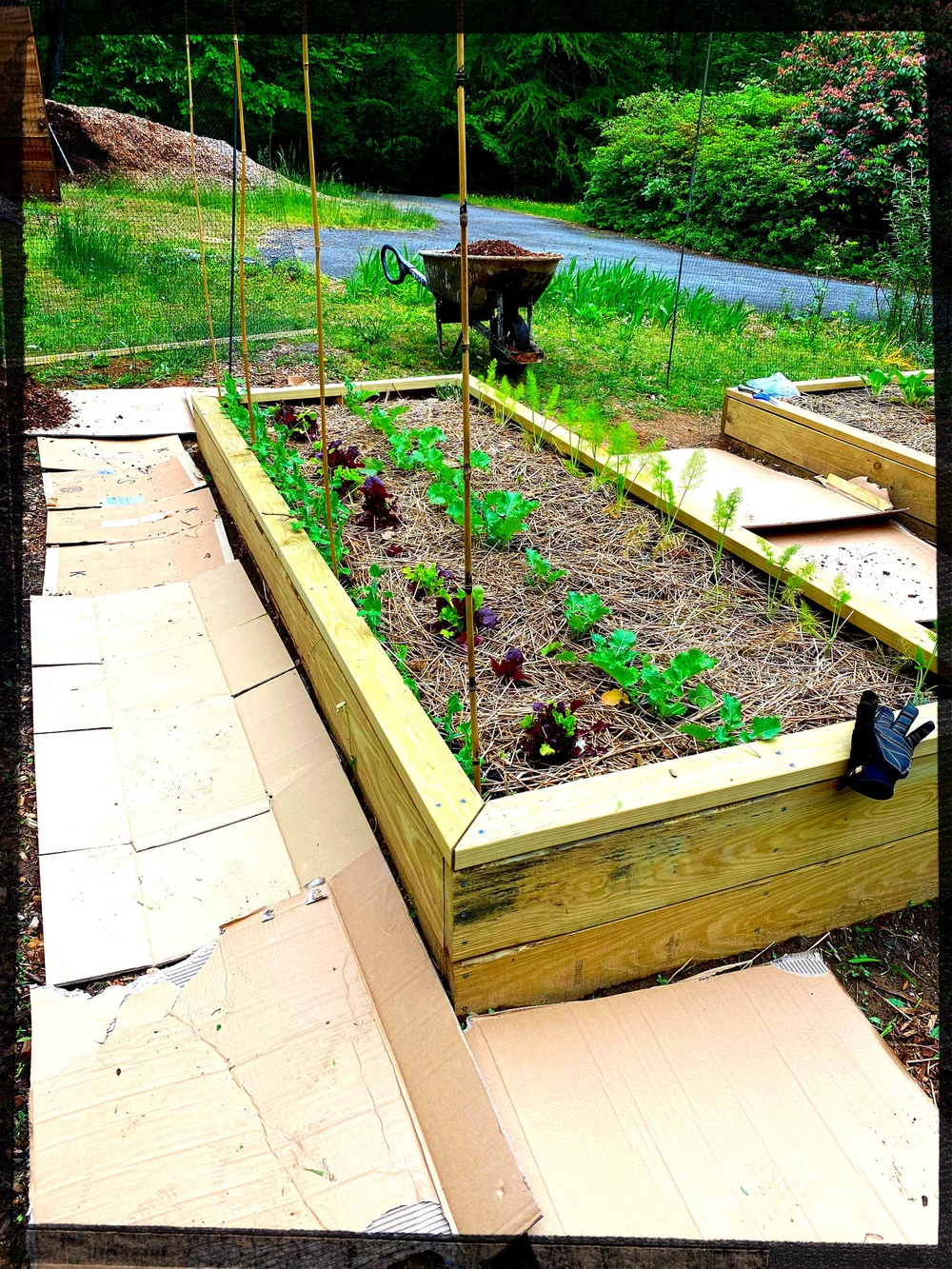
Credit: www.thunderbirddisco.com
Types Of Straw To Use
Straw is a popular mulch and soil cover for raised garden beds. It helps retain moisture and reduce weeds. Choosing the right type of straw matters for your garden’s health.
This guide explains different types of straw, what to avoid, and how to find good quality straw.
Wheat Straw Vs. Hay
Wheat straw comes from the stalks of wheat plants after the grain is harvested. It is usually clean and free of seeds. Hay is cut grass or legumes used as animal feed. It often contains many seeds.
| Type | Seed Content | Use in Garden |
| Wheat Straw | Low | Good mulch, low weed risk |
| Hay | High | Can introduce weeds, not ideal |
Avoiding Straw With Seeds
Straw with seeds can bring unwanted plants to your garden. These weeds compete with your crops for nutrients and water. Avoid straw that looks green or has seed heads.
- Choose golden-yellow straw with no green parts
- Inspect straw for small seeds or grass pieces
- Buy from trusted sources that clean their straw
Sourcing Quality Straw
Good quality straw is dry, clean, and free of mold. It should smell fresh and not musty. Buying from local farms or garden centers often ensures better quality.
- Ask if the straw is wheat straw and seed-free
- Check for signs of mold or dampness
- Buy fresh straw stored in a dry place
- Consider organic straw to avoid chemicals
How To Add Straw To Raised Beds
Adding straw to your raised garden bed can enhance soil health and structure. It acts as an insulator, keeping moisture in and weeds out. Let’s explore some methods to use straw effectively.
There are several techniques to integrate straw into your garden beds. Each method offers unique benefits for your plants.
Layering Techniques
Layering straw in your garden can mimic natural soil formation. This technique is simple and effective for soil enrichment.
- Start with a layer of straw at the bottom of your bed.
- Add a layer of rich soil or compost on top.
- Repeat the layers as needed, ending with soil.
Mixing Straw With Compost
Combining straw with compost accelerates decomposition and enriches the soil. This mix promotes healthy plant growth.
| Component | Benefit |
| Straw | Improves aeration |
| Compost | Provides nutrients |
| Combination | Enhances soil structure |
Using Straw As Mulch
Straw mulch protects the soil surface and conserves moisture. It is an effective way to maintain a stable growing environment.
Potential Drawbacks And Solutions
Using straw in raised garden beds can help with moisture retention and weed control. Still, it can cause some problems if not managed well.
Here we discuss common issues and ways to handle them for a healthy garden.
Nitrogen Lock Issues
Straw uses nitrogen to break down. This can reduce nitrogen available for your plants. Nitrogen lock slows plant growth and weakens them.
To fix this, add nitrogen-rich materials like compost or fertilizer. Mix them well with straw before planting.
Pest And Rodent Concerns
Straw can attract pests and rodents. They may hide or nest in the straw, harming plants.
- Keep straw layer thin to reduce hiding spots.
- Use pest barriers or traps near beds.
- Remove old or wet straw quickly.
- Check beds regularly for signs of pests.
Decomposition Rate
Straw breaks down slowly, which can delay soil improvement. It may also form a mat that blocks water and air.
| Problem | Solution |
| Slow straw breakdown | Turn straw regularly to speed decay |
| Water blockage | Keep straw loose and airy |
| Soil air restriction | Mix straw with compost or soil |
Alternative Mulching Options
Straw is a common mulch for raised garden beds. You may want to try other materials instead. These options help keep soil moist and weeds down.
Here are some good alternatives to straw for mulching your raised garden bed.
Wood Chips And Bark
Wood chips and bark are long-lasting mulches. They help keep soil cool and reduce weed growth. These mulches break down slowly, adding organic matter to the soil.
Choose chipped wood from untreated trees. Avoid using fresh bark as it may steal nitrogen from the soil.
Grass Clippings
Grass clippings are an easy mulch to collect. They add nitrogen to the soil as they break down. Use dry clippings to avoid matting and bad smells.
- Collect clippings from untreated lawns
- Let clippings dry before applying
- Spread a thin layer to avoid clumping
- Replace mulch as it decomposes
Leaves And Other Organic Mulches
Leaves are a free and natural mulch choice. They improve soil texture and add nutrients. Other organic mulches include pine needles and shredded paper.
| Mulch Type | Benefits | Notes |
| Leaves | Improve soil, retain moisture | Shred leaves for best results |
| Pine Needles | Acidic mulch for acid-loving plants | Good for blueberries, azaleas |
| Shredded Paper | Suppress weeds, biodegradable | Use plain paper without ink |
Expert Tips For Best Results
Using straw in your raised garden bed helps keep soil moist and reduces weeds. Straw also adds organic matter as it breaks down.
To get the best results, you need to apply straw the right way. This guide explains how to use straw effectively in your garden bed.
Timing For Straw Application
Apply straw after planting your seeds or seedlings. This protects young plants and keeps the soil cool.
Adding straw in early spring or late fall works well. It helps keep moisture in during dry periods.
Combining Straw With Other Amendments
Mix straw with compost to add nutrients. Compost breaks down faster and feeds your plants better.
Use straw with mulch or leaves to improve soil structure. This mix keeps your bed healthy and fertile.
- Layer compost below straw for nutrients
- Use leaves on top for extra insulation
- Avoid using straw with weed seeds
Maintaining Straw Layers
Check straw layers every few weeks. Add more straw if it starts to break down or thin out.
Turn the straw gently to prevent mold and help it decompose evenly. Keep it moist but not wet.
- Replace straw yearly for best soil health
- Keep straw at least 2-3 inches thick
- Remove old straw if it becomes slimy or smelly

Credit: www.ollegardens.com
Frequently Asked Questions
Can I Use Straw As Mulch In Raised Garden Beds?
Yes, straw is an excellent mulch for raised beds. It helps retain moisture, suppress weeds, and improve soil quality as it decomposes.
Is Straw Safe For Vegetable Raised Garden Beds?
Straw is safe for vegetable beds if free of weed seeds and chemicals. It breaks down slowly, enriching the soil naturally.
How Often Should I Replace Straw In Raised Beds?
Replace straw mulch every growing season or when it decomposes significantly. Fresh straw maintains moisture and weed control effectively.
Will Straw Attract Pests To My Raised Garden Bed?
Straw can attract some pests like slugs but generally deters weeds and conserves moisture, benefiting plant health overall.
Conclusion
Straw can be a good choice for your raised garden bed. It helps keep soil moist and adds organic matter as it breaks down. Make sure to use clean, weed-free straw to avoid problems. Mixing straw with compost improves soil health even more.
Watch your plants closely to see how they respond. Straw is easy to find and affordable too. Overall, it supports healthy plant growth and soil structure. Give it a try and see the difference in your garden!