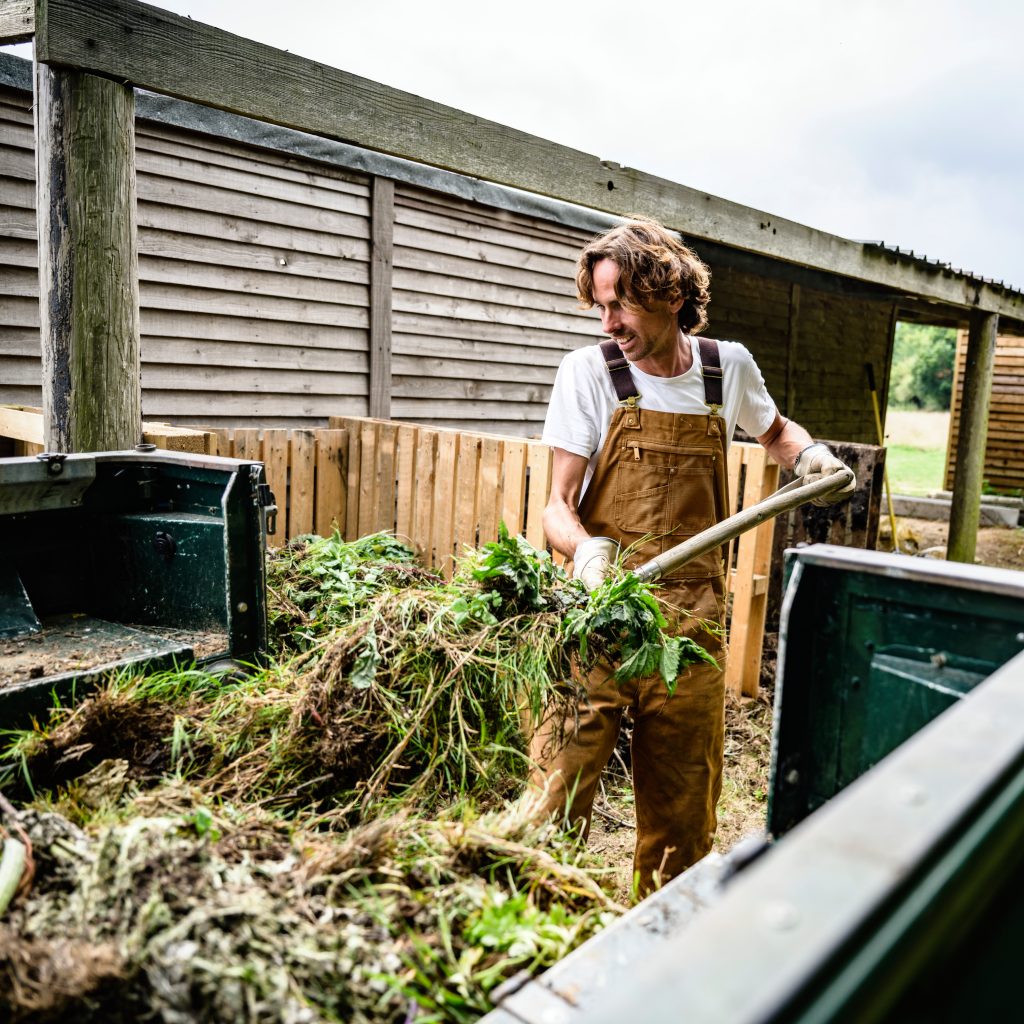
Are you wondering if those pesky weeds in your garden can go straight into your compost bin? You’re not alone.
Many gardeners hesitate because they worry about spreading weeds instead of nourishing their soil. What if you could turn those unwanted plants into valuable compost without the risk? Keep reading, and you’ll discover simple tips that can help you compost your weeds safely and effectively.
Your garden will thank you!

Credit: tech.yahoo.com
Weeds And Composting Basics
Many gardeners wonder if they can put weeds in a compost bin. Composting helps recycle garden waste into useful soil. But not all weeds are safe to compost.
Knowing which weeds to avoid and which ones to compost can improve your garden health. This guide covers the basics of weeds and composting.
Types Of Weeds To Avoid
Some weeds can spread quickly or survive composting. These weeds can cause problems if added to your compost bin.
- Weeds with seeds, like dandelions and thistles, can sprout in compost.
- Weeds with deep roots, such as bindweed and couch grass, may regrow.
- Poisonous weeds like poison ivy and ragweed should not go in compost.
- Woody or tough weeds take a long time to break down.
Benefits Of Composting Weeds
Composting some weeds adds nutrients to the soil. It can reduce waste and improve garden growth.
| Benefit | Description |
| Rich Nutrients | Weeds provide nitrogen and minerals to compost. |
| Soil Improvement | Composted weeds help soil hold moisture better. |
| Waste Reduction | Using weeds lowers trash and landfill waste. |
| Cost Savings | Compost reduces the need for fertilizers. |
Credit: www.housedigest.com
Preparing Weeds For Compost
Composting weeds can be beneficial for your garden. Proper preparation is key to avoiding problems.
Weeds add nutrients to compost, but they need careful handling. Let’s explore two important steps.
Chopping And Drying
Chopping weeds into smaller pieces helps them break down faster. Use garden shears or a shovel for this task.
Drying weeds in the sun reduces moisture and prevents rot. Lay them out on a sunny day for best results.
- Cut weeds into small pieces
- Dry weeds in the sun
- Ensure weeds are crispy before adding to compost
Avoiding Seed Spread
Seeds can sprout in your compost if not handled well. This can cause unwanted plants in your garden.
To avoid this, compost weeds before they seed. Alternatively, use a hot composting method to kill seeds.
- Compost weeds before they seed
- Use hot composting to kill seeds
- Check compost regularly for sprouting seeds
Composting Techniques For Weeds
Weeds can be a problem in gardens, but they can also be composted. Composting weeds helps reduce waste and create rich soil. It is important to use the right methods to avoid spreading seeds or harmful roots.
Choosing the correct composting technique ensures weeds break down properly. This guide explains two common methods: hot composting and cold composting.
Hot Composting Method
Hot composting uses high temperatures to kill weed seeds and roots. This process takes a few weeks to complete. It is the safest way to compost weeds without risk.
- Gather green waste like grass clippings and vegetable scraps.
- Add brown materials such as dry leaves and straw.
- Mix the materials well to create heat.
- Turn the pile regularly to keep it hot.
- Keep the pile moist but not wet.
- Wait until the temperature stays above 130°F (54°C) for several days.
Hot composting kills most weed seeds and roots. It also produces rich compost quickly. This method needs effort but gives good results.
Cold Composting Challenges
Cold composting is easier but slower. It does not kill all weed seeds or roots. This can cause weeds to grow when you use the compost.
| Challenge | Description | Risk |
| Low Temperature | The pile stays cool and breaks down slowly. | Weed seeds survive and can sprout later. |
| Poor Mixing | Materials do not blend well. | Some weed roots remain alive. |
| Long Time | Composting can take months or years. | Weeds may spread if not managed. |
For cold composting, it is best to avoid weeds with seeds or strong roots. If you add weeds, chop them small and mix well. Monitor the pile to reduce weed growth risks.
Managing Problematic Weeds
Weeds can be tricky when you want to compost them. Some weeds spread quickly and can cause trouble in your garden.
You need to be careful about which weeds you put in your compost bin. This helps stop them from coming back.
Dealing With Invasive Species
Invasive weeds grow fast and take over gardens and nature. Putting them in compost can spread them even more.
To stop this, avoid adding invasive species to your compost unless your bin gets very hot.
- Use a hot compost bin that reaches 140°F (60°C) or more
- Turn the compost regularly to kill weed roots
- Do not add invasive weeds to cold compost piles
Handling Weeds With Seeds
Weeds with seeds can spread easily if the seeds survive composting. Seeds can sprout when you use the compost.
Make sure your compost pile gets hot enough to kill the seeds. If not, avoid adding seed-containing weeds.
- Remove seed heads before composting
- Use a hot composting process that heats above 140°F (60°C)
- Turn the pile often to ensure all parts get hot
- Consider disposing of seed heads in the trash
Maintaining A Healthy Compost Bin
Composting is a great way to reduce waste and enrich your garden soil. Keeping your compost bin healthy helps break down materials faster.
Knowing what to add and how to care for your bin ensures good compost. Let’s look at some key points for success.
Balancing Greens And Browns
Compost needs a balance of green and brown materials. Greens are rich in nitrogen, and browns add carbon.
Weeds can be added if they are not seeding or invasive. Always mix them with plenty of brown materials.
- Green materials: kitchen scraps, grass clippings, fresh weeds
- Brown materials: dry leaves, straw, cardboard, paper
- A good mix is about two parts brown to one part green
Monitoring Temperature And Moisture
Temperature shows how active your compost is. It should feel warm but not hot to the touch.
Keep the compost moist like a wrung-out sponge. Too dry or too wet slows the process.
- Turn the pile regularly to add air and control temperature
- Water the compost if it feels dry
- Add dry materials if it gets too wet or smells bad

Credit: www.epicgardening.com
Using Finished Compost Safely
Finished compost enriches soil and helps plants grow. It is important to use it carefully to avoid problems.
One concern is whether compost contains weed seeds. Using compost safely means knowing when it is fully decomposed.
Identifying Fully Decomposed Material
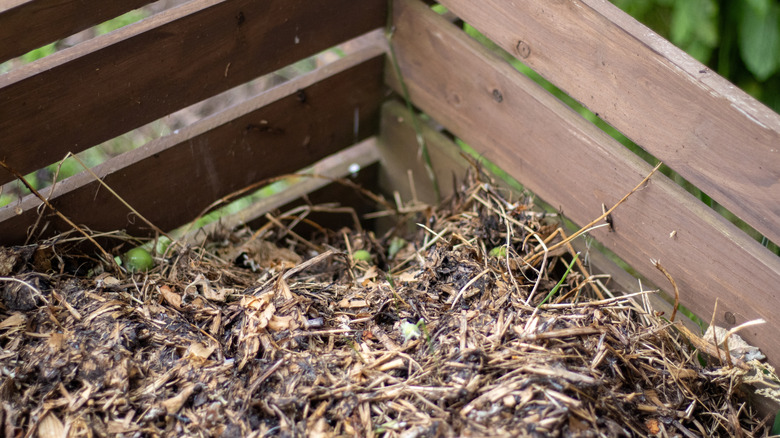
Fully decomposed compost looks dark and crumbly. It smells earthy and does not have strong odors.
- The material is uniform in texture without large chunks.
- It has cooled down after the active composting phase.
- There are no visible signs of original weeds or plants.
- It feels moist but not wet or slimy to the touch.
Preventing Weed Growth In Garden Beds
Using compost that still has live weed seeds can cause weeds to grow in your garden beds. You can reduce this risk with a few steps.
| Method | Description |
|---|---|
| Heat Treatment | Keep compost hot enough for several days to kill seeds. |
| Screen Compost | Use a mesh screen to remove large pieces and seeds. |
| Apply Mulch | Cover garden beds with mulch to block weed growth. |
| Test Before Use | Place some compost in a pot and watch for weed sprouts. |
Frequently Asked Questions
Can I Compost Weeds With Seeds Safely?
Composting weeds with seeds is risky. Seeds may survive the process and spread when you use compost. Hot composting kills most seeds, but cold composting might not.
How To Prevent Weed Growth From Compost?
To prevent weeds, avoid adding seedy or invasive weeds. Use a hot compost method reaching 140°F to kill seeds and roots. Regularly turn the pile for even heat distribution.
Are All Weeds Safe For Compost Bins?
Not all weeds are safe. Avoid poisonous, invasive, or diseased weeds. Remove seed heads and roots before adding to ensure safe decomposition.
Does Composting Kill Weed Roots Effectively?
Hot composting kills most weed roots due to high temperatures. Cold compost may allow roots to survive and regrow. Maintain 130-160°F for several days to kill roots.
Conclusion
Weeds can go in your compost bin with some care. Avoid adding seeds or roots that might grow back. Chop weeds into small pieces to help them break down faster. Keep your compost moist and turn it often for best results.
This helps kill weed seeds and speeds up composting. Composting weeds saves waste and makes rich soil for plants. It’s a smart way to recycle garden scraps safely. Try it and watch your garden grow healthier with less trash. Simple steps make composting weeds easy and effective.