Imagine this: it’s the middle of the night, and your baby is finally settled down for a feed. You’ve gently warmed up some precious breast milk, but your little one decides they’re not as hungry as you thought.
Now, you’re left with an important question: can you refrigerate that heated breast milk for later use? This dilemma is more common than you might think, and understanding the safe practices around breast milk storage is crucial for the health and well-being of your baby.
We’ll dive into the dos and don’ts of breast milk storage, specifically after it’s been heated. You’ll discover why this topic matters and gain peace of mind knowing how to handle these situations confidently. Trust me, you’ll want to read on, because what you learn today could make all the difference for you and your little one.

Credit: www.reddit.com
Safe Handling After Heating
Handling breast milk safely after heating is crucial for your baby’s health. Once breast milk is warmed, its natural defenses weaken, making it more vulnerable to bacteria. Understanding the right steps to take after heating can protect your little one from illness and ensure they get the full nutritional benefits.
Why Proper Handling Matters
Breast milk contains important antibodies that help protect your baby. Heating can reduce some of these protective qualities, so it’s important to handle the milk carefully afterward.
If you don’t store or use the milk correctly after warming, bacteria can grow quickly. This can lead to stomach upset or infections in your baby. Have you ever wondered why some pediatricians stress using warmed milk immediately? It’s because once milk is heated, the clock starts ticking on its safety.
Keeping your baby safe means avoiding reheating and refrigerating warmed milk for too long. Always try to feed your baby right after warming to keep the milk fresh and healthy.
Risks Of Reheating Breast Milk
Reheating breast milk multiple times increases the risk of harmful bacteria. Each time milk is heated and cooled, the chance of contamination rises.
Some parents ask, “Can I just warm a little extra milk and save the rest for later?” The best advice is no. Once milk has been heated, it should not be reheated or put back into the fridge for later use.
Reheating can also destroy nutrients and antibodies, reducing the milk’s quality. Instead, warm only the amount your baby will consume in one feeding. This simple step helps maintain the milk’s safety and nutritional value.

Credit: www.reddit.com
Refrigeration Guidelines
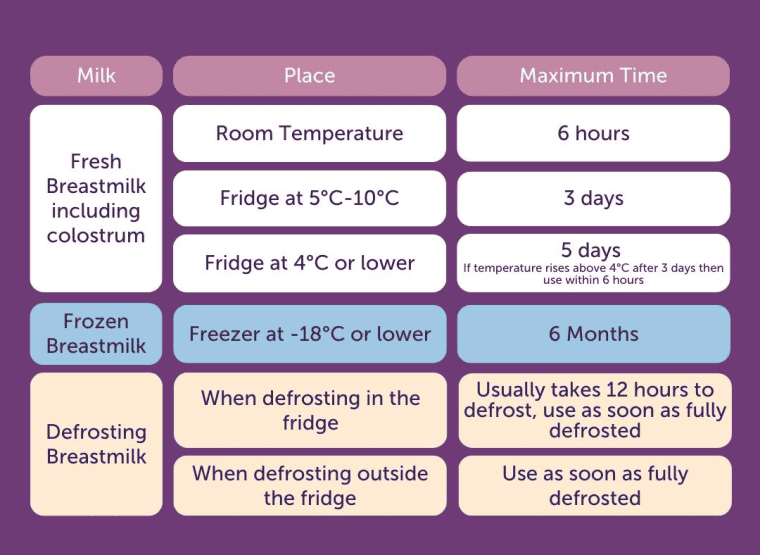
Proper refrigeration of breast milk after heating is important for your baby’s safety. Following the right guidelines helps keep the milk fresh and free from harmful bacteria. Understanding how long you can store heated milk and what containers to use makes feeding easier and safer.
Time Limits For Refrigeration
Heated breast milk should be used within a short time. After warming, store it in the refrigerator immediately if not used right away. Use the milk within 1 to 2 hours of heating. Do not refreeze or reheat the same milk more than once. These limits help prevent bacterial growth and keep the milk safe for your baby.
Storage Containers To Use
Choose clean, airtight containers designed for breast milk. Glass or BPA-free plastic containers work best. Avoid using regular plastic bags or containers not meant for milk storage. Label each container with the date and time of heating. This practice helps track freshness and ensures safe feeding times.
Signs Of Spoiled Milk
Knowing the signs of spoiled breast milk is crucial for your baby’s health. Spoiled milk can harm your baby and cause stomach issues. Identifying spoilage early helps prevent feeding your baby unsafe milk. This section explains how to detect spoilage and when to throw milk away.
How To Detect Spoilage
- Smell: Spoiled milk has a sour or rancid odor.
- Appearance: Look for changes like clumps, curdling, or separation that won’t mix back.
- Texture: Spoiled milk may feel grainy or lumpy when stirred.
- Color: A change from white or creamy to yellowish or grayish signals spoilage.
- Taste: If unsure, taste a tiny drop. Spoiled milk tastes sour or off.
When To Discard Breast Milk
- Milk left at room temperature for more than 2 hours after heating.
- Milk stored in the refrigerator after heating for over 24 hours.
- Milk showing any signs of spoilage like bad smell or curdling.
- Milk stored longer than recommended times before heating.
- Milk that was heated more than once.
Best Practices For Heating
Heating breast milk requires care to keep its nutrients and safety intact. Following the best practices helps preserve milk quality and protects your baby. Proper heating also avoids harmful bacteria growth and nutrient loss.
Safe Heating Methods
- Use warm water baths to gently heat breast milk.
- Place the milk container in a bowl with warm water.
- Swirl the milk gently to even out the temperature.
- Avoid microwaves as they create hot spots and destroy nutrients.
- Check the milk temperature by dropping some on your wrist.
Avoiding Overheating
Heating milk above 40°C (104°F) can damage its nutrients. Always warm milk slowly and carefully. Rapid heating can cause burns and nutrient loss.
- Never boil breast milk.
- Heat only the amount needed for one feeding.
- Do not reheat milk more than once.
- After heating, feed immediately or discard leftover milk.
Common Myths And Facts
Many new parents wonder if it’s safe to refrigerate breast milk after heating it. There’s a lot of conflicting advice floating around, which can make it confusing to decide what’s best for your baby. Understanding the myths and facts can help you make informed choices and avoid wasting precious milk.
Misconceptions About Refrigerating Heated Milk
One common myth is that you can safely reheat and refrigerate breast milk multiple times. In reality, once breast milk has been warmed, it should ideally be used within two hours. Putting it back in the fridge and reheating again increases the risk of bacterial growth.
Another misconception is that reheating breast milk destroys all its nutrients. While some vitamins may reduce slightly, the overall nutritional value remains intact. The bigger concern is the safety and cleanliness of the milk, not just nutrient loss.
Some parents believe that breast milk can be kept at room temperature for long periods after heating. This isn’t safe. Heated milk should not sit out more than two hours as bacteria multiply quickly in warm conditions.
Expert Recommendations
- Use heated breast milk within two hours and discard any leftover milk.
- Do not refreeze or refrigerate milk that has already been warmed.
- Store breast milk in the refrigerator right after pumping and only heat what your baby will consume immediately.
- When reheating, gently warm the milk by placing the container in warm water rather than using a microwave, which can create hot spots.
Experts emphasize that these guidelines protect your baby from harmful bacteria without compromising nutrition. Have you ever reheated breast milk and wondered if it was still safe? Following these simple rules can give you peace of mind and keep feeding time stress-free.

Credit: kiinde.com
Frequently Asked Questions
Can I Refrigerate Breast Milk After Warming It?
It is not recommended to refrigerate breast milk after warming. Once heated, breast milk should be used within 2 hours or discarded to prevent bacterial growth and ensure baby’s safety.
How Long Can Heated Breast Milk Stay In The Fridge?
Heated breast milk should not be refrigerated again. Use it within 2 hours after warming. Reheating or refrigerating again can cause bacterial contamination.
Is It Safe To Reheat Breast Milk Multiple Times?
No, reheating breast milk multiple times is unsafe. Each warming increases bacterial risk. Always warm only the amount needed for one feeding.
Why Shouldn’t I Refrigerate Breast Milk After Heating?
Refrigerating warmed breast milk can encourage bacterial growth. Bacteria multiply faster in milk once it is warmed, increasing risk of illness for your baby.
Conclusion
Breast milk should be used soon after heating for best safety. Avoid refrigerating milk once warmed to stop bacteria growth. Always warm only the amount you plan to feed your baby. Store milk properly before heating, keeping it cold or frozen.
Remember, safety helps protect your baby’s health every time. Trust simple steps to keep breast milk fresh and safe. This way, your baby gets the best nutrition without risk.