You’re a parent who’s always on the go, juggling bottles of breast milk like a pro. But then, a question pops up: “Can I refrigerate breast milk after warming it?” This is one of those questions that can keep you up at night, second-guessing if you’re doing the right thing for your baby.
You want to provide the best nourishment possible, but what if you’re unintentionally compromising its quality? This blog post is here to put your mind at ease. We’ll break down the science, the do’s and don’ts, and give you clear guidance on how to handle breast milk safely.
Stick with us as we unravel the mystery and help you ensure that your baby gets the best nutrition. Your peace of mind is just a few paragraphs away.
Credit: www.cafeoflifesandiego.com
Warming Breast Milk Safely
Warming breast milk safely is important to keep nutrients and avoid harmful bacteria. Proper warming helps protect your baby’s health and ensures milk stays fresh. Using the right methods prevents hot spots that can burn your baby’s mouth.
Methods To Warm Milk
- Place the milk container in a bowl of warm water for a few minutes.
- Use a bottle warmer designed for breast milk.
- Run warm tap water over the bottle until it reaches a safe temperature.
- Avoid using a microwave as it heats unevenly and can destroy nutrients.
Avoiding Overheating
- Check the milk temperature before feeding by dropping some on your wrist.
- Milk should feel warm, not hot.
- Swirl the bottle gently to mix milk and heat evenly.
- Never leave milk warming unattended to prevent overheating.
- Heat only the amount needed to reduce waste and bacterial growth.

Credit: www.reddit.com
Refrigeration Guidelines After Warming
Proper storage of breast milk after warming is crucial for your baby’s health. Following refrigeration guidelines helps keep the milk safe and nutritious. Understanding these rules can prevent waste and protect your baby from harmful bacteria.
Time Limits For Refrigeration
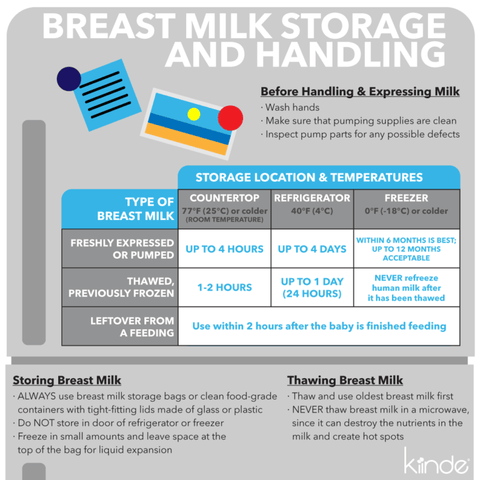
Breast milk should be used within 2 hours after warming. If your baby does not finish the bottle, do not refrigerate the leftover milk. It is best to discard it to avoid contamination. Never reheat breast milk more than once. Always store warmed milk in the refrigerator if not used immediately.
Signs Of Spoiled Milk
Check the milk’s smell before feeding. Spoiled milk often smells sour or unpleasant. Look for changes in color or texture. If the milk appears curdled or separated, do not use it. Trust your senses to ensure the milk is safe for your baby.
Risks Of Refreezing Or Refrigerating Warmed Milk
Refrigerating or refreezing breast milk after it has been warmed might seem like a convenient way to save leftovers. However, this practice comes with risks that can affect your baby’s health and the milk’s quality. Understanding these risks helps you make safer choices for storing breast milk.
Bacterial Growth Concerns
Once breast milk is warmed, it creates an ideal environment for bacteria to grow quickly. If you put that milk back in the fridge or freezer, the bacteria don’t disappear—they multiply. This can increase the risk of your baby getting sick.
Think about it this way: when milk warms, any bacteria present start to grow. Cooling it again slows growth but doesn’t kill bacteria already there. So, storing warmed milk longer than necessary can cause contamination.
Nutrient Degradation
Warming and then refrigerating or freezing breast milk can break down its valuable nutrients. Proteins and antibodies that protect your baby might lose their effectiveness over time. This means your baby might not get the full benefits of the milk.
For example, repeatedly changing the milk’s temperature can reduce important immune factors. This can weaken the milk’s ability to fight infections. Are you okay with your baby missing out on these key nutrients just to save a little milk?
Best Practices For Handling Breast Milk
Handling breast milk properly is crucial for keeping it safe and nutritious for your baby. Every step—from expressing to feeding—requires attention to detail. Mistakes in storage or warming can affect the milk’s quality and your baby’s health.
Storage Containers
Use clean, BPA-free containers designed for breast milk storage. Glass bottles or hard plastic containers with tight-fitting lids work best. Avoid regular plastic bags or containers not meant for freezing, as they might leak or contaminate the milk.
Choose containers that are easy to clean and sterilize. If you freeze milk, leave some space at the top because milk expands when frozen. This small step prevents spills and helps maintain quality.
Labeling And Tracking
Label each container with the date and time you expressed the milk. This helps you use the oldest milk first and prevents confusion about how long the milk has been stored. A simple sticker or marker works well.
Keep a log or use an app to track your milk supply. It’s surprising how quickly you can lose track, especially if you pump multiple times a day. Knowing what you have on hand can reduce waste and ensure your baby always gets fresh milk.
Alternatives To Refrigerating Warmed Milk
Refrigerating breast milk after warming is not recommended due to bacteria growth risks. Finding alternatives helps keep milk safe and fresh for your baby. There are practical ways to manage milk feeding without risking spoilage or health issues.
Using Fresh Milk
Prepare fresh breast milk just before feeding whenever possible. This reduces the need to reheat or store warmed milk. Fresh milk keeps the nutrients intact and lowers contamination chances.
Store milk in small portions to avoid warming excess amounts. Use only what your baby will finish during one feeding. Discard any leftover milk to maintain safety.
Safe Milk Preparation Tips
- Warm milk gently by placing the bottle in warm water.
- Avoid using a microwave to heat breast milk.
- Feed your baby within two hours of warming the milk.
- Never refreeze or refrigerate milk that has been warmed and partially used.
- Keep bottles and feeding equipment clean and sterilized.
Following these tips ensures the milk stays safe and healthy. It protects your baby from harmful bacteria and maintains milk quality.

Credit: www.breastfeedingnetwork.org.uk
Frequently Asked Questions
Can I Refrigerate Breast Milk After Warming It?
No, it’s unsafe to refrigerate breast milk once warmed. Warmed milk should be used within 2 hours or discarded to prevent bacterial growth.
How Long Can Warmed Breast Milk Stay Out?
Warmed breast milk can stay at room temperature for up to 2 hours. After that, it should be discarded to ensure baby’s safety.
Is It Okay To Reheat Breast Milk Multiple Times?
No, breast milk should not be reheated more than once. Repeated heating increases the risk of bacterial contamination and nutrient loss.
What Is The Best Way To Store Breast Milk?
Store breast milk in clean, BPA-free containers. Refrigerate within 4 hours after pumping and use within 4 days for best freshness.
Conclusion
Warming breast milk helps your baby feed comfortably. Do not put warmed milk back in the fridge. Bacteria can grow quickly in milk left out too long. Use warmed milk within two hours for safety. Always store breast milk properly before warming.
Safe handling keeps your baby healthy and happy. Remember, fresh milk is best for your little one. Simple steps protect your baby’s health every day. Keep these tips in mind for safe feeding.