
Have you ever wondered if you can replace just one tire on your car without changing all four? It’s a question many drivers face when one tire gets damaged or worn out.
You want to save money, but you also want to stay safe on the road. Making the wrong choice could affect your car’s performance and your safety. You’ll discover the key facts you need to know before deciding whether replacing a single tire is the right move for you.
Keep reading to find out what experts recommend and how to protect your ride.

Credit: danthetireman.com
When Single Tire Replacement Is Possible
Replacing just one tire on a car can be safe and effective in some cases. It depends on the tire’s size and condition. Knowing when this is okay helps keep your car stable and safe.
This guide explains the key factors to check before replacing one tire. It focuses on matching tire size and tread, plus the conditions that favor swapping only one tire.
Matching Tire Size And Tread
The new tire must match the other tires in size and tread depth. Different sizes can cause problems with steering and braking. Tire tread affects grip and handling.
| Factor | Requirement |
| Tire Size | Must be the same as existing tires |
| Tread Depth | Should be within 2/32 inch of other tires |
| Tire Type | Match brand and model if possible |
Conditions Favoring One Tire Swap
One tire replacement works best if the other tires are in good shape. The car’s drive type also matters. Front-wheel, rear-wheel, and all-wheel drive cars have different needs.
- Only one tire is damaged or worn out
- The other tires have plenty of tread left
- Tires are all the same brand and model
- The vehicle is not all-wheel drive or has a limited-slip differential
- The new tire matches size, tread depth, and type
Risks Of Replacing Only One Tire
Replacing just one tire on your car may seem like a good way to save money. It might feel like a quick fix after a flat or worn-out tire. But there are risks you should know before doing this.
New tires differ from old ones in tread depth and grip. This difference can cause problems with how your car drives and handles.
Impact On Vehicle Stability
When one tire is new and the others are worn, your car’s balance can change. This difference affects how your vehicle stays stable on the road.
Your car may pull to one side or feel uneven when turning. This makes driving harder and less safe, especially in bad weather or on sharp turns.
Effect On Traction And Safety
New tires have better grip than old ones. When only one tire is new, traction changes between tires. This can cause slipping or loss of control.
Traction issues reduce your ability to stop quickly. Your car’s safety systems may also not work well with uneven tires.
- Increased risk of skidding on wet or icy roads
- Uneven wear can cause damage to suspension parts
- Anti-lock braking system (ABS) may malfunction
- Less effective control during sudden stops or turns
Manufacturer Recommendations
Car makers give advice about replacing tires. They want your car to work safely.
Replacing only one tire may cause problems. Learn what the main brands say.
Guidelines From Major Brands
Tire makers often suggest replacing tires in pairs or sets. This keeps balance and grip.
Some brands allow one tire change if the new tire matches the old one well.
- Michelin: Replace tires in pairs to keep traction and control.
- Goodyear: Match new tires closely with remaining ones.
- Bridgestone: Avoid mixing tire types or tread patterns.
- Pirelli: Replace all four tires for best performance.
Warranty And Insurance Considerations
Replacing just one tire may affect your warranty or insurance. Check the details carefully.
Some warranties require all tires to be the same model and wear level. Insurance claims may be denied if problems come from uneven tires.
- Warranty may be void if tires are mixed.
- Insurance might not cover accidents caused by uneven tires.
- Keep proof of tire purchases and replacements.
- Ask your dealer or insurer before changing one tire.
Credit: www.continental-tires.com
All-wheel Drive And Tire Replacement
Replacing just one tire on an all-wheel drive (AWD) car needs care. AWD systems use all tires to move power evenly. A different tire size can cause problems.
Understanding why AWD systems are sensitive helps you protect your vehicle. This guide covers key points about tire replacement on AWD cars.
Why Awd Systems Are Sensitive
AWD cars send power to all wheels at once. This keeps the car stable and fast in different conditions. Tires with different sizes or wear change how wheels spin.
- AWD uses sensors to match wheel speed
- Mismatched tires cause uneven wheel rotation
- Uneven rotation forces the AWD system to work harder
- Extra strain can wear out parts faster
- Proper tire size keeps power balanced
Potential Damage From Mismatched Tires
Using one tire that is different from the others can damage your AWD system. The difference in tire size or tread depth causes stress inside the drivetrain.
| Type of Damage | Cause | Effect |
| Transfer Case Damage | Uneven wheel speed | Costly repairs |
| Differential Wear | Extra friction | Reduced lifespan |
| Tire Wear | Imbalanced rotation | Uneven tread wear |
| Fuel Efficiency Loss | System strain | More fuel used |
Tips For Choosing A Replacement Tire
Replacing one tire on your car is possible but requires care. Choosing the right tire keeps your car safe and balanced.
This guide helps you pick the best replacement tire for your vehicle’s needs.
Checking Tread Depth Compatibility
Tread depth affects how well your tire grips the road. Make sure the new tire’s tread depth matches your other tires.
Different tread depths can cause uneven wear and affect your car’s handling.
- Use a tread depth gauge to measure your current tires
- Choose a replacement tire with similar tread depth
- Avoid mixing new tires with very worn ones
Selecting The Right Tire Type
Tires come in types like all-season, summer, and winter. Pick a tire type that fits your climate and driving style.
Matching the tire type with your existing tires keeps your car balanced and safe.
- All-season tires work well in many conditions
- Summer tires offer better grip in warm weather
- Winter tires provide traction on snow and ice
- Check your car’s manual for recommended tire types
When To Replace All Tires Together
Replacing tires is important for your car’s safety. Sometimes, you may think about changing only one tire. But there are cases when replacing all tires together is best.
This guide explains when to replace all tires at once. It covers signs of uneven wear and the benefits of changing all tires.
Signs Of Uneven Wear
Uneven tire wear shows that tires do not wear out the same way. This can cause problems with driving and safety.
- Tread depth varies between tires
- One tire has bald spots or cracks
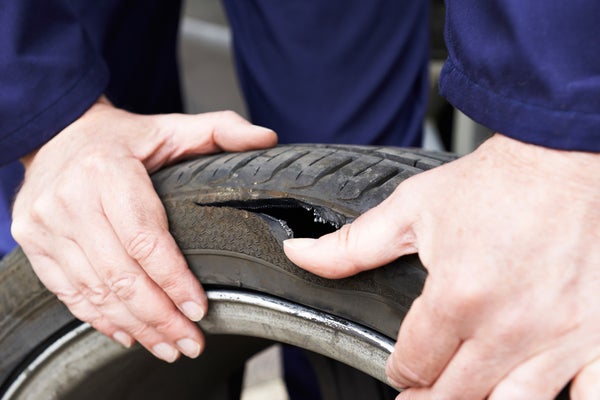
- Visible damage like cuts or bulges on one tire
- Car pulls to one side while driving
- Vibrations felt in the steering wheel
If you see these signs, all tires may need replacement. This keeps your car stable and safe on the road.
Benefits Of Replacing All Tires
| Benefit | Explanation |
| Better Handling | All tires have the same grip for smooth turns |
| Improved Safety | Even wear reduces the risk of blowouts or skids |
| Longer Tire Life | New tires wear evenly and last longer |
| Better Fuel Efficiency | Balanced tires reduce drag and save fuel |
| Smoother Ride | Equal tires absorb shocks better |
Replacing all tires together ensures your car drives safely and saves money in the long run.
Professional Advice And Maintenance
Replacing one tire on your car is a common question among drivers. It is important to know when it is safe and what experts suggest. Proper maintenance helps keep your car safe and running smoothly.
Understanding tire care and following professional advice can prevent problems. This guide focuses on consulting tire experts and regular tire inspections to help you decide.
Consulting Tire Experts
Tire experts can check if replacing one tire is safe for your car. They look at tire wear, size, and type before giving advice. Experts also check if one new tire fits well with the others.
Getting advice from professionals ensures your car handles well and stays safe. They help you avoid problems like uneven wear or poor traction by matching tires properly.
- Check tire tread depth for safety
- Match tire size and type exactly
- Balance and align tires after replacement
- Follow manufacturer’s recommendations
Regular Tire Inspections
Regular tire inspections help spot issues early. Look for signs like cracks, bulges, or uneven wear. This keeps your tires in good condition and extends their life.
Inspect your tires at least once a month and before long trips. Check air pressure, tread depth, and overall condition. Proper inspections reduce the risk of accidents.
- Check tire pressure with a gauge
- Look for visible damage or wear
- Rotate tires every 5,000 to 8,000 miles
- Replace tires when tread is below 2/32 inch

Credit: www.reddit.com
Frequently Asked Questions
Can I Replace Only One Tire On My Car Safely?
Yes, you can replace one tire if the others have good tread. Ensure the new tire matches size and type for safety and performance.
What Risks Come With Replacing Just One Tire?
Replacing one tire may cause uneven traction and handling. It can lead to faster wear on new or old tires and affect stability.
How To Choose The Right Single Tire Replacement?
Pick a tire that matches your car’s make, model, and existing tire specifications. Match tread pattern, size, and speed rating for best results.
When Is It Not Advisable To Replace Just One Tire?
Avoid replacing one tire if others are worn out or mismatched. For all-wheel-drive vehicles, replacing only one tire can damage the drivetrain.
Conclusion
Replacing just one tire can work, but it depends on your car and tire condition. Tires wear out at different rates, so matching tread depth is important. A new tire may cause handling issues if the others are worn. Always check your vehicle’s manual or ask a tire expert before deciding.
Safety matters most on the road. Taking time to choose the right option keeps your drive smooth and secure. Don’t rush—think about what fits your car and your budget best.