Thinking about replacing your air conditioner yourself? It’s a tempting idea.
You might be imagining saving money and gaining a sense of accomplishment. But before you grab your tools and get started, there are important things you need to know. What if the job is harder than it looks? What if a small mistake leads to bigger problems or higher costs?
You’ll discover the key points to consider, the risks involved, and whether this is really a project you should tackle on your own. Keep reading to find out if you can replace your air conditioner yourself—and how to do it right if you decide to go for it.
Assessing Your Skills
Replacing an air conditioner needs some basic electrical knowledge. You should know how to turn off power safely and handle wiring. Mistakes can cause shocks or damage.
Understanding HVAC systemshelps. Know how the unit cools and connects to your home. This makes the process easier and safer.
Tools are important. Here are some you might need:
- Screwdrivers
- Voltage tester
- Wire strippers
- Wrenches
- Level tool
- Refrigerant gauges (for some models)

Credit: www.americanstandardair.com
Choosing The Right Unit
Choosing the right air conditioner means thinking about size, efficiency, and type. A unit that is too small will struggle to cool your space. Too big, and it wastes energy and money.
Energy efficiency is key. Look for units with a high SEER rating(Seasonal Energy Efficiency Ratio). Higher ratings mean lower bills and less impact on the environment.
| Type | Best For | Notes |
|---|---|---|
| Window Units | Small rooms | Easy to install, affordable |
| Split Systems | Whole homes | Quiet and efficient |
| Portable Units | Temporary cooling | Less efficient, flexible |
Preparation Steps
First, turn off the powerto the air conditioner. This step is very importantfor safety. Use the circuit breaker or fuse box to cut the power. Confirm the power is off by trying to turn on the unit.
Next, gather all the necessary tools and materials. Common items include screwdrivers, a wrench, a new air conditioner unit, and safety gloves. Having everything ready makes the job easier and faster.
| Local Codes | Why Check? |
|---|---|
| Permit Requirements | Some places need official permission for AC replacement. |
| Electrical Rules | Ensures wiring meets safety standards. |
| Disposal Guidelines | Proper ways to throw away old units. |
Checking local codes avoids fines and unsafe work. Call your city office or visit their website for details.

Credit: howardair.com
Removal Process
Start by turning off the power to the air conditioner at the breaker box. Disconnect all electrical wirescarefully to avoid shocks. Label the wires to remember their place later.
Next, handle the refrigerant lines with care. These tubes carry the coolant. Use proper tools to detach the lineswithout causing leaks. This step might need a professional if you lack experience.
Finally, remove the old unit. Unscrew all mounting bolts and brackets holding it in place. Gently lift the unit out. Be cautious—air conditioners can be heavy and bulky.
Installing The New Air Conditioner
Place the new air conditioner unit on a flat, stable surface. Make sure it fits the space and has enough airflow around it. Avoid direct sunlight or areas near heat sources. Use a level to keep the unit straight. Secure the unit firmly to avoid shaking or noise during operation.
Turn off the power before handling electrical wiring. Connect wires following the manufacturer’s instructions exactly. Use wire nuts or connectors to join wires safely. Check that all connections are tight to avoid shorts or sparks. Use a voltage tester to confirm power is off before you start.
Attach refrigerant lines carefully to prevent leaks. Clean the lines before connecting to remove dirt or debris. Use proper tools to tighten fittings without over-tightening. Check for leaks using a soapy water solution or a leak detector. Ensure the lines have proper insulation to maintain efficiency.
Testing And Troubleshooting
Check the unit and pipes carefully for any signs of leaks. Leaks can cause loss of cooling and higher energy bills. Look around joints and connections for moisture or stains. A small leak might be fixed with sealant, but large leaks need a professional.
Before powering on, ensure all wiring is connected and secure. Turn on the system and listen for unusual noises. Check if air flows strongly from vents. If the system does not turn on, check the breaker or power switch.
- Unit won’t start or stops suddenly.
- Weak or no airflow from vents.
- Strange smells or noises.
- Water pooling inside or outside unit.
- Thermostat not responding or inaccurate.
Safety Precautions
Handling refrigerants properlyis crucial. These chemicals can harm the environment and your health. Avoid releasing refrigerants into the air. Use special tools and follow local laws for safe disposal. Wear gloves and goggles to protect your skin and eyes.
Avoiding electrical hazardsrequires caution. Always turn off power before starting work. Use a voltage tester to check wires. Never touch wires with wet hands. Use insulated tools for safety.
- Call a professionalif you feel unsure about refrigerant handling.
- Seek help if electrical wiring looks complex or damaged.
- Get professional help if your air conditioner is old or has leaks.
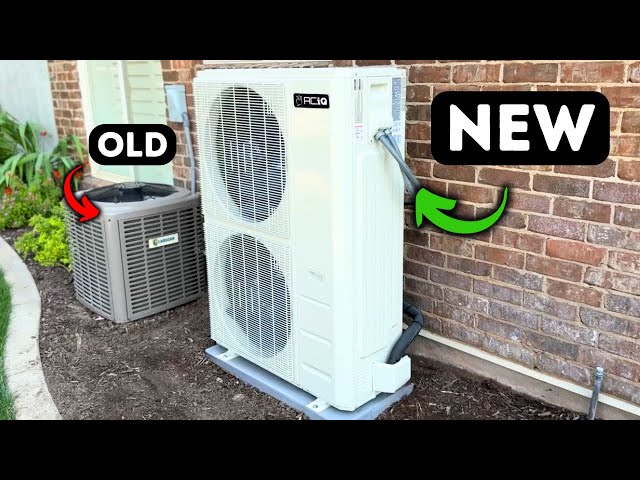
Credit: www.youtube.com
Frequently Asked Questions
Is It Safe To Replace An Air Conditioner Myself?
Replacing an air conditioner yourself is not recommended. It involves handling complex electrical systems and refrigerants. A professional ensures safety, efficiency, and compliance with regulations. Attempting it without expertise could lead to damage or injury. Always consult a certified HVAC technician for installation.
What Tools Are Needed For Ac Replacement?
Replacing an air conditioner requires specialized tools. You’ll need a vacuum pump, manifold gauge set, and refrigerant recovery machine. Additionally, basic hand tools like screwdrivers and wrenches are necessary. However, without proper training, using these tools can be dangerous. Hiring a professional is the safest option.
How Long Does Ac Replacement Take?
Professional air conditioner replacement typically takes 4 to 8 hours. The time varies based on the system’s complexity and installation site. DIY attempts might take longer and risk improper installation. For efficient and safe replacement, it’s best to hire a certified HVAC technician.
Can I Save Money By Diy Ac Replacement?
DIY AC replacement may seem cost-effective, but it often leads to higher expenses. Mistakes can result in damage, void warranties, or increased energy bills. Professional installation ensures efficiency and longevity, ultimately saving money. Always weigh potential risks against short-term savings before attempting DIY.
Conclusion
Replacing an air conditioner yourself can save money but needs care. Safety is very important during the process. You must know how the unit works and handle tools well. Mistakes can cause damage or injury. Sometimes, hiring a professional saves time and trouble.
Think about your skills before starting. Choose the best option for your home and comfort. Taking the right steps ensures your air conditioner works well. Simple steps make a big difference. Stay safe and cool this summer.