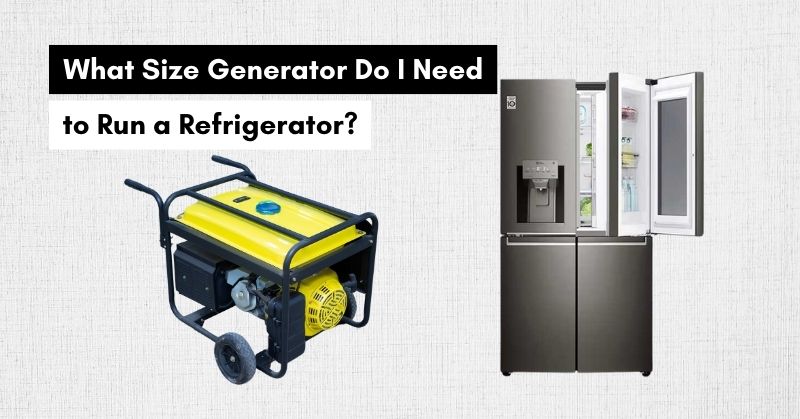
Have you ever faced a power outage and wondered if your trusty generator could keep your refrigerator running smoothly? You’re not alone.
Many people find themselves in this situation, unsure whether their generator has the capacity to power essential appliances like a refrigerator. Understanding the relationship between your generator and refrigerator can save you from food spoilage and ensure peace of mind during unexpected power cuts.
We’ll explore the ins and outs of running a refrigerator on a generator, helping you make informed decisions. Stick around, and you’ll discover practical tips and insights that could make all the difference when the lights go out.
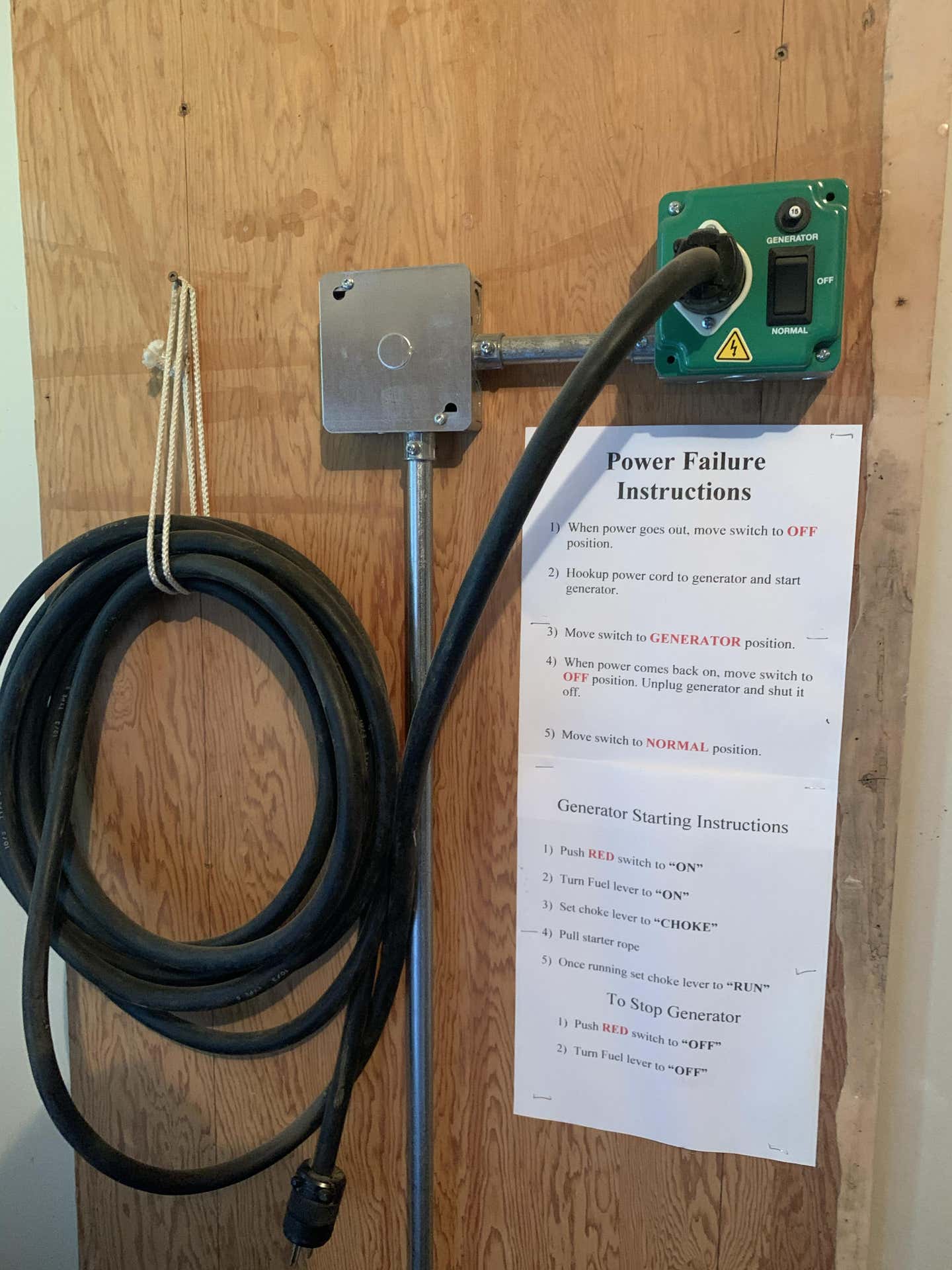
Credit: www.diychatroom.com
Generator Basics For Appliances
Running a refrigerator on a generator requires understanding the basics of generators. Knowing the types, power output, and fuel options helps choose the right generator. This knowledge ensures the refrigerator runs smoothly without damage or power issues. Let’s explore these core aspects.
Types Of Generators
Generators come in several types suited for different needs. Portable generators are compact and easy to move. They work well for small appliances like refrigerators. Standby generators are larger and connect to home wiring. They provide power automatically during outages. Inverter generators produce clean, stable power. They are best for sensitive electronics and efficient fuel use.
Power Output And Capacity
Power output shows how much electricity a generator produces. It is measured in watts. Refrigerators need a higher starting wattage than running wattage. The generator must handle this surge to avoid overload. Check the refrigerator’s label for wattage details. Choose a generator with a capacity above that number. This prevents power interruptions and keeps the appliance safe.
Fuel Options And Efficiency
Generators run on different fuels: gasoline, propane, diesel, or natural gas. Gasoline generators are common and easy to refuel. Propane and natural gas produce cleaner emissions and longer run times. Diesel generators are durable and fuel-efficient for heavy use. Consider fuel availability and cost when selecting a generator. Fuel efficiency affects how long the generator runs between refills.
Refrigerator Power Needs
Understanding the power needs of a refrigerator helps choose the right generator. Refrigerators need different amounts of power at startup and while running. Knowing these details prevents overloading your generator or causing power drops. It also helps to estimate fuel use and running time.
Starting Vs Running Watts
Refrigerators require more power when they start. This is called starting watts or surge watts. The compressor motor needs extra energy to begin working. After starting, the fridge uses less power, called running watts. Running watts are the energy needed to keep the fridge cold. Generators must handle the higher starting watts to avoid tripping or damage.
Energy Consumption Patterns
A refrigerator does not use the same power all the time. The compressor cycles on and off throughout the day. Power use rises when the compressor runs and drops when it stops. Other parts like lights and fans also use power, but less. Understanding these cycles helps estimate how much fuel your generator will need for longer use.
Common Refrigerator Sizes
| Size | Starting Watts | Running Watts |
|---|---|---|
| Small (up to 10 cu ft) | 600-800 watts | 100-250 watts |
| Medium (10-18 cu ft) | 800-1200 watts | 200-400 watts |
| Large (18+ cu ft) | 1200-1600 watts | 300-600 watts |
Knowing your refrigerator size and power needs helps pick the right generator size. A generator with enough starting watts and running watts keeps your fridge working smoothly.
Matching Generator To Refrigerator
Matching your generator to your refrigerator isn’t just about plugging it in and hoping for the best. It’s about understanding the power needs of your fridge and making sure your generator can handle those needs consistently. If you get this wrong, you risk damaging your refrigerator or constantly blowing fuses, which nobody wants during a power outage.
Calculating Power Requirements
Every refrigerator has a wattage rating, usually found on the label inside or on the back. This rating shows how much power the fridge needs to run. But don’t just look at the running watts; you also need to check the starting watts, which can be two to three times higher due to the compressor kick-start.
For example, a typical refrigerator might use 200 watts to run but require 600 watts when the compressor starts. You can find these numbers in the user manual or on manufacturer websites. Knowing both these numbers helps you avoid underpowering your generator.
Selecting The Right Generator Size
Once you know the power requirements, choose a generator that provides at least 20-30% more wattage than your fridge’s starting watts. This extra capacity ensures your generator won’t be overloaded when other small appliances or lights are also running.
If your refrigerator requires 600 starting watts, a generator rated around 750-800 watts would be safer. This cushion also extends the generator’s lifespan and reduces the risk of sudden shutdowns. Don’t forget to consider if you plan to power other devices simultaneously.
Handling Surge Loads
Surge load is the brief spike in power when the refrigerator compressor kicks on. This surge can trip your generator if it’s not equipped to handle it. Look for generators with a high surge watt rating or those designed for sensitive electronics.
Some generators have features like inverter technology that provide cleaner, more stable power and better handle surges. If your generator can’t handle the surge, you might experience flickering or frequent power cuts. Have you checked if your generator’s surge capacity matches your fridge’s needs?
Safe Operation Tips
Running a refrigerator on a generator needs careful attention to safety. Follow simple tips to protect your appliance and ensure smooth operation. These tips help avoid damage and extend the life of your generator and refrigerator.
Proper Ventilation And Placement
Place the generator outdoors in a well-ventilated area. Avoid running it inside or near windows to prevent carbon monoxide buildup. Keep the generator on a dry, flat surface to stop tipping or spills. Position the refrigerator away from direct sunlight and heat sources. This reduces strain on the appliance and saves fuel.
Avoiding Overloading
Check the generator’s power capacity before connecting the refrigerator. Avoid plugging in too many devices at once. Overloading causes the generator to shut down or damage your fridge. Use a generator with enough wattage to handle the fridge’s starting and running power needs. This keeps everything running smoothly without interruptions.
Routine Maintenance
Regularly check and change the generator’s oil and air filter. Clean the refrigerator coils to improve cooling efficiency. Inspect power cords and plugs for damage or wear. Keep the generator’s fuel fresh and stored safely. Routine care prevents breakdowns and keeps both machines working well for longer.
Extending Refrigerator Life On Generator
Running a refrigerator on a generator can strain the appliance if not done carefully. Protecting the refrigerator extends its life and keeps food safe. Simple steps help avoid damage from power fluctuations and improper use. These tips help maintain stable performance and reduce wear over time.
Using Surge Protectors
Generators often create power spikes that harm refrigerators. A surge protector blocks harmful voltage surges. It guards the fridge’s compressor and electronics. Choose a surge protector rated for the generator’s power output. This small device prevents costly repairs and premature appliance failure.
Temperature Monitoring
Keeping the refrigerator at the right temperature is vital. Use a thermometer inside the fridge to check regularly. Avoid letting the temperature rise above 40°F (4°C). Fluctuating power from the generator can cause temperature swings. Monitoring helps catch problems early and protects food quality.
Minimizing Door Openings
Each door opening lets cold air escape and warm air enter. This forces the refrigerator to work harder. Try to open the fridge door only when necessary. Keep food organized for quick access. Less door opening means less energy use and longer fridge life.
Credit: do-daddy.com
Common Issues And Solutions
Running a refrigerator on a generator can present some challenges. These common issues may affect performance and the lifespan of both devices. Knowing the problems and how to fix them helps keep your fridge running smoothly during power outages or outdoor use.
Generators may not always produce stable power. Noise and vibration can disturb your space. Fuel supply might become a concern for extended operation. Understanding these issues leads to better solutions and safer use.
Voltage Fluctuations
Voltage changes from a generator can harm your refrigerator. Sudden drops or spikes may cause the compressor to fail. Use a generator with automatic voltage regulation to keep power steady.
Installing a surge protector adds extra safety. It guards your fridge against unexpected power surges. Regularly check generator output with a multimeter to ensure stable voltage.
Noise And Vibration
Generators create noise that can be annoying indoors. Vibrations can also affect refrigerator parts. Place the generator on a soft surface or anti-vibration pads to reduce shaking.
Use soundproof enclosures or barriers to lower noise levels. Running the generator farther from living spaces also helps. Choose models designed for quieter operation if noise is a big concern.
Fuel Supply Challenges
Generators need a steady fuel supply to work well. Running out of fuel stops the refrigerator from cooling. Keep extra fuel stored safely and check fuel levels often.
Use fuel stabilizers to prevent gasoline from going bad during storage. For longer outages, consider a dual-fuel generator for more flexibility. Plan fuel use carefully to avoid interruptions.
Alternative Power Options
Alternative power options help keep your refrigerator running without a standard generator. These solutions offer clean, quiet, and efficient energy sources. They suit different needs and budgets. Choosing the right one depends on your power requirements and how often you need backup power.
Solar Generators
Solar generators use sunlight to produce electricity. They store energy in batteries for use anytime. These systems are silent and eco-friendly. Solar generators require solar panels and a battery pack. They work well for small to medium power needs. Perfect for camping or short power outages.
Battery Backup Systems
Battery backup systems store electrical energy from the grid or solar panels. They provide instant power during outages. These systems run quietly and do not emit fumes. Ideal for homes with frequent power cuts. They can power refrigerators for several hours depending on battery size.
Hybrid Power Solutions
Hybrid power solutions combine solar, battery, and generator power. They switch between energy sources automatically. This keeps your refrigerator running continuously. Hybrids maximize efficiency and reduce fuel use. Suitable for long-term power backup and off-grid living. They offer flexibility and peace of mind.

Credit: www.jackery.com
Frequently Asked Questions
Can A Small Generator Power A Refrigerator?
Yes, a small generator can power a refrigerator if it provides enough wattage. Most refrigerators need 600-800 watts to run. Check your generator’s capacity before connecting to avoid overload and damage.
How Long Can A Generator Run A Refrigerator?
A generator can run a refrigerator as long as it has fuel. Typically, generators run 8-12 hours per fuel tank. Ensure continuous fuel supply for longer operation during power outages.
Do Refrigerators Need Special Generators?
Refrigerators don’t need special generators but require stable power output. Inverter generators are ideal as they provide clean, consistent electricity, protecting sensitive compressor components from damage.
Can I Run Multiple Appliances With One Generator?
Yes, if your generator has enough wattage for all appliances combined. Calculate total wattage and ensure the generator’s output can handle the load safely.
Conclusion
Running a refrigerator on a generator is possible with the right setup. Choose a generator that matches the fridge’s power needs. Keep the generator well-maintained to avoid interruptions. Remember, not all generators can handle the fridge’s startup power. Test your system before relying on it fully.
This way, you keep your food safe during power outages. A small investment in a good generator can bring peace of mind. Power your fridge confidently and stay prepared for emergencies.