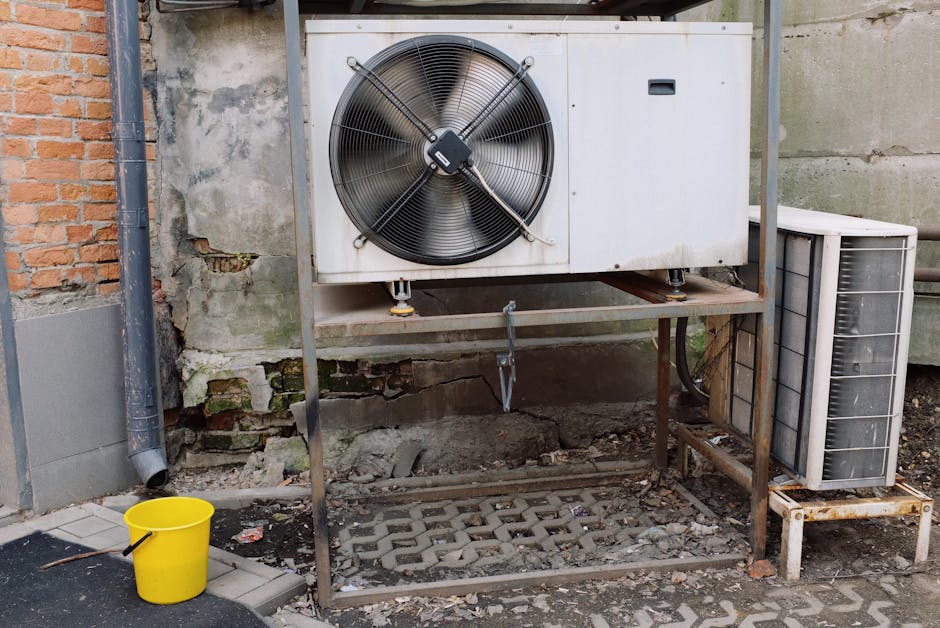
Are you wondering if you can run your air conditioner using solar power? You’re not alone.
With rising energy bills and growing concerns about the environment, finding a way to keep cool without breaking the bank is a top priority. Imagine cutting your electricity costs while enjoying a comfortable home all summer long. This isn’t just a dream—it’s possible.
You’ll discover how solar power can work with your air conditioner, what you need to make it happen, and the real benefits you can expect. Keep reading to find out if solar cooling is the right choice for you.
Solar Power Basics
Solar panelscapture sunlight and turn it into electricity. This electricity powers your home or charges batteries. The main part is the solar cells made of silicon. They create a flow of electric current by absorbing sunlight.
Solar systems come in different types based on how they work and store power:
- Grid-tied systems:Connected to the main electricity grid. They use solar power and can send extra power back to the grid.
- Off-grid systems:Not connected to the grid. They use batteries to store energy for night or cloudy days.
- Hybrid systems:Combine grid connection and batteries. They offer backup power and save energy.

Credit: www.logan-inc.com
Air Conditioner Power Needs
Air conditioners use different amounts of power based on size and type. Typical units use 500 to 1500 wattswhile running. Larger systems may need even more energy.
Several factors affect power use:
- Room size:Bigger rooms need more cooling power.
- Outside temperature:Hotter days increase energy use.
- AC efficiency:Newer models use less energy.
- Usage time:Longer use means more electricity.
| AC Type | Power Consumption (Watts) |
|---|---|
| Window Unit | 500 – 1200 |
| Split System | 1000 – 1500 |
| Central AC | 2000+ |
Matching Solar To Ac Requirements
Calculating the right solar capacityis key to running an air conditioner. Check your AC’s power usein watts. Multiply by hours you want to run it daily. This gives total energy needed in watt-hours. Solar panels must generate this much energy. Also, consider sunlight hoursin your area. More sunlight means fewer panels needed.
Battery storage helps keep your AC running when the sun is down. Choose a battery that holds enough energyfor night or cloudy days. Deep cycle batteries work well. They store power efficiently and last longer. Match battery capacity to daily energy use. This avoids running out of power.
Choosing The Right Equipment
Choosing energy-efficient AC modelsis key for solar power use. Look for units with a high SEER rating. These ACs use less electricity and cool better.
Solar inverters and controllers manage power from panels to the AC. A good inverter converts solar energy to usable electricity efficiently. Controllers protect the system and keep it running smoothly.
| Equipment | Importance | Tip |
|---|---|---|
| Energy-Efficient AC | Reduces power use | Choose high SEER rating |
| Solar Inverter | Converts solar power | Pick efficient models |
| Controller | Protects and manages system | Ensure compatibility with AC |
Installation Considerations
Solar panels need enough roof spaceto produce power for an air conditioner. South-facing roofs get the most sunlight in the northern hemisphere. The roof should have little shadefrom trees or buildings. A tilted roof helps solar panels catch more sun.
Wiring must be done by a qualified electricianfor safety. Proper insulationand circuit breakersprotect your home. Solar power systems use an inverterto change sunlight into electricity for the AC unit.
Cost And Savings
Installing solar panels needs a large upfront cost. This includes panels, inverter, and battery storage. The price varies by system size and location. Some homes may need extra wiring or permits, adding to the cost.
Over time, solar power can cut your electricity bills. Running an air conditioner with solar energy means using less power from the grid. Savings grow as energy prices rise.
Many places offer tax creditsand rebates for solar installation. These programs reduce the initial investment.
| Factor | Details |
|---|---|
| Initial Cost | Solar panels, inverter, batteries, installation fees |
| Energy Savings | Lower electricity bills by using solar for AC |
| Incentives | Tax credits, rebates, and discounts available |
| Return on Investment | Usually takes 5-10 years to recover costs |
Common Challenges
Running an air conditioner on solar power needs a strong system to handle high energy use. Solar panels may not produce enough power during cloudy days or at night. Battery storage and initial setup costs can also be a challenge for many users.
Weather Dependence
Solar power depends heavily on sunlight.Cloudy days or rain reduce energy production. This limits the air conditioner’s running time. Nighttime use is not possible without battery storage. Batteries add to the cost and need regular care. Solar systems work best in sunny areas.
Maintenance Needs
- Solar panels need regular cleaningto keep them efficient.
- Dust, leaves, and snow can block sunlight.
- Wiring and connections should be checked often.
- Batteries must be maintained or replaced every few years.
- Proper maintenance ensures the system lasts longer.

Credit: jebel.ae
Real-world Examples
Many homes use solar panelsto power air conditioners. These setups often include solar panels on roofs and batteries for cloudy days. The solar system usually covers daily energy needsfor cooling during summer.
Some families combine solar power with the main grid. This helps when the solar energy is low. The system switches to the grid automatically. This setup is cost-effectiveand reliable.
- Solar panels:5-10 kW capacity
- Batteries:Store energy for night use
- Inverter:Converts solar energy to AC power
- Backup:Grid connection for extra power
Many businesses install large solar arraysto run multiple air conditioners. These systems reduce electricity bills significantly. They often use advanced monitoringfor energy efficiency.
| Application | Solar Capacity | AC Units Powered | Extra Features |
|---|---|---|---|
| Small office | 10 kW | 3-4 units | Battery backup, energy monitor |
| Shopping mall | 50 kW | 20+ units | Smart grid integration |
| Factory | 100 kW+ | 50+ units | Automated energy management |

Credit: m.youtube.com
Frequently Asked Questions
Can Solar Power Run An Air Conditioner Efficiently?
Yes, solar power can run an air conditioner efficiently with the right system. It requires sufficient solar panels and battery storage to meet the AC’s energy demand. Efficiency depends on AC size, sunlight availability, and system design.
How Many Solar Panels Are Needed For An Air Conditioner?
Typically, 4 to 8 solar panels are needed to power a standard air conditioner. The exact number depends on the AC’s wattage and daily usage. More panels ensure consistent power, especially during peak cooling hours.
Is Solar Air Conditioning Cost-effective?
Solar air conditioning can be cost-effective over time. Initial installation costs are higher, but energy savings reduce electricity bills. It also increases home value and offers environmental benefits by reducing carbon footprint.
Can Solar Power Run Air Conditioning At Night?
Solar power alone cannot run air conditioning at night without battery storage. Batteries store solar energy collected during the day for nighttime use. Without storage, AC operation is limited to sunny hours only.
Conclusion
Running an air conditioner on solar power is possible and practical. Solar panels can provide enough energy on sunny days. Battery storage helps keep the AC running when the sun sets. Choosing the right system size matters a lot. This setup saves money and helps the environment.
It also lowers electricity bills over time. Start with small steps and learn as you go. Solar power can cool your home efficiently and cleanly. A smart choice for comfort and savings.