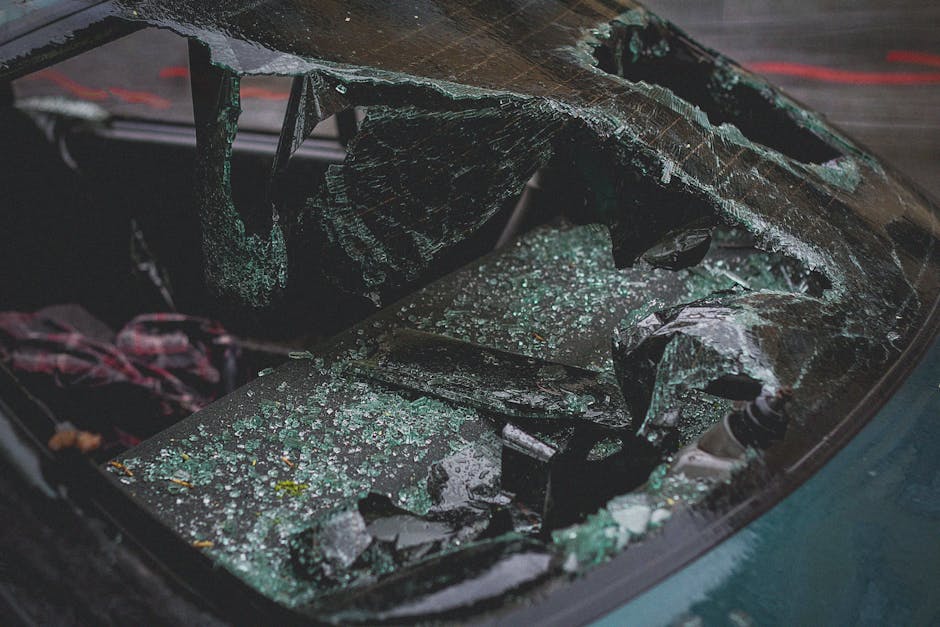
Has your car been damaged while parked on a city street or driving through town? You might be wondering, “Can I sue the city for damage to my car?” It’s frustrating to face unexpected repair bills, especially when you believe the city’s negligence played a role.
You deserve to know your rights and what steps you can take to hold the city responsible. Keep reading to discover when you can take legal action, how to gather the right evidence, and what to expect from the process.
Don’t let confusion stop you from protecting your interests.
When Cities Are Liable
City governments have a duty to keep public spaces safe and well-maintained. Sometimes, their failure causes damage to private property like cars. Knowing when a city can be held responsible is key to seeking compensation. Liability depends on many factors, including the nature of the damage and local laws.
Common Causes Of City Liability
Cities can be liable for car damage caused by:
- Potholes left unrepaired for long periods.
- Broken or missing street signs that cause accidents.
- Poorly maintained streetlights leading to collisions.
- Debris or construction hazards blocking roads.
- Defective traffic signals causing crashes.
These situations show neglect or failure to act, which may make the city responsible.
Government Immunity Basics
Cities often have legal protection called government immunity. This shields them from many lawsuits. However, immunity is not absolute. It usually does not cover damages from negligence in maintaining roads or public property.
Each state sets rules about when immunity applies. Some allow claims for property damage under specific conditions. Others have strict limits. Understanding these rules helps determine if suing the city is possible.
Types Of Car Damage Covered
When your car suffers damage due to conditions out of your control, it’s natural to wonder about your options for seeking compensation. Suing the city might seem daunting, but understanding the types of car damage covered can make the process more manageable. Let’s explore some common scenarios where you might be eligible for compensation.
Potholes And Road Defects
Driving over a pothole can lead to significant damage to your vehicle’s tires, alignment, or suspension. Cities are generally responsible for maintaining roads, so if a pothole caused the damage, you might have a case. However, proving negligence requires showing that the city knew or should have known about the pothole and failed to fix it in a reasonable time.
Fallen Trees And Debris
Imagine driving peacefully when suddenly a fallen tree branch crashes onto your car. It’s a shocking experience and can cause extensive damage. If the tree is on city property, you may be able to claim compensation. The key is proving that the city was aware of the potential hazard and didn’t act to prevent it.
Construction Zones And Signage
Construction zones are notorious for causing accidents and damage due to poor signage or unexpected obstacles. If your car is damaged because of inadequate warnings or misplaced barriers, the city might be liable. Always document the scene with photos and gather witness statements to strengthen your claim.
Have you ever faced such a situation? Consider your options and gather evidence to support your case. Justice might be closer than you think if you know where to look and what to do.
Filing A Claim Against The City
Filing a claim against the city for damage to your car involves specific steps. Cities have rules to protect their funds and manage claims fairly. Understanding these rules is key to making a successful claim.
You must notify the city about the damage formally. This starts the process and lets the city investigate the issue. Meeting all requirements helps avoid claim rejection.
Notice Requirements
Most cities require written notice of your claim. This notice should describe the damage clearly. Include where and when the damage happened. Send the notice to the correct city office. Keep a copy and proof of delivery.
Deadlines And Statutes Of Limitations
Each city sets a deadline to file a claim. These deadlines can be very short, often 30 to 90 days. Missing the deadline usually ends your chance to sue. Act quickly to protect your rights.
Required Documentation
Proper documents support your claim and speed up the process. Gather:
- Photos of the damage
- Repair estimates or bills
- Police reports, if available
- Proof of vehicle ownership
- Written notice confirmation
Organizing these documents helps prove your case clearly.

Credit: visionarylawgroup.com
Proving Your Case
Proving your case against the city for car damage requires clear and strong evidence. You must show that the city had a duty to keep the area safe. You also need to prove that the city failed in this duty, causing your car damage. Gathering the right proof is key to winning your claim.
Establishing Negligence
Negligence means the city did not act as it should have. You must show the city knew or should have known about the danger. For example, a pothole on a busy road that stays unrepaired. Prove the city did not fix or warn drivers about it. This neglect caused your car damage.
Gathering Evidence
Collect as much evidence as possible to support your claim. Take clear photos of the damage and the hazard. Keep repair bills and estimates. Get a copy of any city maintenance records or complaints about the area. Documentation helps show the city ignored the problem.
Role Of Witnesses And Experts
Witnesses can confirm the condition of the road or hazard. They add credibility to your claim. Experts like mechanics or accident reconstruction specialists explain the damage cause. Their reports strengthen your case. Use witnesses and experts to build a strong argument against the city.
Common Challenges In Suing Cities
Suing a city for damage to your car is not as straightforward as suing a private individual or company. Cities have unique legal protections and specific rules that can make your case more difficult. Understanding these common challenges can help you prepare and decide if pursuing a claim is worth your time and effort.
Sovereign Immunity Defenses
One of the biggest hurdles you’ll face is sovereign immunity. This legal principle protects cities and government entities from many lawsuits unless they waive their immunity. You might find that the city claims they are not responsible for damages because they are immune from certain types of lawsuits.
Imagine your car is damaged by a pothole. The city might argue that maintaining roads is a government function and that they can’t be sued for damages resulting from it. Knowing whether your state has waived this immunity in certain situations is crucial before moving forward.
Limited Damages
Even if you can sue, cities often limit how much money you can recover. These damage caps are set by law to protect public funds. You may end up receiving only a fraction of your repair costs or none at all if the damage falls below a certain threshold.
Think about a situation where your car needs $5,000 in repairs, but the city’s cap on damages is $2,000. This legal limit can be frustrating and might make you question if the legal battle is worth it. Always check local laws to understand these limits before filing a claim.
Complex Legal Procedures
Filing a claim against a city usually requires following strict procedures and deadlines. Missing a step or filing too late can result in your case being dismissed, no matter how strong your claim is. This can be confusing if you’re not familiar with legal processes.
For example, some cities require you to submit a formal claim within 30 or 60 days after the damage occurs. If you skip this step, your lawsuit might never be heard. It’s important to carefully track deadlines and paperwork or seek legal help to navigate these complexities.

Credit: www.forthepeople.com
Alternatives To Lawsuits
If your car gets damaged due to city property or negligence, rushing straight to a lawsuit might not always be the best path. There are other ways to seek compensation that can save you time, money, and stress. These alternatives often lead to quicker resolutions and can keep things less confrontational.
Insurance Claims
One of the first places to look is your own insurance policy. Depending on your coverage, you might be able to file a claim for damages without involving the city directly.
Some insurance companies then pursue reimbursement from the city’s insurer on your behalf. This process can shield you from complicated legal battles and help you get repairs done faster.
Have you checked whether your policy covers incidents caused by public property issues like potholes or fallen tree branches? Understanding this can save you a lot of hassle.
City Claim Departments
Most cities have specific departments that handle damage claims. You can submit a claim explaining what happened and how much the damage cost you.
This approach lets the city investigate and potentially offer compensation without going to court. It also creates an official record that can be useful if further action is needed.
Keep in mind, each city sets its own rules and deadlines for filing claims. Missing these can mean losing your chance to get reimbursed.
Mediation And Settlements
If you and the city disagree on the claim amount, mediation can be a helpful next step. A neutral mediator helps both sides find common ground.
This process is less formal and expensive than a lawsuit. It often leads to a settlement everyone can agree on.
Would you be open to sitting down and negotiating with the city instead of going through a lengthy court case? Mediation might be the practical option you didn’t consider.
Tips For Hiring A Lawyer
Hiring the right lawyer can make a huge difference when you’re considering suing the city for damage to your car. The legal process can feel overwhelming, but having a knowledgeable attorney by your side gives you confidence and clarity. Here are some practical tips to help you find a lawyer who understands your case and fights for your best interests.
Choosing The Right Attorney
Look for a lawyer who specializes in municipal liability or personal injury cases. These areas involve specific rules and deadlines that not every attorney knows well. An experienced lawyer will know how to navigate city claims and increase your chances of success.
Consider their track record with similar cases. Don’t hesitate to ask about their past results. A lawyer who has won cases involving car damage caused by city negligence is often a better choice.
Questions To Ask
Before hiring, ask how they plan to approach your case. What evidence will they gather? How long might the process take? Their answers reveal how prepared and realistic they are.
Also, ask if they have handled claims against your specific city before. Different cities have different rules and procedures. Understanding this helps you avoid surprises down the road.
Fee Structures
Make sure you understand how the lawyer charges. Many work on a contingency fee basis, meaning they get paid only if you win. This can be a good option if you’re worried about upfront costs.
However, some attorneys charge hourly rates or flat fees. Ask about all possible expenses so you can budget accordingly. Transparency here prevents stress later.
Choosing the right lawyer is about more than just credentials. It’s about finding someone who communicates clearly, understands your situation, and aligns with your goals. What qualities matter most to you in a lawyer?

Credit: www.gedlawyers.com
Frequently Asked Questions
Can I Sue The City For Pothole Car Damage?
Yes, you can sue if the city was negligent in road maintenance. File a claim proving the city knew about the pothole and failed to repair it timely. Document damages and follow local government procedures.
What Evidence Is Needed To Sue The City For Car Damage?
Gather photos of the damage and pothole, repair bills, and witness statements. Also, keep records of complaints made to the city. This evidence supports your claim of negligence and helps establish liability.
How Long Do I Have To File A Claim Against The City?
Time limits vary by location but typically range from 30 days to six months. Check your local government’s statute of limitations to ensure timely filing. Missing deadlines often results in losing the right to sue.
Will The City Always Pay For Car Damage Claims?
Not always. The city must be proven negligent or responsible for unsafe conditions. If the damage resulted from your fault or unavoidable circumstances, the claim may be denied.
Conclusion
You may have a right to sue the city for car damage. Cities must keep roads safe and clear of hazards. Proving negligence is key to winning a claim. Document the damage and gather evidence quickly. Consult a lawyer to understand your options better.
Laws differ by location, so local advice matters. Acting soon improves your chances of compensation. Don’t ignore damage caused by poor city maintenance. Protect your rights and seek fair treatment. Taking action can help you recover repair costs.