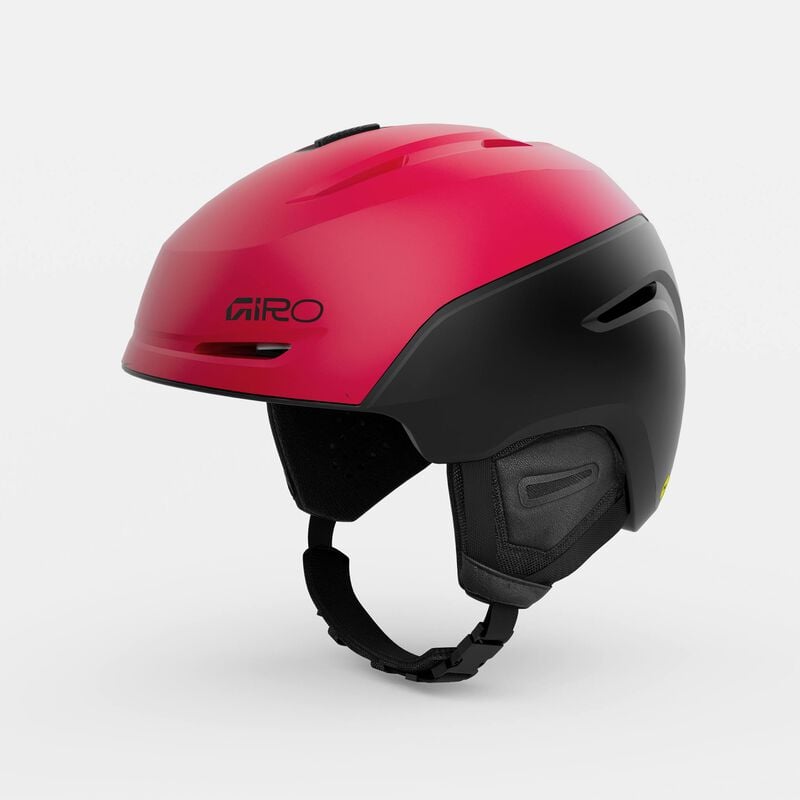
Are you wondering if your trusty bike helmet can double as protection on the ski slopes? It’s a question many outdoor lovers ask when they want to save time, money, or just keep things simple.
But before you hit the snowy trails, it’s important to know whether your bike helmet will truly keep you safe while skiing. You’ll discover the key differences between bike and ski helmets, what safety experts say, and why using the right gear matters more than you might think.
Keep reading—you’ll want to make the best choice for your head and your adventure.
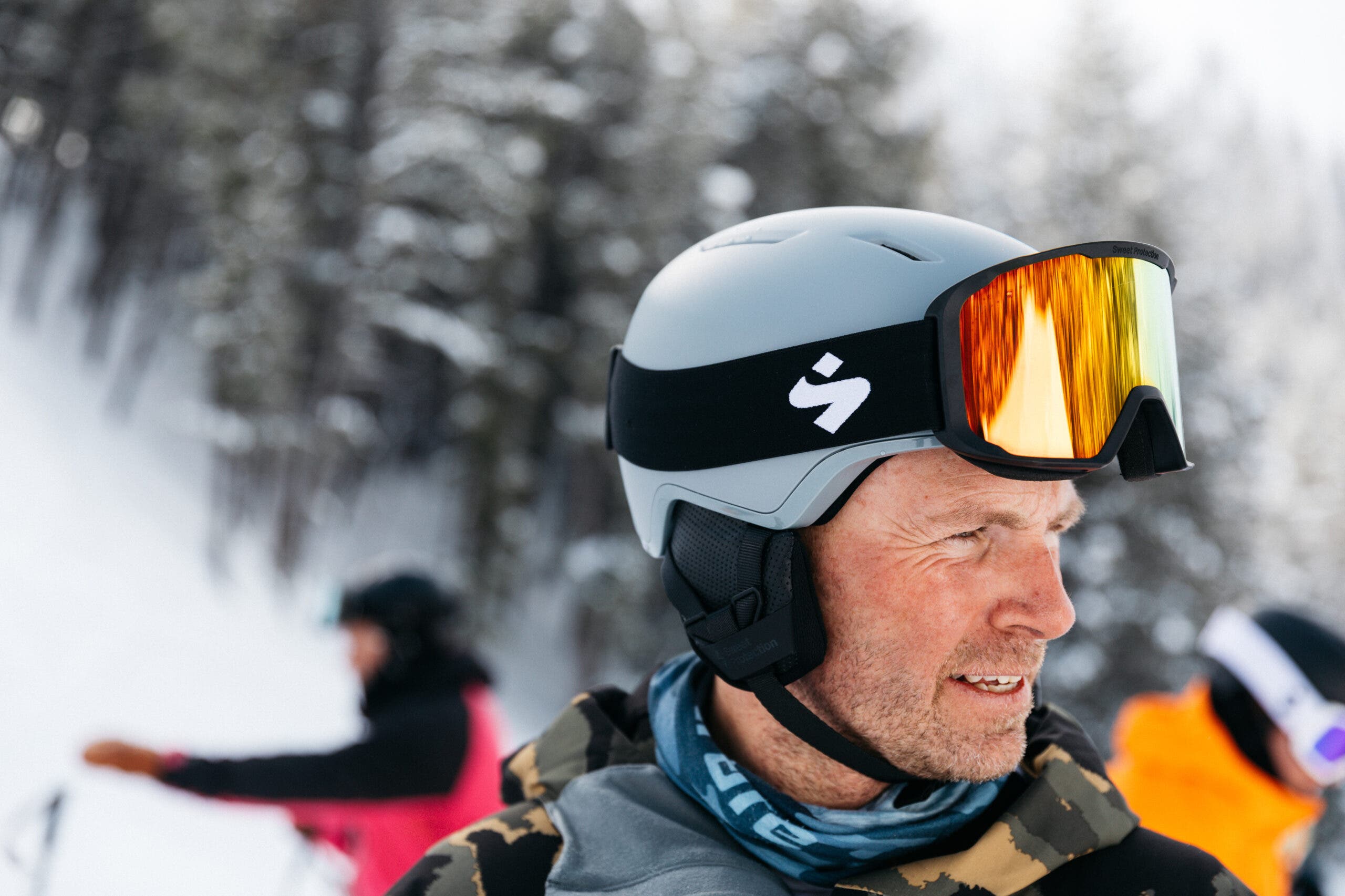
Credit: www.skimag.com
Bike Helmets Vs Ski Helmets
Many people wonder if they can use a bike helmet for skiing. Both helmets protect your head but have key differences. Understanding these differences helps you choose the right gear.
This guide compares bike helmets and ski helmets in design, materials, and safety standards. It shows why each helmet fits its sport’s needs.
Design Differences
Bike helmets have open vents to keep your head cool. Ski helmets are more closed and insulated. They help keep you warm on snowy slopes.
Ski helmets often cover more of the head and ears. Bike helmets focus on being light and well-ventilated. The shapes also differ to match movement in each sport.
Material And Construction
Both helmets use hard shells and foam padding. Ski helmets use thicker padding for cold weather and extra impact. Bike helmets use lighter materials to reduce weight.
- Bike helmets use thin outer shells and EPS foam inside.
- Ski helmets have thicker shells and often add a soft liner.
- Ski helmets may include extra features like ear covers and goggle clips.
- Bike helmets focus on breathability and minimal weight.
Impact Protection Standards
| Helmet Type | Safety Standard | Impact Tested For |
| Bike Helmet | CPSC (US), EN 1078 (Europe) | Single impacts, lighter hits |
| Ski Helmet | ASTM F2040, CE EN 1077 | Multiple impacts, harder hits |
Bike helmets meet standards for falls from bikes on pavement. Ski helmets are tested for falls on snow and ice. Their materials absorb different kinds of impacts.
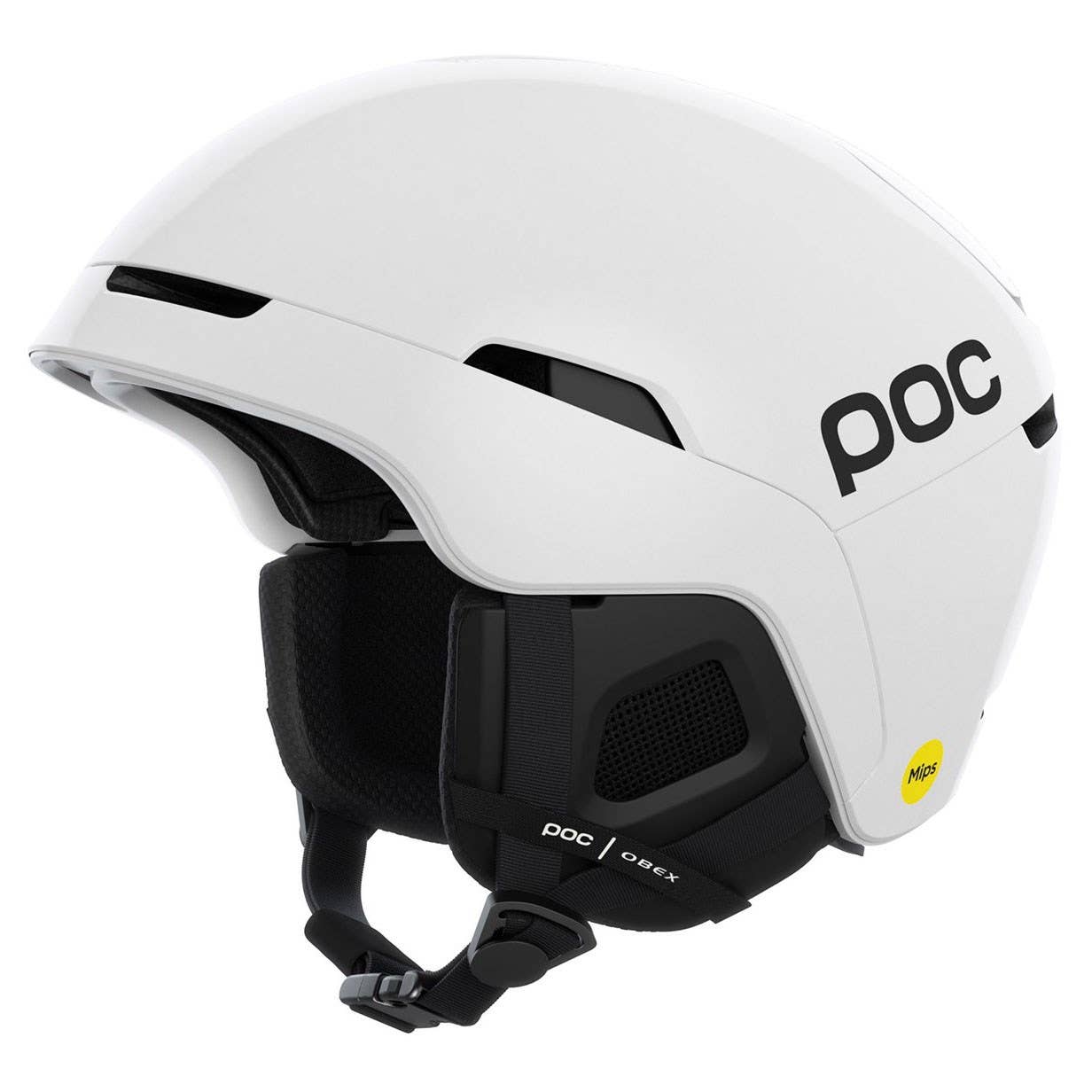
Credit: www.powder.com
Risks Of Using A Bike Helmet For Skiing
Many people wonder if they can use a bike helmet for skiing. While both sports require head protection, using the right helmet is crucial for safety.
Bike helmets and ski helmets are designed for different conditions. Using the wrong type can lead to potential risks while skiing.
Temperature And Weather Conditions
Bike helmets are made for warm weather. Skiing takes place in cold, snowy conditions. This difference in design can impact your comfort and safety.
- Bike helmets lack insulation, leading to cold discomfort.
- They do not cover the ears, exposing them to freezing temperatures.
- Moisture from snow can damage the helmet’s materials.
Fit And Comfort Issues
Ski helmets offer a snug fit to keep you warm. Bike helmets might not fit as securely on the slopes, posing a risk.
| Helmet Type | Design Purpose | Comfort Level |
| Bike Helmet | Ventilation for heat | Low in cold |
| Ski Helmet | Warmth and coverage | High in cold |
Potential Safety Compromises
Using a bike helmet for skiing can compromise safety. Different impact standards apply to biking and skiing helmets.
When A Bike Helmet Might Work For Skiing
Many people wonder if they can wear a bike helmet while skiing. Skiing and biking have different risks. Bike helmets are made for biking impacts, not snow sports.
Still, in some cases, a bike helmet might be enough for skiing. It depends on the type of skiing and the helmet features.
Casual Skiing Scenarios
If you ski slowly on easy slopes, a bike helmet may offer some protection. Casual skiing has less risk of hard falls or collisions.
Using a bike helmet is better than no helmet at all when skiing in these low-risk situations. Still, it is not the best choice for fast or aggressive skiing.
Emergency Situations
Sometimes you might need to ski but do not have a ski helmet. In an emergency, using a bike helmet can protect your head from basic injuries.
A bike helmet is better than no helmet in unexpected situations. It can reduce the chance of cuts and bruises in a fall.
Helmet Features To Look For
Bike helmets have some features that work for skiing. Look for helmets that fit well and cover more of your head.
- Good fit with adjustable straps
- Full head coverage, including the back
- Strong outer shell to absorb impact
- Ventilation that can close to keep warmth
- Comfortable padding for cold weather
Even with these features, ski helmets are made to protect better in snow sports. Use a bike helmet only if a ski helmet is not available.
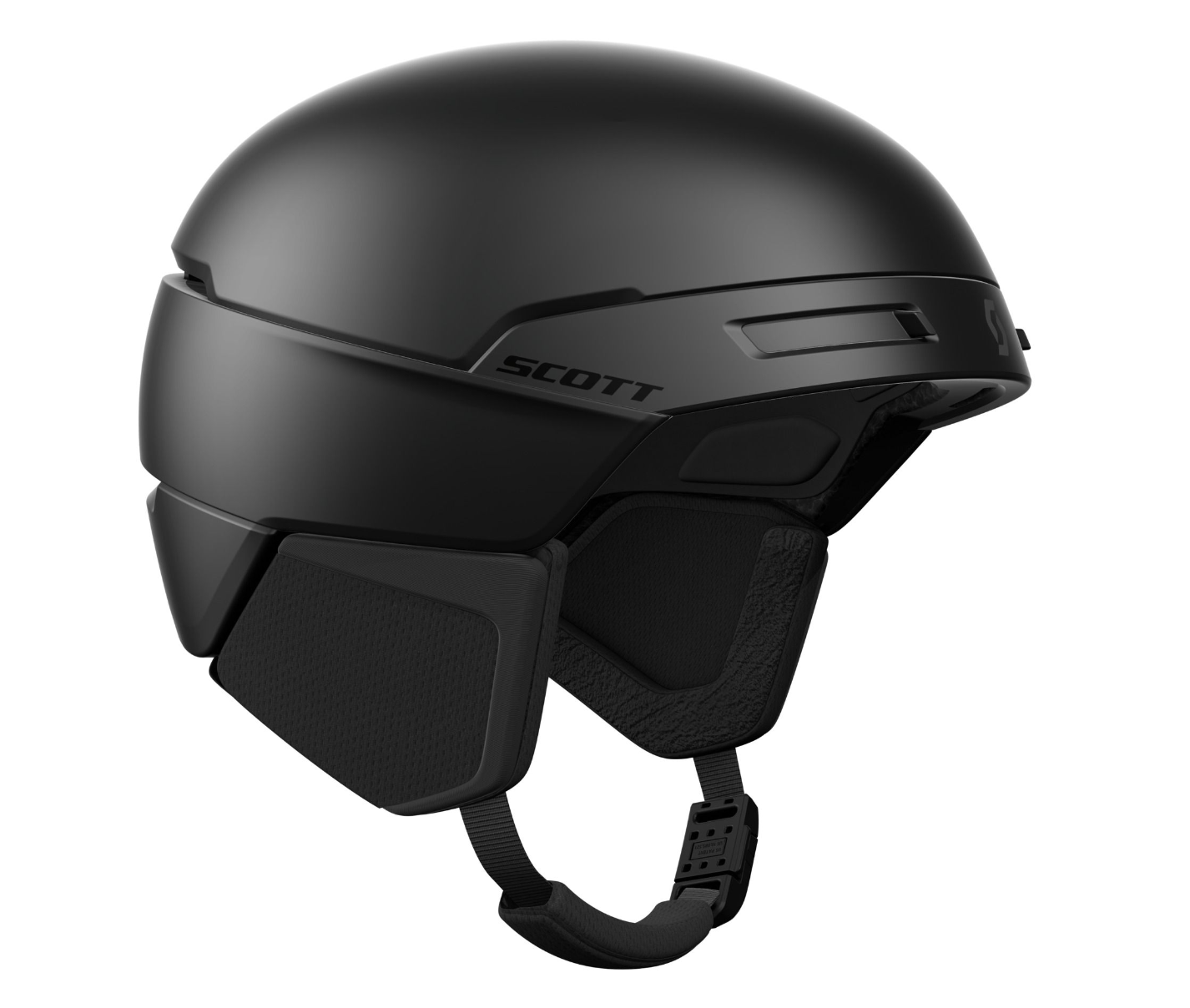
Credit: www.powder.com
Choosing The Right Ski Helmet
Using a bike helmet for skiing is not always safe. Ski helmets have special features made for cold and fast conditions. Picking the right ski helmet helps protect your head well.
It is important to look at safety, comfort, and fit. These factors keep you safe and warm on the slopes. This guide explains what to check when choosing a ski helmet.
Key Safety Certifications
Ski helmets need special safety certificates. These show the helmet passed tests for skiing impacts. Bike helmets may not have these certificates.
Look for these common ski helmet certifications:
- CEN 1077: A European safety standard for ski helmets
- ASTM F2040: A US standard for recreational snow sports helmets
- Snell RS-98: A high-level certification for ski helmets
Ventilation And Insulation
Ski helmets have vents that keep your head cool but stop cold air. They also have insulation to keep you warm. Bike helmets may lack this balance.
Good ventilation and insulation help you stay comfortable. Check if the helmet has adjustable vents for different weather.
Adjustability And Fit
A ski helmet must fit snugly but not too tight. Many ski helmets have adjustable straps and padding. This helps keep the helmet in place during falls.
Try the helmet on before buying. Make sure it does not move too much when you shake your head. A good fit improves safety and comfort.
Maintenance And Care Tips
Taking care of your helmet keeps it safe and lasts longer. Proper cleaning, storage, and timely replacement are important steps.
These tips help maintain your helmet’s protection whether you use it for biking or skiing.
Cleaning Your Helmet
Clean your helmet regularly to remove sweat, dirt, and grime. Use mild soap and warm water. Avoid harsh chemicals that can damage the materials.
- Remove the inner padding if possible and wash it separately.
- Use a soft cloth or sponge to wipe the outer shell gently.
- Rinse well and air dry in a cool place away from direct sunlight.
Storage Guidelines
Store your helmet in a cool, dry place. Avoid leaving it in hot cars or under the sun. Heat can weaken the helmet’s protective foam.
- Keep helmet away from sharp objects.
- Place it on a soft surface or helmet bag.
- Do not hang the helmet by its straps.
When To Replace Your Helmet
Replace your helmet after any impact, even if no damage is visible. The protective foam can weaken and fail to protect you.
| Reason to Replace | Details |
|---|---|
| After a crash | Helmet may have unseen damage. |
| Visible cracks or dents | Safety compromised, replace immediately. |
| Older than 5 years | Materials degrade over time. |
| Worn or damaged straps | Straps must hold helmet securely. |
Additional Ski Safety Gear
Skiing can be fun but also risky. Wearing the right gear helps keep you safe on the slopes.
A bike helmet might protect your head, but skiing needs other safety gear too. Let’s look at some important items.
Goggles And Face Protection
Ski goggles protect your eyes from snow, wind, and sun glare. They improve your vision in bad weather.
Face protection like balaclavas or face masks keeps your skin warm and shields it from frostbite.
- Goggles prevent snow blindness and wind irritation
- Choose goggles with UV protection and anti-fog lenses
- Face masks block cold air and protect skin
- Balaclavas cover neck and face for extra warmth
Body Armor Options
Body armor adds extra protection for your chest, back, and joints. It helps reduce injury from falls.
Many skiers wear padded jackets or special vests designed to absorb impact. Choose gear made for winter sports.
- Chest protectors guard vital organs
- Back protectors support your spine
- Padded shorts protect hips and thighs
- Wear flexible armor for comfort and movement
Layering For Warmth And Safety
Layering clothes keeps you warm and dry on cold days. It also adds some padding for light protection.
Start with a base layer that moves sweat away. Add middle layers for insulation and an outer layer to block wind and snow.
- Base layers: thin, moisture-wicking fabrics
- Middle layers: fleece or wool for warmth
- Outer layers: waterproof and windproof jackets
- Use gloves, hats, and socks made for cold weather
Frequently Asked Questions
Can I Use A Bike Helmet For Skiing Safely?
Bike helmets are not designed for skiing impacts. Ski helmets provide better protection against cold, snow, and multi-impact crashes. Using a bike helmet for skiing is not recommended for optimal safety.
What Are The Differences Between Ski And Bike Helmets?
Ski helmets have thicker padding, insulation, and ear coverage. Bike helmets focus on ventilation and lightweight design. Ski helmets also meet different safety standards suited for winter sports.
Will A Bike Helmet Keep Me Warm While Skiing?
Bike helmets lack insulation and ear protection. Ski helmets are designed to keep your head warm in cold, snowy conditions. A bike helmet will not provide adequate warmth on the slopes.
Are Bike Helmets Approved For Skiing Safety Standards?
No, bike helmets do not meet ski helmet safety certifications. Ski helmets comply with ASTM F2040 or CE EN1077 standards. Using a bike helmet for skiing may void insurance or safety claims.
Conclusion
A bike helmet is not designed for skiing safety. Ski helmets protect better against cold and hard impacts. Using the right helmet helps prevent injuries on the slopes. Choose a helmet made specifically for skiing. Stay safe and enjoy your time in the snow.
Your head deserves the best protection available. Don’t risk comfort or safety with the wrong gear. Stay smart, stay protected.