Are you wondering if your trusty bike helmet can keep you safe on the ski slopes? It’s a smart question because both biking and skiing come with risks, and protecting your head is crucial.
But before you grab your bike helmet for your next ski trip, there are important things you need to know. Using the wrong helmet could leave you vulnerable to injury or make your ride uncomfortable. Keep reading to find out if your bike helmet really works for skiing—and what to look for to stay safe and enjoy every run.
Credit: www.skimag.com
Helmet Types For Skiing And Biking
Choosing the right helmet is important for safety in both skiing and biking. These sports need helmets that fit their specific activities.
Bike helmets and ski helmets have some things in common but also key differences. Knowing these helps you pick the best protection.
Design Differences
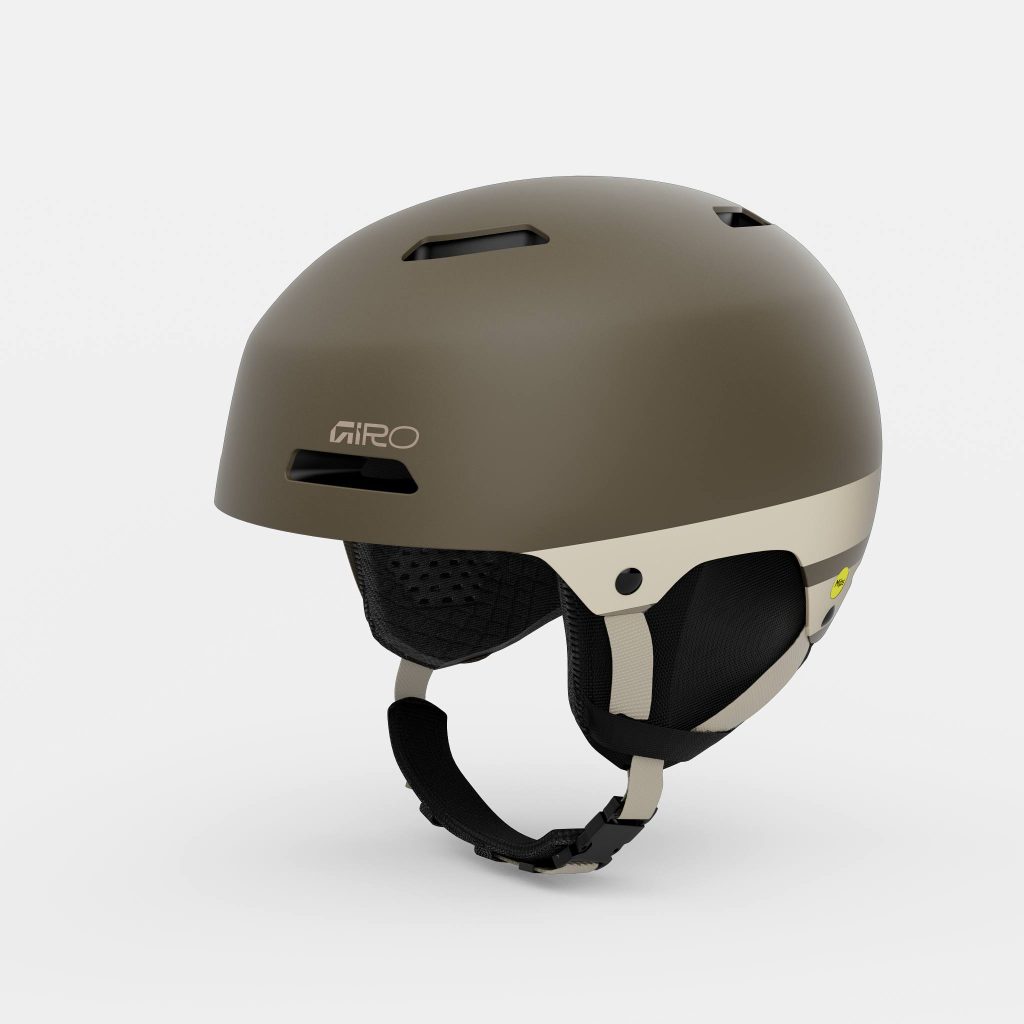
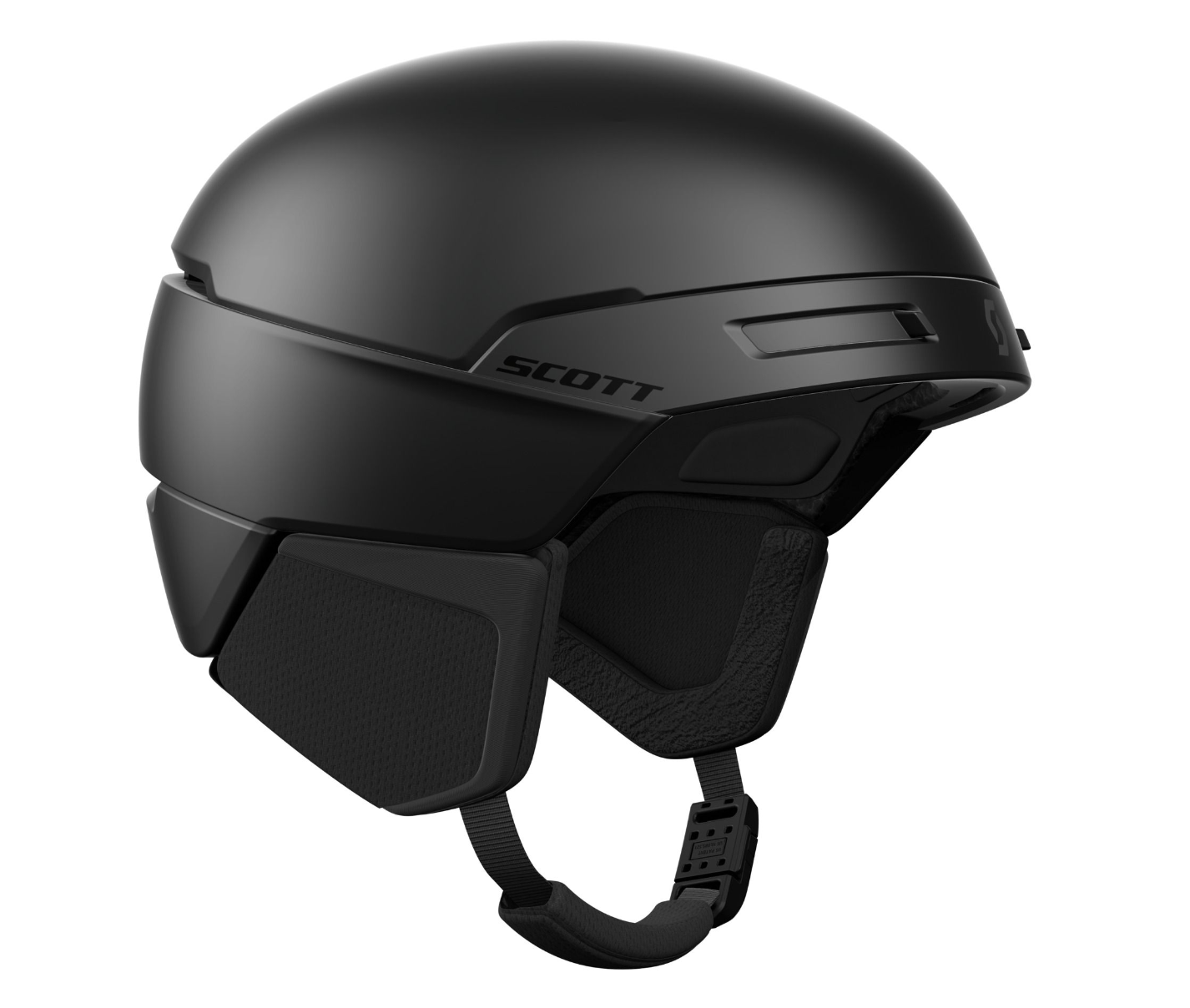
Ski helmets cover more of your head and ears to keep you warm. Bike helmets focus on ventilation to cool you down.
Ski helmets often have thicker padding and a smooth outer shell. Bike helmets use more vents and a lighter shell for airflow.
- Ski helmets cover ears; bike helmets usually do not.
- Ski helmets have fewer vents to keep heat in.
- Bike helmets have many vents to increase airflow.
- Ski helmets are heavier to offer more warmth.
Material Variations
Ski helmets use dense foam to absorb cold and impacts. Bike helmets use lighter foam to reduce weight.
Outer shells of ski helmets are usually made from hard plastic or fiberglass. Bike helmets often use polycarbonate shells.
- Ski helmets have thicker inner foam for warmth and safety.
- Bike helmets use lightweight foam to stay cool.
- Ski helmet shells resist cold and moisture well.
- Bike helmet shells focus on being light and strong.
Impact Protection Standards
Ski helmets meet ASTM F2040 or CE EN1077 standards. These focus on cold weather impacts and penetration.
Bike helmets meet CPSC or EN1078 standards. They test for impacts common in bike accidents.
- Ski helmet tests include cold temperature impact tests.
- Bike helmet tests focus on impact and crush resistance.
- Using a bike helmet for skiing may not protect well.
- Ski helmets are designed for falls on snow and ice.
Safety Requirements For Ski Helmets
Ski helmets protect your head from injuries during falls or collisions. They meet specific safety needs different from bike helmets. Understanding these needs helps you pick the right helmet for skiing.
This guide covers key safety points: certification, weather resistance, and fit. Each factor ensures your helmet works well on the slopes.
Certification Criteria
Ski helmets must pass tests that check impact protection and durability. They follow standards like ASTM F2040 or EN 1077. Bike helmets do not always meet these rules.
- Impact tests for hard hits on snow and ice
- Penetration resistance to sharp objects like ski edges
- Retention system strength to keep the helmet on
- Coverage area designed for skiing falls
Temperature And Weather Resistance
Ski helmets must handle cold, snow, and moisture without losing protection. They use materials that stay strong in freezing weather. Bike helmets often lack this resistance.
| Feature | Ski Helmet | Bike Helmet |
| Cold Weather Use | Designed for freezing temperatures | Not tested for cold |
| Moisture Resistance | Water-resistant shell and padding | Less water protection |
| Ventilation | Adjustable vents for snow and wind | Fixed vents for airflow only |
Fit And Comfort Factors
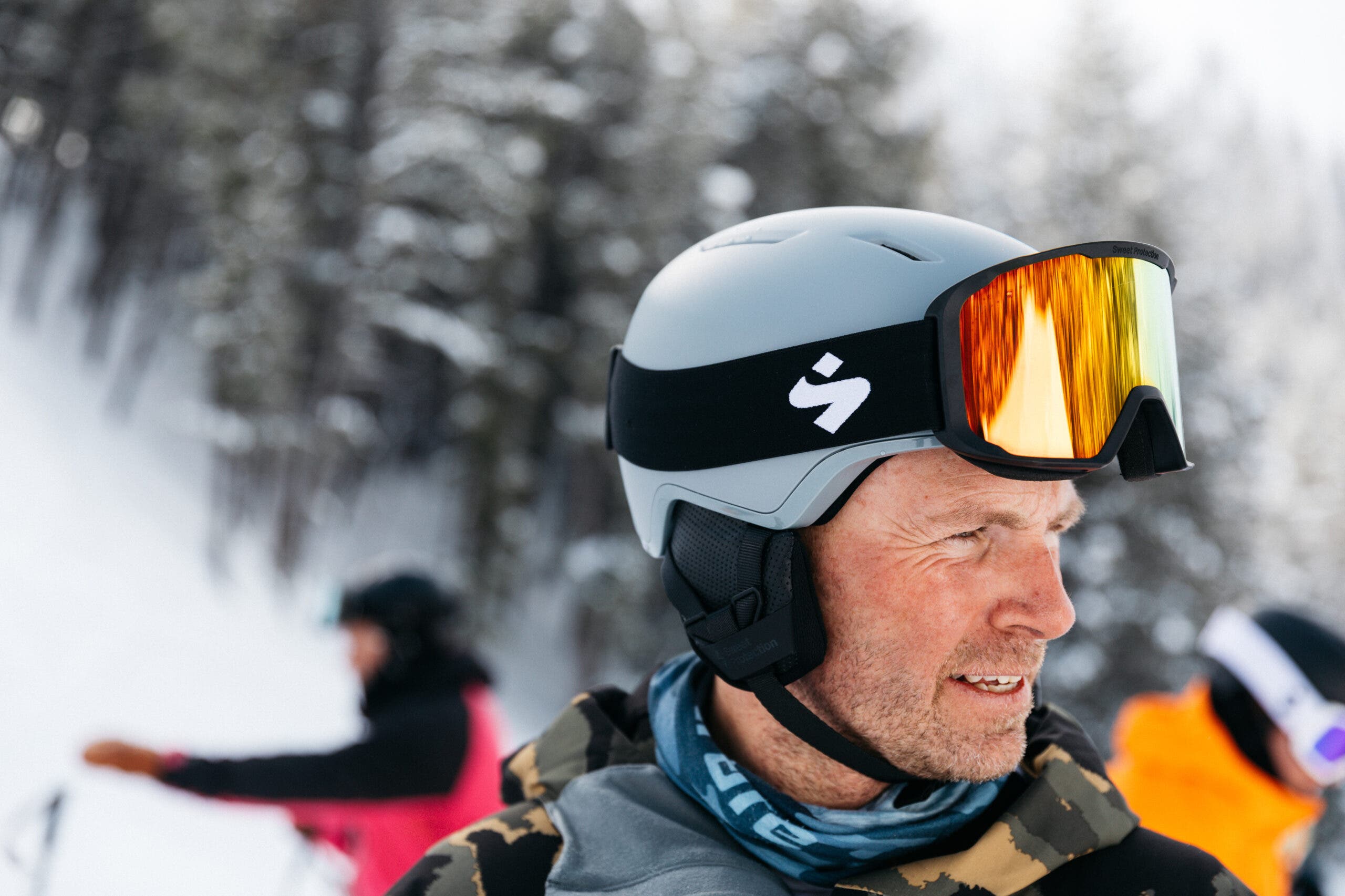
A ski helmet fits snugly to protect you during fast moves and impacts. It must stay in place with straps and padding. Comfort is key for long hours on the mountain.
- Adjustable fit systems for head size changes
- Padded chin straps to prevent rubbing
- Room to wear goggles without gaps
- Lightweight design to reduce fatigue
Risks Of Using A Bike Helmet On The Slopes
Using a bike helmet for skiing might seem like a good idea. Both protect your head during falls. But bike helmets are not made for snow sports.
This can cause safety risks. Skiing has different dangers than biking. The helmet needs to handle cold, snow, and different impacts.
Inadequate Impact Absorption
Bike helmets are designed for certain types of crashes. They protect well from hits common in biking. Skiing crashes are different and often harder.
A bike helmet may not absorb the strong impacts from skiing falls. This can increase the chance of head injury. Ski helmets use special foam and design to absorb these hits better.
Lack Of Insulation
Bike helmets do not keep your head warm in cold weather. Ski helmets have insulation to protect from freezing temperatures. Wearing a bike helmet on the slopes can cause cold discomfort.
Cold heads can affect concentration and cause distractions. This may increase risk of accidents while skiing.
Ventilation And Moisture Issues
Bike helmets have vents made for warm weather. Ski helmets have vents that protect from cold wind but still allow airflow. Using a bike helmet can cause too much cold air or trap moisture.
Trapped moisture from sweat and snow can make your head wet and cold. This leads to discomfort and possible frostbite risks.
Credit: www.powder.com
When A Bike Helmet Might Be Acceptable
Using a bike helmet for skiing is not ideal but may be okay in some cases. Ski helmets are made to protect against cold and different impact types.
Bike helmets focus on protecting against specific crash types. Knowing when bike helmets might work on slopes helps keep you safer.
Low-risk Skiing Scenarios
Bike helmets may be okay for gentle skiing on easy slopes. These areas have fewer obstacles and less chance of high impact.
If you ski slowly and avoid fast or tricky runs, a bike helmet could offer some protection.
- Flat, well-groomed beginner slopes
- Slow skiing near ski lodges or rest areas
- Practicing basic moves at low speed
Temporary Use Considerations
You might use a bike helmet briefly if you forget your ski helmet. It can provide some head protection until you get a proper helmet.
Keep in mind bike helmets lack insulation and ear coverage, which can make you cold in winter conditions.
- Use only for short periods on easy terrain
- Wear warm headgear under the helmet
- Replace with a ski helmet as soon as possible
Emergency Situations
In emergencies, a bike helmet is better than no helmet at all. It can reduce the risk of serious head injuries after a fall.
Always try to get proper ski helmet protection when you can, but use a bike helmet to stay safer if needed.
- Use bike helmet if ski helmet is lost or damaged
- Wear it when skiing in unfamiliar or risky areas
- Seek medical help immediately after any crash
Tips For Choosing The Right Ski Helmet
Choosing a ski helmet is important for safety on the slopes. A good helmet protects your head from injuries.
Not all helmets are the same. You need to pick one that fits well and meets safety rules.
Checking Certification Labels
Look for safety certifications on the helmet. These show the helmet meets set protection standards.
Common labels include ASTM F2040 and CE EN1077. These mean the helmet passed important tests.
- ASTM F2040: Used in the United States for snow sports
- CE EN1077: European standard for alpine skiing helmets
- CPSC: Usually for bike helmets, not enough for skiing
Prioritizing Fit And Comfort
A ski helmet must fit your head snugly without pain. A loose helmet can fail during a fall.
Try helmets on to check the fit. Look for adjustable straps and padding to improve comfort.
- Measure your head size before buying
- Check if the helmet sits low on your forehead
- Adjust the chin strap so it feels secure but not tight
- Wear a thin hat or beanie if you use one while skiing
Balancing Weight And Protection
Light helmets are easier to wear for a long time. Heavy helmets can tire your neck.
Heavier helmets may offer more protection but check the balance carefully. Choose one that feels right.
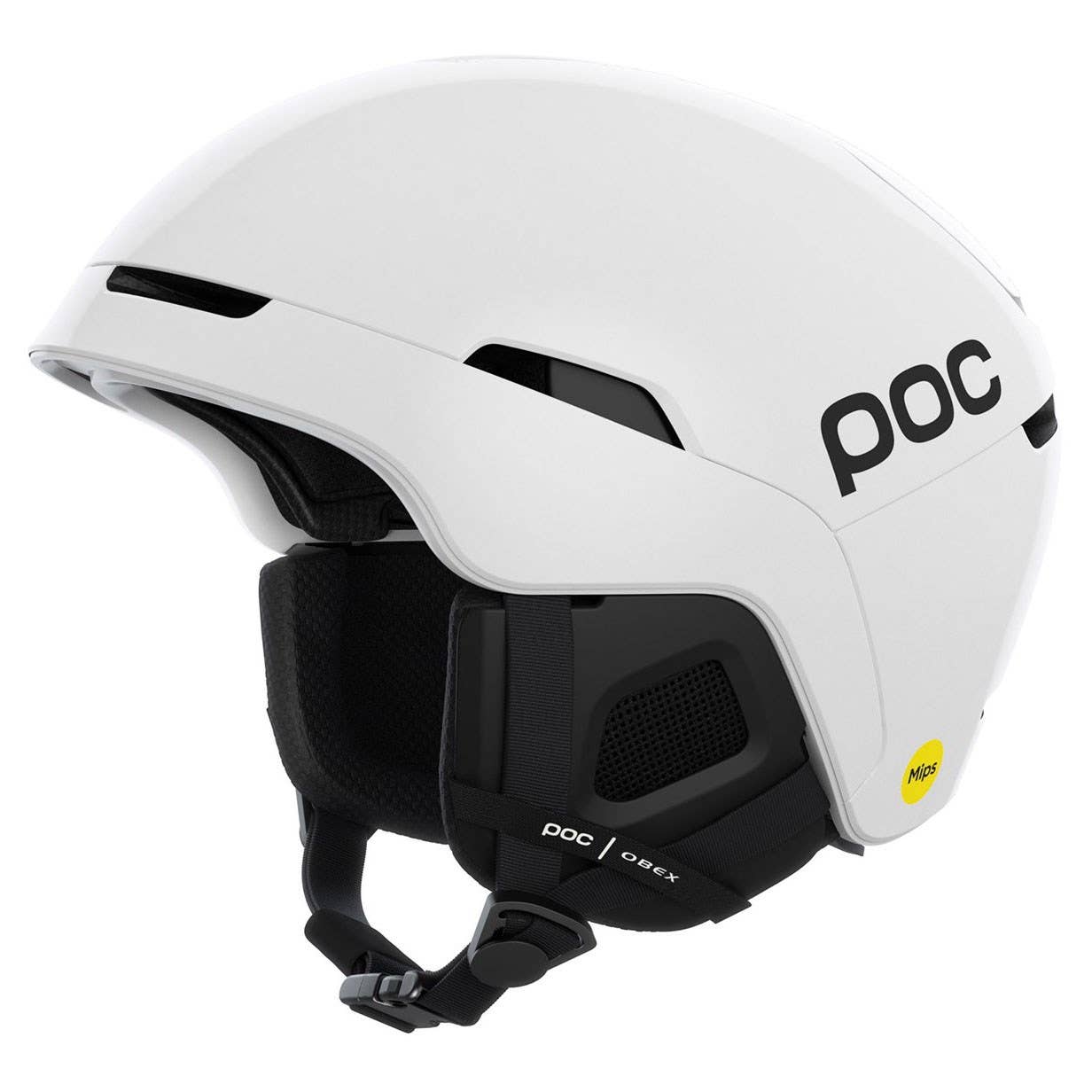
- Look for helmets with a hard outer shell and soft inner foam
- Try different models to find a good balance of weight and safety
- Remember, comfort helps you keep the helmet on all day
Credit: www.powder.com
Maintaining And Replacing Helmets
Using a helmet keeps your head safe during activities like biking and skiing. You should take good care of your helmet to keep it strong. Knowing when to replace your helmet is very important for safety.
This guide helps you understand how to spot damage, how long helmets last, and how to store them properly.
Signs Of Wear And Damage
Check your helmet often for signs that it may not protect you well anymore. Look for cracks, dents, or worn-out straps. Even small damage can reduce safety.
- Cracks or dents on the shell
- Foam lining that is cracked or compressed
- Broken or loose straps and buckles
- Faded or worn padding inside
- Helmet has been in a crash or strong impact
Lifespan Of Helmets
Helmets do not last forever. Materials weaken over time, even without damage. Most experts say to replace helmets every five years.
| Helmet Type | Recommended Replacement Time |
| Bike Helmet | Every 5 years |
| Ski Helmet | Every 5 years |
| After a Crash | Replace Immediately |
Proper Storage Practices
Store your helmet in a dry and cool place. Avoid direct sunlight or heat sources. Keep it away from chemicals and heavy objects that could damage it.
- Use a soft bag or helmet case
- Keep it on a shelf or hook, not on the floor
- Do not stack heavy items on top
- Clean it with mild soap and water only
Frequently Asked Questions
Can A Bike Helmet Protect You While Skiing?
No, bike helmets lack ski-specific impact protection and insulation. Ski helmets are designed to handle colder temperatures and different impact types.
What Are The Risks Of Using A Bike Helmet For Skiing?
Bike helmets may not protect against cold, snow, or multiple impacts. This increases injury risk during skiing accidents or falls.
Are Ski Helmets Certified Differently Than Bike Helmets?
Yes, ski helmets have specific certifications like ASTM F2040 or CE EN1077, ensuring safety on snow. Bike helmets follow separate standards.
How Does Ventilation Differ Between Bike And Ski Helmets?
Ski helmets have adjustable vents to regulate temperature in cold weather. Bike helmets prioritize airflow for warmer conditions, making them less suitable for skiing.
Conclusion
Bike helmets and ski helmets serve different safety needs. Ski helmets protect better against cold and impacts on snow. Bike helmets might not keep you warm or safe on slopes. Choosing the right helmet matters for your safety and comfort.
Always pick gear made for the sport you enjoy. Stay safe and enjoy your skiing with proper equipment.