Have you ever reached for a dry measuring cup when you needed to measure liquid and wondered if it would work? Using the right tools in the kitchen can make all the difference in your cooking results.
But what happens when you don’t have a liquid measuring cup nearby? Can a dry measuring cup fill in the gap without ruining your recipe? If you’ve ever asked yourself these questions, you’re in the right place. Keep reading to discover the truth about using dry measuring cups for liquids and how it can affect your cooking every time.
Credit: www.kingarthurbaking.com
Dry Vs Liquid Measuring Cups
Measuring cups help you get the right amount of ingredients. There are two main types: dry and liquid measuring cups. Each type works best for certain ingredients.
Using the right measuring cup can improve your cooking and baking results. Let’s look at how dry and liquid measuring cups differ.
Design Differences
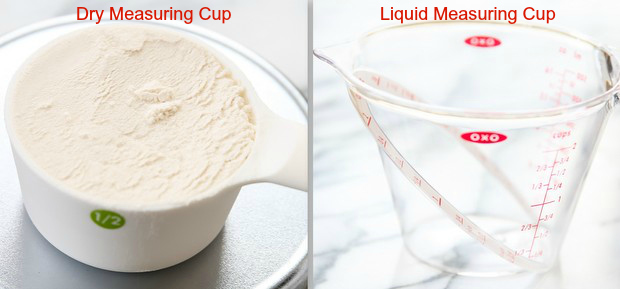
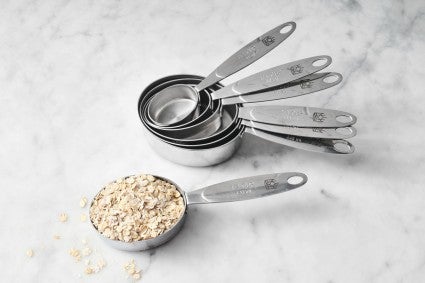
Dry and liquid measuring cups look different because they serve different purposes. Dry cups are usually made of plastic or metal. They have straight sides and a flat top.
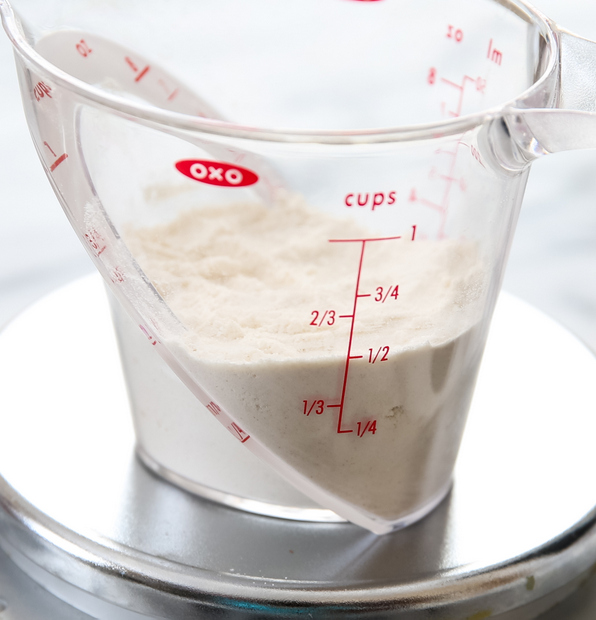
Liquid measuring cups are often made of glass or clear plastic. They have a spout for easy pouring and extra space above the top measurement line.
- Dry cups come in sets with different sizes.
- Liquid cups have clear markings on the side.
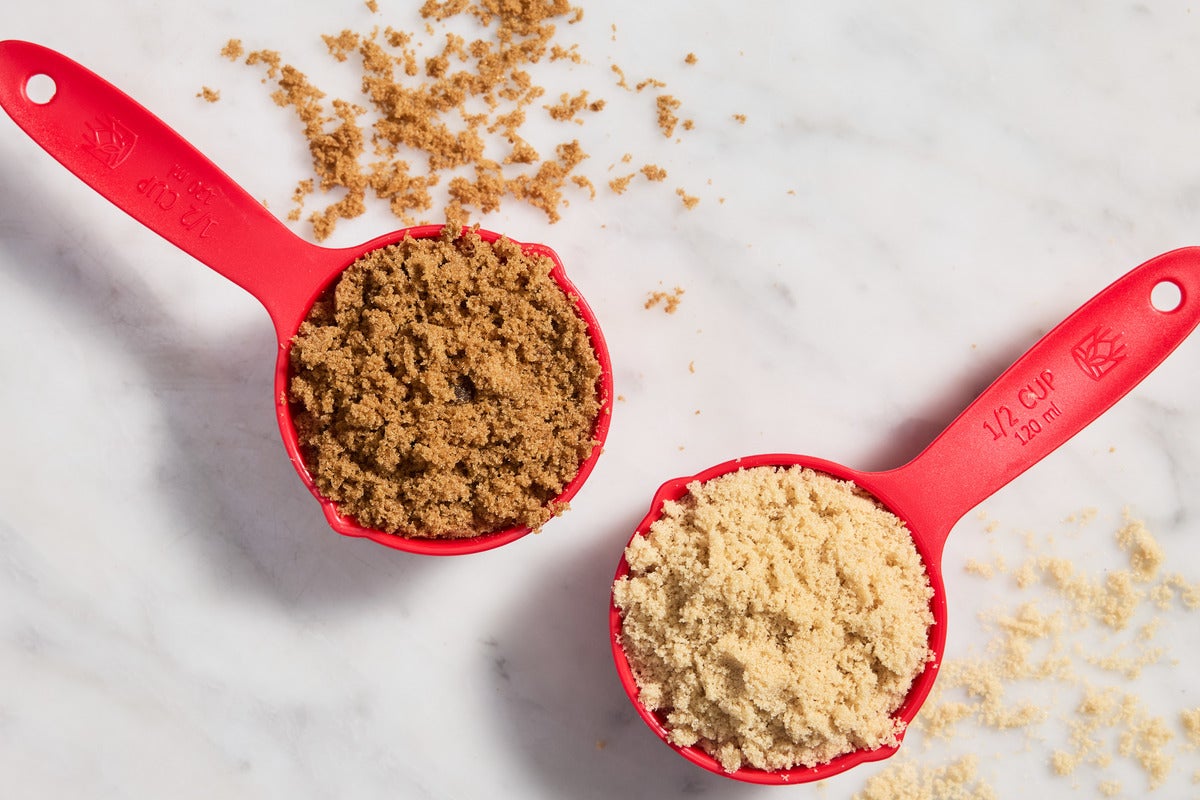
- Dry cups allow you to level off ingredients with a knife.
- Liquid cups let you see the liquid level from the side.
Measurement Accuracy
Measuring liquids in dry cups can cause errors. This happens because liquids can stick to the sides or spill. Dry cups do not have space to prevent spills.
| Measuring Cup Type | Best for | Accuracy Notes |
| Dry Measuring Cup | Flour, sugar, grains | Level off for exact amount |
| Liquid Measuring Cup | Water, milk, oil | Read at eye level to avoid errors |
Credit: www.kingarthurbaking.com
Why Accuracy Matters
Measuring ingredients correctly is important in cooking and baking. Using the right tools helps you get the best results.
Dry and liquid measuring cups look similar but serve different purposes. Choosing the wrong cup can change your recipe.
Impact On Recipes
Using a dry measuring cup for liquids can cause errors in amount. This affects the taste and texture of your food.
Too much or too little liquid can make a dish too runny or too thick. Baking needs exact amounts for good rise and texture.
- Overfilling liquid can make batter too thin
- Underfilling liquid can make dough dry
- Improper measuring changes cooking time
- Final taste may be off due to wrong amounts
Common Measurement Mistakes
People often use dry cups for liquids by mistake. This happens because they look alike and are easy to mix up.
Dry cups are meant to be filled to the top and leveled off. Liquid cups have space for spills and a spout for pouring.
- Filling dry cups with liquid can trap air bubbles
- Not checking the measurement at eye level causes error
- Using spoons to fill dry cups can add extra ingredient
- Pouring liquid into dry cups can spill and waste
Using Dry Cups For Liquids
Dry measuring cups are made to measure solid ingredients like flour or sugar. They have straight sides and show the amount inside.
Liquid measuring cups are different. They have a spout and space above the measurements to avoid spills.
Potential Issues
Using dry cups for liquids can cause inaccurate measurements. The liquid may stick to the sides, making the amount less than needed.
Dry cups do not have a spout. This makes pouring liquids difficult and can lead to spills.
- Inaccurate measurement due to liquid sticking
- Hard to pour liquids without spilling
- No clear view of liquid level at eye level
- Risk of overfilling or underfilling
When It Might Work
You can use a dry cup for liquids if exact measurement is not critical. For example, when cooking simple recipes.
Using a dry cup for thick liquids like honey or syrup is easier. These liquids stick less and pour slowly.
- Measuring liquids roughly, not for baking
- Thick liquids that do not spill easily
- When no liquid measuring cup is available
Best Practices For Measuring Liquids
Measuring liquids correctly is important for cooking and baking. Using the right tools helps you get accurate amounts.
Small mistakes in liquid measurement can change the texture and taste of your dish. Learn how to measure liquids the right way.
Choosing The Right Tools
Dry measuring cups are made for solids like flour or sugar. Liquid measuring cups have space to pour and read the level.
- Use a liquid measuring cup for water, milk, oils, and other liquids.
- Look for clear cups with marked lines to see the exact amount.
- Choose cups with a spout to pour easily without spilling.
- Avoid using dry cups for liquids to prevent overflow and errors.
Tips For Precise Measurement
Place the liquid measuring cup on a flat surface. Bend down to eye level to check the measurement.
| Tip | Reason |
| Use the right measuring cup | Ensures accurate volume |
| Read at eye level | Prevents parallax error |
| Pour slowly | Stops overfilling |
| Check measurements twice | Confirms exact amount |
Expert Advice And Alternatives
Many wonder if they can use a dry measuring cup for liquids. Using the right tool helps get accurate amounts. This guide shares expert advice and other options.
Measuring liquids with dry cups can cause spills and wrong amounts. You can find better tools or alternatives to measure liquids well.
Recommended Measuring Tools
Liquid measuring cups are best for liquids. They have extra space and a spout for easy pouring. Dry measuring cups are for solid ingredients like flour or sugar.
- Liquid Measuring Cups:Clear cups with measurement lines outside.
- Dry Measuring Cups:Solid cups meant to be filled and leveled off.
- Measuring Spoons:Good for small liquid amounts like vanilla or oil.
- Kitchen Scales:Accurate for both liquid and dry ingredients by weight.
Innovative Measuring Solutions
New tools help measure liquids easily and precisely. Some use digital screens or smart sensors. Others combine dry and liquid measuring features.
| Tool | Features | Best Use |
| Digital Measuring Cup | Shows exact volume and weight | Liquids and solids |
| Adjustable Measuring Cup | Adjusts size for different volumes | Liquids and dry ingredients |
| Smart Kitchen Scale | Connects to apps, tracks ingredients | Precise cooking and baking |
| Multi-purpose Spoon Set | Holds liquids and powders | Small liquid or dry amounts |
Credit: kirbiecravings.com
Frequently Asked Questions
Why Not Use Dry Measuring Cups For Liquid?
Dry measuring cups are designed for solids, not liquids. They lack the spout needed for pouring. Liquid measuring cups have clear markings for accurate measurement. Using the wrong cup can lead to inaccurate measurements and inconsistent results in recipes.
What’s The Difference Between Dry And Liquid Measuring Cups?
Dry measuring cups are for ingredients like flour and sugar. They are filled to the brim and leveled off. Liquid measuring cups have spouts for pouring and are used for ingredients like water and oil. They ensure precision by having clear measurement markings.
Can Using The Wrong Cup Affect Recipes?
Yes, using the wrong cup can affect recipe accuracy. Liquids measured in dry cups may spill and be inaccurate. This can result in inconsistent texture and taste. Always use the correct measuring cup for the best results.
How Do I Measure Liquid Correctly?
Use a liquid measuring cup with a spout and clear markings. Pour liquid to the desired measurement line. Check the measurement at eye level for accuracy. Ensure the cup is on a flat surface to avoid errors.
Conclusion
Dry measuring cups are not the best choice for liquids. They can cause spills and inaccurate measurements. Liquid measuring cups have a spout and space for easy pouring. They also have clear markings for better accuracy. Using the right cup saves time and avoids mistakes.
Small changes affect your recipe’s outcome. Choose tools that fit the task. This makes cooking and baking easier and more fun. Simple steps lead to better results every time.