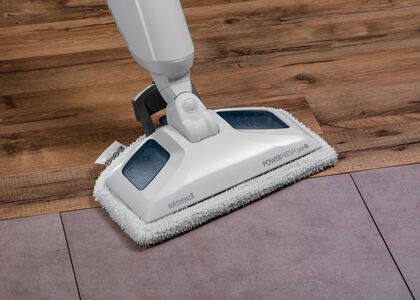
When it comes to maintaining the pristine look of your wooden floors, you might find yourself asking, “Can I use a steam cleaner on a wooden floor?” You’re not alone.
Many homeowners face the same dilemma, trying to balance the ease of cleaning with the need to protect their precious flooring. Imagine the relief of knowing the right approach, saving you time, effort, and potential costly damage. We’ll uncover the truth behind using steam cleaners on wooden floors, providing you with the knowledge you need to make the best decision for your home.
Stick around to discover expert tips and insights that will keep your floors looking stunning.
Steam Cleaners And Wooden Floors
Steam cleaners have grown popular for their deep cleaning power and chemical-free nature. Many wonder if these devices suit wooden floors. Wooden floors need special care to keep their beauty and durability. Understanding how steam cleaners work and the types of wooden floors helps decide if steam cleaning is safe and effective.
How Steam Cleaners Work
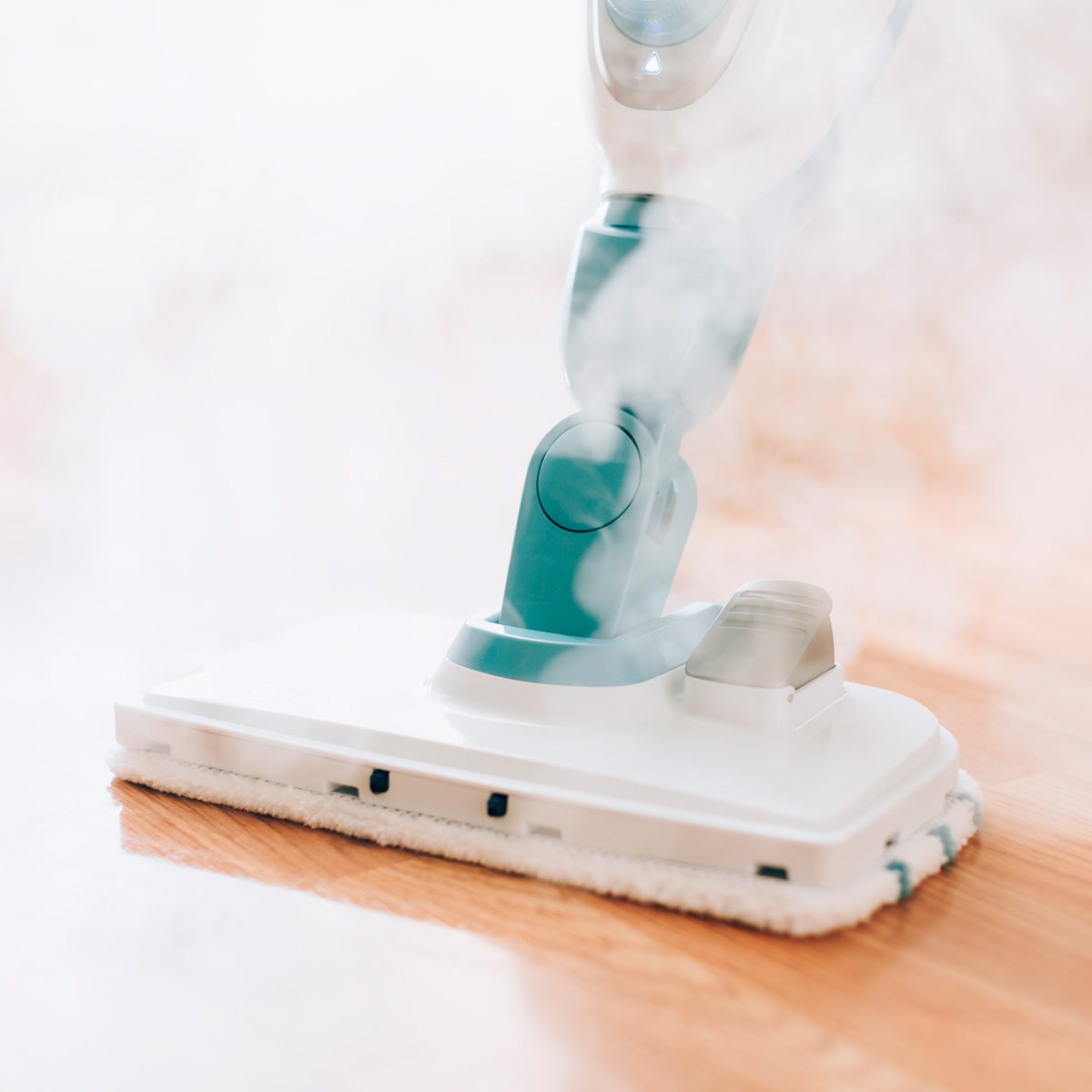
Steam cleaners use hot water vapor to clean surfaces. The steam loosens dirt, grime, and bacteria without harsh chemicals. The heat kills germs and removes stains gently. Steam cleaners have different settings to control steam pressure and temperature. This control is important for delicate surfaces like wood.
Steam penetrates tiny cracks and crevices, reaching places other cleaners miss. It dries quickly, reducing water damage risk. The process is fast and saves time compared to scrubbing by hand.
Types Of Wooden Floors
Wooden floors come in various types, each with unique needs. Knowing the type helps choose the right cleaning method.
- Solid Hardwood:Made from a single wood piece. Sensitive to moisture and heat. Needs gentle cleaning methods.
- Engineered Wood:Layers of wood with a hardwood top. More stable than solid wood but still needs care with steam.
- Laminated Wood:Wood lookalike made from composite materials. Not real wood and can be damaged by steam.
- Parquet:Small pieces of wood arranged in patterns. Delicate and requires careful cleaning.
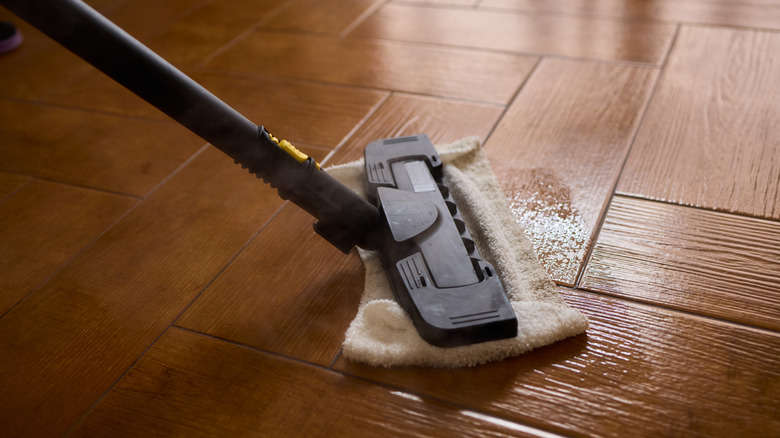
Each floor type reacts differently to steam. Too much heat or moisture can cause warping, peeling, or discoloration. Knowing the floor type guides safe steam cleaner use.
Credit: www.housedigest.com
Benefits Of Steam Cleaning Wood
Steam cleaning offers several benefits for wooden floors. It uses hot steam to lift dirt and grime deeply embedded in wood. This method cleans thoroughly without harsh scrubbing or strong chemicals. Steam cleaning also helps maintain the wood’s natural beauty and prolongs its life.
Deep Cleaning Power
Steam penetrates deep into wood pores, removing dirt and stains. It reaches places that traditional mops often miss. The heat softens grime, making it easier to wipe away. This process ensures a cleaner surface without damaging the wood. It also removes residue from previous cleaning products.
Sanitizing Without Chemicals
Steam kills bacteria, germs, and allergens naturally. It uses only water, avoiding harmful chemicals that can damage wood. This makes steam cleaning safer for children and pets. It also reduces the risk of allergic reactions. The natural sanitizing power keeps floors healthy and fresh.
Risks Of Using Steam On Wood
Using steam cleaners on wooden floors carries several risks. Wood is a natural material that reacts to heat and moisture. Steam introduces both, which can harm the floor’s structure and appearance. Understanding these risks helps protect your wood floors and maintain their beauty for years.
Moisture Damage
Wood absorbs water easily. Steam cleaners release hot moisture that seeps into the wood. This causes swelling and softening of the wood fibers. Over time, moisture damage leads to stains, mold growth, and weakening of the floorboards. Moisture trapped beneath the surface can ruin hardwood floors quickly.
Warping And Cracking
Steam heat causes wood to expand and contract. This rapid change stresses the wood. It may bend, warp, or develop gaps. In extreme cases, the wood can crack or split. Warped floors are uneven and unsafe. Cracks create spaces for dirt and moisture to enter, worsening damage.
Finish Deterioration
Wood floors have a protective finish like varnish or polyurethane. Steam can soften and strip this finish. Without protection, wood becomes vulnerable to scratches and stains. The finish may peel or discolor. Restoring the finish requires sanding and refinishing, which is costly and time-consuming.
Credit: www.familyhandyman.com
Safe Steam Cleaning Practices
Safe steam cleaning on wooden floors demands a careful approach to protect the wood’s natural beauty and longevity. Using the right equipment and settings can prevent damage like warping or discoloration. Let’s break down the key practices that will help you steam clean safely and effectively.
Choosing The Right Steam Cleaner
Not all steam cleaners are suitable for wooden floors. Look for models designed specifically for delicate surfaces or those with adjustable steam output. Lightweight, handheld steamers often give you more control and reduce the risk of over-saturating the wood.
Consider a steam cleaner with microfiber pads to gently lift dirt without scratching. Avoid machines that produce excessive heat or continuous high steam pressure. Your goal is to clean, not to flood the wood with moisture.
Adjusting Temperature And Steam Levels
High temperature and steam levels can damage wooden floors by causing moisture to seep deep into the wood. Set your steam cleaner to the lowest effective temperature and steam output. This helps in loosening dirt while keeping the wood safe.
Test different steam settings on less visible areas of your floor. You’ll find a balance that cleans well without leaving the surface damp or overly hot. Remember, less steam means less risk of swelling or cracking.
Spot Testing And Precautions
Always perform a spot test in a small, hidden corner before cleaning the entire floor. This test will reveal how your wood reacts to steam cleaning and if any discoloration or damage occurs. If the wood shows signs of distress, avoid steam cleaning altogether.
Keep a dry cloth handy to immediately wipe any excess moisture. Also, ventilate the room well to speed up drying. Think about your floor’s finish and age—older or untreated floors might need extra caution or alternative cleaning methods.
Alternatives To Steam Cleaning
Steam cleaning can be risky for wooden floors. It may cause warping or damage. There are safer ways to keep wood floors clean and fresh. These alternatives protect your floor’s finish and extend its life. They also remove dirt without using harsh heat or moisture.
Traditional Mopping Techniques
Use a damp mop with warm water and mild soap. Avoid soaking the mop; wood does not like excess water. Wring the mop well before cleaning the floor. Mop in the direction of the wood grain for best results.
Choose a soft mop head to prevent scratches. Clean the mop regularly to avoid spreading dirt. Dry the floor quickly after mopping using a dry cloth or towel. This keeps moisture from settling into the wood.
Dry Cleaning Methods
Dry cleaning is great for daily maintenance. Use microfiber dust mops or cloths to pick up dust and debris. These tools trap dirt without scratching the surface.
Vacuum floors with a soft brush attachment. This removes particles from cracks and corners. Avoid vacuums with beater bars that can damage wood.
Dry cleaning reduces moisture exposure and keeps floors looking polished. It is a gentle way to maintain wood floors between deeper cleans.
Maintenance Tips For Wooden Floors
Maintaining wooden floors requires a delicate balance between cleaning and protecting the wood from damage. You want your floors to look beautiful and last for years without wearing out prematurely. The right maintenance routine helps you avoid costly repairs and keeps your wooden floors inviting and comfortable.
Regular Cleaning Routines
Keeping wooden floors clean starts with a simple, consistent routine. Use a soft broom or a vacuum designed for hard floors to remove dust and dirt daily. Avoid harsh chemicals—mild soap mixed with water works well for deeper cleaning, but make sure to wring out the mop thoroughly to prevent excess moisture.
Have you noticed how much dirt can accumulate in corners or under furniture? Regularly moving rugs and wiping those hidden spots can make a big difference. Remember, grit and debris can scratch the surface if left unattended.
Protecting Floors From Moisture
Wood and water don’t mix well, so protecting your floors from moisture is crucial. Immediately wipe up spills with a dry cloth to prevent stains and warping. Consider placing mats at entryways to catch water and dirt from shoes.
Humidity levels in your home also affect wood floors. Using a dehumidifier in humid seasons or a humidifier in dry winter months can help maintain the right balance. Have you checked the humidity near your floors lately?
When To Call Professionals
Sometimes, maintenance goes beyond your DIY efforts, especially with scratches, deep stains, or water damage. Professional refinishing can restore the floor’s shine and protect it from further wear. If you notice uneven color changes or persistent damage, it might be time to seek expert help.
Don’t wait until small issues become costly repairs. Regular inspections by a professional can catch problems early and save you money in the long run. Are you paying enough attention to your floor’s condition?

Credit: www.vevor.ca
Frequently Asked Questions
Can Steam Cleaners Damage Wooden Floors?
Yes, steam cleaners can damage wooden floors if used improperly. Excess moisture and heat may cause warping or discoloration. Always check your floor’s finish and use low moisture settings to avoid damage.
Is Steam Cleaning Safe For All Wood Types?
No, steam cleaning is not safe for all wood types. Solid hardwood floors with a durable finish may tolerate steam, but softwoods and unfinished wood can absorb moisture and warp.
How Often Should I Steam Clean Wooden Floors?
Steam clean wooden floors sparingly, about once every few months. Frequent steam cleaning can weaken the wood and finish. Regular dry mopping and gentle cleaning are safer for maintenance.
What Precautions Should I Take Using A Steam Cleaner?
Use a steam cleaner with adjustable settings and low moisture output. Test on a small hidden area first. Avoid prolonged steam exposure and always dry the floor immediately after cleaning.
Conclusion
Steam cleaners can damage wooden floors if used incorrectly. Always check your floor’s finish and manufacturer guidelines first. Use low steam settings and avoid staying too long in one spot. Testing a small, hidden area helps prevent damage. Regular cleaning with gentle methods keeps wood looking good.
Choose the right cleaning tools for your floor type. Care and caution protect your wooden floors for years. Clean smart, keep your floors safe and beautiful.