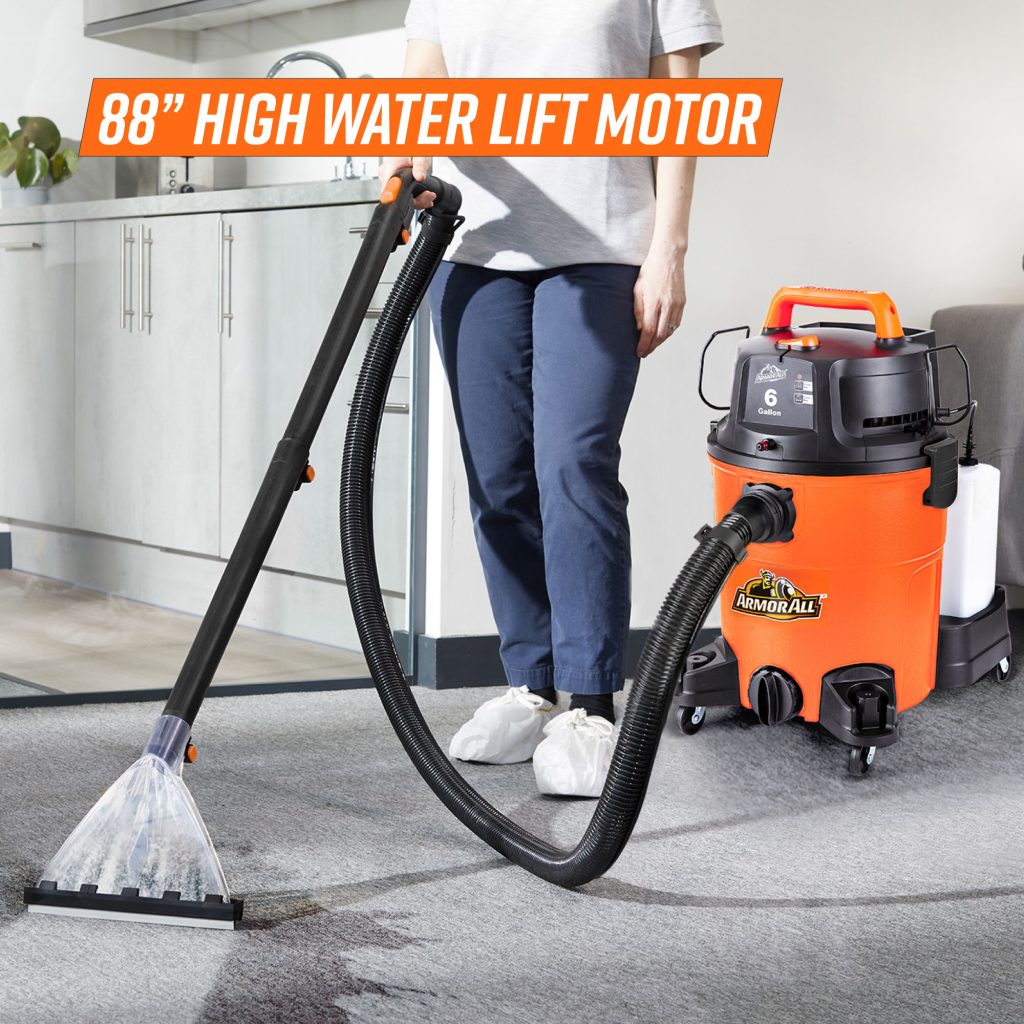
Are you tired of dealing with stubborn stains and dirt on your upholstery? You’re not alone.
Many people struggle to keep their sofas, chairs, and other upholstered furniture looking fresh and clean. The good news is, there might be a simple solution right under your nose—or in your garage. Have you ever thought about using a wet dry vacuum to tackle the mess?
It’s not just for your garage floor or spilled cereal anymore. Imagine transforming your living space with a tool you already have. We’ll explore how a wet dry vacuum can be your secret weapon for upholstery cleaning. Stick around to discover tips that could change the way you clean forever. You might be surprised at how easy it is to breathe new life into your furniture with just a few simple steps.
Wet Dry Vacuums And Upholstery
Using a wet dry vacuum to clean upholstery might seem like a quick fix, but it’s important to understand how these machines interact with different fabrics. They can be powerful allies in removing dirt and spills, yet not all upholstery responds well to their suction and moisture capabilities. Knowing how wet dry vacuums work and which types of upholstery are best suited for this kind of cleaning will help you avoid damage and get the best results.
How Wet Dry Vacuums Work
Wet dry vacuums combine strong suction with the ability to handle both wet and dry messes. They use a motor to create suction that lifts dirt, dust, and liquids from surfaces.
These vacuums often come with attachments designed to reach into crevices or gently clean delicate areas. Unlike regular vacuums, they can suck up water spills without harming the machine.
But here’s a question to consider: does the strong suction risk pulling threads or damaging the fabric? The answer depends on your upholstery type and the vacuum’s settings.
Types Of Upholstery Suitable For Wet Dry Vacuums
Not all upholstery can handle the power of a wet dry vacuum. Here’s a quick guide to what works well:
- Leather and Vinyl:These materials are generally safe. Wet dry vacuums can remove spills and debris without soaking the fabric.
- Microfiber:Its tight weave handles suction well, but avoid excess water to prevent stains.
- Outdoor Fabrics:Made to resist moisture, these are ideal candidates for wet dry vacuum cleaning.
- Delicate Fabrics (Silk, Velvet):Best avoided, as strong suction and moisture can cause damage.
- Natural Fibers (Cotton, Wool):Use cautiously; some can shrink or stain if over-wet.
Think about your upholstery type before starting. Have you tested your vacuum on a hidden spot first? This simple step can save your furniture from unexpected damage.

Credit: www.bissell.com
Preparing Upholstery For Cleaning
Preparing upholstery for cleaning is essential to get the best results. It helps protect the fabric and removes surface dirt that can cause damage. Clean upholstery lasts longer and looks fresh.
Before using a wet dry vacuum, take some simple steps. These steps make cleaning easier and safer for your furniture.
Removing Loose Dirt And Debris
Start by removing any loose dirt and debris from the upholstery surface. Use a soft brush or a dry cloth to gently sweep away dust and crumbs. Pay attention to seams and crevices where dirt hides.
Use the vacuum’s upholstery attachment on low suction to pick up remaining particles. This prevents dirt from spreading during wet cleaning. Cleaning loose dirt first improves the vacuum’s effectiveness.
Spot Testing For Fabric Safety
Spot testing checks if the fabric can handle wet cleaning. Choose a hidden area on the upholstery, like under a cushion. Apply a small amount of water or cleaning solution.
Wait a few minutes to see any color change or fabric damage. No change means it is safe to proceed. If the fabric bleeds or weakens, avoid using water or harsh cleaners.
Using A Wet Dry Vacuum On Upholstery
Using a wet dry vacuum on upholstery is an effective way to clean fabric surfaces deeply. This type of vacuum can handle both wet and dry messes, making it versatile for upholstery care. It removes dust, dirt, and even liquid spills from couches, chairs, and car seats.
Choosing the right attachments and following a careful cleaning process ensures the best results. Proper use prevents damage to delicate fabrics and keeps your upholstery looking fresh longer.
Choosing The Right Attachments
Select attachments designed for upholstery cleaning. Look for soft brushes that protect fabric fibers. Narrow crevice tools reach tight spaces between cushions.
- Use a brush attachment with soft bristles to loosen dirt gently.
- A crevice tool helps clean seams and edges thoroughly.
- Wide upholstery tools cover larger surfaces efficiently.
- A squeegee tool works best for liquid spills on fabric.
Match attachments to the type of upholstery and the mess you want to clean. Using the wrong tool may harm the fabric or reduce cleaning power.
Step-by-step Cleaning Process
- Test a small hidden area first for colorfastness.
- Remove loose debris by vacuuming dry with an upholstery attachment.
- Apply a mild cleaning solution suitable for your fabric.
- Use the wet mode with a squeegee or upholstery tool to extract dirt and liquid.
- Work slowly, covering small sections at a time.
- Rinse attachments often to avoid spreading dirt.
- Let upholstery dry completely before using it again.
Following these steps keeps your upholstery clean without damage. A wet dry vacuum makes the job easier and more effective.

Credit: www.bissell.com
Handling Wet Stains And Spills
Handling wet stains and spills on upholstery requires quick and careful action. Using a wet dry vacuum can help remove moisture and prevent stains from setting. The key is to extract as much liquid as possible without damaging the fabric. Proper drying after cleaning is important to avoid mold and odors. Follow simple techniques to clean and dry your upholstery effectively.
Techniques For Wet Extraction
Start by blotting the spill gently with a clean cloth to absorb excess liquid. Use the wet dry vacuum on the upholstery’s wet area. Move the vacuum slowly to pull out moisture thoroughly. Avoid rubbing, which can spread the stain. Work in small sections for better results.
- Set the vacuum to the wet mode.
- Use a soft brush attachment for delicate fabrics.
- Keep the nozzle close but do not press hard.
- Repeat extraction until the area feels less wet.
Drying Tips After Cleaning
After removing liquid, drying is essential to prevent damage. Open windows to allow fresh air flow. Use fans to speed up drying time. Avoid direct sunlight which can fade fabric colors. Place a clean towel over the area to absorb remaining moisture. Keep the room temperature moderate for best drying.
- Do not sit on the wet upholstery until fully dry.
- Use a dehumidifier if the air is very humid.
- Check the fabric after a few hours for dampness.
- Repeat vacuum extraction if needed before drying.
Precautions And Maintenance
Using a wet dry vacuum to clean upholstery can be highly effective, but it requires careful attention to avoid damaging your fabric or the vacuum itself. Taking the right precautions and performing regular maintenance will keep both your furniture and your vacuum in top shape. Let’s look at some practical tips that can help you clean safely and maintain your vacuum for long-term use.
Avoiding Fabric Damage
Not all upholstery fabrics respond well to wet cleaning methods. Before you start, test a small, hidden area with the vacuum’s wet setting to check for colorfastness or fabric distortion.
Use the vacuum’s lowest suction setting to prevent pulling or stretching delicate materials. Remember, too much water or aggressive suction can leave your upholstery soggy or misshapen.
Consider using gentle cleaning solutions recommended for your specific fabric type, and avoid harsh chemicals that might weaken fibers. Are you sure your upholstery can handle wet cleaning, or would a dry method be safer?
Cleaning And Caring For Your Vacuum
After each use on upholstery, empty the vacuum’s tank promptly to avoid mold or unpleasant odors. Rinse filters and check for any clogs caused by fabric fibers or debris.
Dry all parts thoroughly before reassembling to prevent rust or damage. Regularly inspect hoses and attachments for wear and tear, replacing any parts that could reduce performance.
Keeping your vacuum clean not only extends its life but also ensures it works efficiently every time. How often do you take time to care for your vacuum after use?

Credit: www.amazon.com
Alternatives To Wet Dry Vacuums
Looking for alternatives to a wet dry vacuum for cleaning your upholstery? There are several options that can be more effective and gentle on your furniture. These choices can help you keep your upholstery fresh without the risk of damage or excessive moisture.
Specialized Upholstery Cleaners
Specialized upholstery cleaners are designed specifically for fabric and delicate surfaces. They come in sprays, foams, or gels that break down dirt and stains without soaking the material. Using these products can save you time and avoid the hassle of drying wet cushions for hours.
Many cleaners also have built-in fabric protectors that help repel future stains. Have you ever noticed how some stains just won’t budge with regular soap? These products target tough spots like pet stains or wine spills with formulas made for upholstery fibers.
Professional Cleaning Services
Sometimes, the best option is to call in the experts. Professional upholstery cleaning services use advanced tools and techniques that go beyond what household equipment can achieve. They can handle deep stains and odors safely, restoring your furniture’s original look.
Hiring a pro can also save you stress and time, especially if your upholstery is valuable or hard to clean. Would you rather spend a day battling stubborn stains or let someone with the right skills do the job quickly and thoroughly? It’s worth considering for tough jobs or high-traffic pieces.
Frequently Asked Questions
Can I Use A Wet Dry Vacuum On All Upholstery Types?
Yes, a wet dry vacuum can clean many upholstery fabrics. However, always check the care label first. Test a small hidden spot to avoid damage.
Is A Wet Dry Vacuum Safe For Delicate Upholstery?
Wet dry vacuums can be too powerful for delicate fabrics. Use a gentle setting or a soft brush attachment to protect the material.
How Do I Prevent Water Damage When Vacuuming Upholstery?
Avoid over-wetting upholstery by using minimal liquid. Use the vacuum’s suction to remove moisture quickly and prevent mold or stains.
Can A Wet Dry Vacuum Remove Pet Hair From Upholstery?
Yes, wet dry vacuums effectively remove pet hair. Use the right attachment and strong suction to lift embedded hair from fabric.
Conclusion
Using a wet dry vacuum can help clean upholstery well. It removes dirt and spills quickly. Make sure to use the right attachments. Test a small area first to avoid damage. Keep the fabric moist but not soaked. Regular cleaning keeps furniture fresh and lasts longer.
Wet dry vacuums offer a simple way to maintain upholstery. Try it carefully, and your furniture will look cleaner every day.