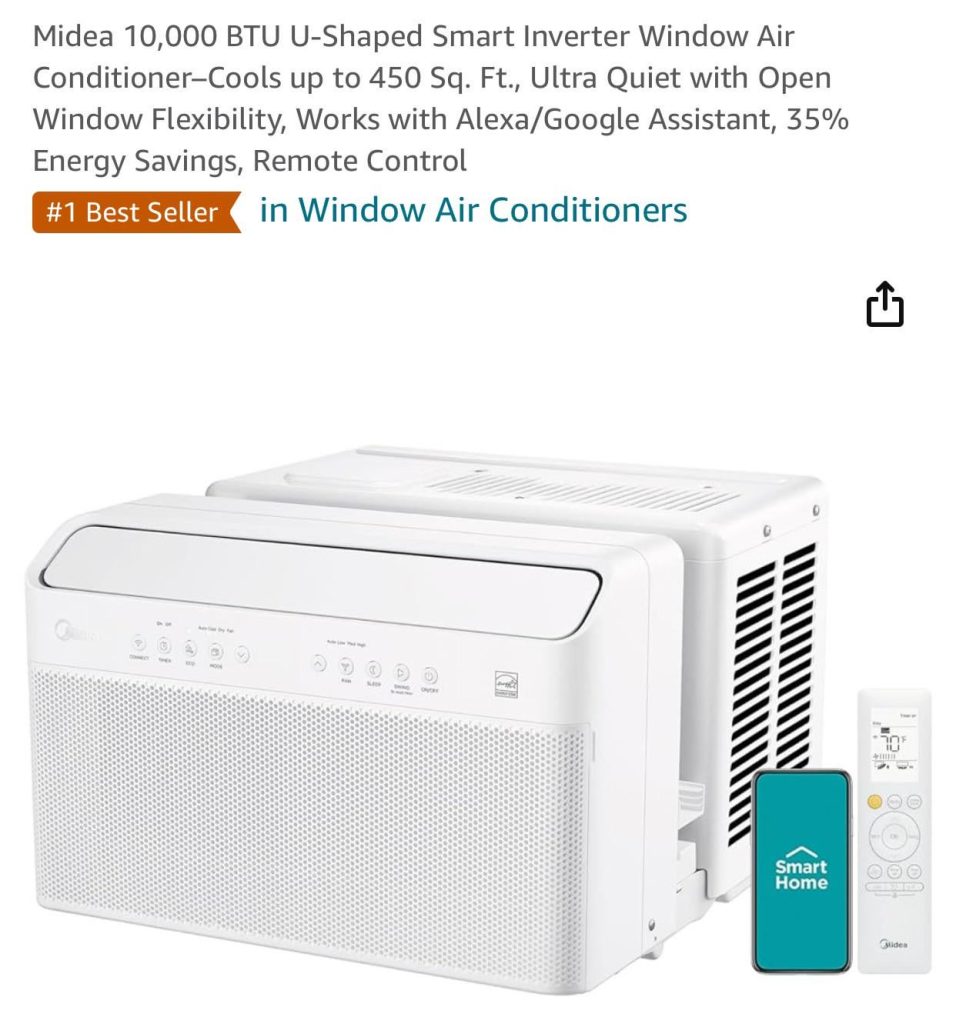
Are you wondering if you can use a window air conditioner inside your home without any issues? You’re not alone.
Many people have questions about the best way to install and operate these units safely and effectively. Using a window air conditioner inside might sound simple, but there are important things you need to know to avoid problems like poor cooling, damage to your walls, or even safety hazards.
Keep reading to discover how to use your window air conditioner the right way and get the cool, comfortable space you deserve.

Credit: www.yahoo.com
How Window Air Conditioners Work
Window air conditioners cool indoor spaces by moving heat outside. They use a simple system to change warm air into cool air.
Understanding how these units work helps you use them safely and efficiently inside your home.
Basic Components
A window air conditioner has several main parts. Each part plays a role in cooling the air inside.
These components work together to remove heat and moisture from the room.
- Compressor:Pumps refrigerant through the system.
- Condenser Coil:Releases heat outside.
- Evaporator Coil:Absorbs heat from indoor air.
- Fan:Moves air across coils to cool the room.
- Thermostat:Controls the temperature inside.
Heat Exchange Process
The air conditioner cools by moving heat from inside to outside. It uses a special fluid called refrigerant to do this.
The refrigerant changes between liquid and gas to carry heat away from your room.
- The compressor compresses the refrigerant gas, making it hot.
- The hot gas moves to the condenser coil outside and cools down.
- The refrigerant turns into a liquid and flows to the evaporator coil inside.
- The liquid refrigerant absorbs heat from indoor air, turning back into gas.
- The fan blows cool air into the room while the heat moves outside.

Credit: www.reddit.com
Indoor Use Challenges
Using a window air conditioner inside a room can cause several problems. These problems affect comfort and the unit’s efficiency.
This section explains common challenges like heat buildup and ventilation issues.
Heat And Moisture Issues
Window air conditioners remove heat from inside and release it outside. If the hot air stays indoors, it raises the room temperature. This makes cooling less effective.
- Heat builds up near the unit
- Moisture can collect and cause dampness
- High humidity can lead to mold growth
- Condensation may damage walls or furniture
Ventilation Problems
Window air conditioners need good airflow to work well. Without proper ventilation, air circulation worsens.
| Ventilation Issue | Effect on Room | Effect on AC Unit |
|---|---|---|
| Blocked air vents | Reduced fresh air | Overheating |
| Poor exhaust of hot air | Increased room temperature | Lower cooling efficiency |
| Closed or sealed window | Stale air inside | Higher energy use |
Safety Concerns
Using a window air conditioner inside a room needs care. Safety must come first to avoid accidents.
This guide explains key safety issues like electrical risks and fire hazards with window AC units indoors.
Electrical Risks
Window air conditioners draw a lot of power. Wrong use can cause electrical problems or shocks.
- Ensure the outlet matches the AC’s voltage and current needs.
- Avoid using extension cords or power strips with the unit.
- Check that the wiring is intact and not damaged.
- Keep the unit dry and away from water sources to prevent shocks.
- Have a certified electrician inspect your setup if unsure.
Fire Hazards
Window air conditioners can overheat and cause fires if not used right.
| Cause | How to Prevent |
| Blocked air vents | Keep vents clear for airflow |
| Old or frayed wiring | Replace damaged cords immediately |
| Overloading electrical circuit | Use correct outlet and avoid multiple devices |
| Dust and debris buildup | Clean the unit regularly |
Alternatives For Indoor Cooling
Using a window air conditioner inside a room can be tricky. These units need proper venting to work well.
There are other options that cool indoor spaces without the same setup issues.
Portable Air Conditioners
Portable air conditioners cool rooms without fixing a window unit. They use a hose to move hot air outside.
These units are easy to move and need only a window for the hose vent. They work well in many rooms.
- Easy to install and move
- Requires window for exhaust hose
- Good for small to medium rooms
- Can remove humidity from air
Evaporative Coolers
Evaporative coolers use water to cool the air. They blow air through a wet pad to lower the temperature.
These coolers work best in dry climates. They use less energy than air conditioners but add moisture to the air.
- Energy-efficient cooling option
- Works well in dry areas
- Adds humidity to the air
- Easy to move and use
Modifications And Diy Solutions
Using a window air conditioner inside a room without a proper window can be tricky. Some people try to change or fix their units to make them work indoors.
These changes need careful thought. You should know what adjustments might work and what risks you face.
Possible Adjustments
You can try to change parts of the air conditioner to use it inside. One option is to build a special box or cover to hold the unit in place.
Another idea is to create a vent system that moves hot air outside. This helps the unit work better inside a room.
- Build a frame to hold the unit in a wall opening
- Use flexible ducts to vent hot air outdoors
- Seal gaps with weather stripping or foam
- Install a drain pipe for water from inside
Risks Involved
Modifying a window air conditioner for indoor use can cause problems. The unit might overheat if hot air does not leave the room.
Water leaks and electrical hazards are also risks. Improper venting can raise room temperature and waste energy.
- Overheating due to blocked hot air release
- Water damage from poor drainage
- Electric shock if wiring is exposed or wet
- Reduced cooling efficiency and higher bills

Credit: northnjhvac.com
Energy Efficiency Considerations
Using a window air conditioner inside affects energy use. It is important to think about how this impacts power and cost.
Energy efficiency helps save money and reduces waste. Understanding these factors can guide your decisions.
Power Consumption
Window air conditioners use electricity to cool rooms. Their power use depends on size and settings.
Running a window unit inside may cause it to work harder. This increases power use and lowers efficiency.
- Smaller rooms need less power
- Higher temperature settings save energy
- Blocked vents reduce airflow and increase power use
Cost Implications
Electric bills rise when air conditioners use more power. Using a window unit inside can raise these costs.
Choosing the right size and maintaining the unit lowers expenses. Efficient use helps save money over time.
- Check wattage before buying
- Use timers to limit running time
- Clean filters regularly for better performance
Manufacturer Guidelines
Using a window air conditioner inside needs careful attention to the manufacturer’s rules. These rules help keep the unit safe and working well.
Most window air conditioners are made to fit in windows. Using them inside without a window can cause problems.
Recommended Usage
Manufacturers say window air conditioners should be installed in a window or a specially made wall sleeve. This setup helps the unit cool properly.
Using the unit fully indoors can block airflow and cause water leaks or damage. It may also make the unit overheat.
- Install in windows or wall sleeves only
- Keep outdoor side exposed to air
- Do not block air vents or drainage
Warranty And Support
Using the air conditioner outside the recommended way may void the warranty. The manufacturer might not fix problems caused by wrong use.
Check your product manual for warranty details. Contact customer support if you are unsure about installation or use.
- Follow installation instructions exactly
- Keep proof of purchase for warranty claims
- Use customer support for questions or repairs
Frequently Asked Questions
Can I Use A Window Ac Unit Inside A Room?
Yes, window AC units are designed to cool indoor spaces. However, they must be installed properly with part of the unit venting outside for heat removal.
Does A Window Air Conditioner Work Without Window Installation?
No, window ACs require an open window or vent for hot air exhaust. Using them fully inside without ventilation reduces efficiency and may cause overheating.
What Happens If I Use A Window Ac Indoors Only?
Using a window AC indoors without venting causes heat buildup. This reduces cooling performance and may damage the unit or increase energy consumption.
Can I Install A Window Ac In A Wall Instead Of Window?
Yes, with proper modifications and venting, window ACs can be installed in walls. Ensure correct sealing and airflow to maintain efficiency and safety.
Conclusion
Choosing a window air conditioner for indoor use requires care. It can cool a room, but needs proper ventilation. Ensure the unit expels hot air outside. Without this, heat stays indoors, reducing efficiency. Safety is crucial. Secure the unit to prevent accidents.
Consider an exhaust hose setup for better results. Weigh the pros and cons before deciding. Good planning leads to comfort. Enjoy a cooler space with thoughtful choices. Always prioritize safety and efficiency.