Are you out of baking sheets and wondering if aluminum foil can save the day? You’re not alone.
Many home cooks ask, “Can I use aluminum foil instead of a baking sheet? ” It’s a simple question, but the answer can affect your cooking results, cleanup, and even your safety in the kitchen. Before you make that swap, it’s important to know what works—and what doesn’t.
Keep reading to discover when aluminum foil is a smart substitute and when it might cause more trouble than it’s worth. Your next baking success depends on it!
Credit: kitchendance.com
Aluminum Foil Vs Baking Sheet
Many home cooks wonder if aluminum foil can replace a baking sheet. Both tools help with cooking and baking. Understanding their differences helps you choose the right one.
This guide compares aluminum foil and baking sheets by material, heat conductivity, and durability.
Material Differences
Aluminum foil is thin, flexible, and made of pure aluminum. Baking sheets are usually thick metal trays, often coated with non-stick surfaces.
- Aluminum foil is lightweight and can be folded or shaped.
- Baking sheets are rigid and hold their shape well.
- Foil can tear easily; baking sheets are sturdy.
- Foil is disposable; baking sheets are reusable.
Heat Conductivity
Aluminum foil conducts heat quickly because it is thin. Baking sheets heat more evenly due to their thickness and material.
| Feature | Aluminum Foil | Baking Sheet |
| Heat Speed | Fast | Moderate |
| Heat Distribution | Uneven | Even |
| Effect on Food | May cause hot spots | Consistent cooking |
Durability And Reusability
Baking sheets last longer and can be used many times. Aluminum foil is for one-time use and can tear during cooking.
- Baking sheets resist scratches and dents.
- Foil wrinkles and can break easily.
- Cleaning baking sheets is simple with soap and water.
- Foil is disposable and often thrown away after use.
When To Choose Aluminum Foil
Aluminum foil can be a good substitute for baking sheets in some cases. It helps with cooking and cleanup. But it is not always the best choice.
This guide explains when to use aluminum foil instead of a baking sheet. It covers cooking scenarios, food types, and convenience factors.
Cooking Scenarios
Aluminum foil works well for certain cooking tasks. It can hold liquids and prevent sticking. It also helps with even heat distribution in some cases.
- Roasting vegetables that release juices
- Baking foods that need to stay moist, like fish
- Grilling small or delicate items that could fall through grates
- Covering dishes to prevent burning or drying
- Wrapping foods for slow cooking or steaming
Food Types
Some foods work better with aluminum foil than others. Foil can keep food moist and trap flavors. It also stops thin or sticky foods from sticking to the pan.
| Food Type | Foil Use | Reason |
| Fish and seafood | Yes | Helps retain moisture and flavor |
| Sticky or sugary foods | Yes | Prevents sticking and burning |
| Baked goods like cookies | No | Foil heats unevenly and may burn |
| Roasted meats | Yes | Foil traps juices and speeds cooking |
| Vegetables | Yes | Retains moisture and cooks evenly |
Convenience Factors
Using aluminum foil can save time and effort. It makes cleanup easier and can protect your pans. Foil can also be shaped to fit different sizes and shapes.
- Easy cleanup by lining pans
- Reduces need to grease pans
- Can be molded to cover uneven surfaces
- Disposable, so no washing needed
- Good for wrapping leftovers or food storage
Potential Drawbacks Of Using Foil
Many people wonder if aluminum foil can replace a baking sheet. Foil can be handy but has some downsides. It is important to know the risks before using it.
This article covers the main problems with using foil instead of a baking sheet. These include sticking, heat problems, and environmental effects.
Risk Of Sticking
Food often sticks to aluminum foil during cooking. This happens because foil is smooth and not coated like baking sheets. Sticking can ruin your food and make cleaning hard.
Sticky food may tear when you try to remove it. Using oil or non-stick spray can help but does not always work well.
Heat Distribution Issues
Aluminum foil does not spread heat evenly. It can cause hot spots where food cooks too fast or burns. Baking sheets are thicker and give better heat control.
Uneven heat can make your food cook poorly. Some parts might be overcooked while others stay raw.
Environmental Impact
Using aluminum foil creates more waste than baking sheets. Foil often gets thrown away after one use. This adds to landfill and pollution problems.
Baking sheets last for years and reduce trash. Choosing reusable tools is better for the environment.
Expert Tips For Using Foil Safely
Aluminum foil can be a good substitute for a baking sheet in some cases. It helps with easy cleanup and can shape to your food.
Using foil safely needs some care. Follow these tips to avoid problems like tearing or food sticking.
Proper Foil Placement
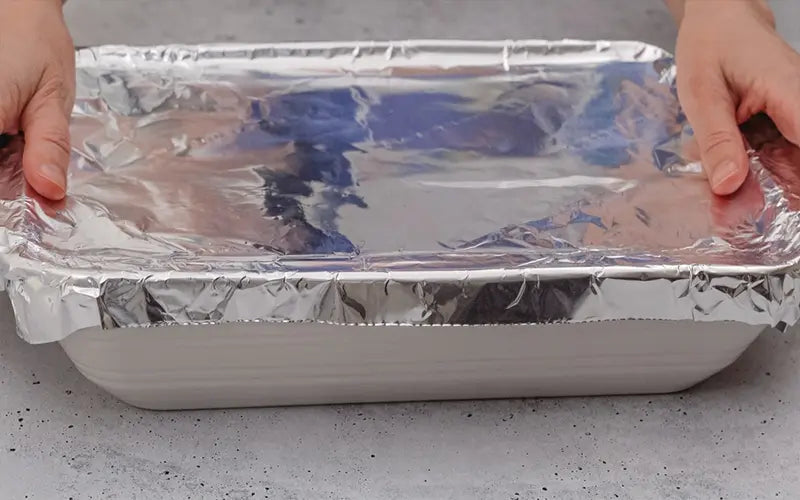
Place the foil flat on the baking tray. Make sure it covers the whole surface. This keeps heat even and food from touching the pan.
Try folding the foil edges up slightly. This stops juices from spilling onto the oven floor.
- Use heavy-duty foil for better strength
- Press foil edges firmly to the pan
- Avoid crumpling foil too much before use
Preventing Food Sticking
Food can stick to foil if you don’t prepare it well. Use a thin layer of oil or cooking spray before placing food on foil.
Some foods, like fish or sticky sauces, need extra care. Use parchment paper between food and foil to keep food from sticking.
- Lightly oil the foil surface
- Use parchment paper for sticky foods
- Flip food carefully to avoid tearing
Avoiding Foil Tearing
Tearing foil can cause spills and messes. Heavy or sharp foods can rip foil easily. Handle foil gently to avoid tears.
Use heavy-duty foil for cooking heavy foods. Avoid poking holes or folding foil sharply. Smooth out wrinkles before cooking.
- Choose thick foil for heavy or sharp foods
- Do not overload the foil with heavy items
- Handle foil gently when placing and removing
Alternatives To Baking Sheets And Foil
Sometimes, you may not have a baking sheet or aluminum foil ready. There are other ways to bake or cook without them. These options help you cook food evenly and keep your pans clean.
Below are some common alternatives you can use instead of baking sheets and foil. Each has its own benefits and uses.
Parchment Paper
Parchment paper is a great choice for baking. It is heat-resistant and non-stick. You can use it to line pans or wrap foods. It helps prevent sticking and makes cleanup easy.
- Use parchment paper to line cake pans or cookie sheets
- Wrap fish or vegetables for steaming in the oven
- Cut it to fit loaf pans for bread baking
- It can handle temperatures up to about 420°F (215°C)
Silicone Mats
Silicone baking mats are reusable and flexible. They provide a non-stick surface for baking cookies, roasting vegetables, and more. These mats fit on baking trays and can be cleaned easily.
| Feature | Benefit |
| Reusable | Save money over time |
| Non-stick surface | Easy food release |
| Heat resistant | Works up to 480°F (250°C) |
| Easy to clean | Dishwasher safe |
Cast Iron Or Other Bakeware
Cast iron pans and other bakeware pieces like glass or ceramic dishes can replace baking sheets. These options conduct heat well and can be used directly in the oven. They also provide even cooking and browning.
- Cast iron skillets work well for roasting and baking
- Glass or ceramic dishes are good for casseroles and roasting
- Make sure to grease or oil these pans to prevent sticking
- Check the oven-safe temperature limits of your bakeware

Credit: kitchendance.com
:max_bytes(150000):strip_icc()/2025081220250722-SEA-HerbedDrumsticks-LarisaNiedle-STEP3-e24d0d9a817044fcbcb258e29071edef.jpg)
Credit: www.seriouseats.com
Frequently Asked Questions
Can Aluminum Foil Replace A Baking Sheet?
Yes, aluminum foil can replace a baking sheet in many situations. It is versatile and handles high temperatures. However, it may not provide the same rigidity as a baking sheet. It’s perfect for lining baking pans or wrapping food but may not be ideal for heavy doughs.
Is Aluminum Foil Safe For Baking?
Aluminum foil is generally safe for baking. It withstands high heat and conducts heat evenly. However, avoid contact with acidic foods to prevent a metallic taste. Always ensure it’s properly placed to avoid any tearing, which can lead to spills in your oven.
Does Aluminum Foil Affect Baking Time?
Aluminum foil can slightly alter baking time due to its heat-reflective properties. It may speed up cooking by reflecting heat. Monitor your food closely to prevent overcooking. Adjust baking times as needed, especially for items that cook quickly or need precise timing.
Are There Downsides To Using Foil For Baking?
Using aluminum foil for baking can have downsides. It lacks the structure of a baking sheet and may lead to uneven cooking. It can tear easily under heavy items. Also, it may not provide the non-stick surface that some baking sheets offer.
Conclusion
Aluminum foil can work instead of a baking sheet in many cases. It helps keep your oven clean and cooks food evenly. But foil is thinner and can tear easily. It may not hold heavy or sticky foods well. Choose foil for light baking or lining pans.
Use a baking sheet for sturdier, safer cooking. Both have their uses. Know what your recipe needs before deciding. This way, your food turns out just right.