Are you wondering if your bike helmet can double as protection on the ski slopes? It’s a smart question—after all, both activities need head safety.
But before you hit the snow wearing your bike helmet, it’s important to know if it can really keep you safe while skiing. You’ll discover the key differences between bike and ski helmets, why wearing the right gear matters, and how to choose the best helmet for your winter adventures.
Keep reading to protect your head the right way every time you ski.

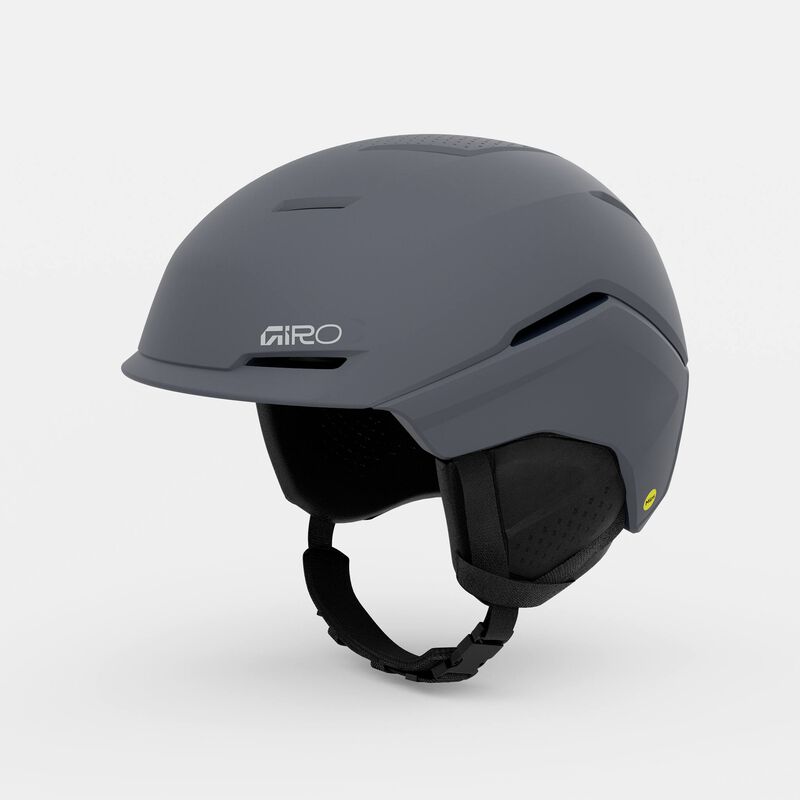
Credit: www.giro.com
Bike Helmets Vs Ski Helmets
Bike helmets and ski helmets both protect your head. They look similar but are made for different sports.
Choosing the right helmet is important for safety and comfort. This article explains the main differences.
Design Differences
Bike helmets usually have many vents for air flow. Ski helmets have fewer vents to keep warmth.
- Bike helmets are lighter and more open.
- Ski helmets cover more of the head and ears.
- Ski helmets often have padding for cold weather.
- Bike helmets focus on ventilation to cool down.
Material Variations
Both helmets use hard shells and foam inside. The materials differ based on impact types and weather.
| Helmet Type | Shell Material | Inner Foam | Extra Features |
| Bike Helmet | Polycarbonate or ABS plastic | EPS foam | Ventilation holes |
| Ski Helmet | ABS plastic or fiberglass | EPS or EPP foam | Insulation and ear pads |
Safety Standards
Bike and ski helmets meet different safety rules. These rules match the risks of each sport.
Here are the common safety standards:
- Bike Helmets:CPSC (USA), EN 1078 (Europe)
- Ski Helmets:ASTM F2040 (USA), CE EN 1077 (Europe)
Using a helmet with the right certification ensures better protection.

Credit: www.giro.com
Risks Of Using Bike Helmets For Skiing
Using a bike helmet for skiing can be risky. It might not protect you well in a skiing accident. Skiing helmets are made differently from bike helmets.
Bike helmets are not designed for cold weather. They may not fit well with ski goggles. Let’s explore these risks further.
Impact Protection Limits
Bike helmets are made for road accidents. They handle different impacts than skiing helmets. Ski helmets protect against falls and tree collisions.
Bike helmets might not absorb ski-related impacts well. This can put you at greater risk during skiing.
- Ski helmets are tested for snow conditions
- Bike helmets focus on pavement impacts
- Proper protection is crucial for safety
Temperature And Weather Considerations
Skiing happens in cold weather. Bike helmets are not insulated for warmth. They may not have enough ventilation control for skiing conditions.
Cold air can enter easily through bike helmets. This can cause discomfort and distraction while skiing.
- Ski helmets keep your head warm
- Bike helmets may let in cold air
- Proper insulation is needed for comfort
Fit And Comfort Issues
Bike helmets are not made to fit with ski goggles. This can cause discomfort and poor visibility. A snug fit is important when skiing.
Ski helmets are designed to fit securely with ski gear. Bike helmets may move around, leading to potential danger.
- Ski helmets accommodate goggles
- Bike helmets may not fit snugly
- Proper fit improves safety and comfort
Ski Helmet Features For Safety
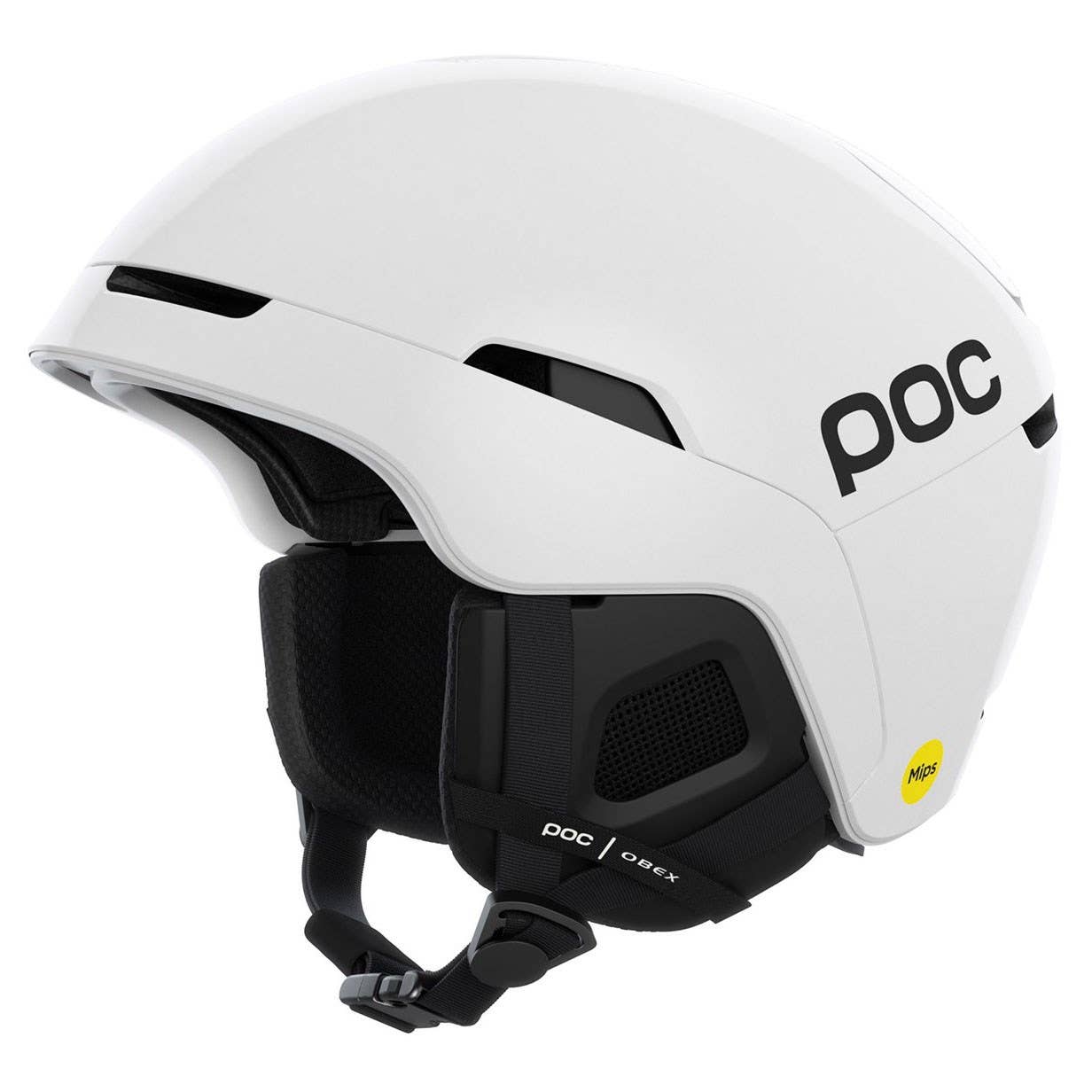
Ski helmets protect your head from cold and injuries on the slopes. They differ from bike helmets in design and materials. Ski helmets focus on warmth and impact safety for winter sports.
Understanding key features can help you pick the right helmet for skiing. These features include insulation, ventilation, and impact absorption technology.
Insulation And Warmth
Ski helmets use special padding and materials to keep your head warm. They trap heat and block cold wind. This is important to avoid frostbite and keep comfort all day.
Many ski helmets have fleece linings and ear covers. These add extra warmth without making the helmet heavy.
Ventilation Systems
Good ventilation helps control temperature inside the helmet. It prevents overheating and lets moisture escape. Ventilation is adjustable in most ski helmets.
- Front vents allow fresh air in
- Rear vents let warm air out
- Some helmets have removable vent covers for cold days
- Proper airflow reduces sweat and fog on goggles
Impact Absorption Technology
| Technology | Description | Benefit |
| EPS Foam | Expanded Polystyrene foam absorbs shocks on impact. | Reduces risk of head injury. |
| MIPS | Multi-directional Impact Protection System reduces rotational forces. | Protects brain from twisting injuries. |
| Hard Outer Shell | Durable shell spreads impact force over a wider area. | Prevents deep penetration injuries. |
Common Myths About Helmet Use
Many people have wrong ideas about helmets and their use in sports. These myths can make people avoid wearing helmets or choose the wrong one.
This article clears up some common myths about helmets for biking and skiing.
One Helmet Fits All Sports
Some think one helmet can work for all sports. This is not true. Helmets are made for different activities.
- Bike helmets are light and have many vents for airflow.
- Ski helmets are warmer and cover more of the head.
- Helmets have different safety standards for each sport.
- Using the wrong helmet can reduce protection and comfort.
Bike Helmets Are Enough For Skiing
Bike helmets do not protect well in skiing. Skiing risks are different from biking risks.
| Helmet Type | Ventilation | Insulation | Impact Protection |
| Bike Helmet | High | Low | Designed for hard, flat surfaces |
| Ski Helmet | Low to Medium | High | Designed for impacts on snow and ice |
Ski Helmets Are Uncomfortable
Many believe ski helmets are heavy and hot. Modern helmets are made for comfort.
Features that improve comfort:
- Adjustable fit systems for better sizing
- Soft padding inside the helmet
- Ventilation that can be opened or closed
- Lightweight materials
Choosing The Right Helmet For Skiing
Using the right helmet is very important for skiing safety. A bike helmet may not protect well in cold or on snow.
Choosing a helmet made for skiing helps keep your head safe and warm. Let’s look at what to check.
Certification Labels To Check
Check the helmet’s certification to ensure it meets skiing safety standards. Bike helmets have different tests.
Look for labels like ASTM F2040 or CE EN 1077. These mean the helmet is tested for snow sports.
- ASTM F2040: US standard for skiing helmets
- CE EN 1077: European ski helmet standard
- CPSC: Bike helmet safety, not for skiing
Proper Fit And Sizing
The helmet must fit snugly without pressure points. Loose helmets can cause injury in falls.
Measure your head size and try helmets on. Adjust straps and padding for a secure fit.
- Measure around your head above the eyebrows
- Try the helmet on with ski goggles
- Adjust chin strap so it feels tight but comfortable
- Helmet should not move when you shake your head
Additional Safety Features
Ski helmets have features for cold weather and impact protection. Look for these extras.
Good ventilation keeps you warm but stops overheating. Some helmets have ear protection and padding.
- Ventilation vents you can open or close
- Ear pads for warmth and added safety
- Adjustable fit systems for comfort
- Impact liners that absorb shock better
Helmet Maintenance And Replacement
Using a bike helmet for skiing is possible, but proper care is important. Helmets protect your head, so keep them in good shape. Knowing when to replace your helmet is key for safety.
This guide covers how to maintain your helmet and signs that show you need a new one. Taking good care helps your helmet last longer and work well.
When To Replace Your Helmet
Replace your helmet if it has been in a crash or shows damage. Even small cracks can reduce protection. Helmets also get old and lose strength over time.
Most helmets should be replaced every 3 to 5 years. Check the manufacturer’s advice for your specific helmet. If unsure, it is safer to buy a new one.
Care Tips For Longevity
Keep your helmet clean by wiping it with a soft cloth and mild soap. Avoid strong chemicals that can damage the materials. Let it air dry away from heat or sunlight.
Store your helmet in a cool, dry place. Do not leave it in a hot car or near heaters. Use a helmet bag or soft cover to protect it from scratches.
- Clean with mild soap and water
- Air dry, avoid direct sunlight
- Store in a cool, dry place
- Use a soft cover or helmet bag
- Avoid dropping or rough handling
Signs Of Damage
Look for cracks, dents, or deep scratches on the helmet shell. Check the foam inside for cracks or crushed areas. Damaged parts reduce protection during impact.
Check the straps and buckles for wear or tears. Loose or broken straps can cause the helmet to come off in a fall. Replace the helmet if you see any signs of damage.
- Cracks or dents on outer shell
- Crushed or cracked foam inside
- Worn or torn straps and buckles
- Helmet feels loose or does not fit well
Credit: www.powder.com
Frequently Asked Questions
Can I Use A Bike Helmet For Skiing?
Bike helmets are not designed for skiing impacts. Ski helmets offer better protection against cold, snow, and multiple impacts. Using a bike helmet for skiing is not recommended for safety reasons.
What Makes Ski Helmets Different From Bike Helmets?
Ski helmets have thicker padding, better insulation, and are tested for cold weather and snow impacts. Bike helmets focus on ventilation and lighter weight for cycling, not winter conditions.
Are Bike Helmets Safe For Winter Sports?
Bike helmets lack insulation and proper ear coverage, making them unsafe for skiing or snowboarding. Ski helmets provide essential warmth and protection for winter sports.
Can I Save Money By Using A Bike Helmet For Skiing?
Saving money is tempting but risky. Ski helmets are specifically designed for winter impact protection. Using a bike helmet compromises safety and may result in injury.
Conclusion
Bike helmets and ski helmets serve different purposes. Ski helmets offer more insulation and impact protection for cold, fast conditions. Bike helmets are lighter and less padded, which may not protect well on snowy slopes. Safety should always come first.
Choosing the right helmet reduces injury risk. Wearing a proper ski helmet helps you enjoy the sport safely. Always check helmet certifications before use. Protect your head with gear designed for skiing. Stay safe and have fun on the slopes.