
Are you wondering if your trusty cast iron skillet can work its magic on an induction cooktop? You’re not alone.
Many home cooks and chefs alike face this dilemma when upgrading their kitchen appliances. The allure of induction cooking is undeniable—quick heat, precise temperature control, and energy efficiency. But what about your beloved cast iron? Can it coexist with this modern cooking technology?
Before you decide, it’s crucial to understand how induction cooktops work and what makes cast iron a unique cooking companion. You’ll discover the surprising compatibility between these two kitchen staples, and learn practical tips to enhance your cooking experience. So, if you’re curious to uncover the truth and elevate your culinary skills, keep reading—you won’t want to miss this.
Credit: www.whirlpool.com
How Induction Cooktops Work
Understanding how induction cooktops work can help you decide if your cast iron cookware is a good match. These cooktops use a unique heating process that differs from traditional gas or electric stoves. Knowing the science behind them will clear up any confusion about compatibility and performance.
Principles Of Induction Heating
Induction cooktops heat pots and pans using magnetic fields instead of direct heat. Inside the cooktop, a coil generates an alternating magnetic field when turned on. This magnetic field induces electric currents, called eddy currents, in the cookware placed on top.
These currents flow through the metal of the pot or pan, generating heat directly in the cookware itself. This means the cooktop surface stays relatively cool while your food heats up quickly. Have you noticed how fast water boils on an induction cooktop compared to gas? That’s induction heating in action.
Magnetic Requirements For Cookware
Not all cookware works on induction cooktops. The key is magnetism. For the magnetic field to create heat, your cookware must contain ferromagnetic material—basically, it needs to attract a magnet.
Cast iron is naturally magnetic, which makes it compatible with induction cooktops. Other materials like stainless steel only work if they have a magnetic base. Materials like aluminum, copper, or glass won’t heat up unless they have a special magnetic layer added.
To test your cookware, try sticking a magnet to its bottom. If it sticks firmly, your pan will work well with induction. This simple test can save you time and frustration before you cook.

Credit: www.reddit.com
Cast Iron And Induction Compatibility
Cast iron cookware is popular for its durability and excellent heat retention, but many wonder if it works well with induction cooktops. Understanding the compatibility between cast iron and induction surfaces is key to deciding whether your favorite skillet can make the switch. Let’s take a closer look at what makes cast iron a strong candidate for induction cooking.
Magnetic Properties Of Cast Iron
Induction cooktops heat pots and pans using magnetic fields. This means your cookware must be magnetic to work efficiently. Cast iron is naturally magnetic because it contains iron, which reacts well with induction cooktops.
If you’ve ever tried a magnet on your cast iron pan, you probably noticed it sticks firmly. This magnetic attraction ensures that the cooktop can create the heat needed to cook your food evenly and quickly.
Performance On Induction Surfaces
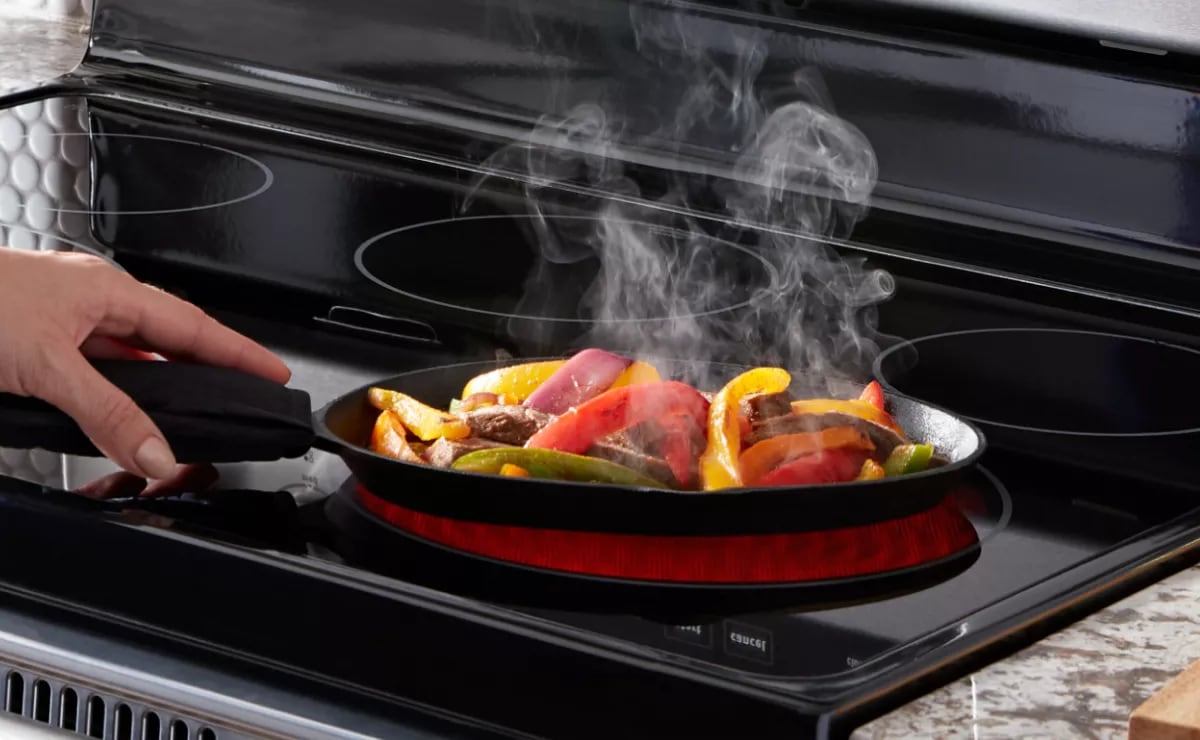
Cast iron pans heat up very evenly on induction cooktops, making them great for searing, frying, and slow cooking. However, because cast iron is heavy and rough on the bottom, it can sometimes scratch the smooth glass surface of induction cooktops if you’re not careful.
To protect your cooktop, try lifting the pan instead of sliding it. Also, be aware that cast iron retains heat longer, so you may need to adjust your cooking temperature to avoid burning food.
Have you noticed your cast iron skillet heating faster or differently on induction? Paying attention to these details can help you get the best results every time you cook.
Benefits Of Using Cast Iron On Induction
Cast iron works very well on induction cooktops. It offers many benefits that improve cooking. The heavy material heats evenly and holds heat for a long time. This makes cooking easier and tastier.
Using cast iron on induction also means you get a pan that lasts for years. It is strong and resists damage. The benefits go beyond just cooking quality. They affect your kitchen tools and daily cooking routine.
Heat Retention And Distribution
Cast iron heats up slowly but stays hot longer. This even heat helps cook food without hot spots. It keeps the temperature steady during cooking. Your food cooks more evenly and tastes better.
On an induction cooktop, cast iron works efficiently. The magnetic field heats the pan directly. This reduces energy waste and speeds up heating time. You get better heat control for delicate cooking.
Durability And Longevity
Cast iron is very strong and lasts many years. It can handle high heat and rough use. No easy scratches or dents. With proper care, it can be a kitchen tool for life.
This durability means less need to replace pans. Saves money over time. Cast iron also becomes better with use. It builds a natural non-stick surface that improves cooking quality.
Credit: www.maytag.com
Potential Drawbacks And Precautions
Using cast iron on an induction cooktop can be a great choice, but it comes with certain drawbacks and precautions you should keep in mind. These issues can affect both the cooktop’s performance and the longevity of your cookware. Being aware of these factors helps you use your cast iron safely and effectively.
Scratching The Cooktop Surface
Cast iron pans have rough, often uneven bottoms that can scratch the smooth glass surface of your induction cooktop. Moving the pan around while cooking or placing it down too hard can leave marks or even damage the surface.
To protect your cooktop, always lift the pan instead of sliding it. Consider using a silicone mat or a protective pad under the pan when you’re not actively cooking. Have you noticed any scratches on your cooktop already? Taking small steps can prevent costly repairs.
Weight And Handling Challenges
Cast iron cookware is heavy, and this weight can be a challenge, especially on delicate induction cooktops. Lifting and maneuvering these pans requires care to avoid dropping or damaging the cooktop.
When you’re cooking with cast iron, make sure your hands are dry and you have a firm grip. If you have mobility issues or weak wrists, try smaller or thinner cast iron pans to reduce the risk of accidents. How comfortable do you feel handling heavy cookware around your cooktop?
Tips For Using Cast Iron On Induction
Using cast iron on an induction cooktop can be a great combination, offering excellent heat retention and even cooking. However, to make the most of this pairing, you need to follow some smart tips that protect both your cookware and your cooktop. These tips will help you keep your cast iron in top shape and prevent damage to your induction surface.
Proper Cleaning And Maintenance
Cleaning cast iron after cooking is crucial. Avoid using soap or harsh detergents; instead, rinse with warm water and scrub gently with a brush or sponge.
Dry your pan completely to prevent rust. A quick wipe with a little oil after drying can help maintain its seasoning and keep it ready for the next use.
Have you noticed how water spots or leftover food can affect your pan’s performance? Keeping it clean ensures consistent heat distribution every time.
Avoiding Damage To Cooktop
Cast iron pans are heavy and can scratch the smooth surface of your induction cooktop if not handled carefully. Always lift the pan instead of sliding it across the glass.
Check the bottom of your cast iron before cooking. Rough or rusty surfaces can cause scratches, so a quick sanding or cleaning might be necessary.
Using a silicone or fabric mat under the pan can add extra protection. Have you ever found a scratch on your cooktop and wondered how it happened? These small steps can prevent that.
Seasoning And Care Of Cast Iron
Seasoning your cast iron regularly keeps it non-stick and rust-free. After cleaning, apply a thin layer of vegetable oil and heat the pan on the induction cooktop for a few minutes.
Remember, high heat can damage seasoning, so avoid overheating your pan. Instead, heat gradually and maintain medium temperatures for best results.
Do you struggle with food sticking or rust on your cast iron? Consistent seasoning and gentle care will solve those common issues and improve your cooking experience.
Alternative Cookware Options For Induction
If your cast iron isn’t working well on your induction cooktop, don’t worry—there are plenty of other cookware options that perform great. Induction cooking needs pots and pans with magnetic bottoms to generate heat efficiently. Luckily, you have choices that can match your cooking style and still work perfectly on induction surfaces.
Stainless Steel Choices
Stainless steel cookware often works well on induction cooktops if it has a magnetic base. Look for labels that say “induction compatible” or test your pan with a magnet—if it sticks, it will heat up on induction.
High-quality stainless steel pans often come with a layered base, combining aluminum or copper cores with magnetic stainless steel. This design spreads heat evenly and helps avoid hot spots. Have you noticed how uneven heating can ruin a meal? A good stainless steel pan can solve that problem.
Enamel Cast Iron
Enamel cast iron combines the heat retention of cast iron with a smooth, easy-to-clean surface. It works well on induction because the base is still magnetic cast iron underneath the enamel coating.
Plus, enamel cast iron doesn’t require seasoning like traditional cast iron, which is a bonus if you want low-maintenance cookware. If you’ve ever struggled with rusty or sticky cast iron, this might be the upgrade you need.
Other Magnetic Materials
Besides stainless steel and cast iron, some other materials can work on induction if they contain magnetic metals. For example:
- Carbon steel pans, which are lighter than cast iron but heat quickly and hold heat well.
- Some cookware with a magnetic stainless steel base bonded to aluminum or copper for better heat conduction.
- Special induction-compatible non-stick pans that use a magnetic layer in the base.
Choosing the right magnetic cookware can save you time and improve your cooking results. Are you ready to test your current pans with a magnet and see what fits your induction setup?
Frequently Asked Questions
Can Cast Iron Cookware Work On Induction Cooktops?
Yes, cast iron is fully compatible with induction cooktops. Its magnetic properties allow it to heat efficiently and evenly on these cooktops.
Does Cast Iron Damage Induction Cooktop Surfaces?
No, cast iron does not damage induction cooktops. However, it is heavy and rough, so handle it carefully to avoid scratches.
How To Use Cast Iron On An Induction Stove Safely?
Preheat cast iron gradually to avoid thermal shock. Avoid sliding it on the cooktop to prevent surface damage.
Why Is Cast Iron Ideal For Induction Cooking?
Cast iron’s magnetic nature makes it perfect for induction. It retains heat well, providing consistent cooking temperatures.
Conclusion
Cast iron works well on induction cooktops. It heats evenly and holds temperature for cooking. Make sure the bottom is flat for good contact. Avoid sliding the pan to protect the cooktop surface. Cast iron may take longer to heat but cooks food thoroughly.
With simple care, it lasts for many years. Using cast iron on induction gives you great cooking results. It suits many recipes and styles. Choose cast iron confidently for your induction kitchen.