Are you wondering if garden soil is the right choice for your raised beds? It’s a common question that can make or break your gardening success.
Using the wrong soil can stunt your plants, waste your time, and leave you frustrated. But what if the soil you already have in your garden is perfect for your raised beds? You’ll discover the truth about garden soil, learn what works best, and get simple tips to make your raised beds thrive.
Keep reading to unlock the secrets to a healthier, more productive garden!
Why Garden Soil Might Not Be Ideal
Using garden soil in raised beds may seem like a good idea. It is natural and easy to find. Still, garden soil is not always the best choice for raised beds.
Raised beds need soil that drains well and stays loose. Garden soil can cause problems that hurt plant growth.
Soil Composition Concerns
Garden soil often contains heavy clay or dense materials. These can make the soil hard and compact. Plants find it hard to grow roots in compact soil. It also limits air and water flow.
- Clay can hold too much water, causing root rot.
- Heavy soil can be hard to dig and work with.
- Soil may lack organic matter that plants need.
Drainage Challenges
Good drainage is key for raised beds. Garden soil often drains poorly. Water can stay trapped and drown plant roots.
| Drainage Problem | Effect on Plants |
| Poor drainage | Root rot and fungal diseases |
| Water pooling | Oxygen shortage for roots |
| Heavy soil | Slow water movement and compaction |
Potential Contaminants
Garden soil may contain harmful chemicals or pests. This can come from nearby areas or past use. Raised beds need clean soil to protect plants and people.
Common contaminants in garden soil include:
- Herbicide residues that block plant growth
- Weed seeds that compete with crops
- Pathogens that cause plant diseases
- Heavy metals from polluted soil
Benefits Of Raised Bed Soil Mixes
Using the right soil mix in raised beds helps plants grow better. Garden soil alone may not offer the best conditions.
Raised bed soil mixes give plants the water, air, and nutrients they need. This improves plant health and yield.
Improved Drainage And Aeration
Raised bed soil mixes drain water well. This stops roots from staying too wet and rotting.
Good soil mixes also let air reach plant roots. Roots need oxygen to grow strong and healthy.
- Prevents waterlogging
- Allows air to reach roots
- Supports healthy root growth
Nutrient-rich Ingredients
Soil mixes for raised beds often include compost and organic matter. These add important nutrients for plants.
Garden soil alone may lack enough nutrients. A good mix helps plants get the food they need to grow well.
- Includes compost or aged manure
- Contains minerals for plant health
- Feeds plants for longer periods
Customizable Soil Blends
You can change soil mixes to fit different plants. Some need sandy soil, while others need more clay or organic matter.
Mixing your own soil lets you control texture, drainage, and nutrients. This helps plants grow in their best environment.
- Adjust texture for plant type
- Add specific nutrients as needed
- Create soil suited for vegetables or flowers
How To Test Garden Soil For Raised Beds
Garden soil is different from potting soil. It may not always be suitable for raised beds. Testing is important to ensure it supports plant growth.
Testing soil involves checking texture, pH levels, and for pests. This helps in making necessary adjustments for healthy plants.
Soil Texture And Structure
Soil texture affects drainage and root growth. Good texture means better plant health. Sandy soil drains fast, while clay holds water.
To test, take a handful of soil. Wet it and form a ball. If it crumbles, it’s sandy. If it stays together, it’s clayey.
- Sandy soil: Add compost to improve texture.
- Clay soil: Mix in sand or peat for better drainage.
- Loamy soil: Ideal for most plants.
Ph Level Testing
pH level shows if the soil is acidic or alkaline. Most plants prefer a pH between 6 and 7. Testing kits are easy to use.
Collect soil samples from different spots. Mix them and follow the kit instructions. Adjust pH by adding lime for acidity or sulfur for alkalinity.
| pH Level | Action Needed |
| Below 6 | Add lime |
| Above 7 | Add sulfur |
Checking For Pests And Diseases
Pests and diseases can harm plants. Check soil for insects and fungi. Look for visible signs like holes or mold.
If pests are found, remove them by hand or use natural remedies. For diseases, consider rotating crops or using disease-resistant plants.
- Inspect soil regularly for unusual signs.
- Use organic pest control methods when possible.
- Plant disease-resistant varieties for better outcomes.
Amending Garden Soil For Raised Beds
Using garden soil for raised beds needs some changes. Good soil helps plants grow strong and healthy. You must improve garden soil before filling raised beds.
Amending soil means adding things to make it better. This guide covers adding organic matter, mixing sand or compost, and changing soil pH.
Adding Organic Matter
Organic matter improves soil texture and water holding. It also feeds helpful microbes and plants. Common organic materials include leaves, grass clippings, and manure.
- Use compost to add nutrients and improve soil structure.
- Mix shredded leaves to increase air spaces in soil.
- Add well-rotted manure for nitrogen and minerals.
- Include peat moss or coconut coir for moisture retention.
Incorporating Sand Or Compost
Garden soil can be heavy and drain poorly. Adding sand helps soil drain better. Compost adds nutrients and improves soil life. Mixing both can balance soil texture.
| Material | Purpose | Amount to Add |
| Coarse Sand | Improves drainage | 20-30% of soil volume |
| Compost | Boosts nutrients and microbes | 30-40% of soil volume |
| Garden Soil | Base soil | 30-50% of soil volume |
Adjusting Ph Levels
Soil pH affects nutrient availability for plants. Most vegetables grow best in pH 6.0 to 7.0. Test your soil pH before planting. Use lime to raise pH or sulfur to lower it.
- Apply lime to raise pH if soil is too acidic.
- Add sulfur or peat moss to lower pH if soil is too alkaline.
- Retest pH after a few weeks to check changes.
- Adjust slowly to avoid shocking plants.
Best Practices For Filling Raised Beds
Filling raised beds correctly helps plants grow strong. Using the right soil and techniques improves drainage and nutrition. This guide covers good methods for filling raised beds.
Follow these steps to build a healthy base for your garden. Proper layering, avoiding soil problems, and watering will help your plants thrive.
Layering Soil And Amendments
Start with a layer of coarse material like small branches or straw to improve drainage. Then add a mix of garden soil, compost, and other organic matter. This mix feeds plants and keeps the soil loose.
- Bottom layer: twigs, straw, or wood chips
- Middle layer: garden soil mixed with compost
- Top layer: fine soil or potting mix for planting
- Add natural fertilizers like bone meal or worm castings
Avoiding Soil Compaction
Soil compaction stops roots from growing well. Avoid stepping inside the raised bed after filling it. Use light tools to mix soil without pressing it down too hard. Loose soil holds air and water better.
| Common Cause | Effect | How to Avoid |
| Stepping on soil | Soil becomes dense | Walk on paths outside beds |
| Heavy tools | Compress soil layers | Use hand tools gently |
| Wet soil working | Soil sticks and compacts | Work when soil is dry |
Watering And Settling Techniques
Water helps soil settle and removes air pockets. Water the bed slowly after filling it. Let the soil settle for a few days. Then add more soil if needed. Avoid flooding to keep soil structure intact.
- Water the bed evenly but gently
- Wait 2 to 3 days for soil to settle
- Check if soil level dropped
- Add more soil to fill low spots
- Repeat watering if needed

Credit: www.thunderbirddisco.com
Common Mistakes To Avoid
Using garden soil for raised beds may seem easy. Many gardeners make mistakes that harm their plants. Avoid these common errors to grow better vegetables and flowers.
Knowing what not to do saves time and effort. Learn about three main mistakes that can hurt your raised bed garden.
Using Untested Soil
Garden soil can contain pests, diseases, or poor nutrients. Using it without testing may cause plant problems. Always check soil before adding it to raised beds.
- Test for soil pH and nutrient levels.
- Check for weed seeds or insect larvae.
- Avoid soil from areas with chemicals or heavy metals.
- Consider sterilizing soil to kill harmful organisms.
Overlooking Drainage Needs
Poor drainage can drown roots and kill plants. Garden soil may be too dense or clay-like for raised beds. Make sure water drains well to keep roots healthy.
| Soil Type | Drainage Quality | Effect on Raised Beds |
|---|---|---|
| Sandy Soil | Good | Drains quickly, may need more water |
| Clay Soil | Poor | Holds water, risks root rot |
| Loamy Soil | Ideal | Balances water retention and drainage |
Ignoring Soil Renewal
Soil in raised beds loses nutrients over time. Garden soil may not recover quickly without care. Renew soil regularly to keep plants strong.
- Add compost or organic matter each season.
- Rotate crops to reduce pest buildup.
- Use natural fertilizers to restore nutrients.
- Check soil texture and structure yearly.
Alternative Soil Options For Raised Beds
Choosing the right soil for raised beds is important for plant health. Garden soil may not always work well in raised beds. There are other soil options that suit raised beds better.
This guide explores different soil choices for raised beds. You will learn about commercial mixes, compost and topsoil, and making your own soil blend.
Buying Commercial Raised Bed Mixes
Commercial mixes are ready to use and designed for raised beds. They often contain a mix of peat moss, compost, and vermiculite.
- Easy to use with no mixing needed
- Lightweight and drains well
- Usually free of weeds and pests
- Can be more expensive than other options
Using Compost And Topsoil
Compost and topsoil can improve soil quality in raised beds. Compost adds nutrients and improves structure. Topsoil provides bulk and minerals.
| Material | Benefits | Considerations |
| Compost | Rich in nutrients, improves water retention | Must be fully decomposed and weed-free |
| Topsoil | Provides minerals, adds weight | Check for contamination and texture |
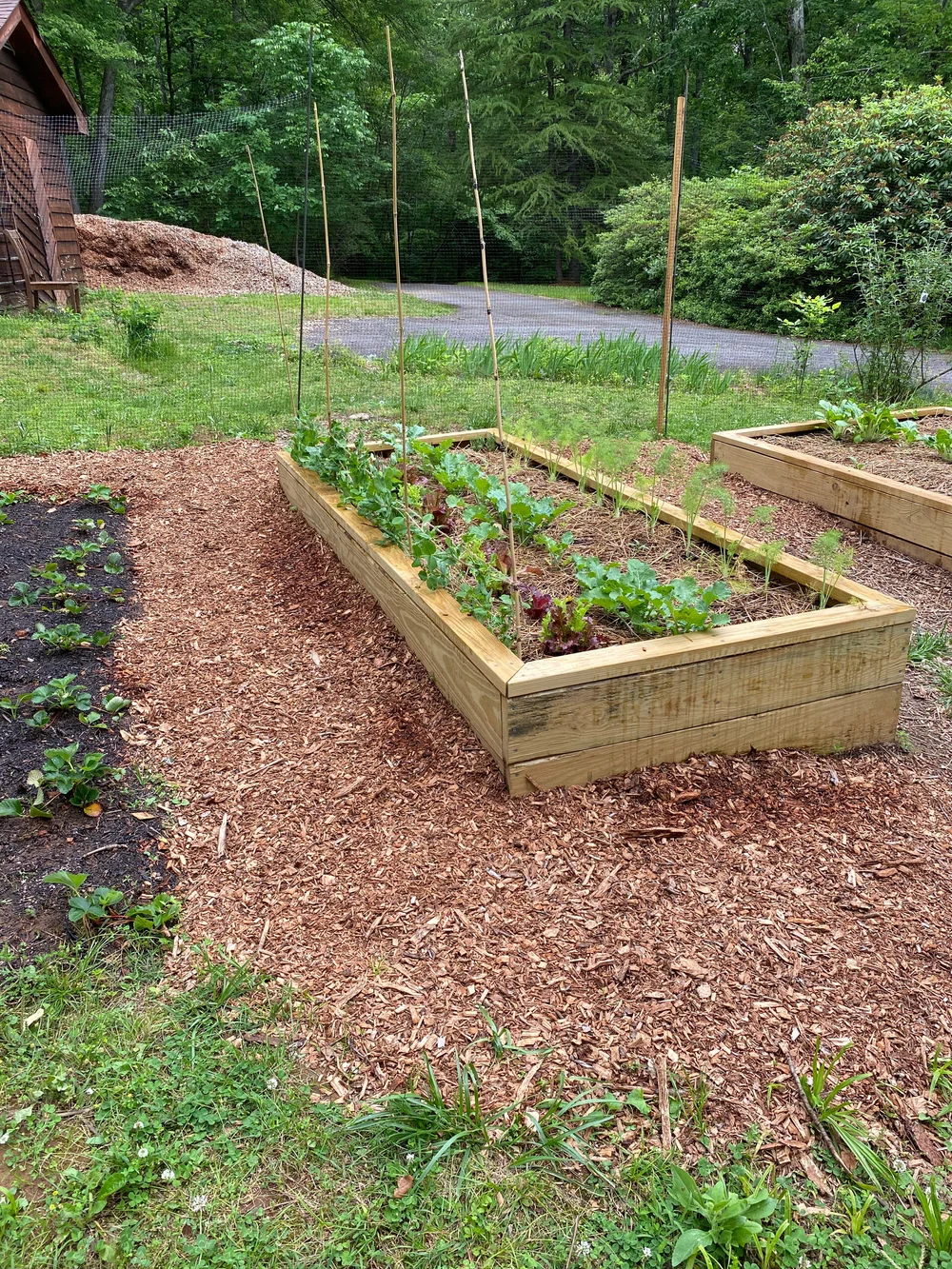
Creating Your Own Soil Blend
Mixing your own soil allows control over ingredients. A good blend balances drainage, nutrients, and moisture.
Try this simple soil mix recipe for raised beds:
- 40% compost
- 30% topsoil
- 20% coconut coir or peat moss
- 10% perlite or vermiculite
This mix supports healthy root growth and retains moisture well.
Credit: www.thunderbirddisco.com

Credit: littlehouseonlaurel.com
Frequently Asked Questions
Can I Directly Use Garden Soil In Raised Beds?
Garden soil often lacks proper drainage and nutrients for raised beds. It’s best to mix garden soil with compost and other organic matter. This improves soil structure and fertility, promoting healthy plant growth in raised beds.
Is Garden Soil Suitable For Vegetable Raised Beds?
Garden soil alone may contain weeds and pathogens harmful to vegetables. For raised vegetable beds, mix garden soil with high-quality compost and well-draining materials to create a safe and fertile growing environment.
How To Improve Garden Soil For Raised Beds?
Enhance garden soil by adding compost, peat moss, and vermiculite. These amendments improve moisture retention, aeration, and nutrient content. Regularly testing soil pH also helps maintain optimal conditions for raised bed plants.
Why Avoid Using Only Garden Soil In Raised Beds?
Using only garden soil can cause poor drainage and compaction. This limits root growth and increases disease risk. Combining garden soil with organic matter ensures better aeration and nutrient balance for raised bed plants.
Conclusion
Garden soil can work for raised beds, but it needs care. Good drainage and nutrient balance matter a lot. Mixing soil with compost helps plants grow strong. Avoid heavy clay or sandy soil alone. Regularly check soil health and add organic matter.
Healthy soil means healthier plants and better harvests. Raised beds give you control over soil quality. Choose soil carefully to enjoy a thriving garden. Simple steps make gardening easier and more fun. Start with good soil, and your plants will thank you.