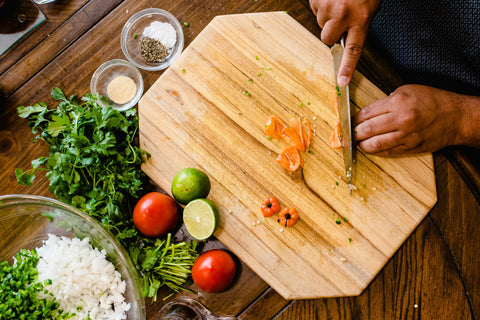
Are you wondering if olive oil is a good choice to care for your wooden cutting board? You’re not alone.
Many people want to keep their boards looking fresh and lasting longer but aren’t sure which oils are safe to use. Using the wrong oil can leave your board sticky or even cause it to spoil faster. You’ll discover whether olive oil can protect and nourish your wooden cutting board or if you should reach for something else.
Keep reading to find out how to keep your board in perfect shape for every meal you prepare.

Credit: www.oliviko.com
Why Oil Wooden Cutting Boards
Wooden cutting boards need care to last long. Oiling helps keep the wood strong and healthy.
Oiling stops the wood from drying out and cracking. It also makes the board easier to clean.
Benefits Of Oiling
Oiling wooden cutting boards gives many benefits. It keeps the wood looking new and fresh.
It also helps prevent stains from food and water. The board stays smooth and safe to use.
- Prevents drying and cracking
- Protects against stains and odors
- Keeps the surface smooth
- Makes cleaning easier
- Extends the life of the board
How Oil Protects Wood
Oil sinks into the wood and fills tiny holes. This stops water and dirt from getting in.
The oil creates a barrier that keeps the wood soft and strong. It also stops bacteria from growing.
- Seals the wood pores
- Prevents water absorption
- Stops wood from drying out
- Blocks bacteria and germs
Olive Oil Properties
Olive oil is a natural oil extracted from olives. It has many uses in kitchens worldwide. Knowing its properties helps decide if it suits wooden cutting boards.
This article explains olive oil’s makeup and how long it lasts. It also covers common cooking uses.
Composition And Shelf Life
Olive oil mainly contains healthy fats, mostly monounsaturated fat. It also has small amounts of saturated and polyunsaturated fats. The oil includes antioxidants and vitamins like vitamin E.
| Component | Approximate Amount |
| Monounsaturated Fat | 70-80% |
| Polyunsaturated Fat | 5-15% |
| Saturated Fat | 10-15% |
| Vitamin E | Variable |
| Antioxidants | Present |
Olive oil has a shelf life of about 18 to 24 months. It should be stored in a cool, dark place. Exposure to heat, light, or air can make it spoil faster.
Common Uses In Cooking
Olive oil is popular for many cooking methods. It adds flavor and can improve the texture of foods.
- Sautéing vegetables and meats
- Dressing salads and marinades
- Baking breads and cakes
- Drizzling over finished dishes
- Making sauces and dips
Its smoke point is moderate, so it suits low to medium heat cooking.
Risks Of Using Olive Oil
Olive oil is common in kitchens. Some people use it on wooden cutting boards. It seems like a good way to protect the wood. Still, using olive oil can cause problems.
This guide explains the main risks of using olive oil on wooden cutting boards. Knowing these helps keep your board safe and clean.
Rancidity And Odor Issues
Olive oil can turn rancid over time. This means it breaks down and smells bad. Rancid oil can make your cutting board smell unpleasant. It can also affect the taste of food cut on the board.
- Olive oil has unsaturated fats that spoil easily.
- Rancid oil creates a strong, sour smell.
- The smell can soak into the wood.
- Bad odor makes the board less enjoyable to use.
- Rancidity may attract bacteria or mold.
Potential Damage To Wood
Olive oil is not ideal for protecting wood. It can cause damage over time. The oil may not dry or harden well. This leaves the wood sticky or soft.
| Issue | Effect on Wood | Result |
|---|---|---|
| Oil Soaking | Penetrates wood deeply | Wood becomes soft and weak |
| Sticky Surface | Oil does not fully absorb | Attracts dirt and grime |
| Surface Darkening | Oil changes wood color | Board looks old or stained |
| Uneven Protection | Oil pools in spots | Wood wears unevenly |
| Mold Growth | Oil traps moisture | Leads to mold or mildew |

Credit: www.oliviko.com
Best Oils For Cutting Boards
Oiling your wooden cutting board keeps it strong and safe. It stops wood from drying out and cracking.
Not all oils work well for cutting boards. Some can go bad or make the wood sticky.
Mineral Oil Advantages
Mineral oil is a popular choice for wooden cutting boards. It is safe and does not go rancid.
- Food-grade mineral oil is colorless and odorless.
- It soaks into the wood and protects it from moisture.
- Mineral oil is easy to find and affordable.
- It does not attract dust or dirt.
Other Food-safe Oils
Besides mineral oil, some natural oils are good for cutting boards. These oils dry well and keep the wood healthy.
| Oil Type | Benefits | Notes |
| Coconut Oil | Antibacterial and smells nice | Use refined to avoid stickiness |
| Walnut Oil | Dries hard and protects wood | May cause nut allergies |
| Beeswax Blend | Seals wood and adds shine | Often mixed with mineral oil |
| Pure Tung Oil | Water-resistant and durable | Needs time to cure fully |
How To Properly Oil A Cutting Board
Oiling a wooden cutting board keeps it strong and prevents cracks. It also stops the wood from soaking up water and stains.
Olive oil is a common choice, but using the right method is key to protect your board well.
Preparation Steps
Start by cleaning your cutting board thoroughly. Remove all food particles and dry it completely before oiling.
- Wash with warm, soapy water.
- Rinse and dry with a clean towel.
- Let it air dry fully to avoid trapping moisture.
- Sand the surface lightly if it feels rough or has stains.
Application Techniques
Apply olive oil evenly to the board using a soft cloth or paper towel. Use just enough oil to coat the surface without soaking it.
- Pour a small amount of olive oil onto the board.
- Rub the oil in circular motions to cover all areas.
- Pay attention to edges and any cracks.
- Let the oil soak in for at least a few hours or overnight.
- Wipe off any excess oil before use.
Frequency Recommendations
| Condition | Oiling Frequency |
| New or dry board | Once a week for the first month |
| Regular use | Once every 2 to 4 weeks |
| Light use or stored board | Once every 1 to 2 months |
Keep an eye on your board’s surface. If it looks dry or dull, add oil even if it is not time yet.

Credit: www.freepik.com
Maintaining Your Wooden Board
Wooden cutting boards need care to last long and stay safe. Using the right oil helps keep the wood strong and smooth.
Olive oil is often asked about for treating wooden boards. It can work, but there are better options for maintenance.
Cleaning Tips
Clean your wooden board right after use to stop stains and smells. Use warm water and mild soap. Avoid soaking the board in water.
- Wash with warm, soapy water
- Rinse quickly and dry with a towel
- Air dry standing up to avoid moisture build-up
- Disinfect with vinegar or lemon juice if needed
Avoiding Common Mistakes
Do not use olive oil often on wooden boards. It can go rancid and cause bad smells. Instead, use mineral oil made for wood.
| Mistake | Effect |
| Using olive oil | Rancid smell and sticky surface |
| Soaking in water | Wood warps and cracks |
| Not drying well | Mold growth and stains |
| Using harsh soaps | Strips natural oils from wood |
Frequently Asked Questions
Is Olive Oil Safe For Wooden Cutting Boards?
Yes, olive oil is safe for wooden cutting boards. It acts as a natural moisturizer. Olive oil prevents the wood from drying out and cracking. Ensure to apply a thin layer and wipe off excess. Regular maintenance can prolong the board’s life and keep it looking fresh.
How Often Should I Oil My Cutting Board?
Oil your cutting board every 3-4 weeks. This frequency keeps the wood conditioned and prevents warping. If the board feels dry, apply oil sooner. Regular oiling helps maintain its appearance and functionality. Always clean and dry the board before applying oil.
Does Olive Oil Prevent Bacteria On Cutting Boards?
Olive oil does not kill bacteria, but it creates a protective barrier. This barrier reduces moisture absorption. While it helps, regular cleaning is crucial for hygiene. Use hot water and mild soap after each use. Ensure the board is thoroughly dried to prevent bacterial growth.
Can Olive Oil Cause Wood To Become Sticky?
Yes, if applied excessively, olive oil can make the board sticky. Use a small amount and spread evenly. Wipe off any excess to avoid build-up. Regular cleaning and proper oiling prevent stickiness. If the board becomes sticky, wash it thoroughly and reapply a smaller amount of oil.
Conclusion
Using olive oil on a wooden cutting board is not the best choice. Olive oil can go rancid and smell bad over time. It may also leave a sticky surface that attracts dirt. Instead, choose mineral oil or special cutting board oils.
These keep the wood safe and clean longer. Regular care helps your board last for years. Clean and dry your board well before oiling. This simple routine keeps your cutting board in great shape. Protect your kitchen tools with the right oil.
Your wooden board will thank you.