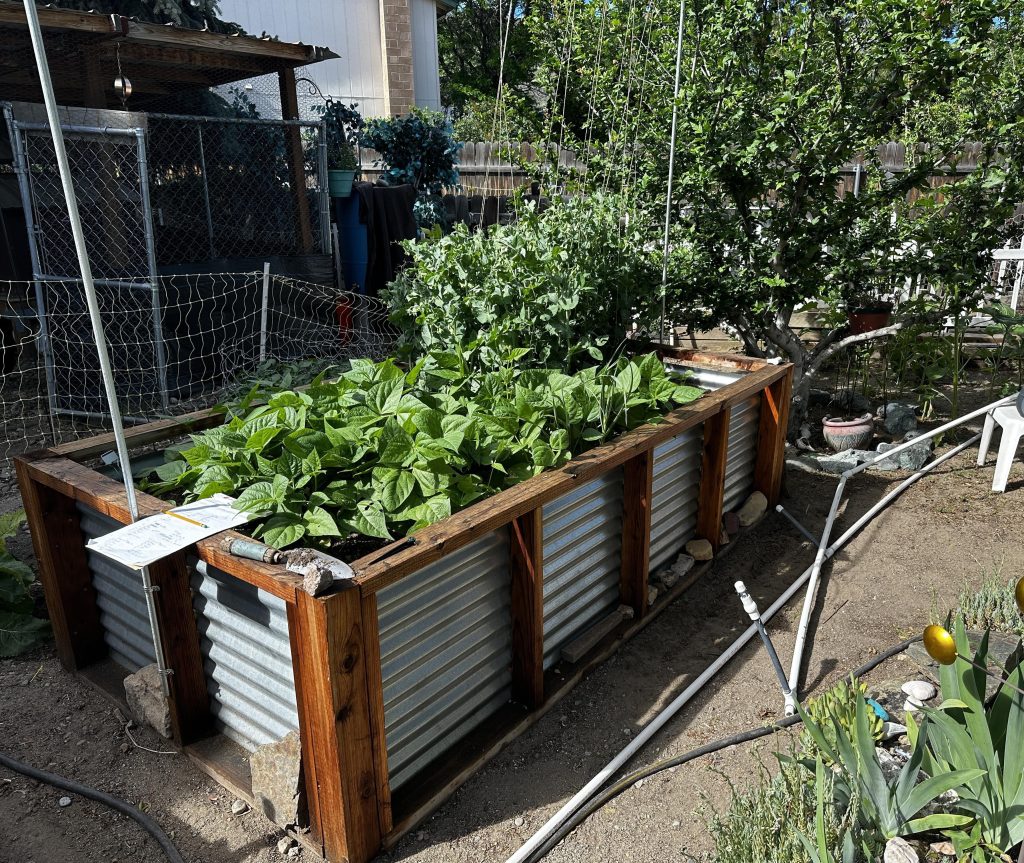
Are you thinking about building raised garden beds but unsure if pressure treated wood is a safe choice? You want your garden to thrive, but you also want to avoid harmful chemicals leaching into your soil.
Choosing the right materials can feel confusing, and you don’t want to make a mistake that could affect your plants or your family’s health. This article will clear up the mystery and give you the facts you need to decide if pressure treated wood is the right option for your raised garden beds.
Keep reading to protect your garden and grow with confidence!
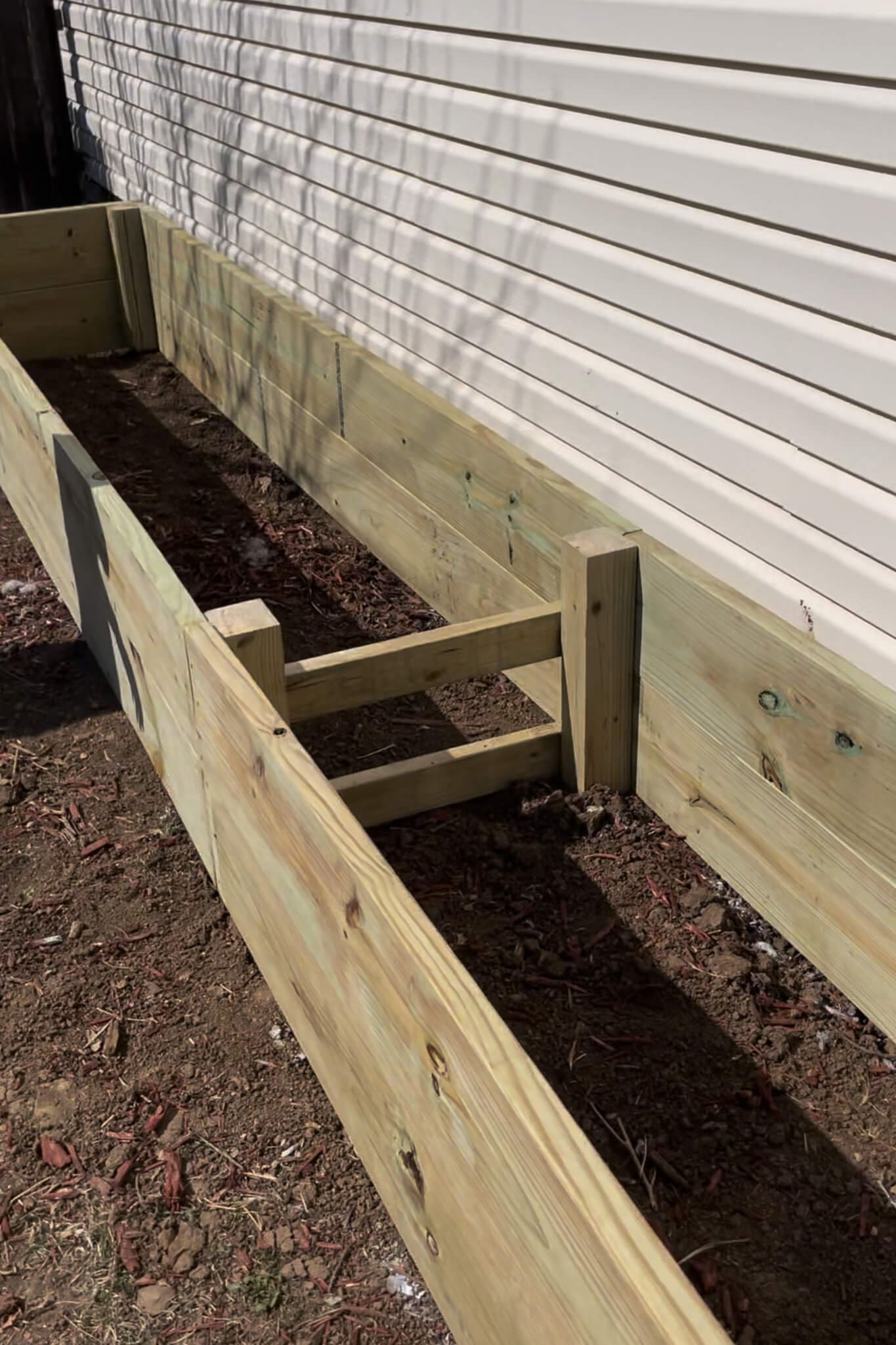
Credit: crystelmontenegrohome.com
Pressure Treated Wood Basics
Pressure treated wood is wood that has been protected with chemicals. These chemicals help the wood resist rot, insects, and decay. This makes it popular for outdoor projects like raised garden beds.
Using pressure treated wood for garden beds can be safe if you know the types of wood and chemicals used. This helps protect your plants and soil.
Types Of Pressure Treated Wood
There are different types of pressure treated wood. Each type uses a different chemical process to protect the wood. Choosing the right type depends on your project and safety needs.
- Southern Yellow Pine:Common and affordable, used in many outdoor projects.
- Douglas Fir:Strong and durable, good for heavy-duty construction.
- Cedar and Redwood:Naturally resistant to rot but can also be pressure treated for extra protection.
- Hem-Fir:Used less often, but treated to resist decay and insects.
Chemical Treatments Used
Chemicals protect wood by stopping fungi and bugs. Different chemicals have been used over the years, some safer than others. Knowing these chemicals helps you decide if the wood is safe for your garden.
| Chemical | Description | Use Safety |
| Chromated Copper Arsenate (CCA) | Old type, contains arsenic and chromium. | Not recommended for food gardens. |
| Alkaline Copper Quaternary (ACQ) | Contains copper and safer chemicals. | Generally safe but may leach copper. |
| Copper Azole (CA) | Uses copper and an azole compound. | Safer alternative for garden use. |
| Micronized Copper Azole (MCA) | Uses tiny copper particles for protection. | Low risk, good for raised beds. |

Credit: www.reddit.com
Safety Concerns In Gardens
Using pressure treated wood in raised garden beds raises safety questions. It is important to know the risks before planting food near this wood.
This type of wood is treated with chemicals to stop rot and insects. These chemicals might affect the soil and plants.
Potential Chemical Leaching
Chemicals in pressure treated wood can leak into the soil. Rain and watering can cause these chemicals to wash out from the wood.
- Arsenic and copper were once common in wood treatments.
- Newer woods use safer chemicals but small amounts may still leach.
- Chemicals can stay in the soil for a long time.
- Leached chemicals may enter plants grown close to the wood.
Impact On Soil And Plants
| Effect | Description |
| Soil Contamination | Chemicals change soil quality and harm beneficial microbes. |
| Plant Absorption | Plants may absorb chemicals, affecting growth and safety. |
| Crop Safety | Vegetables grown near treated wood might contain harmful residues. |
| Long-Term Effects | Repeated use can increase chemical buildup in soil over years. |
Regulations And Standards
Using pressure treated wood in raised garden beds raises questions about safety and standards. Understanding regulations helps ensure the right materials are used.
Recent guidelines and changes can impact decisions for garden projects. Let’s explore key points from EPA guidelines and recent changes in wood treatments.
Epa Guidelines
The EPA provides guidance on the use of pressure treated wood. These guidelines focus on reducing chemical exposure to humans and the environment.
- Use wood labeled for residential use
- Avoid using treated wood in direct contact with food
- Follow disposal instructions for treated wood
Recent Changes In Wood Treatments
Wood treatments have changed to be more eco-friendly. New treatments aim to reduce harmful chemicals while maintaining wood durability.
| Treatment Type | Main Ingredient |
| ACQ | Copper |
| CA-B | Copper and Boron |
| MCQ | Micronized Copper |
Alternatives To Pressure Treated Wood
Pressure treated wood is common for raised garden beds. Some people worry about chemicals in it. There are safer options to build garden beds.
This guide looks at natural woods and other materials. These choices last long and keep your garden safe.
Naturally Rot-resistant Woods
Certain woods resist rot without chemicals. These woods last long in moist soil. They are a good choice for garden beds.
Examples include cedar, redwood, and black locust. These woods stay strong for years. They do not need extra treatment.
- Cedar:Light, smells good, resists bugs and rot.
- Redwood:Durable and naturally repels insects.
- Black Locust:Very hard and long-lasting wood.
Composite And Recycled Materials
Composite wood is made from wood fibers and plastic. It looks like wood but lasts longer. It does not rot or attract insects.
Recycled plastic lumber is another option. It uses old plastics to create strong boards. These boards do not decay and need little care.
- Composite wood resists weather and insects.
- Recycled plastic lumber is eco-friendly and durable.
- Both materials do not need chemicals or paint.
Best Practices For Using Treated Wood
Pressure treated wood is common for raised garden beds. It resists rot and insects. Many gardeners wonder if it is safe to use.
Using treated wood properly can keep your garden safe. Follow these best practices for long-lasting beds.
Sealing And Lining Options
Seal the wood to reduce chemical leaching. Use natural sealants that protect the wood and soil. This helps keep your plants healthy.
Another option is to line the inside of the bed. Use plastic or landscape fabric to create a barrier. This stops the soil from touching the wood directly.
- Use non-toxic wood sealers for safety
- Install thick plastic sheeting inside the bed
- Choose breathable landscape fabric to allow water flow
- Replace liners if damaged to maintain protection
Proper Construction Techniques
Build raised beds with good drainage to avoid wood rot. Raise the bed slightly off the ground if possible.
Use stainless steel or galvanized screws. These resist rust and hold the wood firmly. Avoid nails that can loosen over time.
- Drill pilot holes before screwing to prevent wood splitting
- Keep wood edges smooth to avoid damage
- Space boards evenly for stability
- Check corners for tight, secure joints
Expert Opinions And Research
Many gardeners wonder if pressure treated wood is safe for raised garden beds. This topic has various opinions. Experts and research help us understand the risks and benefits.
Pressure treated wood is popular because it resists rot and insects. But some worry chemicals might harm plants or soil.
Gardening Experts’ Views
Many gardening experts say that newer pressure treated wood is safer than older types. The new wood uses less harmful chemicals. Experts think it is okay if used properly.
Experts suggest lining the inside of the wood with plastic. This stops any chemicals from touching the soil. They also recommend not planting root vegetables near the wood.
- New pressure treated wood uses safer chemicals
- Plastic lining can protect soil and plants
- Avoid planting edible root vegetables near the wood
- Good air flow and drainage help reduce risk
Scientific Studies On Safety
Scientists studied chemical leaching from pressure treated wood. They found that newer wood types release very low chemical amounts. These amounts usually do not harm plants or soil.
Research shows that chemicals like copper and zinc are in the wood. These metals can be harmful in large amounts. But tests found they stay mostly in the wood and do not move much into soil.
- New wood releases very low chemical levels
- Copper and zinc stay mostly inside the wood
- Minimal chemical movement into garden soil
- Proper wood treatment reduces risks

Credit: www.addisonfarmssc.com
Frequently Asked Questions
Can Pressure Treated Wood Harm Garden Plants?
Pressure treated wood can leach chemicals, potentially harming plants. Modern treatments are safer, but avoid direct contact with edible plants. Use a protective barrier like plastic or landscape fabric to prevent contamination in raised beds.
Is Pressure Treated Wood Safe For Vegetable Gardens?
Newer pressure treated wood is generally safe for vegetable gardens. It uses less toxic preservatives like alkaline copper quat (ACQ). However, always line beds to avoid soil contact and reduce any risk of chemical transfer to vegetables.
How Long Does Pressure Treated Wood Last In Raised Beds?
Pressure treated wood lasts 15 to 20 years in raised beds. Its chemical treatment resists rot and insects effectively. Proper installation and maintenance can extend its lifespan significantly, making it a durable garden bed option.
Should I Seal Pressure Treated Wood For Garden Beds?
Sealing pressure treated wood is recommended to prevent chemical leaching. Use a non-toxic, water-based sealant to protect soil and plants. Sealing also extends wood life by reducing moisture absorption and decay.
Conclusion
Pressure treated wood can work for raised garden beds with care. Choose wood labeled safe for garden use. Avoid direct contact between soil and wood if possible. Use a plastic liner to protect plants and soil. Remember, wood may still release chemicals over time.
Regularly check for damage or wear. Consider other materials for organic gardening needs. Raised beds need good drainage and strong sides. This choice depends on your garden goals and budget. Keep safety and plant health as top priorities.