Have you ever found yourself staring at a trail of ants marching across your kitchen floor, wondering how to get rid of them quickly? You might have thought, “Can I vacuum ants?”
You’re not alone. Many people have faced this tiny invasion and pondered the same question. Before you reach for your vacuum cleaner, though, it’s important to know if this is the best solution. This article will guide you through the pros and cons of using a vacuum to tackle your ant problem.
By the end, you’ll be equipped with the knowledge to make an informed decision, ensuring your home stays ant-free and your cleaning methods are effective. Stay with us to discover the surprising truth about vacuuming ants and what it means for your home.
Credit: www.tomsguide.com
Why Vacuuming Ants Works
Vacuuming ants might seem like a simple trick, but it actually tackles the problem in multiple effective ways. Understanding why vacuuming ants works can help you decide if this method fits your pest control strategy. Let’s break down the key reasons vacuuming can help reduce ant problems in your home.
Removing Ants Physically
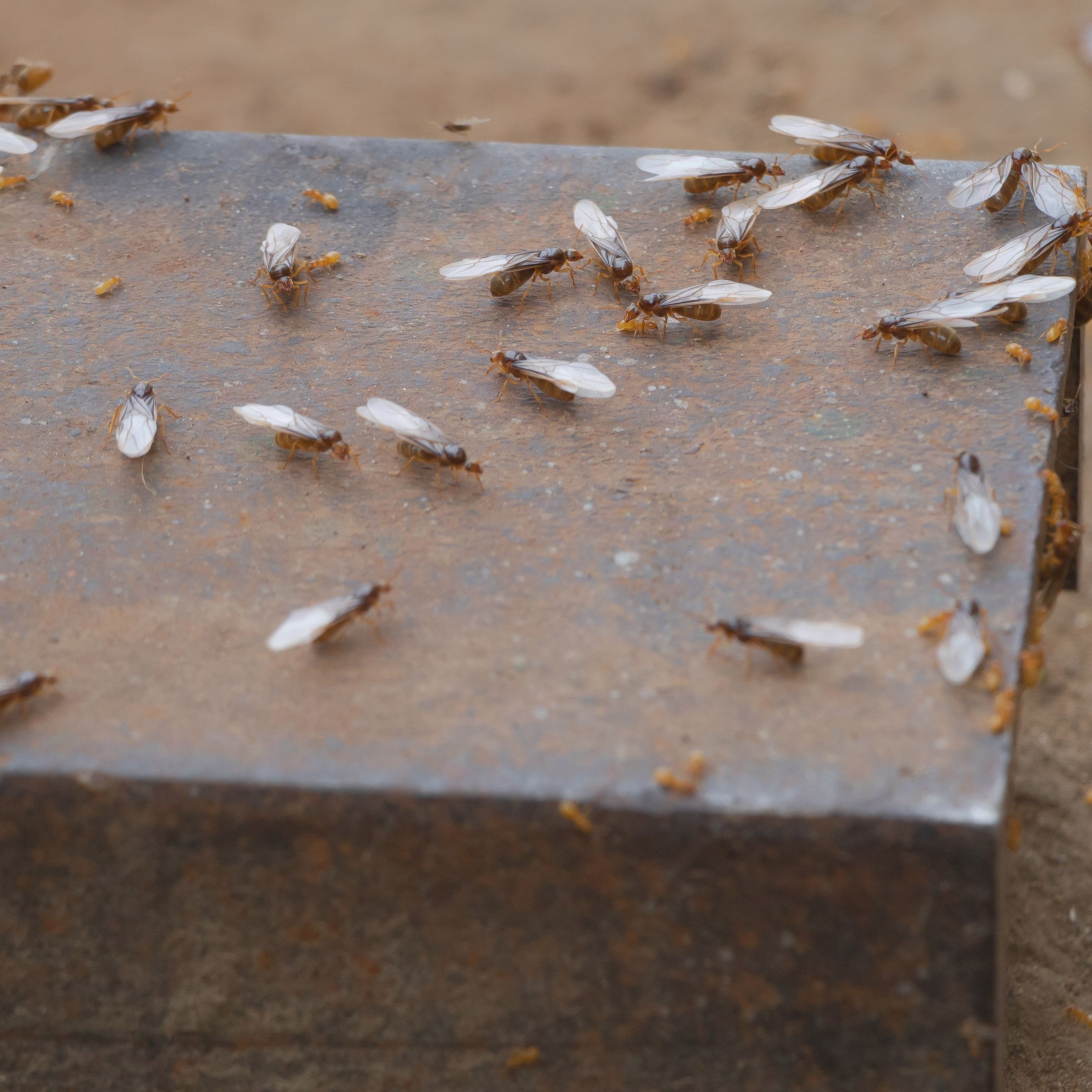
Vacuuming instantly removes ants from your living space. Instead of squashing them and leaving a mess, the vacuum traps ants in the dustbin or bag. This physical removal stops ants from wandering and breeding in your home.
Think about a time you spotted a trail of ants near your kitchen counter. Using a vacuum to suck them up can quickly clear out hundreds in just seconds. It’s a fast way to reduce their numbers without using harmful chemicals.
Reducing Ant Trails
Ants leave scent trails that help their colony find food sources. When you vacuum, you don’t just remove the ants — you also disrupt these trails. Without the scent markers, other ants may get lost and stop coming back to your home.
Have you noticed ants vanishing after you vacuum near their entry points? This happens because the vacuum wipes away the chemical signals they use to navigate. It’s a natural way to confuse them and reduce their presence over time.
Limitations Of Vacuuming
Vacuuming is effective, but it’s not a complete solution. It won’t remove hidden nests deep inside walls or underground. Also, if you don’t empty the vacuum right away, ants can escape and return.
Vacuuming works best as part of a bigger pest control plan. Combine it with cleaning, sealing entry points, and using bait traps for the best results. Have you tried vacuuming ants before? How did it work out in your situation?
Credit: www.greencare.com.sg
Best Vacuum Types For Ant Removal
Choosing the right vacuum can make a big difference when trying to get rid of ants. Not every vacuum is built to handle tiny, quick-moving pests effectively. Picking the best type helps you capture ants without spreading them around or damaging your vacuum.
Handheld Vacuums
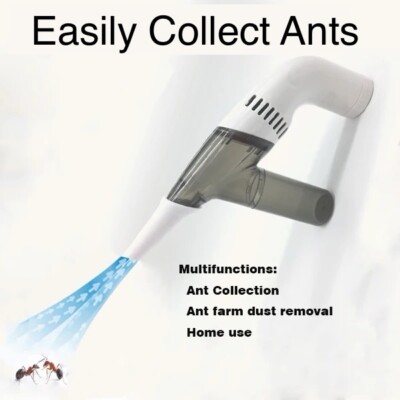
Handheld vacuums are perfect for quick spot cleaning. Their small size lets you target ants in tight corners, baseboards, and cracks. Plus, they are easy to maneuver, making it less likely you’ll miss any ants.
Since handheld vacuums usually have a smaller dustbin, empty it right after use to prevent ants from escaping back into your home. If you’ve ever tried using a big vacuum on a small ant trail, you know how frustrating it can be when they scatter everywhere. Handhelds give you better control.
Cordless Stick Vacuums
Cordless stick vacuums combine power and portability. Without a cord, you can move quickly around your home, chasing down ants wherever they appear. They often have strong suction and larger dust compartments compared to handhelds.
These vacuums work well for cleaning larger areas but still offer enough precision for ant trails. If you’ve faced ants in multiple rooms, a cordless stick vacuum can save time and effort. Battery life is key—make sure yours can last through your cleaning session.
Vacuum Features To Look For
- Strong Suction:Ants are small and fast, so a vacuum with powerful suction helps catch them all without scattering.
- Sealed Dustbin:Prevents ants from escaping once vacuumed, which is essential for stopping reinfestation.
- Easy to Empty:You don’t want to struggle with the dustbin, especially when dealing with pests. Quick and hygienic disposal matters.
- Attachments:Crevice tools and brushes help reach ants hiding in cracks and corners.
- Lightweight Design:If you need to chase ants across multiple rooms or floors, a lightweight vacuum reduces fatigue.
Have you ever thought about what happens inside your vacuum after you suck up ants? Choosing the right features ensures those tiny invaders stay trapped and don’t return to haunt you later. What features do you find most useful when dealing with pests?
Step-by-step Vacuuming Process
Vacuuming ants can be a quick and effective way to reduce their numbers, but it requires a careful approach to ensure you don’t just spread the problem around. The key lies in knowing exactly where to vacuum, how to do it properly, and what to do after. Let’s break down the process into clear, actionable steps to help you tackle ants efficiently.
Identifying Ant Hotspots
Start by observing where ants are most active. Look for trails, entry points like door frames, and places where you’ve seen food crumbs or spilled drinks. Ants often gather near moisture sources or food, so check under sinks, along baseboards, and near pet feeding areas.
Try following a few ants to their nest entrances if you can. This helps you understand the full extent of the infestation and target those areas with your vacuum. Would you spend time vacuuming a random spot without knowing if it’s a hotspot? Probably not—so focus your efforts where it counts.
Vacuuming Technique
Use a vacuum with a hose attachment for better control. Move the hose slowly along the ant trails and nest entrances, sucking up ants as you go. Avoid quick, sweeping motions that might scatter ants rather than capture them.
Don’t forget corners, cracks, and crevices where ants hide. If your vacuum has adjustable suction, use a stronger setting to ensure you get them all. Remember, vacuuming doesn’t kill the ants instantly, so it’s important to capture as many as possible to reduce the colony’s strength.
Emptying And Cleaning The Vacuum
Once you finish vacuuming, immediately empty the vacuum bag or canister outside your home. Leaving ants inside can cause them to escape back into your living space. Seal the contents in a plastic bag before disposing to prevent any survivors from returning.
Clean the vacuum parts thoroughly afterward, especially the hose and nozzle. Ants can leave behind pheromones that attract others, so wiping down your vacuum with a mild detergent or vinegar solution helps remove these signals. Do you want to trap ants or invite more? Cleaning your vacuum properly makes all the difference.
Combining Vacuuming With Other Methods
Vacuuming ants can be a quick way to remove visible pests, but it rarely solves the problem entirely. Combining vacuuming with other methods increases your chances of getting rid of ants for good. You need to target not just the ants you see but also their nests and food sources to stop them from coming back.
Using Natural Repellents
Natural repellents can keep ants away after vacuuming has removed the bulk of them. Substances like vinegar, lemon juice, and peppermint oil are easy to use and safe around your home. Spray these repellents around entry points and areas where ants are likely to travel.
One time, I wiped down my kitchen counters with a vinegar-water mix after vacuuming. Not only did the ants vanish for days, but I also noticed fewer new ants appearing. Could this simple step make your cleaning routine more effective?
Applying Ant Baits
Ant baits work by attracting ants to carry poison back to their colony. Vacuuming removes many ants, but baits attack the source directly. Place baits near ant trails or nests to ensure the poison reaches the queen and disrupts the entire colony.
Keep in mind, baits take time to work. You might not see immediate results, but patience pays off. Have you tried baits before, and did they help reduce the ant problem in your space?
Sealing Entry Points
Vacuuming and repellents won’t stop ants if they keep finding ways inside. Check your home for cracks, gaps, or holes where ants sneak in. Use caulk or weather stripping to seal these entry points effectively.
After sealing, I noticed a sharp drop in ant activity. It’s like closing the front door on unwanted guests. What small openings might you be overlooking that allow ants easy access?
Preventing Future Ant Infestations
Preventing future ant infestations requires more than just quick fixes; it demands consistent effort and attention to your living environment. Ants are attracted to easy food sources and shelter, so your actions can make your home less inviting to these persistent pests. Have you ever noticed how a tiny crumb can lead to an entire trail of ants? That’s the kind of small detail that can make a big difference.
Maintaining Cleanliness
Keeping your home spotless is one of the most effective ways to deter ants. Wipe down countertops and sweep floors regularly to eliminate crumbs and sticky residues that attract them.
Don’t forget to clean under appliances and inside cabinets where food particles often hide. Even small spills can invite ants, so addressing messes immediately helps keep your space ant-free.
Regular Home Inspections
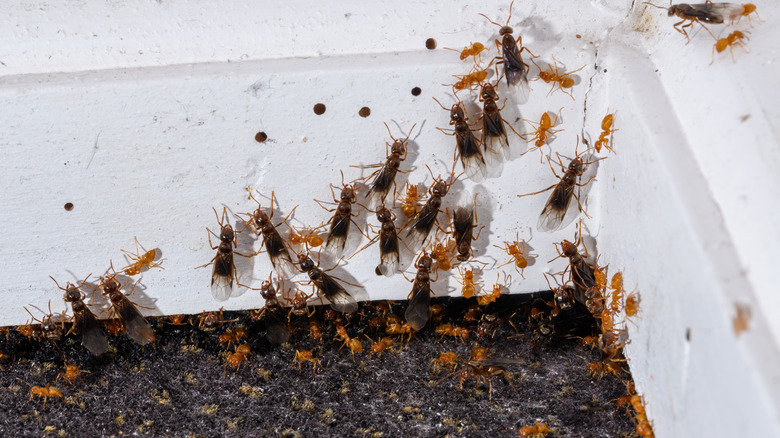
Make it a habit to check your home for any signs of ants or entry points. Look for cracks around windows, doors, and foundations where ants might sneak in.
Sealing these gaps is a simple but powerful step to block their access. Inspecting hidden areas, like behind furniture or inside storage boxes, can catch infestations early before they grow.
Yard And Garden Care
Your yard and garden can be both a haven and a highway for ants. Trim back bushes and trees that touch your house to reduce bridges ants use to enter.
Keep mulch and wood piles away from your home’s foundation, as these provide ideal nesting spots. Maintaining dry soil and removing standing water also discourages ants from settling near your door.
Credit: www.housedigest.com
Frequently Asked Questions
Can I Vacuum Ants To Remove Them Quickly?
Yes, vacuuming ants can quickly remove visible ants. However, it does not eliminate the colony or queen. Use vacuuming as a temporary solution alongside other pest control methods for best results.
Does Vacuuming Ants Kill The Colony?
Vacuuming ants only removes surface ants. It does not kill the colony or queen. To control ants, combine vacuuming with baiting or insecticide treatments.
Is Vacuuming Ants Safe For Indoor Use?
Vacuuming ants is safe indoors and chemical-free. It helps reduce ant numbers without harmful sprays. Always empty the vacuum bag or canister immediately to prevent ants from escaping.
Should I Vacuum Ants Or Use Chemical Sprays?
Vacuuming is a quick, non-toxic method to remove ants. Chemical sprays kill ants but may be hazardous indoors. Combining both approaches often provides better ant control.
Conclusion
Vacuuming ants can help reduce their numbers quickly. It removes visible ants but may not stop the problem. Ants live in hidden nests, so cleaning alone won’t end it. Use vacuuming as part of a bigger plan. Combine it with sealing entry points and using bait.
Stay patient and keep checking for new ants. Small steps can lead to better control over time. Keep your home clean to avoid attracting ants again. This simple method can support your efforts effectively.