Have you ever wondered if you can simply toss your tent into the washing machine to clean it? If you’ve spent time camping, you know how dirty tents can get—from mud, dust, to stubborn stains.
But before you risk ruining your gear, it’s important to know the right way to clean your tent. You’ll discover whether washing machines are safe for your tent, what risks you might face, and the best cleaning methods that keep your tent fresh and long-lasting.
Keep reading to protect your investment and enjoy your next adventure without worry.
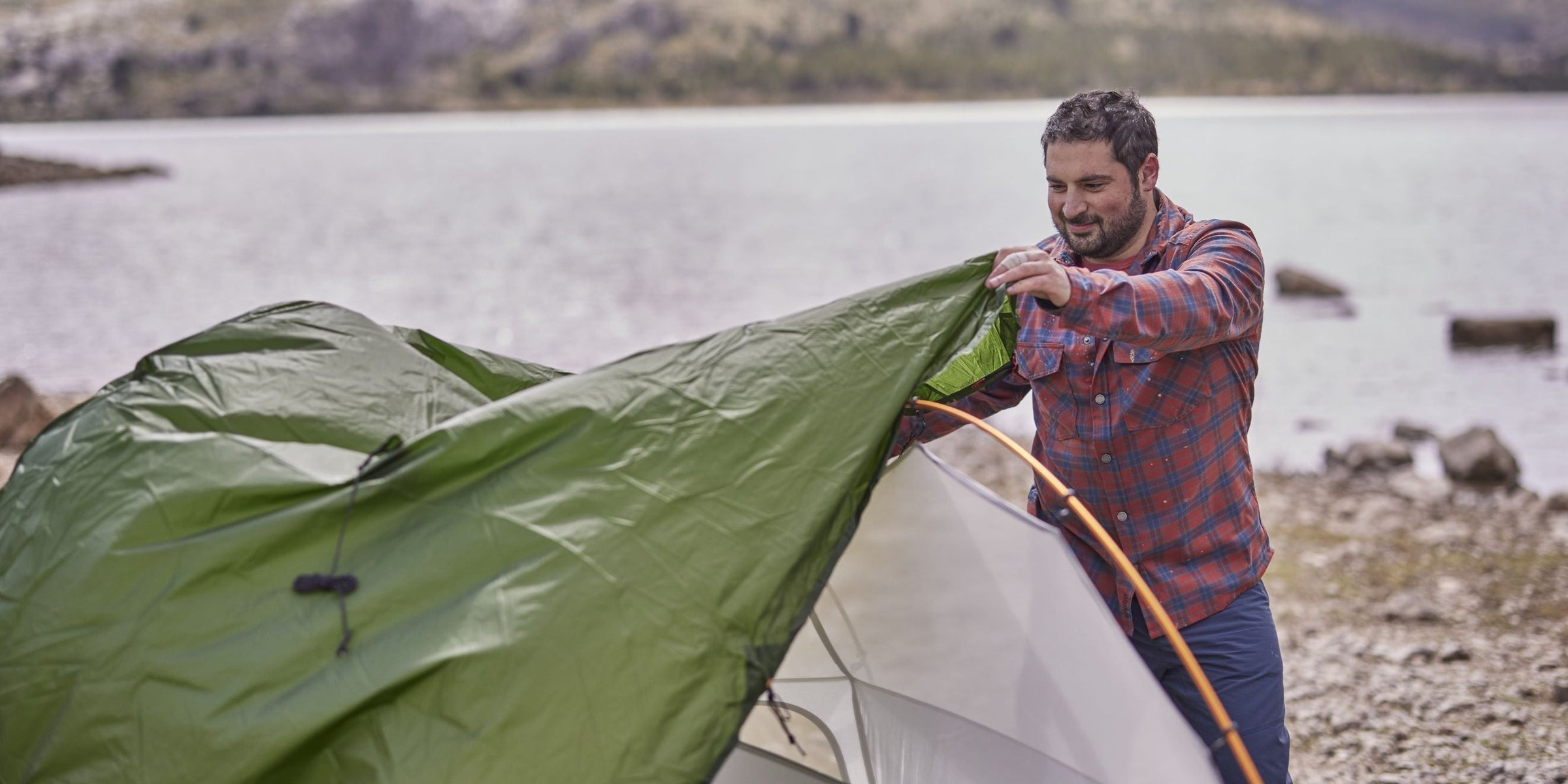
Credit: alpkit.com
Machine Washing Basics
Washing a tent in a machine can save time and effort. But not all tents handle machine washing well.
Knowing the basics helps protect your tent from damage. It also keeps the fabric strong and clean.
When Washing Is Safe
Machine washing is safe only if the tent is not too large. The machine must be gentle and use cold water.
Avoid washing if the tent has heavy dirt or mud. Hand washing is better for tough stains and delicate fabrics.
- Use a large front-load washer if possible
- Select a gentle or delicate cycle
- Use mild soap, not bleach or harsh detergents
- Never use hot water or strong spin cycles
- Remove poles and stakes before washing
Types Of Tents Suitable For Machines
Small to medium-sized tents made from polyester or nylon work best in machines. These materials dry quickly and resist damage.
Canvas tents and tents with special coatings do not wash well in machines. They need gentle hand cleaning to keep their protective layers.
- Polyester tents with simple designs
- Nylon tents without waterproof coatings
- Lightweight backpacking tents
- Tents without sewn-in floors or heavy materials
Preparing Your Tent
Cleaning a tent can be tricky. Washing it in a machine might not always be the best option. Preparing your tent properly is key to keeping it in good shape.
Let’s look at some steps to prepare your tent for washing. This includes removing dirt, checking for damage, and choosing the right detergent.
Removing Dirt And Debris
Before washing, make sure to get rid of loose dirt and debris. This helps keep the machine and your tent safe.
- Shake out the tent to remove dirt
- Use a soft brush for stubborn spots
- Check seams and corners for trapped debris
Checking For Damage
Inspect your tent carefully. Look for any tears, holes, or weak spots. Fix these issues before washing to prevent further damage.
Use a patch kit for small tears. If the damage is significant, consider professional repair.
Choosing The Right Detergent
Picking the right detergent is crucial. Some detergents can damage the fabric or waterproofing of your tent.
| Detergent Type | Suitable For |
| Non-detergent soap | Most tent fabrics |
| Specialty tent cleaner | Maintaining waterproofing |
| Avoid bleach | Can cause fabric damage |
Washing Machine Settings
Cleaning a tent in a washing machine can save time and effort. Choosing the right settings helps protect the fabric and zippers.
Using incorrect settings might damage your tent. This guide covers water temperature, wash cycle, and spin speed.
Water Temperature
Cold water is best for washing tents. Hot water can weaken the fabric and remove waterproof coatings.
Use cold or cool water to keep your tent safe and clean. Avoid warm or hot water settings.
Wash Cycle Selection
Select a gentle or delicate cycle to protect your tent. Harsh cycles can cause tears or damage zippers.
The gentle cycle uses slow agitation. It cleans without stressing the fabric or seams.
Spin Speed Considerations
Use a low spin speed to avoid damaging the tent. High speeds can strain the fabric and poles.
A slow spin helps remove water gently. It reduces wrinkles and keeps your tent in good shape.
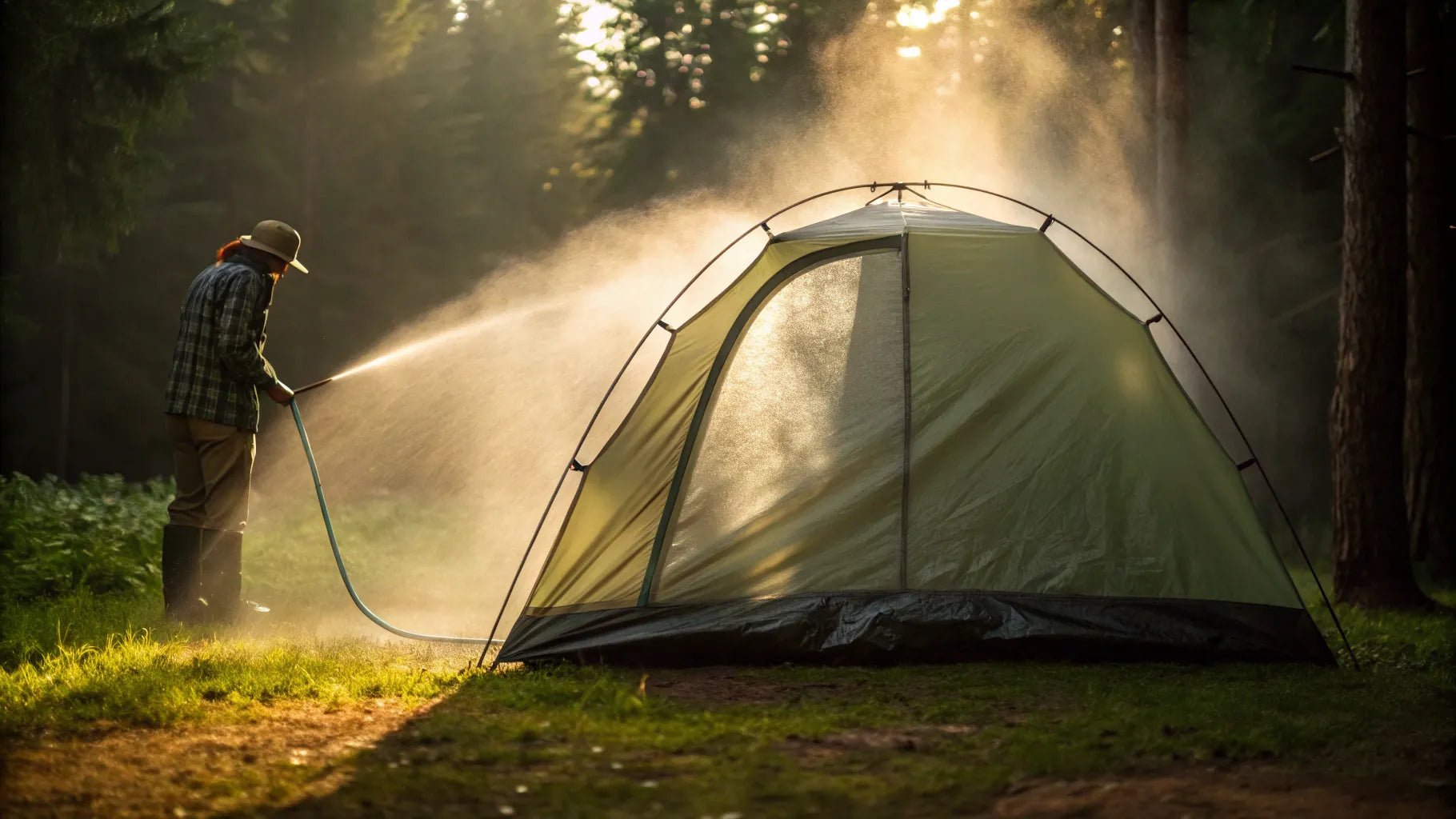
Credit: www.battlbox.com
Drying Your Tent
After washing your tent, drying it well is very important. Proper drying stops mold and keeps your tent strong.
Take your time to dry the tent in the right way. This will help it last longer and be ready for your next trip.
Air Drying Tips
Air drying is the best way to dry your tent without causing damage. Find a clean, dry spot outside where you can spread the tent out.
- Hang the tent on a clothesline or lay it flat on a clean surface.
- Open all doors and windows to let air flow inside and out.
- Avoid folding the tent until it is completely dry to stop mildew.
- Dry the rainfly and poles separately to speed up the process.
Avoiding Heat Damage
Heat can ruin your tent’s fabric and waterproof coating. Keep your tent away from direct heat sources.
- Do not use a dryer or heater to dry the tent.
- Stay away from direct sunlight for long hours, as UV rays weaken fabric.
- Keep the tent away from fireplaces or heaters.
Storage After Drying
Store your tent correctly after it is dry. This keeps it safe and ready for your next adventure.
| Storage Tip | Why It Helps |
|---|---|
| Keep tent loosely packed | Prevents creases and fabric damage |
| Store in a cool, dry place | Stops mold and mildew growth |
| Use a breathable storage bag | Allows air circulation |
| Check tent before storing | Ensure no damp spots remain |
Alternative Cleaning Methods
Washing a tent in a machine is often risky. It can damage the fabric or seams.
There are safer ways to clean a tent without using a washing machine. These methods protect your gear.
Hand Washing Techniques
Hand washing your tent is gentle and effective. Use lukewarm water and mild soap.
Soak the tent fabric and use a soft brush or sponge to scrub dirt. Avoid harsh scrubbing to protect the material.
- Fill a large tub with lukewarm water
- Add mild soap or tent cleaner
- Gently scrub with sponge or soft brush
- Rinse thoroughly with clean water
- Dry the tent fully before storing
Spot Cleaning
Spot cleaning targets small dirty areas. This saves time and keeps the tent mostly dry.
Use a damp cloth with mild soap to rub the spots gently. Rinse with a clean cloth afterward.
- Identify dirty spots on the tent
- Dab with a soapy cloth or sponge
- Rub gently to remove dirt
- Wipe away soap with a clean damp cloth
- Let the tent dry completely
Professional Cleaning Services
Some companies specialize in cleaning tents safely. They use proper tools and cleaners.
Professional cleaning can fix tough stains and protect your tent’s waterproofing. It is a good choice for delicate tents.
- Experts use safe cleaning agents
- They avoid damage to fabric and seams
- They can restore waterproof coatings
- Professional service saves time and effort

Credit: www.popularmechanics.com
Common Mistakes To Avoid
Washing a tent in a machine can be tricky. Many people make errors that damage their tents. Knowing what to avoid helps keep your tent safe.
Here are common mistakes you should never make when washing your tent in a washing machine.
Using Harsh Chemicals
Harsh chemicals can ruin your tent’s fabric and waterproof coating. Strong detergents or bleach weaken the material and cause colors to fade.
- Do not use bleach or fabric softeners
- Use mild soap designed for delicate fabrics
- Check that the detergent does not contain strong enzymes
- Rinse the tent thoroughly to remove all soap
Ignoring Care Labels
Tent care labels give important washing instructions. Ignoring them can lead to shrinking, tearing, or loss of waterproofing.
| Label Instruction | Why It Matters |
| Machine wash cold | Prevents fabric damage and color fading |
| Use gentle cycle | Reduces stress on seams and fabric |
| Do not tumble dry | Heat can melt or shrink tent fabric |
| Hand wash only | Machine washing may cause damage |
Overloading The Washing Machine
Putting too much in the washing machine blocks water flow. This stops the tent from getting clean and can damage the machine.
Follow these tips to avoid overloading:
- Wash tents alone or with very light items
- Use a front-loading machine if possible
- Do not pack the tent tightly inside the drum
- Check the machine’s weight limit before washing
Frequently Asked Questions
Can I Wash My Tent In A Washing Machine?
Yes, you can wash some tents in a washing machine. Use a gentle cycle with cold water and mild detergent. Avoid fabric softeners and bleach to protect the tent’s material and waterproof coating.
What Settings Are Best For Machine Washing A Tent?
Use a delicate or gentle cycle with cold water. Avoid high spin speeds to prevent damage. Always use mild, non-detergent soap to maintain fabric integrity and waterproofing.
Will Machine Washing Damage My Tent’s Waterproof Coating?
Machine washing can damage the waterproof coating if done improperly. Use gentle cycles and mild detergents. Air dry your tent and consider reapplying waterproof spray after washing.
How Do I Dry A Tent After Machine Washing?
Air dry your tent by hanging it in a shaded, well-ventilated area. Avoid direct sunlight and heat sources to prevent fabric damage and color fading.
Conclusion
Washing a tent in a machine can be risky. Most tents need gentle care to last long. Hand washing is often safer and keeps fabric strong. Always check the tent’s label for cleaning advice. Using mild soap and cold water helps protect the material.
Avoid harsh detergents or strong spinning cycles. Dry the tent fully before storing to stop mold. Clean tents make camping more comfortable and safe. Take time to clean your tent the right way. It saves money and keeps your gear ready for adventures.