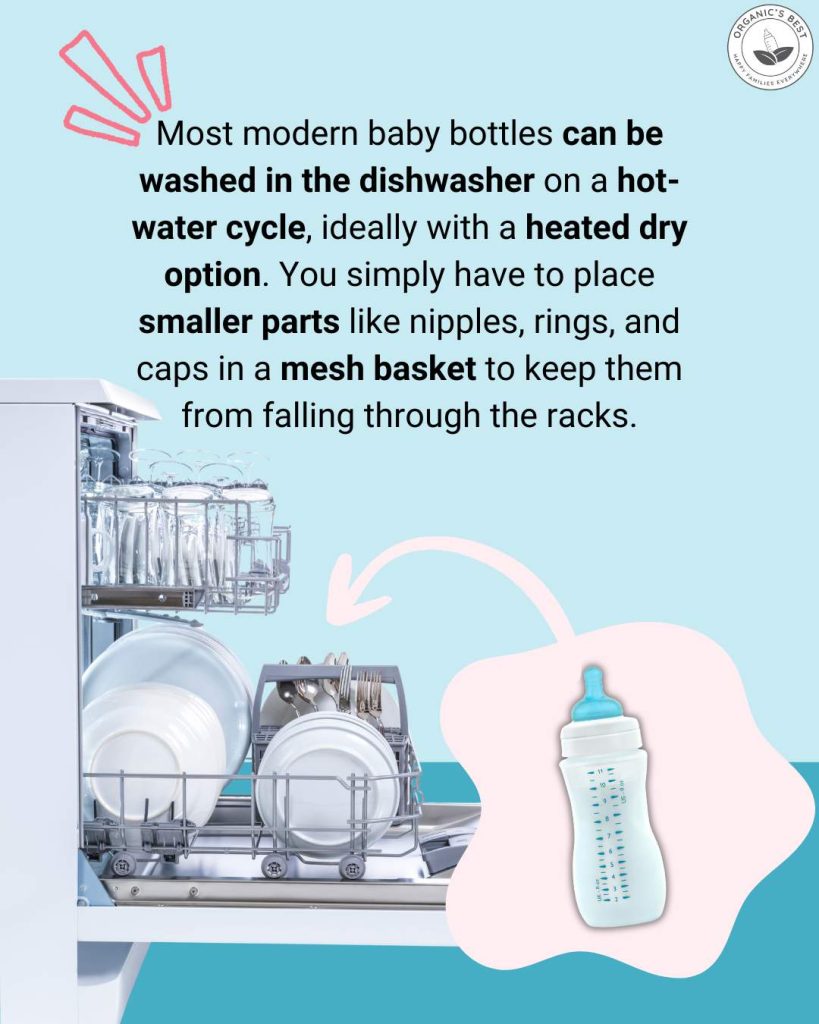
Have you ever found yourself staring at a pile of baby bottles or water bottles, wondering if you can just toss them in the dishwasher? You’re not alone.
The convenience of modern appliances is a tempting solution to the endless task of bottle cleaning. But before you press that start button, you might be curious if your dishwasher is up to the task of cleaning them safely and effectively.
We’re diving into the dos and don’ts of washing bottles in the dishwasher, ensuring you keep them sparkling clean without compromising their integrity. Stick around to discover tips that could save you time and give you peace of mind.

Credit: www.searshomeservices.com
Dishwasher Safety For Bottles
Washing bottles in the dishwasher can save time and effort, but safety should always come first. Not all bottles are built the same, and some materials or designs may not handle dishwasher conditions well. Knowing how to safely wash your bottles in the dishwasher protects their durability and your health.
Materials Safe For Dishwasher
Plastic bottles made from dishwasher-safe materials like polypropylene (PP) or high-density polyethylene (HDPE) usually withstand dishwasher cycles well. Glass bottles are also generally safe, but be cautious with thin or delicate glass that might crack. Avoid putting bottles made from materials like polycarbonate or certain soft plastics, as they may warp or degrade.
Look for labels or symbols indicating dishwasher safety on the bottom or packaging of your bottles. If you’re unsure, washing by hand can be a safer choice. Have you ever noticed your plastic bottle change shape after a dishwasher run? That’s a clear sign it wasn’t made for the dishwasher.
Avoiding Heat Damage
High heat from the dishwasher’s drying cycle can cause warping, melting, or fading of bottle materials. To protect your bottles, use the top rack where heat exposure is usually less intense. Consider selecting a low-heat or eco-friendly cycle to reduce the risk of damage.
Removing bottle caps and any silicone parts before washing also helps prevent heat damage. These smaller pieces often have different heat tolerances and can get deformed easily. How often do you check your dishwasher settings before tossing in your bottles? A quick adjustment can make a big difference in their lifespan.
Checking Manufacturer Guidelines
Always refer to the manufacturer’s instructions regarding dishwasher use. These guidelines provide specific advice on whether your bottle can go in the dishwasher and recommended settings. Ignoring these can lead to voiding warranties or damaging your bottles.
If the manual isn’t handy, many brands post care instructions online. Don’t hesitate to reach out to customer support for clarification. Have you ever regretted skipping this step? It’s better to be safe than sorry when it comes to your bottles’ care.
Credit: www.foodnetwork.com
Preparing Bottles For Dishwasher
Preparing bottles for the dishwasher is important to get them clean and avoid damage. Proper preparation helps remove leftover milk or juice and ensures thorough washing. It also protects the dishwasher and other items inside.
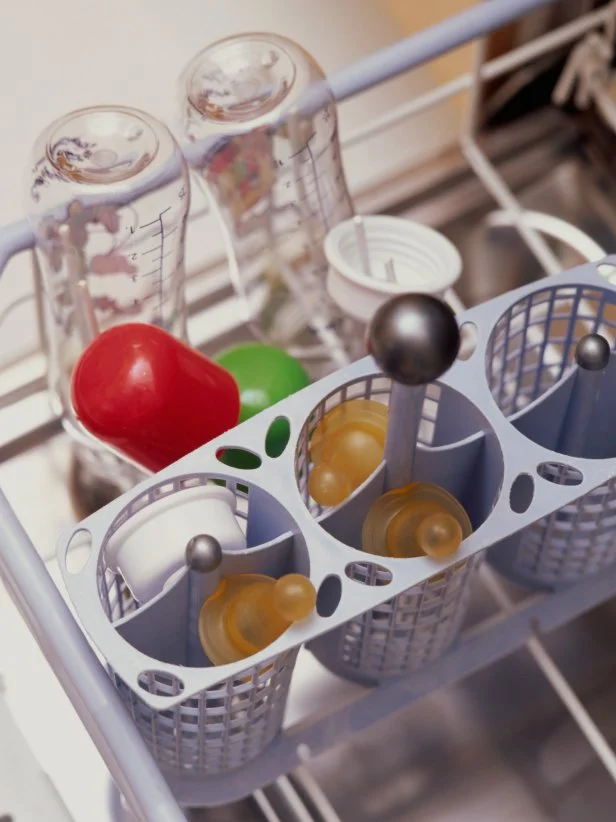
Removing Caps And Accessories
Take off all caps, nipples, and rings from the bottles. These small parts need separate washing to get clean. Place them in the dishwasher basket or a mesh bag to avoid losing them.
Pre-rinsing Bottles
Rinse bottles quickly with warm water before putting them in the dishwasher. This removes milk or formula residue that can cause stains or smells. Do not soak bottles too long, just a quick rinse is enough.
Using Bottle Brushes
Use a bottle brush to scrub the inside of bottles before washing. This helps remove stuck-on milk or food bits. Choose a brush that fits well inside the bottle neck and cleans hard-to-reach areas.
Best Dishwasher Settings
Finding the best dishwasher settings for washing bottles can make a big difference in how clean and safe they come out. The right settings help protect the bottles from damage while ensuring they are thoroughly cleaned. Let’s look at how to choose these settings wisely to keep your bottles spotless and ready to use.
Choosing The Right Cycle
Picking the right dishwasher cycle is key to clean bottles without causing harm. Use a gentle or delicate cycle if your dishwasher has one. These cycles use lower water pressure and temperature, which helps preserve the bottle’s shape and any printed measurements.
Heavy-duty cycles might seem like a good idea for cleanliness, but they can be too harsh. Think about how your dishwasher handles other delicate items and apply the same logic to your bottles. Have you noticed if your dishwasher’s quick wash cycle cleans well enough? It could save you time and energy.
Using Baby Bottle Sterilizing Options
Many dishwashers now offer a baby bottle sterilizing option. This setting uses higher temperatures and special rinses to kill bacteria effectively. If you’re washing bottles for a baby, this option can add extra peace of mind.
However, not all dishwashers have this feature. If yours does, make sure you use it regularly for bottles and nipples. It’s a simple way to keep germs at bay without extra effort. Have you tried this setting yet? It might become your new favorite for cleaning baby items.
Avoiding High Heat Drying
High heat drying can warp plastic bottles and damage silicone parts. It’s best to turn off the heat drying option or use an air-dry setting. Letting your dishwasher air dry bottles prevents shrinkage and extends their lifespan.
If your dishwasher doesn’t have an air-dry mode, you can open the door after the cycle ends. This releases steam and helps bottles dry naturally. Have you ever noticed any warping or discoloration after using heat drying? Skipping that step might save your bottles from early wear.
Common Mistakes To Avoid
Washing bottles in the dishwasher saves time and effort. Mistakes can reduce cleanliness and damage bottles. Avoid these common errors to keep bottles safe and clean.
Overloading The Dishwasher
Too many items block water and soap flow. Bottles may not get clean or dry properly. Leave space between bottles to allow water circulation. Overcrowding reduces washing power and can cause damage.
Mixing With Harsh Detergents
Some detergents are too strong for bottles. Harsh chemicals can leave residues or weaken bottle material. Use mild or baby-safe detergent for bottle washing. Check detergent labels to avoid harmful ingredients.
Ignoring Bottle Placement
Place bottles upside down on the top rack. This lets water reach inside and drain well. Avoid placing bottles near heating elements. Poor placement can cause warping or incomplete cleaning.
Alternatives To Dishwasher Cleaning
Dishwashers are handy for cleaning bottles, but some prefer other options. Alternatives can offer more control and care. They also suit delicate bottles or when a dishwasher isn’t available.
These methods ensure bottles stay clean and safe for use. They use simple tools and techniques anyone can try at home.
Hand Washing Techniques
Hand washing lets you clean bottles carefully and thoroughly. Use warm soapy water and a bottle brush. Clean all parts, including nipples and lids.
- Rinse bottles with clean water after washing.
- Use a drying rack to air dry bottles completely.
- Replace bottle brushes regularly to avoid germs.
Sterilizing With Boiling Water
Boiling water kills most germs on bottles. Fill a pot with water and bring it to a boil. Submerge bottles, nipples, and lids for 5 to 10 minutes.
- Be careful not to burn yourself when handling hot items.
- Use tongs to remove bottles from boiling water.
- Let bottles air dry on a clean towel.
Using Steam Sterilizers
Steam sterilizers use hot steam to clean bottles fast. Place bottles and parts inside the device. The steam kills bacteria and dries items quickly.
- Steam sterilizers are electric or microwave models.
- Follow the manufacturer’s instructions for best results.
- They are safe for most plastic and glass bottles.

Credit: www.searshomeservices.com
Maintaining Bottle Hygiene
Keeping bottles clean helps stop germs and keeps you healthy. Regular care ensures bottles stay safe for daily use. Simple habits make a big difference in hygiene.
Regular Deep Cleaning
Wash bottles thoroughly every few days. Use hot water and soap to remove all dirt. Running bottles in the dishwasher can help kill bacteria. Check bottle parts like caps and nipples carefully. Clean small parts by hand to avoid buildup.
Replacing Worn Bottles
Replace bottles that show cracks or wear. Old bottles can hide germs and cause leaks. Look for signs like discoloration or strange smells. Using new bottles reduces health risks. Keep track of how long you use each bottle.
Storing Bottles Properly
Store bottles in a clean, dry place. Avoid closed containers that trap moisture and mold. Let bottles air dry completely before storing. Keep bottles away from dust and insects. Proper storage keeps bottles fresh and safe.
Frequently Asked Questions
Can All Types Of Bottles Be Washed In A Dishwasher?
Most plastic, glass, and stainless steel bottles are dishwasher-safe. Check the manufacturer’s label for specific instructions to avoid damage.
How Should Bottles Be Placed In The Dishwasher?
Place bottles upright on the top rack to prevent water pooling. Remove lids and separate all parts for thorough cleaning.
Is Dishwasher Cleaning Safe For Baby Bottles?
Yes, dishwasher cleaning is safe if bottles are BPA-free and dishwasher-safe. Use a gentle cycle to preserve material integrity.
Can Dishwasher Heat Damage Bottle Materials?
High heat can warp or degrade some plastics. Use a low-heat or air-dry setting to protect your bottles.
Conclusion
Washing bottles in the dishwasher saves time and effort. Most bottles made for babies or water can handle dishwasher cleaning. Check the bottle’s label to be sure it is dishwasher safe. Place bottles on the top rack to avoid damage from heat.
Use a gentle cycle and avoid harsh detergents. Regular cleaning keeps bottles hygienic and safe to use. This method helps remove germs better than hand washing. Keep your bottles clean without much hassle. Dishwasher washing works well when done carefully.
Simple steps lead to cleaner, safer bottles every day.