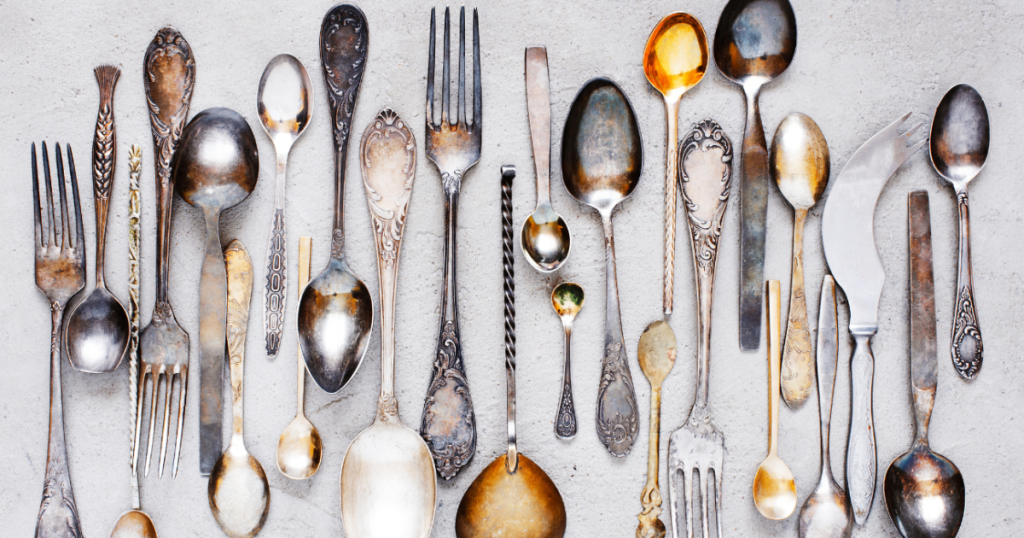
Have you ever found yourself staring at your beautiful silverware, wondering if the dishwasher could handle the job? You’re not alone.
Many people are unsure whether it’s safe to toss their prized silver into the dishwasher for a quick clean. This dilemma can leave you feeling torn between convenience and caution. But what if you could protect your silver while saving time?
Imagine the peace of mind you’d feel knowing the right choice for your precious items. We’ll delve into the dos and don’ts of washing silver in the dishwasher, ensuring you keep your silverware sparkling and safe. Ready to discover the best way to care for your silver? Let’s dive in.

Credit: www.reddit.com
Dishwasher And Silver Compatibility
Understanding dishwasher and silver compatibility helps protect your valuable items. Silver can be sensitive to heat, detergents, and water conditions in dishwashers. Some silverware withstands dishwasher cleaning, while others may tarnish or get damaged. Knowing which silver pieces are safe improves their lifespan and shine.
Types Of Silverware Safe For Dishwashers
- Stainless steel silverware with silver plating usually handles dishwashers well.
- Modern silverware marked as dishwasher safe can often go in the dishwasher.
- Heavily plated or sterling silver with thick coating sometimes resists dishwasher damage.
- Flatware labeled “dishwasher safe” by the manufacturer is safer to clean this way.
- Silver pieces with minimal decorative details tend to be dishwasher-friendly.
Items To Avoid Washing In Dishwashers
- Sterling silver often tarnishes or corrodes in dishwashers. Hand wash instead.
- Antique or heirloom silverware can lose value or detail from dishwasher heat.
- Silver with glued parts or wooden handles will likely get damaged.
- Silver items with gemstones or delicate inlays should never go in dishwashers.
- Pieces with intricate designs or thin plating risk chipping or discoloration.
Potential Risks Of Dishwasher Washing
Washing silver in the dishwasher might seem like a quick fix, but it comes with several risks you should consider. The harsh environment inside a dishwasher can cause unexpected damage to your precious items. Understanding these risks can help you decide if it’s really worth the convenience.
Tarnishing And Discoloration
Dishwasher detergents often contain strong chemicals designed to break down food and grease. These chemicals can react with silver, leading to tarnishing or discoloration.
Have you noticed your silverware losing its shine after a dishwasher cycle? That’s the chemical reaction at work. Even stainless steel items with silver plating can develop dark spots or patches.
High heat and prolonged exposure to moisture in the dishwasher also accelerate tarnishing. This isn’t just an aesthetic problem—once tarnish sets in, it can be tough to remove without special cleaning products.
Physical Damage And Scratches
Silver items often come into contact with other utensils or the dishwasher racks during the wash cycle. This contact can cause scratches or dents, especially if your silver has delicate designs or is thin.
Have you ever found scratches on your silver spoons after dishwasher use? That’s because the water jets and movement inside can cause items to bang against each other.
Even small scratches can dull the surface over time and reduce the value of your silverware. If you care about keeping your silver looking new, hand washing might be a safer choice.
Best Practices For Dishwasher Use
Using a dishwasher to clean your silver items can save time, but it requires careful attention to protect their shine and prevent damage. Knowing how to place your silverware, pick the right detergent, and select the proper wash cycle makes all the difference. Let’s look at best practices to keep your silver looking its best after each dishwasher run.
Proper Placement Of Silver Items
Where you put your silver in the dishwasher impacts how well it cleans and its safety. Place silver pieces separately from other metals like stainless steel to avoid chemical reactions that cause tarnishing.
Lay silver flat and avoid stacking or nesting pieces. This ensures water and detergent reach all surfaces evenly. If your dishwasher has a silverware basket, use it, but keep items spaced out as much as possible.
Have you ever noticed dull spots on your silver after washing? These often happen when pieces touch each other or other metals during the cycle.
Choosing The Right Detergents
Not all dishwasher detergents are safe for silver. Avoid detergents with bleach, lemon, or citrus additives, as they can cause corrosion or dark spots.
Look for mild, phosphate-free detergents designed for delicate items. You might even find detergents marketed specifically for silverware that protect its finish.
Consider skipping rinse aids, which can sometimes leave a residue on silver. Testing a small batch first helps you see how your silver reacts.
Selecting Suitable Wash Cycles
Gentle cycles are your friend when washing silver in the dishwasher. High temperatures and intense sprays can accelerate tarnishing and wear.
Choose a short or delicate cycle with lower heat settings to minimize risk. Avoid heavy-duty or pots-and-pans cycles that use harsher conditions.
Does your dishwasher offer an air-dry option? It’s better than heated drying, which can leave spots or dull the silver’s shine.

Credit: food52.com
Alternative Cleaning Methods
Silver needs careful cleaning to keep its shine and avoid damage. Dishwashers can be harsh on silver items. Alternative cleaning methods offer gentle and effective care. These ways help maintain the beauty of silver without the risk of harsh chemicals or heat. Below are simple techniques to clean silver safely at home.
Hand Washing Techniques
Hand washing silver is a safe way to clean delicate pieces. Use warm water and mild dish soap. Avoid any soaps with lemon or bleach. Gently rub the silver with a soft cloth or sponge. Do not use abrasive scrubbers. Rinse well with clean water to remove all soap. Dry immediately with a soft towel to stop water spots. This method keeps silver bright without scratches.
Home Remedies For Silver Cleaning
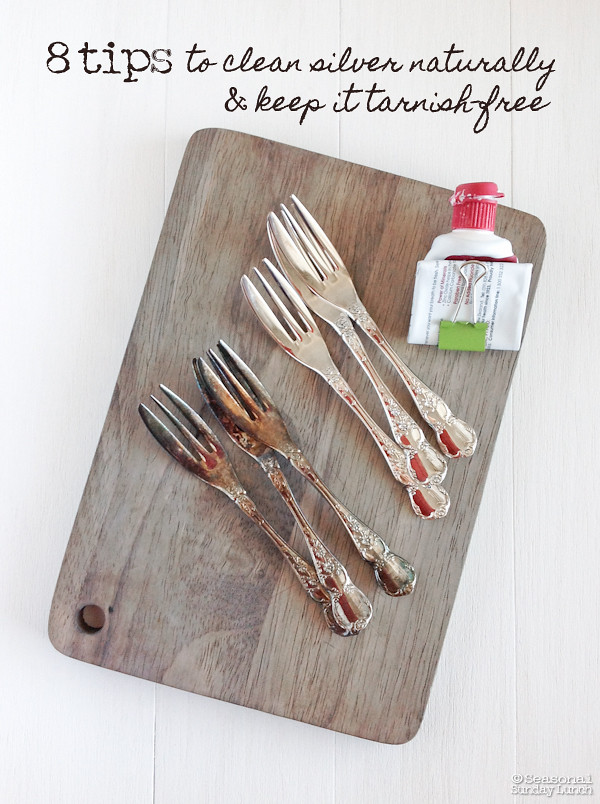
Several home remedies can restore silver’s shine naturally. Baking soda is a popular choice. Make a paste with water and gently rub it on the silver. Use a soft cloth to avoid scratching. Another option is white vinegar. Soak the silver for a few minutes, then rinse and dry. Aluminum foil and salt can also clean silver in a simple bath. Line a bowl with foil, add hot water, salt, and place silver inside. The reaction helps remove tarnish quickly. Always dry silver well after these treatments to keep it looking new.
Maintaining Silver Shine After Washing
Keeping your silver shiny after washing is just as important as cleaning it properly. Even if you use the dishwasher, the way you handle silver right afterward can make a big difference. Small habits in drying and storage can protect your silver from spots and tarnish, saving you time and effort in polishing later.
Drying Tips To Prevent Spots
After washing, silver can easily develop water spots if left to air dry. To avoid this, use a soft, clean cloth to gently pat your silver dry immediately. Avoid rubbing too hard as it might scratch the surface.
Microfiber cloths work best because they absorb moisture quickly without leaving lint behind. If you notice stubborn spots, wipe the silver with a little bit of vinegar or lemon juice on a cloth, then dry again. Have you ever noticed how some spots resist drying? That’s why quick action is crucial.
Storage Suggestions To Avoid Tarnish
How you store your silver after washing influences how long its shine lasts. Air exposure causes tarnish, so keep silver in airtight containers or wrap each piece in anti-tarnish cloth or bags. This simple step slows down the chemical reaction with sulfur in the air.
If you don’t have anti-tarnish wraps, wrapping silver in acid-free tissue paper works as a temporary solution. Also, store silver in a cool, dry place away from direct sunlight or humidity. Have you tried placing a few chalk pieces or silica gel packets in your silver storage? They help absorb moisture and keep tarnish at bay.
Credit: 84thand3rd.com
Frequently Asked Questions
Can I Put Silverware In The Dishwasher?
Yes, most stainless steel silverware is dishwasher safe. Avoid dishwashing antique or sterling silver to prevent damage or tarnish.
Will Dishwasher Damage My Silver Jewelry?
Dishwashers can cause discoloration and damage to silver jewelry. Hand washing is recommended to maintain its shine and quality.
How To Prevent Silver From Tarnishing In Dishwasher?
Use gentle detergents and avoid mixing silver with other metals. Placing silver separately helps reduce tarnishing and corrosion in dishwashers.
Is It Safe To Wash Silver Plates In Dishwasher?
Silver plates are best washed by hand. Dishwashers can cause spotting, tarnish, and damage to delicate silver plating.
Conclusion
Silver can get damaged in a dishwasher. High heat and strong detergents cause tarnish and scratches. Hand washing with mild soap is safer. Dry silver pieces well after washing. Avoid leaving silver wet for long. Careful cleaning keeps your silver shiny and beautiful.
Treat your silver gently to last longer. Simple steps protect your valuable items. Remember, not all silver should go in the dishwasher. Choose the best cleaning method for your silverware.