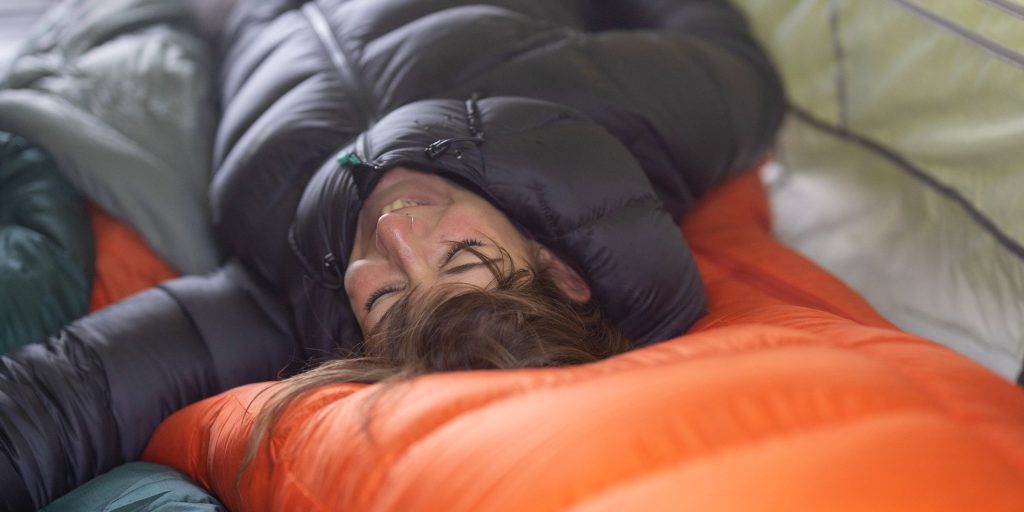
Have you ever wondered, “Can I wash my sleeping bag without ruining it?” If you love camping or hiking, keeping your sleeping bag clean is important for comfort and hygiene.
But washing it wrong can damage the insulation or fabric, making it less cozy and warm. You’ll discover simple, effective ways to clean your sleeping bag safely. By the end, you’ll know exactly how to refresh your gear without any worries.
Ready to give your sleeping bag the care it deserves? Let’s dive in!
Credit: cascadedesigns.com
Choosing The Right Cleaning Method
Cleaning a sleeping bag keeps it fresh and extends its life. Picking the right way to wash it matters a lot.
Some bags do better in machines, others by hand. The right cleaner also helps protect the fabric.
Machine Wash Vs Hand Wash
Machine washing is quick but can be rough on your sleeping bag. Hand washing is gentle but takes more time.
- Use a front-loading washing machine to avoid damage.
- Choose a gentle cycle with cold water for machine wash.
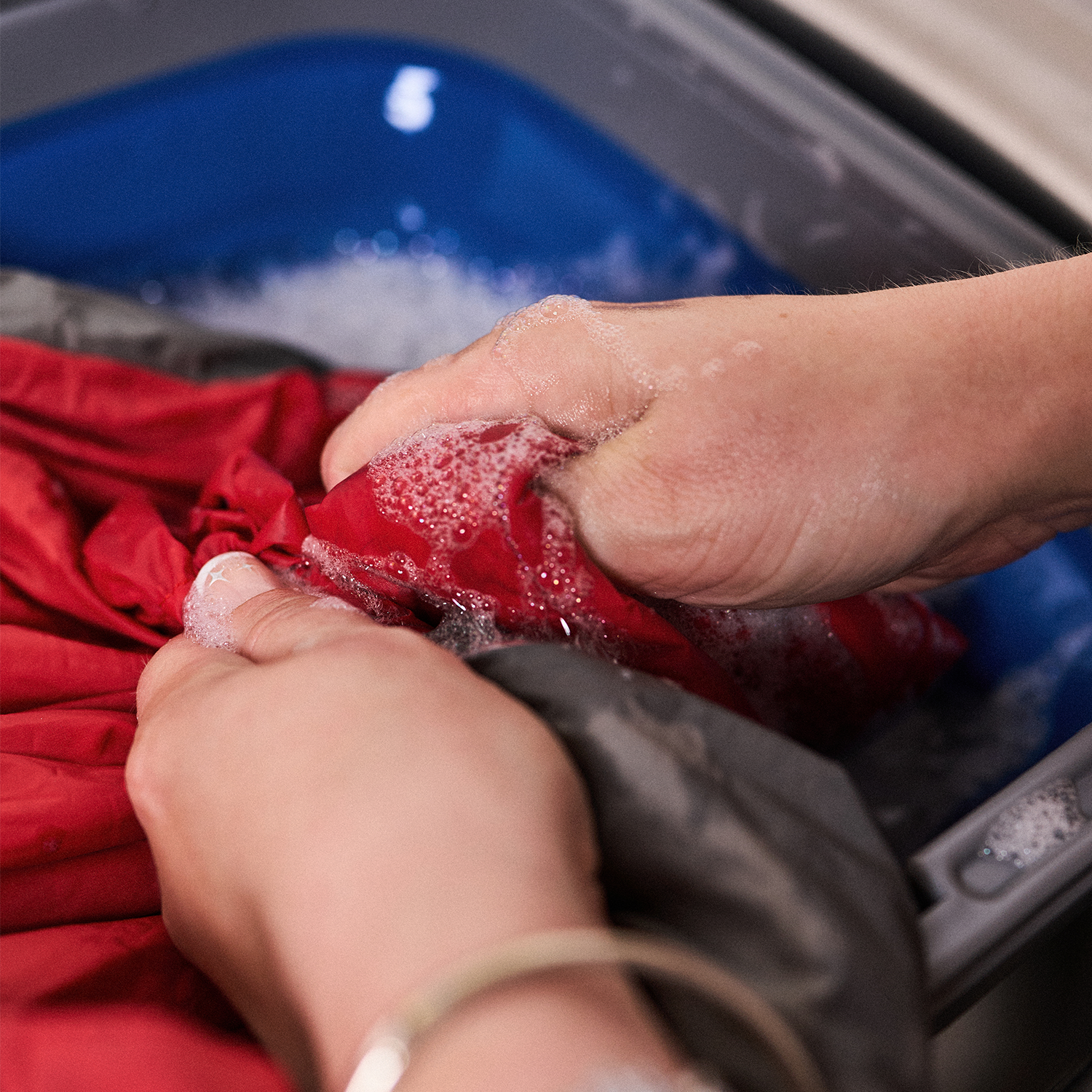
- Hand wash in a bathtub or large sink with mild water.
- Press water out gently; avoid wringing the bag.
- Dry flat or hang in a shaded, airy spot.
Using Specialized Cleaners
Regular soap can harm the bag’s insulation and fabric. Specialized cleaners keep it safe and clean.
| Cleaner Type | Best For | Notes |
| Down Cleaner | Down-filled sleeping bags | Restores loft and softness |
| Synthetic Cleaner | Synthetic-filled sleeping bags | Preserves water resistance |
| General Mild Cleaner | All types | Use if no specialized cleaner available |
Avoiding Harsh Detergents
Harsh detergents can strip oils and damage fabric. Avoid bleach, fabric softeners, and strong chemicals.
- Do not use bleach or chlorine-based products.
- Skip fabric softeners that reduce insulation.
- Use only mild, non-detergent soaps.
- Rinse thoroughly to remove all soap residue.
Preparing Your Sleeping Bag
Washing your sleeping bag keeps it clean and fresh. Proper preparation helps protect the bag during cleaning.
Follow simple steps before washing to avoid damage and remove stains effectively.
Emptying All Pockets
Check every pocket in your sleeping bag. Remove all items like trash, coins, or keys.
Leaving objects inside can cause damage during washing and may harm your washing machine.
Checking For Damage
Look over your sleeping bag carefully. Check for tears, holes, or broken zippers.
Fix small problems before washing. This prevents bigger damage and keeps your bag usable.
Pre-treating Stains
Find any stains on your sleeping bag. Use a gentle stain remover or mild soap on these spots.
Apply the cleaner and gently rub it in. Let it sit for a few minutes before washing.
- Use mild soap or stain remover
- Rub stains gently to avoid fabric damage
- Wait a few minutes before washing
Washing Techniques
Washing a sleeping bag can keep it fresh and clean. It is important to know the best techniques to avoid damage.
Following the right steps will help maintain your sleeping bag’s quality and warmth.
Selecting The Proper Cycle
Use the gentle cycle on your washing machine. This reduces wear and tear on the sleeping bag.
Check your bag’s label for specific instructions. Some bags need special care cycles.
- Gentle cycle is best for most sleeping bags
- Read the washing instructions on the label
- Use front-loading machines if possible
Water Temperature Guidelines
Water temperature is crucial for washing sleeping bags. Use cold or warm water, not hot.
Hot water can damage the bag’s fabric and fill. Stick to cooler temperatures for safety.
- Cold water is safe for all materials
- Warm water can be used for heavy dirt
- Avoid hot water to prevent shrinking
Rinsing Thoroughly
Rinsing your sleeping bag well is important. Leftover soap can harm the fabric and cause discomfort.
Run an extra rinse cycle to remove all detergent. This keeps your sleeping bag fresh and clean.
- Ensure all soap is rinsed out
- Extra rinse cycle helps remove detergent
- Check for any soap residue before drying
Drying Your Sleeping Bag
Drying your sleeping bag properly keeps it in good shape. It stops bad smells and mold from growing. Always dry your bag after washing to keep it fresh.
Choose the right drying method to protect the fabric and insulation. This helps your sleeping bag last longer and stay warm.
Air Drying Tips
Air drying is gentle and safe for all sleeping bags. Hang your bag in a dry, shaded place with good air flow. Avoid direct sunlight to stop fabric damage.
Lay the bag flat or hang it by the loops. Flip or shake it now and then to help it dry evenly. This stops clumps in the insulation.
- Choose a shaded spot with fresh air
- Hang or lay flat for even drying
- Turn or shake the bag regularly
- Keep away from direct sun and heat
Using A Dryer Safely
You can use a dryer for down or synthetic sleeping bags if the label allows. Use the lowest heat setting to avoid damage. High heat can melt fabrics or break insulation.
Put a few clean tennis balls or dryer balls inside. They help break up clumps and keep the insulation fluffy. Check the bag often to stop overheating.
- Use low or no heat settings
- Add tennis balls to fluff insulation
- Stop and check the bag regularly
- Follow care label instructions
Restoring Loft And Fluffiness
Loft means the thickness of your sleeping bag’s insulation. Good loft keeps you warm. After washing, insulation can clump or flatten.
To restore loft, gently shake and fluff the bag. Use your hands to pull apart any clumped areas. Drying with dryer balls also helps bring back loft.
- Shake and fluff the bag after drying
- Break apart clumps by hand
- Use dryer balls during tumble drying
- Store the bag loosely to keep loft
Maintaining Your Sleeping Bag Between Washes
Keeping your sleeping bag clean without frequent washing helps it last longer. Dirt and sweat build up over time, so simple care is important.
Here are easy ways to maintain your sleeping bag between full washes. These steps keep it fresh and ready for your next trip.
Spot Cleaning
Spot cleaning removes small stains or dirt without washing the whole bag. Use a mild soap and water to gently clean the area.
- Mix warm water with a little soap.
- Dip a soft cloth into the mix.
- Gently rub the dirty spot.
- Wipe with a clean damp cloth.
- Let the bag air dry completely.
Proper Storage
Store your sleeping bag in the right way to keep it fluffy and dry. Avoid tight compression or damp places.
| Storage Method | Benefit |
| Loose cotton sack | Allows air flow and prevents mildew |
| Hanging on a wide hanger | Keeps insulation from flattening |
| Avoid plastic bags | Prevents moisture buildup and odors |
Regular Airing Out
Let your sleeping bag breathe after each use. Airing it removes odors and moisture that cause damage.
Follow this simple airing routine:
- Find a shaded, dry spot outdoors.
- Spread your sleeping bag open or hang it.
- Leave it for a few hours to air out.
- Check for damp spots before storing.

Credit: www.halfwayanywhere.com
Common Mistakes To Avoid
Washing a sleeping bag can be tricky. Many people make mistakes that damage it.
Knowing what to avoid helps keep your sleeping bag clean and in good shape.
Overwashing
Washing your sleeping bag too often wears down its insulation. It loses warmth and loft.
Only wash your sleeping bag when it is really dirty or smells bad.
- Frequent washing breaks down fabric and filling
- Spot clean small stains instead of full washing
- Use a sleeping bag liner to reduce dirt inside
Using Fabric Softeners
Fabric softeners can harm your sleeping bag’s material. They reduce water repellency.
Avoid using any softeners or bleach. These chemicals damage insulation and fabric.
- Softener coats fibers and stops breathability
- It lowers the bag’s ability to stay dry
- Use mild detergent designed for technical gear instead
Ignoring Care Labels
Care labels have important washing instructions. Ignoring them can ruin your bag.
Always read and follow the label to know the right water temperature and cycle.
- Check if machine wash or hand wash is recommended
- Follow drying instructions to avoid mold or damage
- Use the right detergents as suggested on the label
Credit: www.ellis-brigham.com
Frequently Asked Questions
Can I Wash My Sleeping Bag In A Washing Machine?
Yes, most sleeping bags can be machine washed. Use a front-loading washer on a gentle cycle with cold water and mild detergent. Avoid top-loading machines with agitators to prevent damage. Always check the care label before washing to ensure proper cleaning.
How Often Should I Wash My Sleeping Bag?
Wash your sleeping bag after every 3 to 5 uses. Frequent washing can reduce insulation quality. Spot clean minor stains to extend time between washes. Proper maintenance keeps your bag fresh and preserves its lifespan.
What Detergent Is Best For Washing Sleeping Bags?
Use a mild, non-detergent cleaner designed for down or synthetic insulation. Avoid regular laundry detergents, bleach, or fabric softeners. Specialized cleaners protect the fill and maintain loft, ensuring your sleeping bag stays warm and durable.
Can I Dry My Sleeping Bag In A Dryer?
Yes, tumble dry on low heat with clean tennis balls or dryer balls. This helps restore loft and prevents clumping of insulation. Avoid high heat to prevent damage to fabric and insulation materials.
Conclusion
Washing your sleeping bag keeps it fresh and lasts longer. Always check the care label before washing. Use gentle soap and a mild cycle to protect the fabric. Dry it fully to avoid mold or bad smells. Clean your sleeping bag carefully to enjoy cozy nights outdoors.
Simple steps make a big difference in its care. Take your time and treat it well for many adventures ahead.