Have you ever wondered if you can wash your sleeping bag without ruining it? Your sleeping bag is your trusted companion on outdoor adventures, and keeping it clean is important for comfort and hygiene.
But washing it the wrong way can damage the insulation or fabric, making it less cozy and less reliable. You’ll discover exactly how to wash your sleeping bag safely, so it stays fresh and lasts for many trips to come.
Keep reading to protect your gear and enjoy a good night’s sleep every time.

Credit: www.gearaid.com
When To Wash Your Sleeping Bag
Keeping your sleeping bag clean helps it last longer. It also keeps it fresh and comfortable. Knowing when to wash it is important.
Washing too often can damage the insulation. Washing too little can cause dirt and smells to build up.
Signs It Needs Cleaning
Look for these signs to know if your sleeping bag needs a wash:
- Noticeable bad smell that won’t go away
- Visible dirt or stains on the fabric
- Loss of loft or fluffiness in the insulation
- Sticky or oily feel on the surface
- Allergy or skin irritation after use
How Often To Wash
Washing frequency depends on use and care. Here is a guide to help you decide:
| Usage | Suggested Wash Interval |
| Occasional camping (few times a year) | Once per season |
| Regular camping (monthly) | Every 3-4 trips |
| Heavy use or rough conditions | After each trip |
| Indoor or emergency use | Once per year or as needed |
Types Of Sleeping Bags
Sleeping bags come in different types based on the materials inside and outside. The type affects warmth, weight, and care. Knowing the types helps you choose and clean your sleeping bag well.
This guide focuses on two main parts: the fill inside the bag and the shell material outside. Each has its pros and cons for campers and hikers.
Down Vs Synthetic Fill
Sleeping bags usually have down or synthetic fill. Down is made from duck or goose feathers. Synthetic fill uses man-made fibers. Both keep you warm but behave differently.
- Down Fill:Lightweight and compressible. Warms well in dry cold. Can lose loft if wet.
- Synthetic Fill:Heavier but stays warm when wet. Dries faster and is cheaper.
- Care:Down needs gentle washing and full drying. Synthetic is easier to wash and dries quicker.
Shell Materials
Shell materials cover the sleeping bag and protect the fill. They affect durability, water resistance, and breathability. Common types include nylon and polyester.
| Material | Features | Care Tips |
| Nylon | Strong, lightweight, water-resistant | Use mild detergent, avoid bleach |
| Polyester | Durable, dries fast, less water resistance | Wash gently, air dry recommended |
| Ripstop | Extra tear resistance, used in heavy-duty bags | Spot clean tough spots, gentle wash |
Preparing Your Sleeping Bag For Washing
Washing your sleeping bag keeps it clean and fresh for your next trip. Proper preparation helps avoid damage during washing.
Take time to prepare your sleeping bag well. This makes washing safe and effective.
Checking Labels
Look at the care label on your sleeping bag first. It shows the best washing instructions and warnings.
Labels tell you if you can machine wash or need to hand wash. Some bags need special cleaners.
- Find the washing temperature
- Check if tumble drying is allowed
- Note any special cleaning instructions
Removing Accessories
Take off all accessories like stuff sacks, straps, and removable liners. These parts can damage the bag or washing machine.
Empty all pockets and remove dirt or debris. Loose items can cause problems during washing.
- Detach stuff sacks and straps
- Remove any liners or pads
- Check and empty pockets
- Brush off dirt and debris
Repairing Tears
Check your sleeping bag for holes or tears before washing. Small rips can get worse during cleaning.
Fix tears with repair tape or patches. This helps keep the filling inside and prevents damage.
- Look for holes, rips, or loose stitches
- Use repair tape or patches on small tears
- Consider professional repair for big damage
Washing Methods
Washing your sleeping bag keeps it clean and fresh for every trip. You can wash it by hand or use a washing machine.
Each method needs care to avoid damage. Follow these steps to clean your sleeping bag safely.
Hand Washing Steps
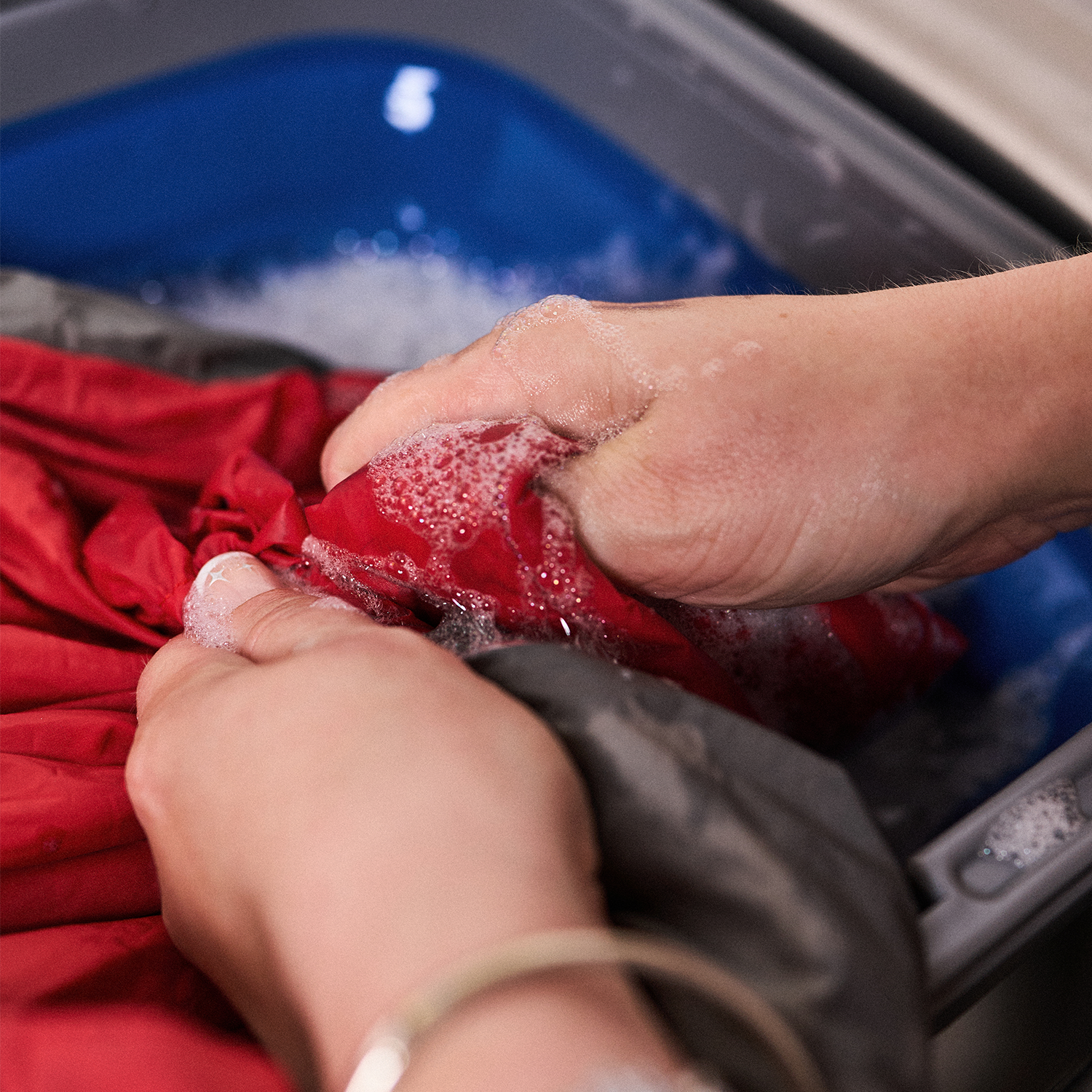
Hand washing is gentle and good for delicate sleeping bags. Use a large tub or bathtub with warm water.
Add a small amount of mild detergent made for outdoor gear. Avoid bleach or fabric softeners.
- Fill the tub with warm water and detergent
- Submerge the sleeping bag completely
- Gently squeeze and press the bag to clean
- Let it soak for 15-30 minutes
- Rinse the bag well with clean water
- Press out excess water without wringing
Machine Washing Tips
Use a front-loading washing machine for best results. Top loaders with agitators can harm your sleeping bag.
Set the machine to a gentle cycle with cold or warm water. Use a mild detergent made for down or synthetic fills.
- Check the sleeping bag’s label for washing instructions
- Close all zippers and Velcro before washing
- Use a gentle cycle and low spin speed
- Rinse thoroughly to remove all soap
- Dry the bag carefully, preferably air dry or tumble dry on low
Choosing The Right Detergent
Washing a sleeping bag needs the right detergent to keep it clean and safe. The wrong detergent can damage the fabric or filling.
It is important to pick a detergent that cleans well without harming the sleeping bag’s materials.
Avoiding Harsh Chemicals
Harsh chemicals can ruin your sleeping bag. They may strip natural oils and damage insulation.
Detergents with bleach, fabric softeners, or strong fragrances should be avoided. These chemicals reduce warmth and water resistance.
- Do not use bleach or chlorine
- Avoid fabric softeners
- Stay away from detergents with added fragrances
Recommended Detergents
Use detergents made for delicate fabrics or outdoor gear. These clean without harming the sleeping bag’s materials.
Many outdoor brands offer detergents that keep insulation and water resistance intact.
- Detergents designed for down or synthetic insulation
- Mild, fragrance-free detergents
- Products labeled safe for waterproof fabrics
Credit: www.ellis-brigham.com
Drying Techniques
Drying a sleeping bag correctly keeps it clean and cozy. It helps keep the insulation fluffy and warm. Proper drying also stops mold and bad smells.
There are two main ways to dry your sleeping bag. You can air dry it or use a dryer. Each way needs care to protect your sleeping bag.
Air Drying Tips
Air drying is gentle and saves energy. It works well for all types of sleeping bags. Hang your sleeping bag in a clean, dry place with good air flow.
Avoid direct sunlight to stop colors from fading. Shake your sleeping bag every few hours to help it dry evenly. Air drying can take a day or more.
- Use a wide, sturdy hanger or drying rack
- Keep the sleeping bag flat or loosely hung
- Turn the bag occasionally for even drying
- Keep away from heaters or direct sun
- Dry in a well-ventilated room or outside in shade
Using A Dryer Safely
Using a dryer is faster than air drying. Use a low heat or air fluff setting to protect your sleeping bag. High heat can damage the insulation or fabric.
Add clean tennis balls or dryer balls to keep the insulation fluffy. Check the sleeping bag often during drying. Stop the dryer if it gets too hot or the bag looks damaged.
- Use a large dryer to avoid crushing the bag
- Set the dryer to low heat or no heat
- Include dryer balls for even fluffing
- Dry in short cycles and check the bag
- Remove the bag as soon as it is dry
Storing Your Sleeping Bag
Proper storage helps keep your sleeping bag clean and fluffy. It also stops damage and saves space.
Knowing how to store your sleeping bag can make it last longer. This guide covers simple tips for storage.
Proper Storage Practices
Always store your sleeping bag dry and clean. Moisture can cause mold and smells.
Use a large cotton or mesh storage sack, not a tight stuff sack. This keeps the insulation from getting crushed.
- Shake your bag to fluff it before storing
- Store it loosely rolled or hung on a wide hanger
- Keep it in a cool, dry place away from sunlight
- Avoid storing near heat sources or damp areas
Long-term Care
For long-term storage, clean your sleeping bag first. Use gentle washing methods suited for your bag type.
Check your sleeping bag every few months. Air it out to keep it fresh and prevent odors.
- Do not store your bag compressed for months
- Keep it away from pests like moths or rodents
- Consider using cedar blocks or natural repellents
- Repair small tears or damage before storing
Common Mistakes To Avoid
Washing a sleeping bag needs care to keep it in good shape. Many people make mistakes that can harm the bag.
Knowing what to avoid helps your sleeping bag last longer and stay comfortable.
Overwashing
Washing your sleeping bag too often can wear out its materials. The insulation may lose its loft and warmth.
Only wash your sleeping bag when it is really dirty or smells bad.
- Frequent washing breaks down fabric and filling
- Overwashing reduces the bag’s warmth
- Spot clean to avoid full washes
Improper Drying
Drying your sleeping bag wrong can cause mildew or damage. It takes a long time to dry completely.
Use a gentle dryer setting or air dry in sunlight. Make sure the bag is fully dry before storing.
- Do not dry in high heat; it melts insulation
- Hang or lay flat to air dry evenly
- Check for damp spots to prevent mold
Using Bleach Or Fabric Softener
Bleach and fabric softeners can damage your sleeping bag. They break down fabric fibers and reduce water resistance.
Always use a mild detergent made for delicate or outdoor gear. Avoid harsh chemicals to keep the bag safe.
- Bleach causes fabric weakening and color loss
- Fabric softener clogs insulation fibers
- Use gentle, non-toxic cleaners only
Credit: cascadedesigns.com
Frequently Asked Questions
Can I Wash My Sleeping Bag In A Washing Machine?
Yes, most sleeping bags can be machine washed. Use a front-loading washer on a gentle cycle with cold water. Always check the care label for specific instructions to avoid damage.
How Often Should I Wash My Sleeping Bag?
Wash your sleeping bag after every 3-4 uses or if it becomes visibly dirty. Frequent washing can reduce insulation, so spot clean when possible to maintain warmth.
What Detergent Is Best For Washing Sleeping Bags?
Use a mild, non-detergent soap or a specialized sleeping bag cleaner. Avoid regular detergents as they can strip natural oils and reduce insulation quality.
Can Washing Damage My Sleeping Bag’s Insulation?
Improper washing can clump insulation or damage fabric. Use gentle cycles and low heat drying to preserve loft and warmth of down or synthetic fills.
Conclusion
Washing your sleeping bag keeps it fresh and ready for use. Always check the care label before cleaning. Use gentle detergent and cold water to protect the fabric. Dry it slowly in the shade to avoid damage. Clean bags last longer and stay warm.
Taking care of your sleeping bag is simple with the right steps. Now you know how to wash it safely and keep it cozy for many trips. Easy care makes outdoor adventures more enjoyable.