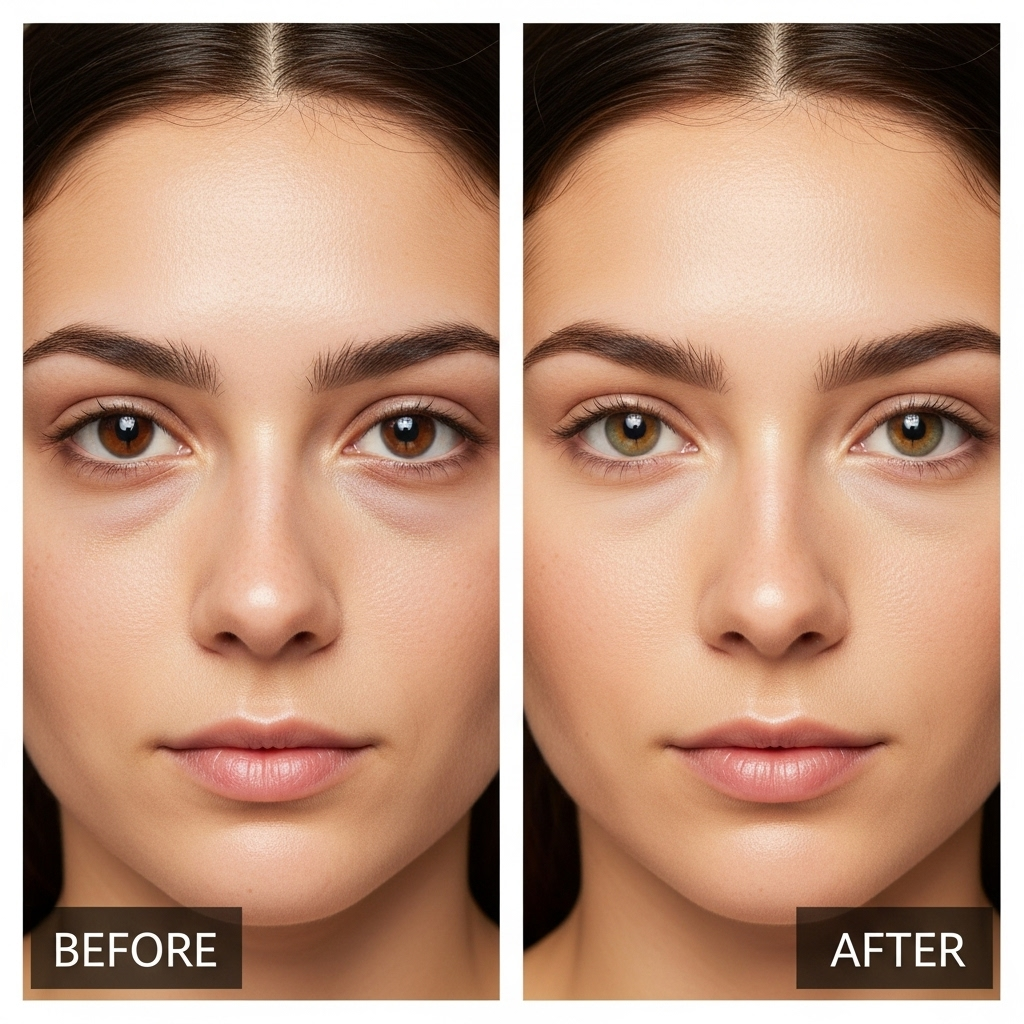
Have you ever looked in the mirror after a restless night and noticed those stubborn eye bags staring back at you? You might wonder if your lack of sleep is the real culprit behind those tired-looking eyes.
The truth is, your sleep habits can have a bigger impact on your appearance than you think. If you want to understand how missing out on sleep affects your eyes and what you can do to fight those bags, keep reading.
This article will reveal the surprising connection between sleep and eye bags—and how to reclaim a fresh, vibrant look.
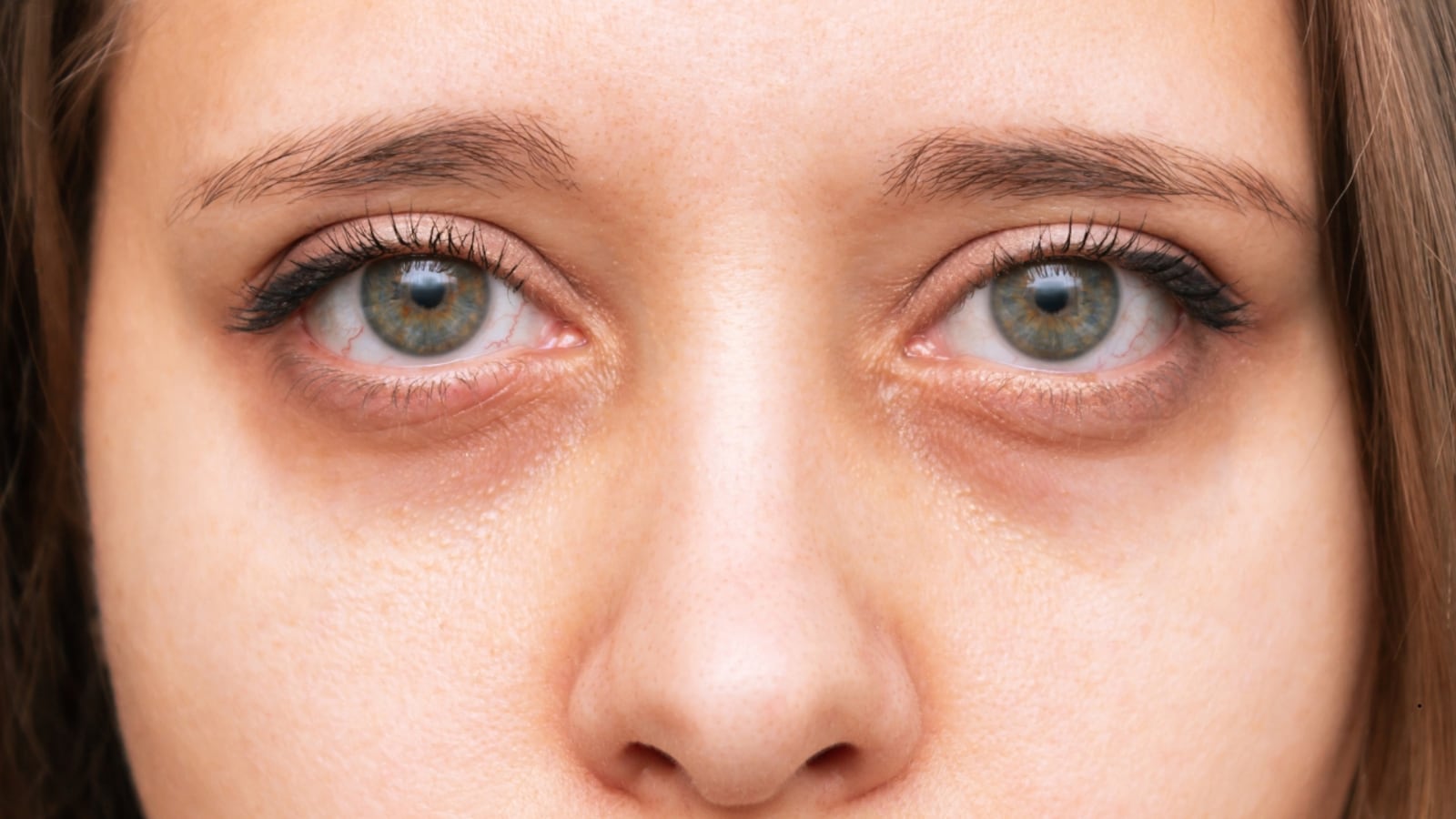
Credit: www.moneycontrol.com
Causes Of Eye Bags
Eye bags are a common concern that many people notice as they age. They appear as puffiness or swelling under the eyes. Understanding the causes can help in managing or reducing their appearance.
Lack of sleep is often blamed for eye bags, but other factors also play a role. Both sleep habits and lifestyle choices affect the skin around the eyes.
Role Of Sleep In Skin Health
Sleep helps the skin repair and regenerate. When you don’t get enough sleep, the skin loses its ability to heal. This causes the blood vessels under the eyes to dilate, leading to dark circles and puffiness.
- Poor sleep causes fluid to build up under the eyes.
- Sleep deprivation reduces collagen, making skin thinner.
- Less sleep increases stress hormones that harm skin health.
- Good sleep improves blood flow and skin tone.
Other Factors Contributing To Eye Bags
Besides sleep, many things can cause or worsen eye bags. These include lifestyle, aging, and health issues. Knowing these helps you take better care of your skin.
| Factor | How It Affects Eye Bags |
| Aging | Skin loses elasticity and fat shifts. |
| Allergies | Cause swelling and inflammation around eyes. |
| Fluid Retention | Leads to puffiness due to excess fluids. |
| Genetics | Some people inherit a tendency for eye bags. |
| Sun Exposure | Damages skin and causes premature aging. |
How Sleep Deprivation Affects Eyes
Lack of sleep can cause visible changes around your eyes. Your eyes may look tired and swollen. These effects happen because sleep helps your body heal and refresh.
When you do not get enough rest, your eyes may show signs of strain and damage. This can lead to eye bags and dark circles that make you look older.
Impact On Blood Circulation
Sleep helps improve blood flow around your eyes. Without enough sleep, blood vessels can widen, causing dark circles. Poor blood flow also slows healing in the skin near your eyes.
- Blood vessels become larger and more visible
- Skin loses its healthy color and looks pale
- Dark circles appear due to slow blood movement
- Reduced oxygen supply weakens skin cells
Fluid Retention And Puffiness
When you don’t sleep enough, your body may hold more fluid. This causes puffiness around the eyes. The skin around the eyes is thin, so fluid buildup shows easily.
| Cause | Effect on Eyes |
| Sleep deprivation | Increases fluid retention |
| Fluid retention | Leads to puffiness and swelling |
| Swollen skin | Creates visible eye bags |
| Thin skin around eyes | Makes puffiness more obvious |
Scientific Evidence Linking Sleep And Eye Bags
Many people wonder if not sleeping enough causes eye bags. Eye bags are swelling or dark circles under the eyes. Scientists have studied how sleep affects skin and eye appearance.
This article looks at scientific studies and expert opinions on the link between sleep loss and eye bags.
Studies On Sleep And Skin Appearance
Research shows that poor sleep can change how the skin looks. When people do not get enough sleep, their skin may look dull and tired.
- One study found that lack of sleep increased eye puffiness and dark circles.
- Sleep deprivation can make blood vessels under the eyes more visible.
- Reduced sleep lowers skin hydration and elasticity.
- Sleep helps repair skin cells and reduce inflammation.
These changes can cause or make eye bags worse.
Expert Opinions
Doctors and skin specialists agree that sleep affects eye bags. They say regular, good sleep helps keep the skin healthy.
| Expert | Opinion |
| Dermatologist | Sleep reduces inflammation and swelling around the eyes. |
| Ophthalmologist | Poor sleep can cause fluid to build up, making eye bags visible. |
| Sleep Scientist | Sleep loss disrupts skin repair, leading to tired-looking eyes. |

Credit: nudekiwi.co.nz
Preventing And Reducing Eye Bags
Eye bags can make you look tired and older. Lack of sleep is a common cause of eye bags.
Good habits can help prevent and reduce eye bags. Let’s explore some helpful tips.
Sleep Hygiene Tips
Getting enough sleep is key to reducing eye bags. Aim for 7 to 9 hours each night.
Keep a regular sleep schedule and avoid screens before bed. This helps your body rest well.
- Go to bed and wake up at the same time daily
- Limit screen time 1 hour before sleep
- Create a dark, quiet, and cool bedroom
- Avoid caffeine late in the day
- Relax with reading or light stretching before bed
Lifestyle Changes
Some daily habits can help lower eye bag chances. Drink plenty of water to stay hydrated.
Eat healthy foods rich in vitamins. Limit salty snacks to avoid water retention under the eyes.
- Drink 6 to 8 glasses of water daily
- Eat fruits and vegetables with vitamin C and E
- Cut back on salty and processed foods
- Exercise regularly to improve blood flow
- Reduce alcohol intake
Home Remedies For Eye Bags
Simple home treatments can help reduce puffiness. Cold compresses soothe the skin and reduce swelling.
Using tea bags or cucumber slices can also calm tired eyes. These remedies are easy and cheap to try.
- Place chilled spoons on your eyes for 10 minutes
- Use cold green or black tea bags on closed eyes
- Apply cool cucumber slices for 15 minutes
- Elevate your head with an extra pillow during sleep
- Gently massage the under-eye area to improve circulation
When To Seek Medical Advice
Eye bags often come from not sleeping enough. They can also be caused by other health problems. Knowing when to see a doctor helps you get the right care.
If your eye bags do not improve with rest or worsen, you should think about medical advice. Some signs mean you need a check-up.
Signs Of Underlying Health Issues
Eye bags can show more than tiredness. Some health problems cause swelling or dark circles under the eyes. Watch for these signs:
- Eye bags that last for weeks or months
- Swelling that is painful or red
- Changes in vision or eye pain
- Sudden or severe puffiness
- Other symptoms like weight loss or fever
If you see these signs, visit a doctor. They can check for allergies, infections, kidney issues, or thyroid problems.
Treatment Options
Treatment depends on the cause of eye bags. If lack of sleep is the reason, better rest helps. If health problems cause them, doctors suggest specific care.
Common treatments include:
- Improving sleep habits
- Using cold compresses to reduce swelling
- Taking allergy medicines if allergies cause puffiness
- Following prescribed treatment for infections or thyroid problems
- Using eye creams for mild cases
Always get a doctor’s advice before starting new treatments. They will find the right solution for your needs.

Credit: www.vervelaser.com
Frequently Asked Questions
What Causes Eye Bags Besides Lack Of Sleep?
Eye bags can be caused by aging, genetics, allergies, and fluid retention. Smoking and excessive alcohol consumption may also contribute. Lifestyle factors, such as stress and poor diet, can worsen the appearance of eye bags. Addressing these factors can help reduce their visibility.
How Does Sleep Deprivation Affect The Eyes?
Sleep deprivation can lead to puffiness and dark circles under the eyes. It reduces blood circulation, causing fluid buildup and discoloration. Lack of sleep also weakens skin elasticity, making eye bags more prominent. Prioritizing good sleep hygiene can improve eye appearance and overall health.
Can Eye Bags Be A Sign Of Health Issues?
Yes, persistent eye bags might indicate underlying health issues. Allergies, thyroid problems, and kidney issues can cause puffiness. If eye bags persist despite lifestyle changes, consult a healthcare professional. Early detection of potential health problems can lead to more effective treatments.
Are There Quick Fixes For Reducing Eye Bags?
Cold compresses and cucumber slices can reduce puffiness temporarily. Elevating the head while sleeping prevents fluid buildup. Hydration and a healthy diet also help. For long-term solutions, consider lifestyle changes and skincare products with retinol or caffeine. Consistency in these practices can yield better results.
Conclusion
Lack of sleep often causes eye bags and tired-looking eyes. Poor rest makes blood vessels under the skin swell and darken. Fixing your sleep routine can help reduce these puffiness signs. Drinking water and using cold compresses also soothe the area.
Healthy sleep supports your skin and overall health. Don’t ignore tired eyes—they tell your body’s needs. Rest well to keep your eyes fresh and bright. Simple changes can make a big difference in how you look. Sleep matters more than many realize.