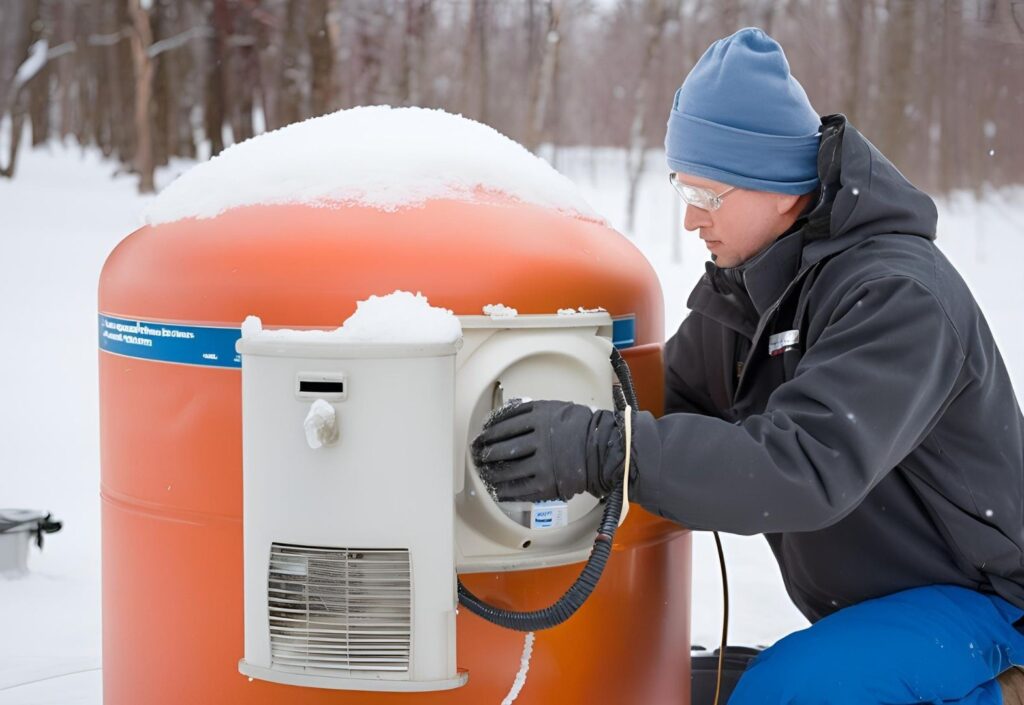
Have you ever wondered if liquid propane, the fuel that powers your grill and heats your home, can actually freeze? It’s a question that might not cross your mind until the temperature drops and you find yourself in the middle of a chilly winter.
Understanding the freezing point of propane can save you from unexpected surprises and ensure that your outdoor cooking or heating needs are always met. We’ll dive into the science behind propane’s behavior in the cold, debunk common myths, and provide practical tips to keep your propane tanks functioning smoothly in winter.
By the end, you’ll have the knowledge to prevent any propane problems before they start. So, if you’re ready to learn how to keep the chill at bay, read on!

Credit: www.adamsgas.co.uk
What Is Liquid Propane?
Liquid propane is a fuel commonly used for heating, cooking, and vehicles. It is a byproduct of natural gas processing and crude oil refining. At normal temperature and pressure, propane is a gas. It becomes liquid when compressed or cooled. This liquid form makes it easier to store and transport.
Properties And Uses
Propane is colorless and odorless in its natural state. An odorant is added for safety to detect leaks. It boils at −42°C (−44°F), so it stays liquid under pressure. Its energy content is high, making it efficient for heating and cooking.
- Used in home heating and water heaters
- Fuel for grills and stoves
- Power source for forklifts and some vehicles
- Used in industrial processes and agriculture
Storage And Handling
Propane is stored in special tanks designed to hold it as a liquid. These tanks keep propane under pressure to maintain its liquid form. Proper handling is essential to avoid leaks and accidents. Tanks must be kept upright and away from heat sources.
- Store tanks outdoors or in well-ventilated areas
- Check for leaks regularly
- Use approved containers and equipment
- Never store propane tanks indoors or in enclosed spaces

Credit: centralpennpropane.com
Freezing Point Of Propane
Understanding the freezing point of propane is crucial if you rely on it for heating or cooking, especially in cold climates. Propane is stored as a liquid under pressure, but its behavior at low temperatures can affect how it functions in your appliances. Knowing the exact temperature thresholds helps you prevent supply interruptions and maintain safety.
Temperature Thresholds
Propane freezes at around -187.7°C (-305.9°F). This is extremely cold—much colder than any natural outdoor temperature on Earth. So, in everyday use, propane will not freeze, even in the coldest winters.
However, propane can become less efficient at low temperatures due to pressure drops inside the tank. If the temperature falls near -42°C (-44°F), propane pressure decreases enough to affect flow and performance. This is why propane tanks are often kept in sheltered areas during winter.
Comparison With Other Fuels
| Fuel | Freezing Point | Practical Impact |
|---|---|---|
| Propane | -187.7°C (-305.9°F) | Won’t freeze in normal conditions |
| Natural Gas (Methane) | -182.5°C (-296.5°F) | Also extremely low freezing point |
| Butane | -0.5°C (31.1°F) | Can freeze in cold weather |
| Diesel | Varies, about -12°C to -20°C (10°F to -4°F) | Can gel or thicken in cold |
Unlike butane or diesel, propane’s freezing point is so low that freezing isn’t a practical concern. But have you noticed how butane cylinders sometimes struggle in winter? This is why propane is preferred for colder environments.
Can Propane Actually Freeze?
Propane is a common fuel used for heating, cooking, and powering appliances. Many wonder if propane can freeze in cold weather. Understanding whether propane actually freezes helps users handle it safely and efficiently. Let’s explore what happens to propane at low temperatures.
Conditions Needed For Freezing
Propane freezes at a very low temperature. Its freezing point is around -306°F (-188°C). This temperature is much colder than typical winter weather. Most places never get this cold naturally.
For propane to freeze, it must be exposed to extreme cold for a long time. Also, propane must be in liquid form under pressure. Without pressure, propane stays a gas at low temperatures.
- Freezing point: -306°F (-188°C)
- Requires very low temperature
- Must be in liquid state under pressure
Real-world Scenarios
In everyday life, propane rarely freezes. Even in very cold climates, temperatures do not reach propane’s freezing point. Propane tanks are designed to keep the liquid propane from freezing or turning solid.
Problems with propane in cold weather usually come from low pressure, not freezing. When it gets cold, propane pressure drops. This can cause appliances to stop working, but it is not due to freezing.
Special equipment or conditions might freeze propane in industrial settings. These cases are rare and involve temperatures far below natural weather conditions.
Effects Of Freezing On Propane
Understanding the effects of freezing on propane is crucial, especially if you use it in cold environments. Although propane is known for its resilience, extreme cold can still bring about changes that impact its behavior and effectiveness. Let’s break down what happens when propane approaches freezing temperatures and how it might affect you.
Physical Changes
Propane turns into a liquid under pressure at normal temperatures, but as temperatures drop, it can approach its freezing point at around -187°C (-304°F). This is extremely cold, much colder than typical winter conditions, so propane rarely freezes under normal circumstances.
However, when propane does freeze, it changes from liquid to solid, which can cause expansion. This expansion might damage storage tanks or containers not designed to handle it. Have you ever checked your propane tank during a harsh winter? It’s important to ensure your equipment is rated for extreme cold to avoid physical damage.
Impact On Performance
Freezing propane affects its ability to vaporize properly, which is essential for its use as fuel. When propane solidifies, it cannot turn into gas, and this disrupts combustion in appliances like heaters and stoves.
Even before freezing, very low temperatures can reduce propane pressure inside tanks, leading to poor appliance performance. You might notice your heater struggling or your grill failing to light in cold weather. To prevent this, consider insulating your propane tanks or using a tank heater if you live in a frigid area.
Preventing Propane Freezing
Preventing propane from freezing is essential for safety and efficiency. Propane can freeze at extremely low temperatures, which can affect its flow and use. Proper care helps maintain its liquid state and prevents operational issues. Understanding storage and temperature control is key to avoiding freezing problems.
Safe Storage Tips
- Store propane tanks upright on a flat surface.
- Keep tanks away from direct sunlight and heat sources.
- Choose a well-ventilated area to avoid gas buildup.
- Avoid storing tanks in enclosed spaces like basements.
- Inspect tanks regularly for leaks or damage.
- Use protective covers to shield tanks from snow and ice.
Temperature Control Methods
- Place tanks in insulated enclosures during cold weather.
- Use propane heaters designed to maintain proper temperature.
- Monitor ambient temperature to anticipate freezing risks.
- Position tanks near heat sources without direct contact.
- Allow small amounts of propane to flow to prevent freezing.
- Consider electric heating blankets for extreme cold conditions.
Credit: www.townsendtotalenergy.com
Myths And Facts About Propane Freezing
Propane is a common fuel source for heating and cooking, especially in colder regions. However, there are many stories and warnings about propane freezing that can confuse users. Let’s clear up the myths and reveal the facts about propane freezing so you can use it safely and confidently.
Common Misconceptions
Many people believe propane can freeze just like water or other liquids. This idea comes from seeing frost on propane tanks during winter or hearing about propane supply issues in extreme cold. Some even think propane stops working if it gets too cold.
Another common misconception is that liquid propane inside tanks turns solid at normal winter temperatures. People worry about their heaters or grills failing because of frozen propane. Have you ever hesitated to use propane in cold weather because of these fears?
- Propane freezes at a temperature much lower than any winter weather most people experience.
- Visible frost on tanks is usually from moisture in the air, not propane freezing.
- Propane vapor pressure drops in cold, but it doesn’t freeze under typical conditions.
Scientific Clarifications
Propane’s freezing point is around -187°C (-305°F), which is far colder than any natural outdoor temperature on Earth. This means propane won’t freeze during your winter camping trip or even in the coldest places you might visit.
What you do see on propane tanks during cold days is often condensation or frost from moisture in the air, not frozen propane itself. The frost forms because propane inside the tank absorbs heat, causing moisture outside to freeze on the tank surface.
Pressure inside the tank can drop in cold weather, which might affect appliance performance, but this is due to lower vapor pressure, not frozen fuel. Keeping your propane tanks at a safe temperature and ensuring proper ventilation can help maintain consistent flow and performance.
Have you noticed frost on your propane tank and worried about it? Now you know it’s just surface moisture, not a sign of freezing fuel. Understanding this can save you from unnecessary panic and help you maintain your equipment better.
Frequently Asked Questions
Can Liquid Propane Freeze In Cold Temperatures?
Liquid propane freezes at around -306°F (-188°C), which is much colder than typical winter temperatures. Therefore, it rarely freezes under normal environmental conditions.
What Happens If Propane Gets Too Cold?
When propane gets very cold, it can become a liquid or solid. However, typical outdoor temperatures are not low enough to freeze it.
How Does Temperature Affect Propane Gas Use?
Low temperatures can reduce propane pressure, affecting appliance performance. Propane remains usable unless temperatures approach its freezing point, which is extremely low.
Can Propane Tanks Freeze In Winter?
Propane tanks don’t freeze in winter because the freezing point of propane is far below normal winter temperatures. Proper tank maintenance ensures safe use.
Conclusion
Liquid propane freezes only at extremely low temperatures. Most everyday conditions do not cause it to freeze. It stays liquid in cold weather for normal use. Proper storage and handling keep propane safe and effective. Understanding its freezing point helps prevent problems with appliances.
Always check your propane equipment during winter months. Safe use ensures propane works well all year long. Remember, liquid propane’s freezing is rare but possible in harsh cold. Stay prepared and keep your propane systems in good shape.