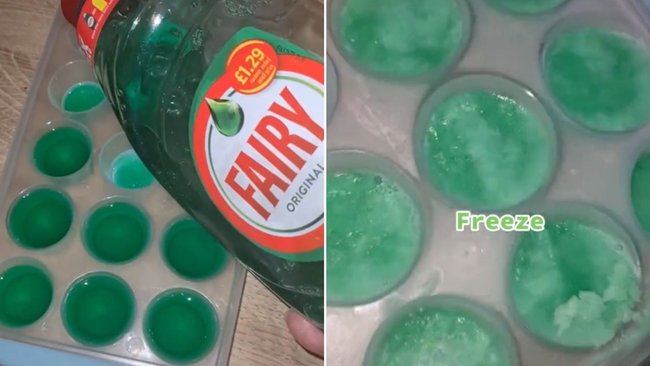
Have you ever left your liquid soap outside on a chilly night and wondered, “Can liquid soap freeze?” It’s a simple question, but the answer might surprise you.
Understanding if and how your favorite soap changes in cold temperatures can save you from unexpected messes and keep your daily routine smooth. Stick with me, and you’ll learn exactly what happens to liquid soap when the temperature drops—and how to handle it like a pro.
How Liquid Soap Is Made
Understanding how liquid soap is made helps explain its unique properties. The process involves mixing specific ingredients to create a smooth, cleansing liquid. This liquid soap can vary in thickness, scent, and color depending on the recipe. Knowing the basics of its creation sheds light on why it behaves differently in cold weather, such as freezing.
Key Ingredients
- Water – serves as the base for the soap
- Surfactants – cleanse by breaking down oils and dirt
- Glycerin – adds moisture and smoothness
- Preservatives – prevent bacteria growth
- Fragrances and dyes – provide scent and color
Manufacturing Process
The process starts by mixing water with surfactants. These surfactants are usually derived from natural fats or oils. The mixture forms a soapy liquid that can clean skin or surfaces effectively.
Next, glycerin is added to soften the soap and keep it from drying out skin. Preservatives are included to extend shelf life by stopping bacteria and mold.
Finally, fragrances and dyes are blended in. This step gives the soap its appealing scent and color. The liquid is then stirred until smooth and uniform.
Freezing Point Of Liquid Soap
Liquid soap behaves differently from water when exposed to cold temperatures. Understanding its freezing point helps prevent damage and maintain its texture. The freezing point depends on several factors related to its ingredients and composition.
Factors Affecting Freezing
Several elements influence the freezing point of liquid soap:
- Water Content:More water means a higher chance of freezing near 0°C (32°F).
- Glycerin and Oils:These lower the freezing point, acting like natural antifreeze.
- Detergents and Surfactants:They change the structure and can reduce freezing temperature.
- Added Ingredients:Fragrances, colors, and preservatives can also affect freezing.
Because of these components, liquid soap rarely freezes solid like pure water does.
Comparison With Water
| Property | Liquid Soap | Water |
|---|---|---|
| Freezing Point | Below 0°C (often -5°C or lower) | 0°C (32°F) |
| Texture After Freezing | May become thick or gel-like | Turns to solid ice |
| Effect of Freezing | Possible separation of ingredients | No separation, just solid ice |
Liquid soap’s special mix of ingredients helps it resist freezing like water. It may get thicker or change texture but usually does not freeze hard. This property makes it more durable in cold conditions.
What Happens When Liquid Soap Freezes
Freezing liquid soap causes several noticeable changes. These changes affect its look, feel, and how well it cleans. Understanding these effects helps in storing and using liquid soap properly.
Texture And Consistency Changes
When liquid soap freezes, it becomes thicker and more solid. The smooth liquid turns into a gel-like or clumpy texture. This change happens because water inside the soap freezes and expands.
After thawing, the soap might not return to its original smoothness. It can stay lumpy or separate into layers. This affects how easily the soap pours and spreads on the skin.
Effect On Soap Performance
Freezing can reduce the soap’s cleaning power. The separation of ingredients may stop the soap from lathering well. Less foam means less effective dirt and oil removal.
Some soaps may feel sticky or leave residue after freezing. The scent might also weaken or change. These changes make the soap less pleasant and useful.
Can All Liquid Soaps Freeze?
Not all liquid soaps freeze at the same temperature. Some freeze easily, while others stay liquid even in cold conditions. The freezing point depends on the soap’s ingredients and formulation. Understanding these differences helps explain why some soaps freeze and others do not.
Differences Between Brands
Each brand uses unique recipes for liquid soap. These recipes affect freezing points. Some brands add more water, which can freeze faster. Others use thicker formulas that resist freezing. The type of soap base also matters. For example, glycerin-based soaps freeze differently than detergent-based ones. Brand differences make a big impact on whether a soap freezes.
Role Of Additives And Fragrances
Additives change soap’s freezing behavior. Ingredients like alcohol lower the freezing point. This keeps soap liquid in colder temperatures. Fragrances and oils also influence freezing. Some oils act like antifreeze, stopping ice crystals from forming. Others may cause soap to freeze faster. Additives and fragrances create many variations in freezing points among liquid soaps.
How To Prevent Liquid Soap From Freezing
Liquid soap can freeze in cold weather, making it hard to use. Preventing this helps keep soap smooth and ready. Simple steps can protect your soap from freezing.
Proper storage and temperature control are key to stopping liquid soap from freezing. Follow these tips to keep your soap liquid and effective.
Storage Tips
- Keep liquid soap indoors or in a sheltered place.
- Store soap away from doors and windows where cold air enters.
- Use airtight containers to reduce exposure to cold air.
- Avoid placing soap directly on cold floors or surfaces.
- Wrap soap containers with insulating materials like cloth or bubble wrap.
Temperature Recommendations
- Maintain soap storage temperature above 32°F (0°C).
- Ideal temperature range is between 50°F and 77°F (10°C to 25°C).
- Use a small heater or heat mat in very cold rooms.
- Monitor room temperature during cold spells and adjust storage accordingly.
- Do not expose soap to freezing outdoor temperatures for long periods.

Credit: www.youtube.com
What To Do If Liquid Soap Freezes
When liquid soap freezes, it changes texture and becomes thick or clumpy. This can make it hard to use. Knowing how to fix frozen soap helps you save it without wasting any. Some simple steps can bring your liquid soap back to normal quickly.
Thawing Methods
Place the frozen soap container in a warm room. Avoid direct sunlight or heat sources that can damage the soap. Let it sit until it softens naturally.
Use warm water to speed up thawing. Fill a bowl with warm water and place the soap bottle inside. Keep the cap closed to prevent water from entering the soap.
Do not use boiling water or a microwave. These can break down the soap’s ingredients and ruin its quality.
Restoring Usability
After thawing, shake or stir the soap gently to mix separated ingredients. This helps regain its smooth texture.
If the soap is still thick, add a small amount of warm water. Mix well to reach the right consistency.
Test the soap by squeezing a small amount onto your hand. It should spread easily without lumps.
Store liquid soap in a warmer place to prevent freezing again during cold weather.
Surprising Uses Of Frozen Soap
Frozen liquid soap may seem odd, but it has surprising uses. When soap freezes, its texture changes, opening new creative and practical possibilities. Many people do not realize how frozen soap can help beyond cleaning. The unique form makes it useful for different tasks around the house.
Creative Hacks
Frozen soap can be molded into fun shapes. This makes it a cool craft for kids or gifts. You can:
- Cut frozen soap into small cubes for easy handwashing.
- Carve it into shapes for decorative bathroom pieces.
- Use frozen soap bars as stamps for art projects.
These ideas add a playful touch to daily hygiene. Frozen soap also lasts longer and can be scented with essential oils for a fresh smell.
Practical Applications
Frozen soap works well in many practical ways. Its solid form allows easy handling and less mess. Try these uses:
- Use frozen soap bars to clean tough stains on clothes.
- Rub frozen soap on greasy pots to break down oils.
- Keep a frozen soap block in the kitchen for quick hand cleaning.
Frozen soap can also help with outdoor activities. It is great for camping or gardening when water is limited. The solid form reduces spills and waste.

Credit: www.wikihow.com

Credit: organicsbestshop.com
Frequently Asked Questions
Can Liquid Soap Freeze In Cold Temperatures?
Yes, liquid soap can freeze if exposed to temperatures below its freezing point. The water content in the soap solidifies, causing it to thicken or freeze completely.
How Does Freezing Affect Liquid Soap Quality?
Freezing may change the texture and consistency of liquid soap. It can separate ingredients, making the soap less effective or harder to use.
Can Frozen Liquid Soap Be Thawed Safely?
Yes, thaw frozen liquid soap at room temperature. Avoid heat sources to prevent damaging its formula or reducing its cleaning power.
Does Freezing Reduce Liquid Soap’s Cleaning Effectiveness?
Freezing can slightly reduce soap effectiveness by altering its texture. However, once thawed properly, most of its cleaning ability returns.
Conclusion
Liquid soap can freeze in very cold temperatures. It becomes thick and hard. Storing it properly helps avoid freezing. Keep it in a warm place. Use a container with a tight lid. This prevents air exposure and helps maintain its liquid form.
If your soap freezes, don’t worry. Let it thaw at room temperature. It will return to normal. Understanding how liquid soap reacts to cold helps maintain its quality. Remember, proper storage is key to keeping your soap effective. Stay informed and enjoy using your liquid soap year-round.