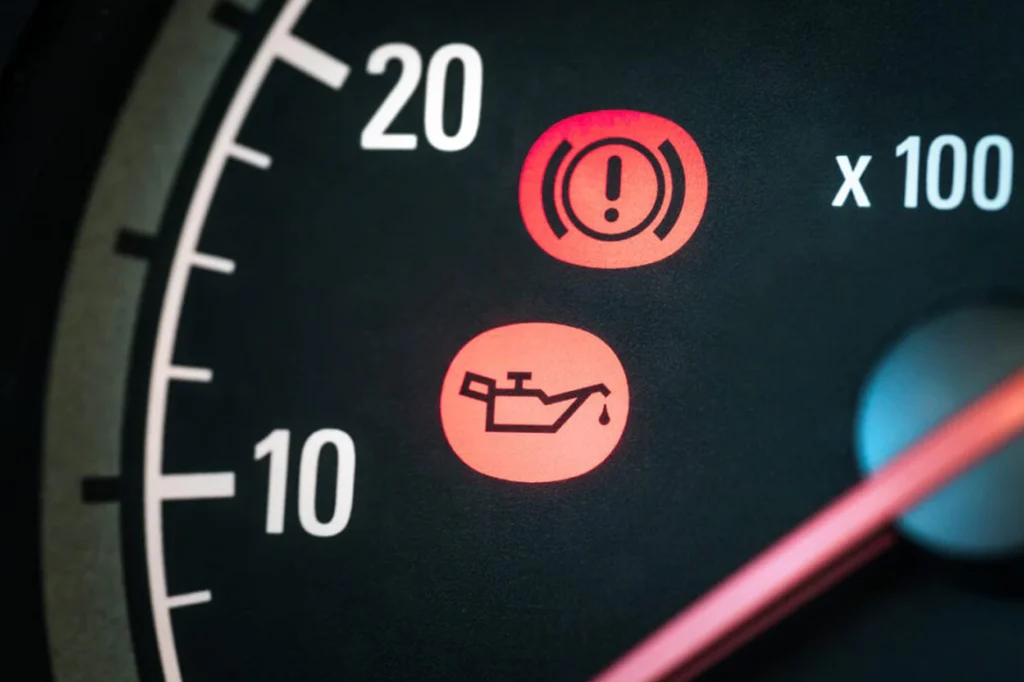
Have you ever wondered why your car suddenly starts to overheat? One common but often overlooked cause might be low oil levels.
You might think oil only keeps your engine running smoothly, but it also plays a key role in preventing overheating. If you don’t pay attention to your oil, your engine could face serious damage – and costly repairs. You’ll discover exactly how low oil can lead to overheating and what you can do to protect your vehicle.
Keep reading to save yourself time, money, and stress on the road.
How Engine Oil Controls Temperature
Engine oil plays a key role in keeping the engine temperature under control. It absorbs heat from moving parts and helps prevent the engine from getting too hot. Without enough oil, the engine can overheat quickly and suffer damage. Understanding how oil controls temperature reveals why maintaining proper oil levels is crucial for engine health.
Role Of Oil In Heat Dissipation
Engine oil moves heat away from hot engine parts. It flows through tight spaces, picking up heat from friction and combustion. The oil then carries this heat to the oil pan or cooler, where it dissipates into the air. This process helps keep the engine temperature stable.
Without enough oil, heat builds up faster. The engine parts get hotter and can warp or break. Proper oil levels ensure heat spreads evenly and prevents hot spots.
Lubrication And Friction Reduction
Oil creates a thin film between metal engine parts. This film reduces direct contact and lowers friction. Less friction means less heat generated inside the engine. The oil also stops metal parts from grinding against each other, which can cause wear and overheating.
Low oil levels reduce lubrication. More friction occurs, leading to higher engine temperatures. Keeping oil at the right level helps the engine run smoothly and coolly.

Credit: www.iratoyotaofhyannis.com
Effects Of Low Oil Levels On Engine Heat
Low oil levels in your engine can significantly impact how heat is managed within the system. Engine oil does more than just lubricate; it plays a critical role in controlling temperature. If the oil is too low, your engine can heat up faster, leading to potential damage and costly repairs.
Increased Friction And Wear
Oil forms a thin layer between moving engine parts, preventing them from rubbing directly against each other. When oil levels drop, this protective layer thins or disappears, causing metal parts to grind together.
This friction generates extra heat, pushing your engine temperature beyond safe limits. Have you ever noticed your engine warning light flicker after skipping an oil change? That’s often the sign of increased wear and heat stress caused by low oil.
Reduced Cooling Efficiency
Besides lubrication, engine oil helps carry heat away from hot components. With less oil circulating, this heat transfer slows down. The engine’s cooling system then struggles to maintain a safe operating temperature.
This reduction in cooling efficiency can cause your engine to run hotter than normal, especially under heavy loads or high-speed driving. Think about the last time you were stuck in traffic on a hot day—low oil can turn that situation into a serious overheating risk.
Common Causes Of Low Oil
Low oil levels in a vehicle can cause serious engine problems, including overheating. Understanding the common causes of low oil helps prevent such issues. Oil keeps the engine parts lubricated and cool. Without enough oil, the engine may run hotter and wear faster. Several factors contribute to oil loss or low oil levels.
Leaks And Oil Consumption
Oil leaks are a frequent cause of low oil levels. Worn seals, gaskets, or damaged oil pans can let oil escape. Even small leaks cause gradual oil loss over time. Some cars also consume oil during normal operation. High mileage vehicles often burn oil faster. Poor engine condition or faulty parts can increase oil consumption. Regular checks for leaks and oil levels are important to avoid overheating.
Infrequent Oil Changes
Skipping or delaying oil changes lowers oil quality. Old oil loses its ability to lubricate and cool the engine. Dirty oil contains particles that can clog engine parts. This reduces oil flow and causes overheating. Following the manufacturer’s recommended oil change schedule keeps oil fresh. Fresh oil maintains proper engine temperature and performance. Regular oil changes prevent buildup and maintain oil levels.
Signs Of Overheating Due To Low Oil
Noticing the signs of overheating due to low oil early can save your engine from serious damage. Low oil levels reduce lubrication, causing friction and heat to build up quickly. Recognizing these warning signals helps you act before the situation worsens.
Warning Lights And Temperature Gauge
Your car’s dashboard is your first line of defense. The oil pressure warning light or engine temperature gauge rising above normal levels are clear indicators that something’s wrong. Ignoring these alerts can lead to engine failure, so never overlook a sudden spike.
Have you ever seen the temperature needle creep towards the red zone while driving? That’s a red flag signaling low oil might be causing your engine to overheat. Keeping an eye on these gauges daily can prevent costly repairs.
Unusual Engine Noises
Low oil means less lubrication, which causes metal parts to rub together harshly. You might hear knocking, ticking, or grinding sounds coming from the engine. These noises aren’t just annoying—they’re warning signs that your engine is under stress.
Think about the last time your car made a strange noise. Did you check the oil level right after? Taking a moment to listen can alert you to overheating problems early. If your engine sounds off, check your oil immediately to avoid damage.
Consequences Of Ignoring Low Oil Overheating
Ignoring low oil and overheating can cause severe problems for your vehicle. Oil plays a key role in cooling and lubricating the engine parts. Without enough oil, the engine heats up quickly and parts wear out faster. This leads to serious damage and expensive repairs.
Engine Damage And Failure
Low oil levels reduce lubrication inside the engine. Metal parts rub against each other, causing friction and heat. Overheating worsens this effect. The engine can warp, crack, or even seize up completely. This damage often means a full engine replacement.
Costly Repairs
Fixing damage from low oil and overheating costs a lot. Repair shops charge high fees for engine rebuilds or replacements. Other parts like the radiator or hoses may also break down. Ignoring low oil can quickly turn a small problem into a major expense.
Preventing Overheating From Low Oil
Keeping your engine cool is vital for your car’s health. Low oil levels often lead to overheating. Oil lubricates moving parts and carries away heat. Without enough oil, friction increases, causing the engine to heat up quickly. Preventing overheating starts with good oil care. Simple habits can protect your engine and save repair costs.
Regular Oil Checks
Check your oil level often. Use the dipstick to measure it. Do this when the engine is cool and the car is on level ground. Low oil levels show as a mark below the safe range. Top up oil if needed. Regular checks catch problems early and keep the engine running smoothly.
Timely Oil Changes
Old oil loses its ability to lubricate well. Change oil according to your car’s manual. Fresh oil reduces friction and helps cool the engine. Skipping changes risks sludge build-up and overheating. Use the right oil type for your vehicle to ensure best protection.
Addressing Leaks Promptly
Oil leaks lower the oil level fast. Spot leaks under your car or smell burning oil? Get it fixed right away. Leaks can come from gaskets, seals, or the oil pan. Repairing leaks stops oil loss and prevents engine overheating. Don’t delay, as leaks worsen over time.
When To Seek Professional Help
Knowing when to seek professional help is crucial for vehicle safety. Some signs show that the problem is more serious than just low oil. Quick action can prevent engine damage and costly repairs.
Persistent Overheating Issues
Overheating that happens again and again needs expert attention. Low oil might cause the first heat spike. But if the heat stays high, a mechanic should check the cooling system. Problems like a broken thermostat or radiator leaks need fixing.
Do not ignore warning lights on the dashboard. A mechanic can diagnose the exact cause of constant overheating. Waiting too long may lead to engine failure.
Unexplained Oil Loss
Oil levels dropping without visible leaks is a sign of trouble. Burning oil or internal leaks inside the engine can cause this. A professional can find hidden leaks or worn engine parts.
Regularly check oil levels. Sudden or steady oil loss without clear reason means a mechanic must inspect the engine. Early diagnosis stops bigger damage and improves car safety.

Credit: auto-inc.com

Credit: www.sunautoservice.com
Frequently Asked Questions
Can Low Oil Levels Cause Engine Overheating?
Yes, low oil reduces lubrication and increases friction inside the engine. This causes the engine to overheat quickly and can lead to severe damage if not addressed promptly.
How Does Engine Oil Help Prevent Overheating?
Engine oil cools engine parts by reducing friction and carrying heat away. It also helps maintain optimal engine temperature, preventing overheating during operation.
What Are Signs Of Low Oil Causing Overheating?
Common signs include a hot engine warning light, unusual engine noise, smoke from the hood, and a rising temperature gauge. These indicate low oil or overheating issues.
Can Low Oil Damage The Engine Permanently?
Yes, running an engine with low oil can cause permanent damage. It can lead to overheating, worn-out parts, and ultimately engine failure if not fixed quickly.
Conclusion
Low oil levels can cause your engine to overheat fast. Oil helps cool and protect engine parts from friction. Without enough oil, heat builds up and damages the engine. Check oil regularly to keep your engine safe. Fix low oil issues quickly to avoid costly repairs.
A well-maintained engine runs cooler and lasts longer. Don’t ignore oil problems—they affect your car’s health. Simple steps can prevent overheating and keep driving smooth. Remember, oil is key to your engine’s temperature control.