
Have you ever wondered if your beloved Mason jars can withstand the powerful jets and high temperatures of your dishwasher? You’re not alone.
These versatile glass containers are a staple in many kitchens, perfect for storing everything from homemade jams to refreshing iced tea. But when it comes to cleaning them, you might be hesitant. Is it safe to toss them into the dishwasher, or should you wash them by hand?
This question may seem simple, but the answer could save you time and effort while ensuring the longevity of your jars. Get ready to dive into the world of Mason jars and dishwashers as we uncover the facts and debunk the myths. Keep reading to discover how you can enjoy the convenience of your dishwasher without sacrificing your favorite kitchen essentials.
Mason Jar Materials And Dishwasher Safety
Mason jars are popular for storing food and drinks. Their materials affect how safe they are in the dishwasher. Knowing what each part is made of helps protect your jars and keeps them lasting longer.
Glass Durability
Mason jars are made of thick glass. This glass is strong and can handle heat well. Most glass jars can go in the dishwasher without cracking. Still, avoid sudden temperature changes to prevent breakage. The glass usually stays clear and clean after washing.
Lid Components
The lids have two parts: a metal ring and a flat disc. The metal ring usually holds up fine in the dishwasher. The flat disc has a rubber or silicone seal underneath. The seal can wear out if exposed to high heat often. Washing lids by hand may help them last longer.
Seal Integrity
The seal is key to keeping jars airtight. Heat from the dishwasher can weaken the seal over time. A damaged seal means the jar won’t preserve food properly. Check seals regularly for cracks or warping. Replace seals if they show signs of damage to keep jars safe.
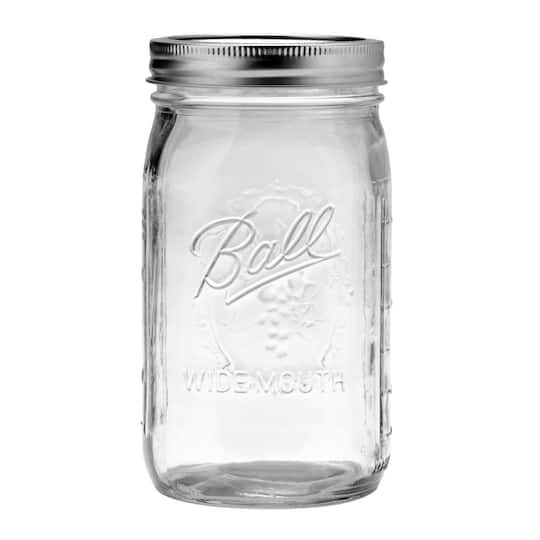
Credit: canada.michaels.com
Preparing Mason Jars For Dishwasher
Preparing Mason jars for the dishwasher ensures they come out clean and undamaged. Proper preparation helps protect the jars and your dishwasher. It also removes any tough stains or leftover food.
Follow these simple steps to get your jars ready for a safe wash.
Removing Labels And Residue
Peel off paper labels before placing jars in the dishwasher. Soak jars in warm water to loosen sticky glue. Use a sponge or scrub brush to remove leftover residue. This prevents clogging and ensures a thorough clean.
Loosening Lids And Bands
Separate lids and metal bands from the jar body. Wash lids and bands by hand to avoid rust or damage. Leave jars open during the wash cycle to prevent pressure build-up. This step keeps all parts clean and safe.
Pre-rinsing Tips
Rinse jars with warm water to remove large food particles. Avoid using soap during pre-rinse to protect the dishwasher. Scrape off any stuck-on food before loading. This helps the dishwasher work better and keeps jars spotless.
Dishwasher Settings For Mason Jars
Setting your dishwasher correctly helps protect mason jars during cleaning. The right settings keep jars clean and safe from damage. Adjusting cycle, temperature, and placement matters a lot. These factors affect how well your jars come out after washing. Choose settings that match mason jars’ needs for best results.
Choosing The Right Cycle
Select a gentle or glassware cycle for mason jars. These cycles use less pressure and avoid harsh scrubbing. Avoid heavy or pots and pans cycles. They can cause jars to chip or crack. Shorter cycles help reduce exposure to heat and water. This extends the life of your mason jars.
Water Temperature Considerations
Use warm water, not hot or boiling, for mason jars. High heat may weaken the glass or damage lids. Warm water cleans effectively without risking cracks. Avoid extreme temperature changes during the cycle. Sudden shifts can cause jars to break. Check your dishwasher’s temperature settings before starting.
Using Racks And Placement
Place mason jars upright on the top rack. The top rack is safer due to lower heat and water pressure. Avoid crowding jars to prevent bumping during the wash. Use racks designed for bottles or glasses if available. Secure lids separately; washing them inside jars traps water. Proper placement reduces the risk of damage and ensures thorough cleaning.
Common Issues With Dishwasher Cleaning
Using a dishwasher to clean your Mason jars might seem like a time-saver, but it can bring some unexpected problems. Understanding these common issues can help you protect your jars and keep them looking great for longer. Let’s look at what might happen when you put Mason jars in the dishwasher.
Cloudiness And Etching
Have you noticed your jars turning cloudy after dishwasher cycles? This is often due to mineral deposits or tiny scratches on the glass surface called etching. Etching happens because the high heat and strong dishwasher detergents can slowly wear down the glass over time.
This cloudiness not only looks unattractive but can also make the jars harder to clean. If you want to avoid this, consider hand washing or using milder detergents. Have you tried using vinegar or baking soda as a natural rinse to reduce cloudiness?
Rust On Metal Bands
The metal bands that seal your Mason jars are prone to rust when exposed to dishwasher conditions. The moisture and heat inside the dishwasher can strip away protective coatings, leading to rust spots. Once rust starts, it can weaken the metal and make it unsafe for sealing jars properly.
To protect these metal parts, it’s better to remove the bands before placing jars in the dishwasher. You can wash the bands separately by hand and dry them immediately. Would you consider this small extra step to extend the life of your jar lids?
Seal Damage
The rubber or silicone seals inside the jar lids are delicate and can get damaged in a dishwasher. High temperatures and harsh detergents may cause the seals to warp or lose their flexibility. This damage affects the jar’s ability to create a tight seal, risking leaks or spoilage if you use the jars for canning.
Replacing seals regularly can help, but avoiding the dishwasher for lids is a safer choice. Hand washing with warm soapy water keeps the seals intact much longer. How important is a reliable seal for your jar uses?
Alternative Cleaning Methods
Sometimes, using a dishwasher isn’t the best option for cleaning your Mason jars. Maybe your dishwasher is full, or you want to avoid the harsh effects of dishwasher detergents on the jar’s seal. Alternative cleaning methods can keep your jars spotless without risking damage.
Hand Washing Techniques
Hand washing Mason jars gives you full control over the cleaning process. Use warm, soapy water and a soft sponge or bottle brush to reach inside. Avoid abrasive scrubbers that can scratch the glass or wear down the lid’s seal.
Rinse thoroughly to remove all soap residue. Dry the jars with a clean towel or air dry them upside down. Have you noticed how careful hand washing often leaves your jars looking clearer and feeling sturdier?
Using Vinegar And Baking Soda
Vinegar and baking soda are a powerful duo for cleaning stubborn stains and odors. Sprinkle baking soda inside the jar, then add a splash of vinegar to create fizzing action. This helps lift grime without harsh chemicals.
Let the mixture sit for 10-15 minutes before scrubbing gently with a brush. Rinse well with warm water to ensure no residue remains. This natural method is great if you want a safe and affordable way to refresh your jars.
Sanitizing Without A Dishwasher
Sanitizing Mason jars without a dishwasher is simple and effective. Boil the jars in water for 10 minutes to kill bacteria and germs. Be sure the jars are fully submerged and avoid rapid temperature changes to prevent cracking.
If boiling isn’t an option, pour boiling water inside the jar and let it sit for a few minutes. Then carefully pour it out and let the jar air dry on a clean surface. Isn’t it reassuring to know you can sanitize your jars anytime, without special equipment?

Credit: www.amazon.ca
Maintaining Mason Jar Longevity
Mason jars last longer with simple care after cleaning. Proper maintenance keeps them strong and safe for reuse. Small efforts help avoid cracks and stains. Handle jars gently to keep their shape and clarity.
Storage Tips After Cleaning
Dry jars completely before storing to stop mold growth. Store lids and bands separately to prevent rust. Keep jars in a cool, dry place away from sunlight. Arrange jars upright to avoid pressure on the lids.
Regular Inspection
Check jars for cracks or chips before use. Look at lids for rust or dents. Inspect rubber seals for wear or damage. Replace any part that looks weak or unsafe. This keeps food fresh and jars safe.
Replacing Worn Parts
Replace lids and bands when they lose shape or rust. Use new rubber seals for airtight closure. Purchase parts designed for your jar size and brand. Changing parts extends jar life and maintains safety.

Credit: forjars.co
Frequently Asked Questions
Can Mason Jars Be Safely Washed In A Dishwasher?
Yes, most mason jars are dishwasher-safe. Use the top rack to avoid damage. Avoid high heat settings to protect the lids.
Will Dishwasher Heat Damage Mason Jar Lids?
High dishwasher heat can warp or degrade metal lids. Hand washing lids is recommended to maintain their seal and longevity.
How To Clean Mason Jars In A Dishwasher Effectively?
Place jars upside down on the top rack. Use a mild detergent and avoid overcrowding for thorough cleaning.
Can Plastic Lids Of Mason Jars Go In The Dishwasher?
Plastic lids are usually dishwasher-safe but check the manufacturer’s instructions. Place them on the top rack to prevent warping.
Conclusion
Mason jars can safely go in the dishwasher, but handle them with care. Remove lids and seals before washing to avoid damage. Place jars on the top rack to prevent breakage. Avoid harsh detergents that may wear out the glass or seals.
Regular cleaning keeps jars ready for your next use. Follow these tips to keep your mason jars clean and lasting long. Simple steps make dishwasher cleaning easy and safe. Your jars will stay clear and fresh every time.