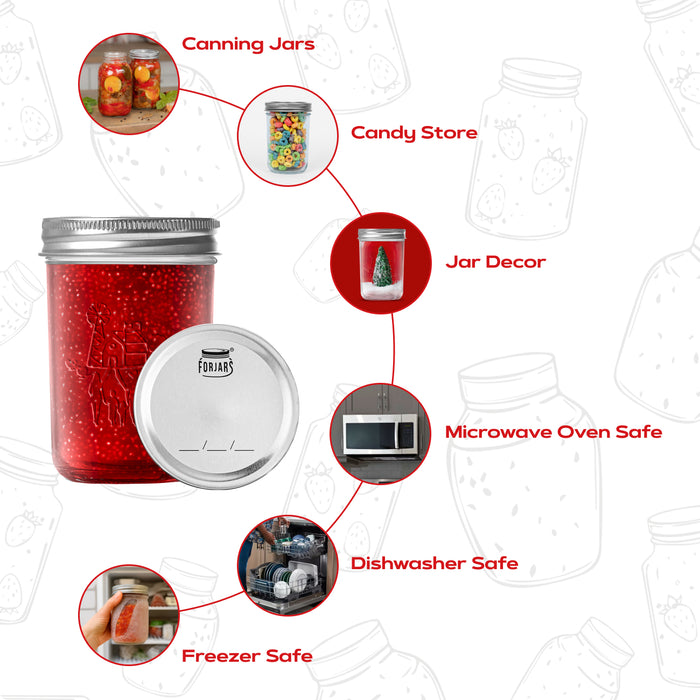
Have you ever found yourself staring at a pile of dirty mason jars and wondering if they can safely go in the dishwasher? You’re not alone.
This question has puzzled many, and it’s time to clear up the mystery. Picture this: sparkling clean mason jars with minimal effort, allowing you more time to enjoy what you love. But before you toss them in the dishwasher, there are a few things you need to know to avoid any mishaps.
We’ll explore whether or not mason jars can withstand the dishwasher’s cycle, ensuring your beloved jars stay in perfect condition. Stay with us, and discover the best way to keep your mason jars clean and ready for your next project or meal prep.
Mason Jar Materials And Dishwasher Safety
Mason jars come in various materials, each with different dishwasher safety levels. Knowing these materials helps protect your jars during cleaning. Most mason jars are made of glass, but lids and seals often use metal or plastic. These materials react differently to dishwasher heat and water pressure. Proper care keeps your jars lasting longer and looking their best.
Glass Durability In Dishwashers
Glass mason jars are generally safe in dishwashers. They resist high temperatures and water pressure well. The glass is thick and designed for repeated use. Avoid placing jars too close to heating elements. Sudden temperature changes might cause glass to crack. Use the top rack to reduce heat exposure. This helps maintain jar clarity and strength.
Lids And Seals: What Survives The Wash
Lids and seals require more attention than glass jars. Metal lids may rust or lose their seal after many washes. Plastic seals can warp or break down from heat. Remove lids and seals before placing them in the dishwasher. Wash lids by hand to extend their life. Replace seals often to ensure proper jar sealing.
Avoiding Damage To Decorative Jars
Decorative mason jars need gentle cleaning. Paint, labels, or designs can fade or peel in dishwashers. Hand wash these jars with mild soap and water. Avoid abrasive scrubbers that can scratch surfaces. Use a soft cloth to clean and dry. Store decorative jars away from moisture to keep designs fresh.

Credit: forjars.co
Preparing Mason Jars For The Dishwasher
Preparing your Mason jars for the dishwasher is a key step to ensure they come out sparkling clean without damage. Proper prep helps prevent leftover stains, sticky residue, and avoids dishwasher mishaps. Taking a few moments before loading can save you from extra scrubbing later.
Removing Labels And Residue
Most Mason jars come with paper labels that don’t hold up well in the dishwasher. You should peel off as much of the label as possible before washing. Any leftover sticky residue can be scrubbed off with warm, soapy water or a dab of cooking oil to loosen the glue.
If you’ve ever had a label turn into a soggy mess in the dishwasher, you know how frustrating it can be. Removing labels upfront keeps your dishwasher clean and your jars looking neat.
Loosening Stuck Food Particles
Stuck-on food can prevent your Mason jars from getting fully clean. Before placing them in the dishwasher, rinse the jars with warm water to soften any dried food. For stubborn bits, soak jars in warm water for a few minutes to loosen residue.
Have you ever noticed your dishwasher cycle ending only to find bits of food still stuck inside your jars? This simple step can save you that disappointment.
Separating Components For Cleaning
Mason jars often come with multiple parts: the glass jar, metal lids, and sealing rings. It’s important to separate these components before washing. Place lids and rings on the top rack or in a small dishwasher basket to prevent damage and ensure thorough cleaning.
Keeping these parts separate also helps you spot any wear or rust early, so you can replace them and keep your jars safe for future use.
Best Dishwasher Settings For Mason Jars
Choosing the best dishwasher settings helps keep Mason jars clean and safe. Proper settings protect the glass and seals from damage. This section explains how to pick temperature, cycle, and jar placement for excellent results.
Choosing The Right Temperature
Set the dishwasher to a moderate temperature. High heat can warp lids and weaken seals. A temperature around 120°F (49°C) works well. This avoids cracks and keeps jars intact.
Selecting The Appropriate Cycle
Use a gentle or glassware cycle. These cycles use less water pressure and heat. Avoid heavy or pots and pans cycles. They can be too rough on Mason jars and lids.
Positioning Jars For Optimal Cleaning
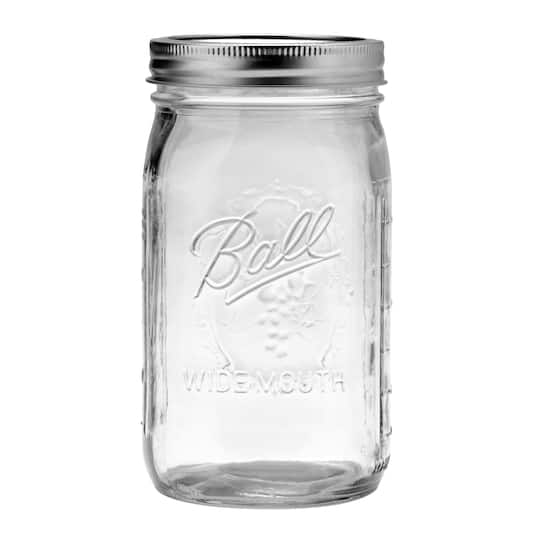
Place jars upright on the top rack. This prevents water from pooling inside the jars. Keep lids separate to avoid damage. Secure jars so they don’t move during washing.
Credit: canada.michaels.com
Common Mistakes To Avoid
Washing Mason jars in the dishwasher can be convenient, but many people unknowingly make mistakes that damage their jars or reduce their lifespan. Avoiding these common errors helps keep your jars sparkling clean and safe to use. Let’s look at some pitfalls you should steer clear of to protect your favorite kitchen staples.
Overcrowding The Dishwasher
It might seem efficient to cram all your Mason jars into the dishwasher at once, but overcrowding can actually backfire. When jars are packed too tightly, water and detergent can’t circulate properly, leaving spots and residue behind.
Also, jars bumping against each other can cause chips or cracks. Do you really want to risk losing a set of jars just to save a few minutes?
Instead, give each jar enough space, especially around the rims and lids, for thorough cleaning and safety.
Using Harsh Detergents
Not all dishwasher detergents are created equal. Some contain strong chemicals that can etch the glass or dull the shine of your Mason jars over time.
I’ve noticed that switching to a mild, phosphate-free detergent made a big difference in keeping my jars clear and scratch-free. Have you ever seen your jars develop a cloudy film after washing?
Choosing gentler detergents preserves the glass and protects any decorative elements or labels on your jars.
Ignoring Manufacturer Guidelines
Every Mason jar brand may have specific care instructions, especially for dishwasher use. Skipping these guidelines could void warranties or cause damage.
Take a moment to check whether your jars are labeled dishwasher-safe or if certain parts, like metal lids, require hand washing. Ignoring these details can lead to rust or warping.
Have you ever assumed all jars handle dishwashers the same way, only to regret it later?
Alternative Cleaning Methods
Sometimes your dishwasher might be full or you might prefer a gentler clean for your Mason jars. Alternative cleaning methods can be just as effective, and often more hands-on, giving you control over the process. These techniques can help keep your jars spotless and ready for reuse without relying on the dishwasher.
Hand Washing Tips
Hand washing your Mason jars can be surprisingly simple and effective. Use warm water with a bit of dish soap, and a soft sponge or bottle brush to reach inside. Avoid abrasive scrubbers that might scratch the glass or remove printed labels if you want to keep them intact.
Rinse thoroughly to remove all soap residue, as leftover soap can affect the taste of your stored goods. Dry your jars with a clean towel or let them air dry upside down on a rack. Have you noticed how fresh your jars smell after a gentle hand wash? It’s a small but satisfying detail.
Using Vinegar And Baking Soda
Vinegar and baking soda are fantastic natural cleaners that can tackle stubborn stains and odors in Mason jars. Start by adding a tablespoon of baking soda inside the jar, then pour in half a cup of vinegar. The fizzing reaction helps loosen grime and disinfect the jar.
Let this mixture sit for 10-15 minutes before scrubbing with a bottle brush. Rinse well with warm water to clear away any residue. This combo is perfect if your jars have developed a funky smell after storing pickles or other pungent foods.
Sterilizing Mason Jars Without A Dishwasher
If you need to sterilize jars for canning or long-term storage, you don’t need a dishwasher. Boil your jars in a large pot of water for 10 minutes, making sure they’re fully submerged. This kills bacteria and ensures your jars are safe to use.
Alternatively, you can place clean jars in a preheated oven at 225°F (110°C) for about 20 minutes. Just be sure your jars are oven-safe and avoid sudden temperature changes to prevent cracking. How often do you sterilize your jars before using them? It’s a step that adds peace of mind for food safety.

Credit: www.amazon.ca
Maintaining Mason Jars For Longevity
Mason jars are sturdy and versatile, but proper care keeps them lasting longer. Regular maintenance helps avoid stains, odors, and damage. Clean jars stay fresh and safe for storing food or drinks. Small habits protect your jars and keep them looking new.
Preventing Stains And Odors
Rinse jars immediately after use to stop stains. Use mild dish soap and warm water for cleaning. Avoid harsh chemicals that can damage glass or seals. For stubborn smells, soak jars in vinegar or baking soda water. Let jars air dry completely before storing. This prevents moisture buildup and bad odors.
Storing Clean Jars Properly
Store jars with lids off to allow air circulation. Keep jars in a cool, dry place away from sunlight. Stack jars carefully to avoid chips or cracks. Use clean, dry cloths to cover jars if needed. Proper storage keeps jars ready for next use and prevents dust buildup.
Regular Inspection For Damage
Check jars for cracks, chips, or broken seals regularly. Damaged jars can cause leaks or spoil food. Replace any jars that show signs of wear. Inspect metal lids for rust or dents. Using only intact jars ensures safe storage and extends their life.
Frequently Asked Questions
Can Mason Jars Safely Go In The Dishwasher?
Yes, most Mason jars are dishwasher safe. Place jars on the top rack to avoid heat damage. Avoid washing lids in the dishwasher to maintain their seal quality.
Should I Remove The Lids Before Dishwasher Cleaning?
Yes, always remove lids before dishwasher cleaning. Metal lids may rust or warp from dishwasher heat. Hand-wash lids to preserve their sealing ability.
Does Dishwasher Heat Affect Mason Jar Seals?
Dishwasher heat can damage rubber seals on Mason jar lids. It’s best to hand-wash seals to keep them flexible and leak-proof.
Can Dishwasher Detergent Harm Mason Jars?
Dishwasher detergent generally won’t harm Mason jars. Use mild detergent to prevent etching or cloudiness on glass surfaces.
Conclusion
Mason jars can usually go in the dishwasher safely. Place them on the top rack to avoid damage. Avoid washing lids in the dishwasher, as they may rust. Hand washing lids helps keep them in good shape. Regular cleaning keeps your jars fresh and ready to use.
Simple care extends the life of your mason jars. Now you know how to clean them the right way. Easy and safe washing protects your jars for many uses.