Have you ever noticed a musty smell coming from your air conditioner? Or felt sneezing and coughing more when the AC is on?
You might be wondering, can mold actually grow inside your air conditioner? The answer might surprise you—and it’s important for your health and comfort. You’ll discover how mold can develop in your AC, why it matters to you, and simple steps to keep your air fresh and clean.
Keep reading to protect your home and breathe easier every day.
How Mold Develops In Air Conditioners
Moisture and condensationinside air conditioners create the perfect place for mold. Cold air cools the metal parts, causing water to form. This water stays in the unit and does not dry fast. Mold spores find this dampness ideal to grow and spread. Poor ventilation makes moisture worse and helps mold grow faster.
| Common Mold Types | Description |
|---|---|
| Cladosporium | Often found in damp places, looks black or green. |
| Aspergillus | Can cause allergies, appears in many indoor environments. |
| Penicillium | Grows quickly on wet surfaces, usually blue or green. |
- Drain pans:Collect water and can stay wet for long.
- Coils:Cold surface where condensation forms easily.
- Air filters:Trap dust and moisture, helping mold grow.
- Ductwork:Often dark and moist, a favorite mold spot.
Credit: heatingandcoolingwichitaks.com
Health Risks Linked To Ac Mold
Mold in air conditionerscan cause many health problems. It often triggers allergic reactionslike sneezing, coughing, and itchy eyes. People might also have skin rashes or watery eyes. These symptoms happen because mold releases tiny spores into the air.
Breathing air with mold spores can lead to respiratory issues. Some may get infections in their lungs or have trouble breathing. Mold can make asthma worse and cause chest tightness. These problems affect the lungs and throat.
Children, older adults, and people with weak immune systemsare more at risk. They can get very sick from mold exposure. It is important to keep air conditioners clean to protect these groups. Mold growth in AC units is a hidden danger that affects indoor air quality.
Signs Of Mold In Your Ac Unit
Unusual odorscoming from the AC are a clear sign of mold. A musty or damp smell means mold might be growing inside. This smell can spread through your home, causing discomfort.
Reduced air qualityis another sign. Mold spores mix with the air, making it harder to breathe. This can cause coughing, sneezing, or allergy symptoms.
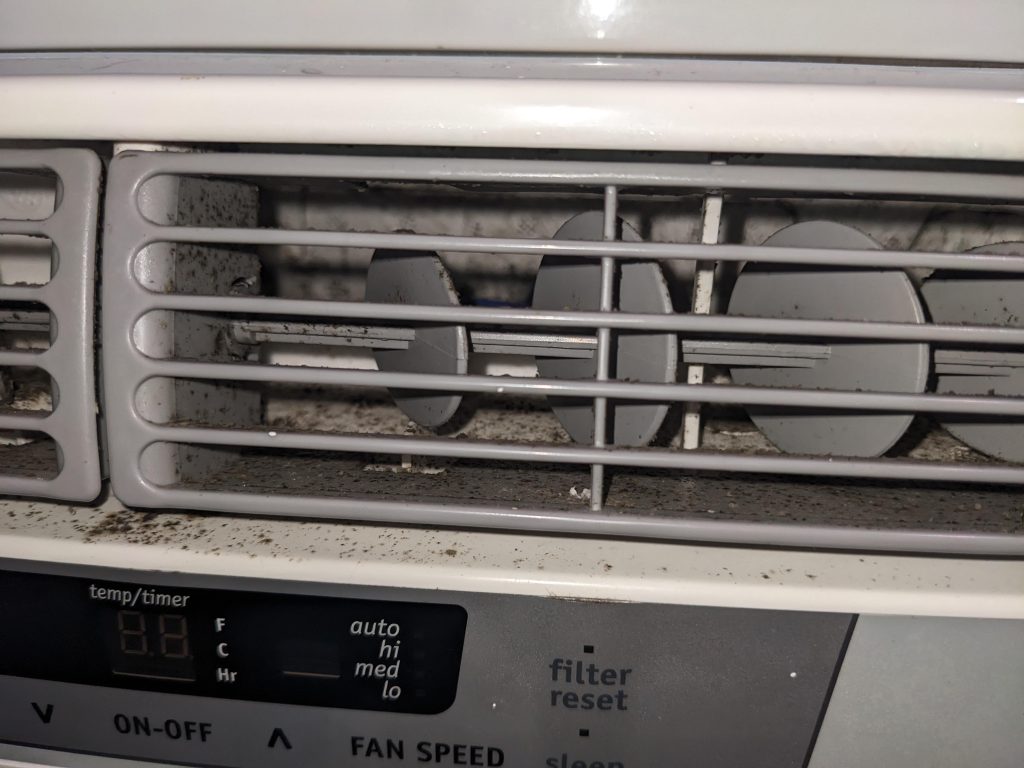
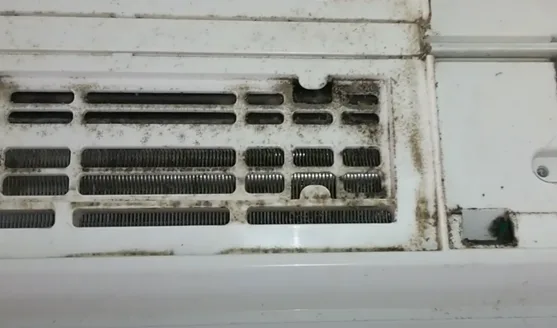
Look for visible mold spotsaround the AC vents or inside the unit. These spots are often black, green, or white. They may appear fuzzy or slimy.

Credit: www.carrier.com
Preventing Mold Growth In Ac Systems
Regular maintenance keeps an air conditioner clean and dry. Check and replace filters often. Clean the drain lines to stop water buildup. Inspect coils and remove dirt or mold. A clean system helps prevent mold growth.
Good air flow lowers moisture inside the AC. Use fans or vents to move air well. Keep rooms dry by using dehumidifiers if needed. Open windows sometimes to freshen the air and reduce dampness.
| Material | Benefit |
|---|---|
| Mold-Resistant Drywall | Stops mold from growing on walls near AC units |
| Anti-Microbial Coatings | Protects surfaces from mold and bacteria |
| Moisture Barriers | Blocks moisture from reaching AC components |
Effective Mold Removal Techniques
DIY cleaningcan remove mold if done carefully. First, turn off the air conditioner and unplug it. Use a soft brush or cloth to wipe away visible mold. Mix water with mild soap or vinegar to clean surfaces. Avoid harsh chemicals that can damage the unit. Let parts dry completely before turning the unit back on. Regularly clean or replace air filters to prevent mold growth. Good airflow and low humidity reduce mold risks inside the unit.
Call professionals when mold covers large areas or returns quickly. They have special tools and cleaners for deep cleaning. Professionals can also check for hidden mold inside ducts or walls. If you see black mold or smell a strong musty odor, experts can help fix the problem safely.
| Product | Use | Notes |
|---|---|---|
| White Vinegar | Kills most mold on surfaces | Natural and safe for most parts |
| Baking Soda | Clears light mold and odors | Use with water for scrubbing |
| Commercial Mold Cleaners | Strong cleaning for heavy mold | Follow instructions carefully |
| Hydrogen Peroxide | Kills mold spores | Use 3% solution, test first |

Credit: www.reddit.com
Frequently Asked Questions
How Does Mold Form In Air Conditioners?
Mold can form in air conditioners due to moisture and dirt accumulation. When the unit is not cleaned regularly, these elements create a breeding ground for mold. Regular maintenance and cleaning can help prevent mold growth in your air conditioning system.
What Are The Signs Of Mold In Ac Units?
Common signs include a musty odor and visible mold growth on vents. Mold can also cause allergic reactions like sneezing and coughing. If you notice these signs, it’s important to inspect and clean your air conditioner promptly.
Can Mold In Ac Affect Health?
Yes, mold in air conditioners can affect health. It can trigger allergies, asthma, and respiratory issues. Mold spores can circulate in the air, leading to these health problems. Regular cleaning and maintenance can help reduce the risk of mold-related health issues.
How To Prevent Mold Growth In Air Conditioners?
To prevent mold growth, clean your AC unit regularly. Ensure proper ventilation and change filters frequently. Use a dehumidifier to reduce moisture levels. These steps can help maintain a mold-free air conditioner and improve indoor air quality.
Conclusion
Mold can grow inside air conditioners if moisture stays too long. Regular cleaning helps stop mold from spreading. Keep your AC dry and check it often. Clean or change filters to keep air fresh. Mold affects air quality and can cause health problems.
Taking small steps prevents mold and keeps your home safe. Stay alert and act quickly to avoid mold buildup. Clean air means healthier living for everyone.